The Fluvial Pulse of Edmonton in the Heart of Canada
In the vast Canadian province of Alberta, the city of Edmonton stretches along the banks of the North Saskatchewan River, a vital waterway that defines the region’s geography, climate, and biodiversity. Far from being a mere geographical feature, this river system acts as an uninterrupted ecological corridor connecting the foothills of the Rocky Mountains with the central plains of the country. At an average elevation of six hundred and sixty-eight meters above sea level, the local topography presents a relief sculpted by the ancient action of water, creating deep valleys, alluvial terraces, and forested ravines that contrast with the surrounding flatlands.
Edmonton’s natural environment sustains a rich variety of habitats where flora and fauna have developed unique adaptations to survive the rigors of an extreme continental climate. Prolonged winters and dynamic springs set the biological rhythm of the area, compelling resident species to synchronize their life cycles with seasonal thaws. The management of this natural heritage represents a continuous challenge for local authorities and the communities inhabiting the territory, who recognize that preserving urban and peri-urban wild spaces is indispensable for maintaining ecological resilience in the face of demographic growth pressures.
The Geography Sculpted by Water and Riparian Forests
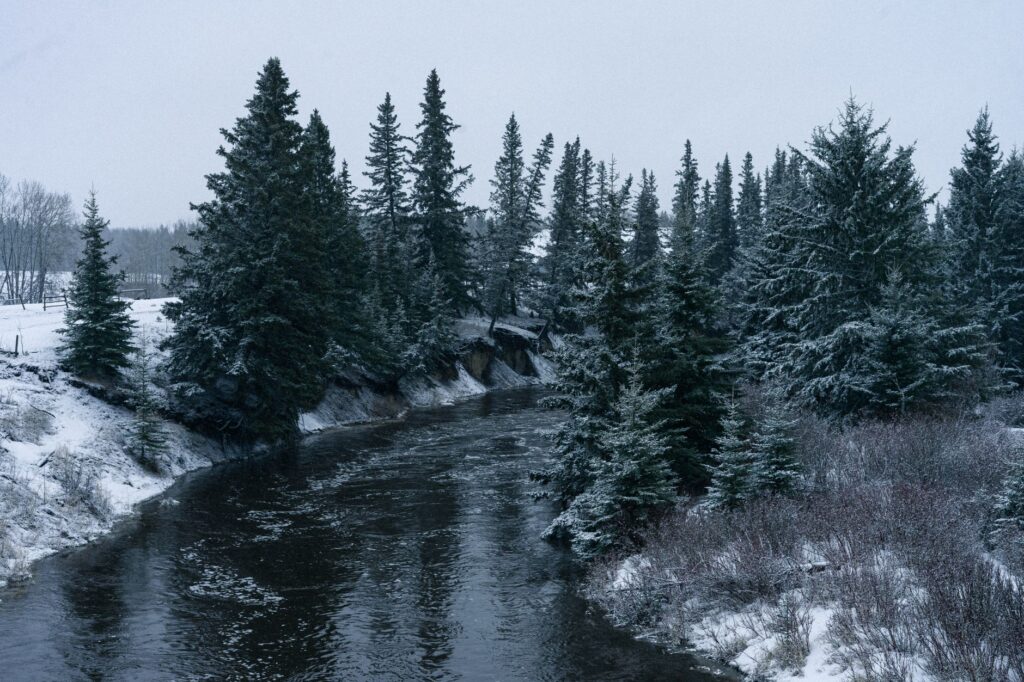
The morphology of the North Saskatchewan River valley in Edmonton is the direct result of post-glacial geological processes that left an indelible mark on the landscape. The steep slopes descending toward the main channel are covered by dense riparian forests dominated by trembling aspens, white spruces, and native willows. This linear forest ecosystem functions as a natural sponge that regulates runoff, prevents erosion of clay soils, and provides shelter for numerous species of medium-sized mammals, migratory birds, and pollinating insects.
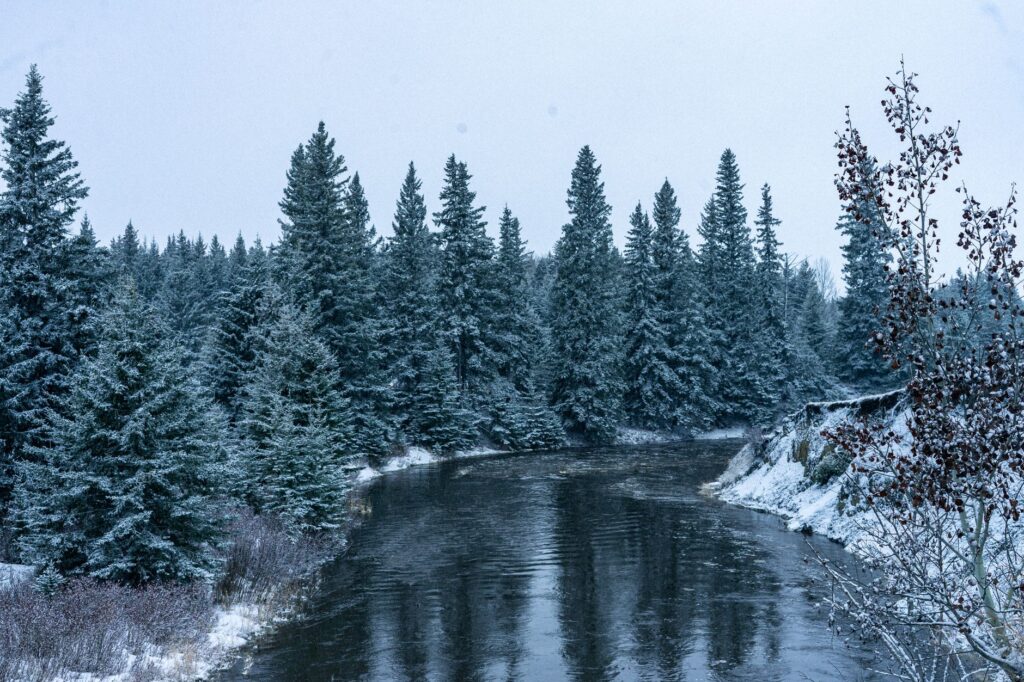
Along this green corridor, riparian vegetation plays a fundamental role in water purification and in mitigating the effects of local climate change. Tree roots stabilize riverbanks against sudden floods caused by heavy rains or spring thaws, while the tree canopy offers shade and maintains suitable temperatures in aquatic microclimates. The interaction between wooded zones and temporary wetlands generates structural complexity that maximizes biodiversity in a latitude where environmental conditions are often severe for wildlife.
Wildlife and Seasonal Adaptation Strategies
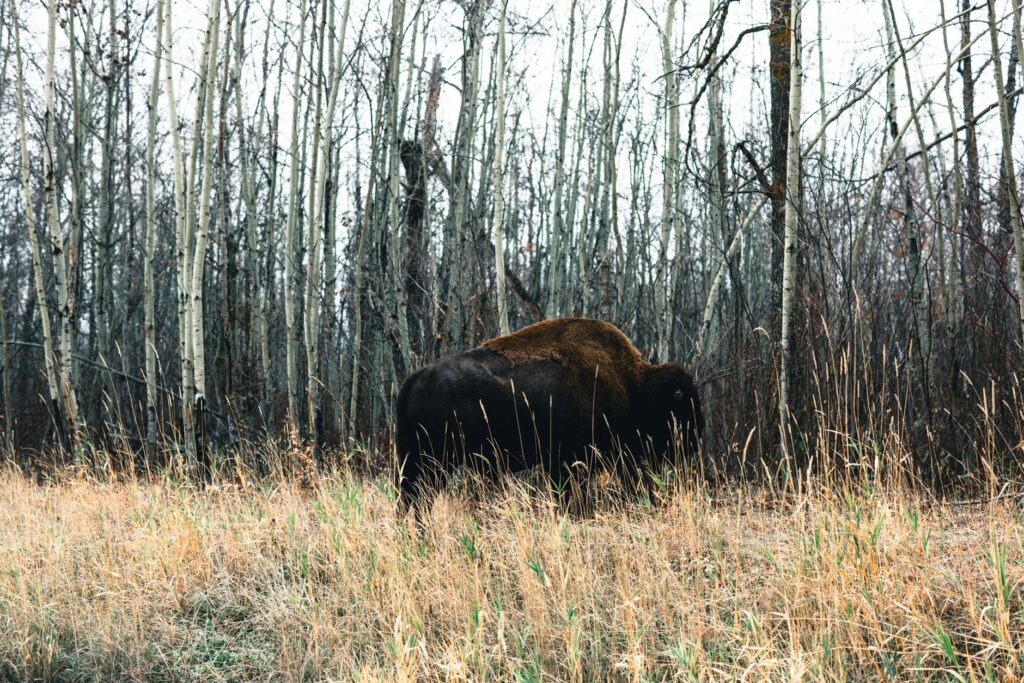
The fauna inhabiting Edmonton’s aquatic and terrestrial ecosystems displays a remarkable capacity for resilience against Canada’s extreme seasonality. During the coldest months, when the surface of the river and urban ponds freezes over, mammals such as the Canadian beaver, coyote, and white-tailed deer deploy specialized behaviors to ensure their survival. Beavers, considered fundamental ecological engineers, actively modify the course of smaller streams to create ponds that guarantee access to food beneath the ice and protect their lodges from terrestrial predators.
Meanwhile, birdlife utilizes the Saskatchewan valley as an essential migratory route during spring and autumn. Hundreds of species of waterfowl, raptors, and passerines find in this corridor an indispensable resting and feeding ground to complete their long transcontinental journeys. The conservation of these stopover habitats not only benefits migratory avifauna but also enriches the region’s ecological heritage, turning Edmonton’s natural spaces into living laboratories for scientific observation and environmental education.
Hydrological Balance and Basin Management
Maintaining water quality in the North Saskatchewan River is an absolute priority for the environmental sustainability of Edmonton and downstream communities. The watershed faces pressures derived from agricultural activity, urban development, and climatic variability, demanding rigorous monitoring programs and discharge control. Local institutions work in collaboration with university research centers to periodically evaluate biological and chemical indicators of the flow, ensuring that dissolved oxygen levels and nutrient concentrations remain within healthy parameters.
Likewise, the protection of underground aquifers and small tributary streams feeding the main system is vital to prevent the fragmentation of the aquatic habitat. Territorial planning policies in Edmonton prioritize the creation of protective buffers along riverbanks, prohibiting construction in zones of high ecological sensitivity. These preventive measures reduce the impact of contaminated urban runoff and allow natural filtration and purification processes to operate without excessive human interference.
The health of an urban river is measured not solely by the clarity of its waters, but by the capacity of its valley to harbor wildlife and offer refuge to the human spirit.
Community Initiatives and Low-Impact Conservation
The commitment of Edmonton’s citizenry to protecting their natural environment is demonstrated through numerous volunteer initiatives and citizen science programs. Local organizations coordinate reforestation drives with native species, waste cleanup in riparian areas, and monitoring of amphibian and bird populations. These collective actions foster a deep environmental awareness among residents, transforming the recreational use of natural spaces into an experience of active learning and respect for local biodiversity.
Public access to the valley parks is managed under strict low-impact criteria to prevent trail degradation and wildlife disturbance during breeding seasons. Elevated boardwalks and strategic viewing platforms have been installed, allowing visitors to enjoy the landscape without trampling fragile vegetation or interfering with biological corridors. This balanced approach proves that citizen enjoyment of nature can be successfully reconciled with the strict conservation of wild habitats within an expanding metropolitan environment.

Cultural and Historical Heritage Linked to Water
The relationship between Edmonton’s residents and their aquatic environment possesses deep historical roots dating back to the indigenous communities that traditionally inhabited the Alberta region. The North Saskatchewan River functioned for millennia as a fundamental communication route for commerce, cultural exchange, and the subsistence of First Nations peoples, who developed a profound understanding of ecological cycles and local wildlife behavior. This historical legacy endures in local toponymy, traditions, and the city’s collective memory.
With the arrival of European explorers and traders in the 18th and 19th centuries, the riverbanks transformed into pivotal hubs for establishing trading posts and permanent settlements that laid the foundation for the modern metropolis. Today, local museography and interpretation centers integrate this historical narrative with scientific outreach, reminding visitors that Edmonton’s urban development has been inextricably linked to the generosity and natural limits of its primary water resource.
Practical guide
How to get there: Edmonton International Airport (YEA) connects the city with major domestic and international destinations via regular flights. From the terminal, access to the city center takes approximately thirty minutes by vehicle or through shuttle bus services.
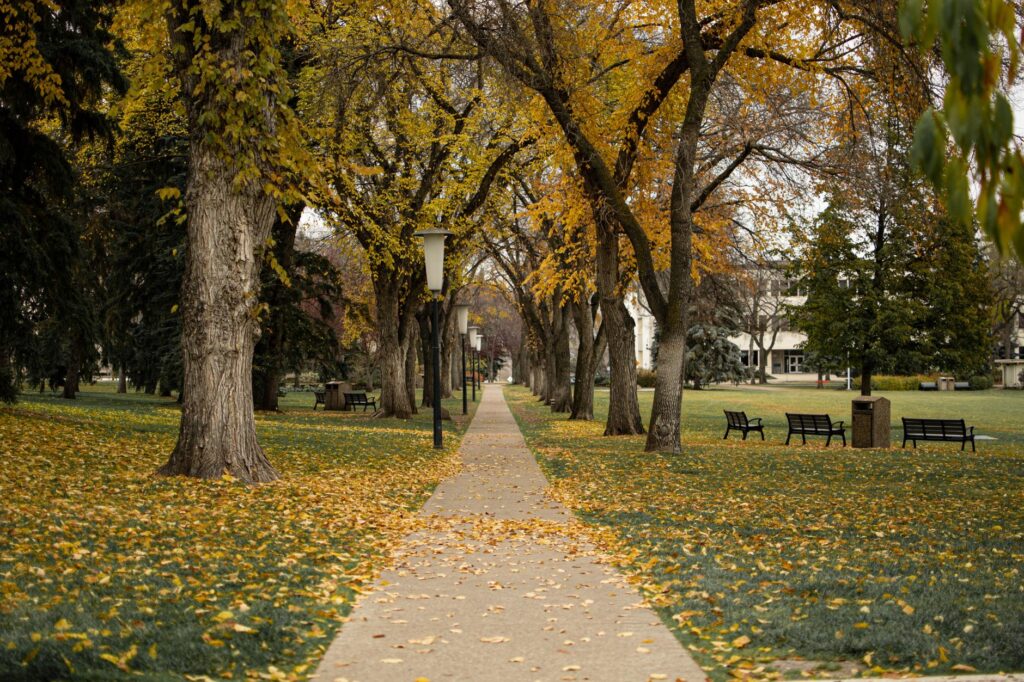
When to go: The summer months, from June to August, offer pleasant temperatures and prolonged daylight, ideal for exploring natural trails. Spring and autumn provide unique landscape spectacles related to bird migrations and the changing foliage in riparian forests.
Where to stay: Edmonton features a wide range of accommodation options, ranging from boutique establishments located in historic districts to sustainable choices integrated near the valley’s natural parks.
Visiting recommendations: It is essential to respect marked trails in protected areas and maintain a safe distance from local wildlife, especially large mammals during their breeding periods.
Local regulations: Disposing of waste in natural spaces, lighting fires outside designated areas, or feeding wild animals is strictly prohibited to preserve their natural behaviors.
Final Reflection on the Balance Between City and Nature
The coexistence between a major urban area like Edmonton and the delicate ecosystems of the North Saskatchewan River constitutes an inspiring model of environmental management within the Canadian context. The preservation of this vast green corridor amidst the Alberta plains demonstrates that human progress does not have to sacrifice natural heritage, but can instead be enriched by it. Contemplating the sunset over the forested slopes of the valley, one realizes that a region’s true wealth lies in its capacity to protect the water sources and wildlife that sustain the planet’s equilibrium for future generations.