
Origins and Waterborne Memory
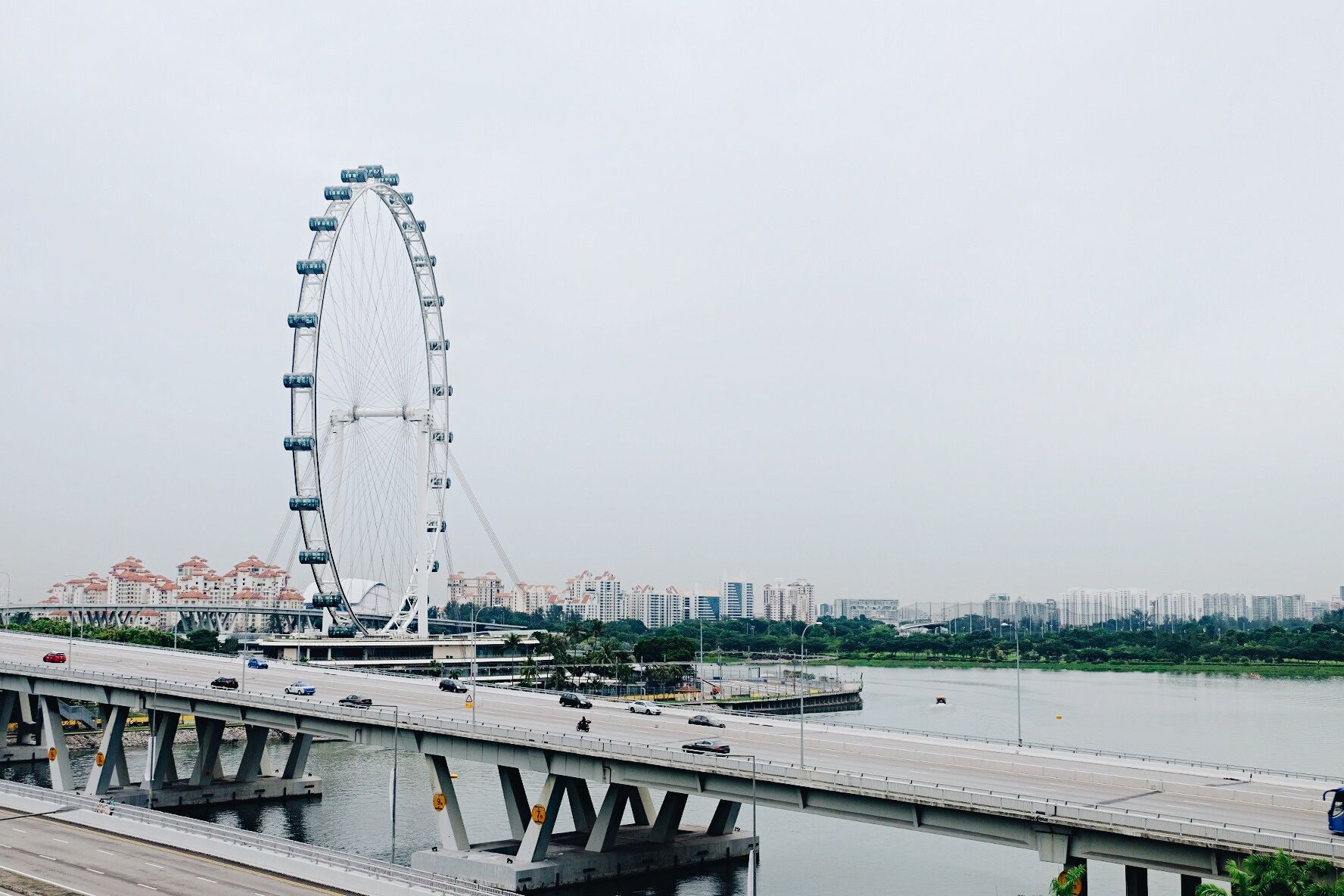
The district of Kallang, located in the central region of Singapore, holds a profound history tied to its namesake river. Far from being a mere geographical feature, the waterway has acted for centuries as the structuring axis upon which early fishing communities, traditional shipyards, and commercial docks connected the island to the rest of Southeast Asia. With a population exceeding one hundred thousand residents today, this area has successfully transitioned from its modest swampy origins into an enclave where the industrial past enters into direct dialogue with architectural modernity and public spaces designed for collective well-being.
Local chronicles recall that the Kallang River witnessed the arrival of early trading vessels and a subsistence lifestyle based on mangrove gathering. As the city-state underwent rapid demographic and economic growth during the twentieth century, the riverine environment underwent profound interventions. However, rather than completely erasing the traces of its past, contemporary urban planning has sought to integrate pre-existing elements into a landscape that prioritizes pedestrian accessibility, environmental integration, and the preservation of community memory.
Iconic Architecture and Sporting Heritage
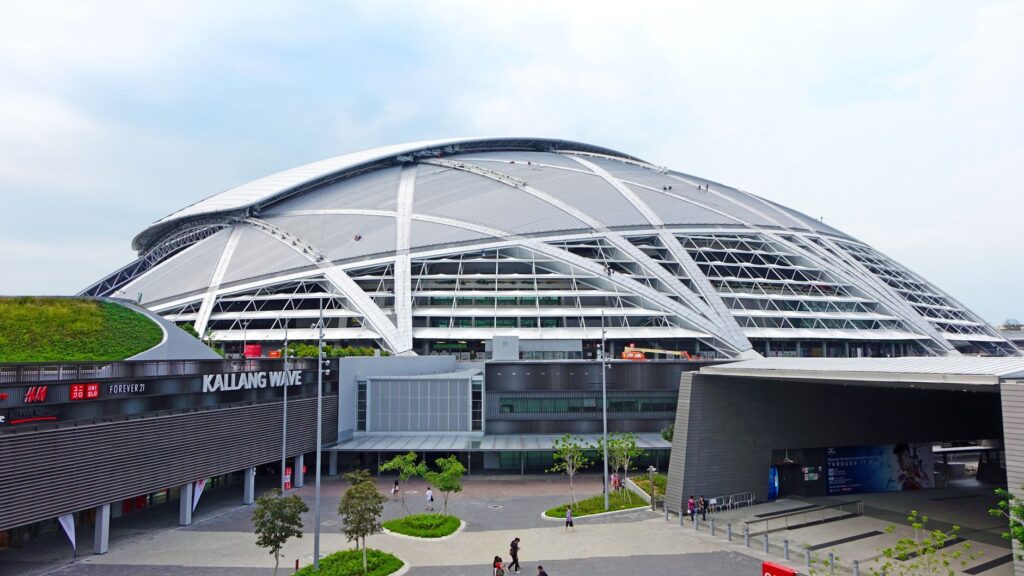
One of the most recognizable milestones in Kallang’s urban landscape is its historical link with sports and large civic gatherings. For decades, the former National Stadium functioned as the emotional epicenter of the entire nation, hosting international sporting events, national parades, and memorable concerts from the late 1970s onward. The subsequent redevelopment of this entire strip gave way to a cutting-edge multifunctional complex that redefines how citizens interact with large-scale facilities.
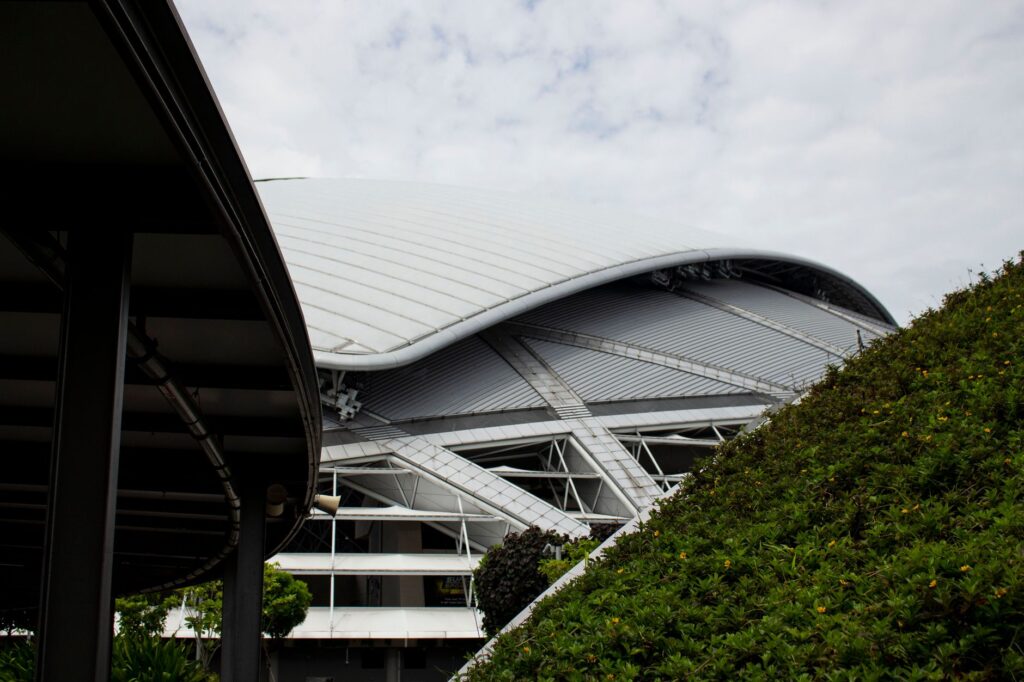
The colossal dome of the current sports venue stands out on the skyline, becoming an architectural benchmark that combines high structural technology with sustainable climate control solutions adapted to the tropical climate. Far from isolating itself as a closed monolith, the complex opens up through elevated pedestrian promenades, open plazas, and landscaped rooftops that allow residents to stroll, jog, or rest while observing the steady flow of the river and the city skyline. This approach demonstrates that urban design can serve as a tool to unify the community and foster active lifestyles without sacrificing aesthetic elegance.
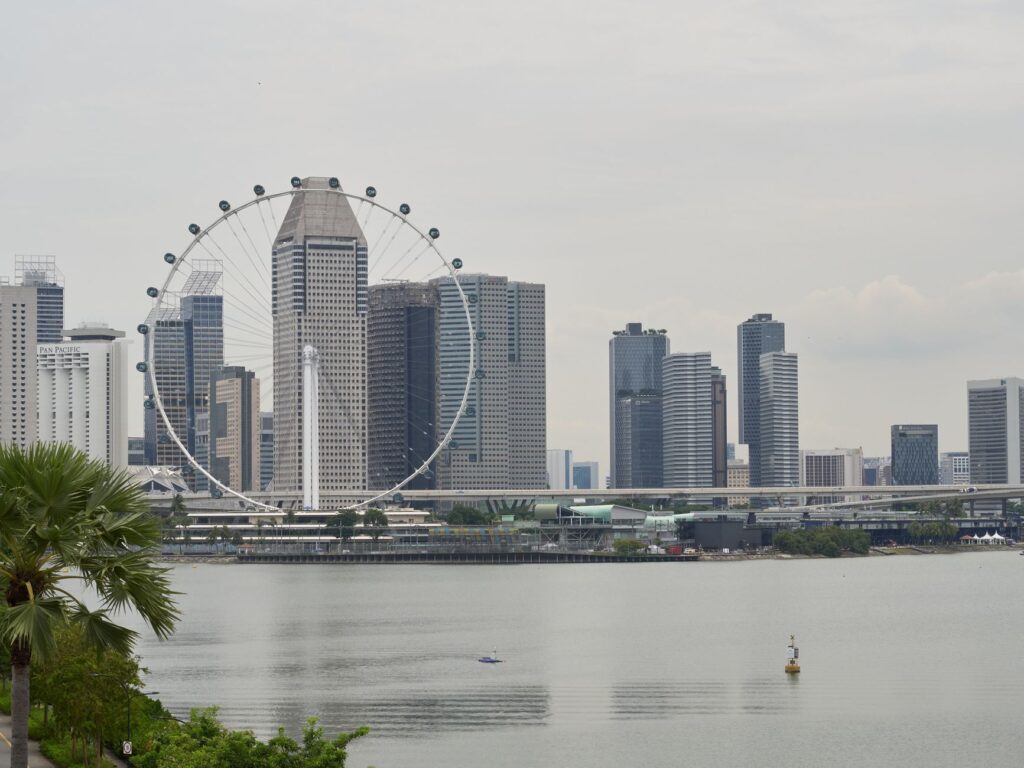
Daily Life in Residential Neighborhoods
Beyond the major infrastructure, daily life in Kallang unfolds within a diverse residential fabric where public housing blocks coexist with older, low-rise buildings. The interior streets and traditional wet markets offer a genuine perspective of Singaporean urban life, where the culinary traditions of various communities converge in a shared space. Here, local commerce and small artisanal workshops sustain a proximity economy that contrasts subtly with the large shopping malls of the financial center.
Responsible visitor decisions find an ideal setting in this environment to observe how coexistence is managed in one of the densest metropolises on the planet. The linear parks bordering the river are equipped with rainwater biofiltration systems and educational signage explaining the native flora and fauna. In this way, the public space not only fulfills a recreational function but acts as an open classroom where both residents and outsiders learn about the importance of urban sustainability and respect for river ecosystems.
Commercial Fabric and Food Markets
The daily pulse of Kallang beats with particular strength in its food markets and hawker centers, spaces recognized for their intangible cultural value. In these venues, the preparation of traditional dishes is passed down from generation to generation, constituting a living archive of Singapore’s multicultural identity. The spatial arrangement of these popular dining halls encourages intergenerational encounters and open socialization, becoming the neighborhood’s true shared dining room.
Urban designers and local architects have focused on the respectful modernization of these public facilities. Improved natural ventilation systems, efficient lighting, and visible recycling areas have been incorporated to facilitate waste management without altering the vibrant atmosphere that characterizes these gathering spots. The interaction between food stalls and the surrounding green areas generates a fluid transition between gastronomic bustle and the tranquility of the aquatic landscape.
Sustainability and River Planning
The cleanup of the Kallang River and its tributaries constitutes one of the greatest environmental achievements of modern urban planning in the region. What was once a waterway affected by intense industrialization and a lack of sanitary infrastructure is now a clean channel integrated into the drinking water reservoir and public recreation system. This milestone was not the result of chance, but of a comprehensive program ranging from the resettlement of polluting industries to the construction of artificial wetlands.
«The true transformation of an urban environment lies not in the demolition of its past, but in the capacity to clean its waters and return them to the community’s use and enjoyment.»
Today, the riverbanks are utilized for water sports such as canoeing and rowing, regulated activities that coexist harmoniously with the protection of local biodiversity. Migratory bird species and native fish have returned to the area, demonstrating that human intervention, when planned with scientific rigor and ecological sensitivity, can regenerate complex natural habitats right in the metropolitan heart.
Urban Art and Community Expression
Kallang’s cultural identity is also expressed through artistic interventions scattered across its public space. Large-format murals, kinetic sculptures, and temporary installations commissioned from local artists narrate the social evolution of the district, from the old piers to the digital age. These artistic expressions act as visual anchor points that enrich the walker’s experience and reinforce a sense of belonging among residents.
Unlike enclosed museums, art in Kallang is accessible and permeable, integrated into pedestrian routes and beneath bridges connecting the different banks. This approach democratizes culture and turns the simple act of walking through the neighborhood into a constant exercise of aesthetic discovery. Local authorities and neighborhood associations collaborate closely to curate these displays, ensuring they faithfully reflect the diversity and dynamic spirit of the community.
Practical guide
How to get there: The Kallang district boasts excellent connectivity thanks to the Mass Rapid Transit (MRT) underground system, with several stations strategically located on the East-West and Circle lines, providing easy access to any point in the area.
When to visit: The months between February and Cpril typically record lower rainfall, making outdoor walks along the riverside parks much more pleasant. It is recommended to start tours early in the morning to avoid peak solar radiation hours.
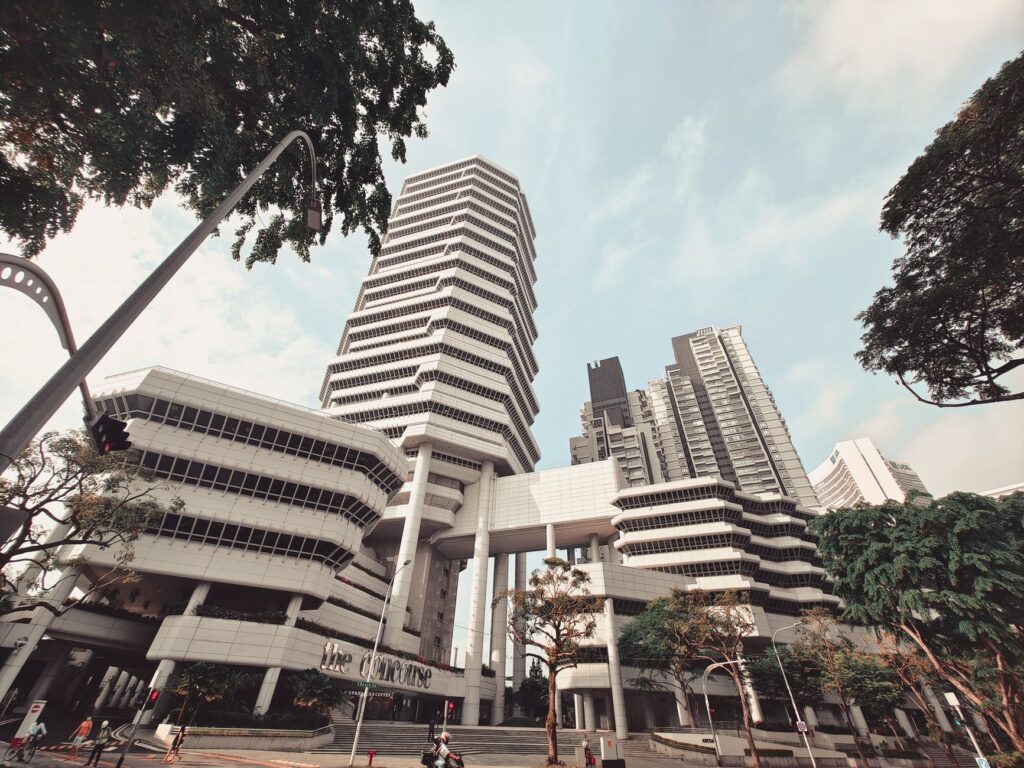
Where to walk: The trail running alongside the Kallang River from the reservoir to its mouth at Marina Bay offers the most complete route to appreciate the combination of modern architecture, ecological parks, and industrial heritage.
Gastronomy: Popular food centers, or hawker centres, located near the metro stations offer a wide variety of affordable traditional dishes, where visitors should sample local specialties while observing cleanliness standards and tray-return norms.
Code of conduct: Visitors are advised to maintain a respectful attitude in residential and natural spaces, utilizing available recycling bins and avoiding single-use plastics during visits to the river parks.
Final Reflection on Landscape and Time
Walking through Kallang makes it clear that contemporary cities are not static artifacts, but organisms in perpetual negotiation with their natural surroundings. The way this sector of Singapore has managed its transition from a forgotten wetland to a model of sustainable urban design offers a valuable lesson on the importance of memory and long-term planning.
«The most enduring urban landscape is one that successfully harmonizes the human scale with the vastness of water and an uncompromised respect for shared history.»
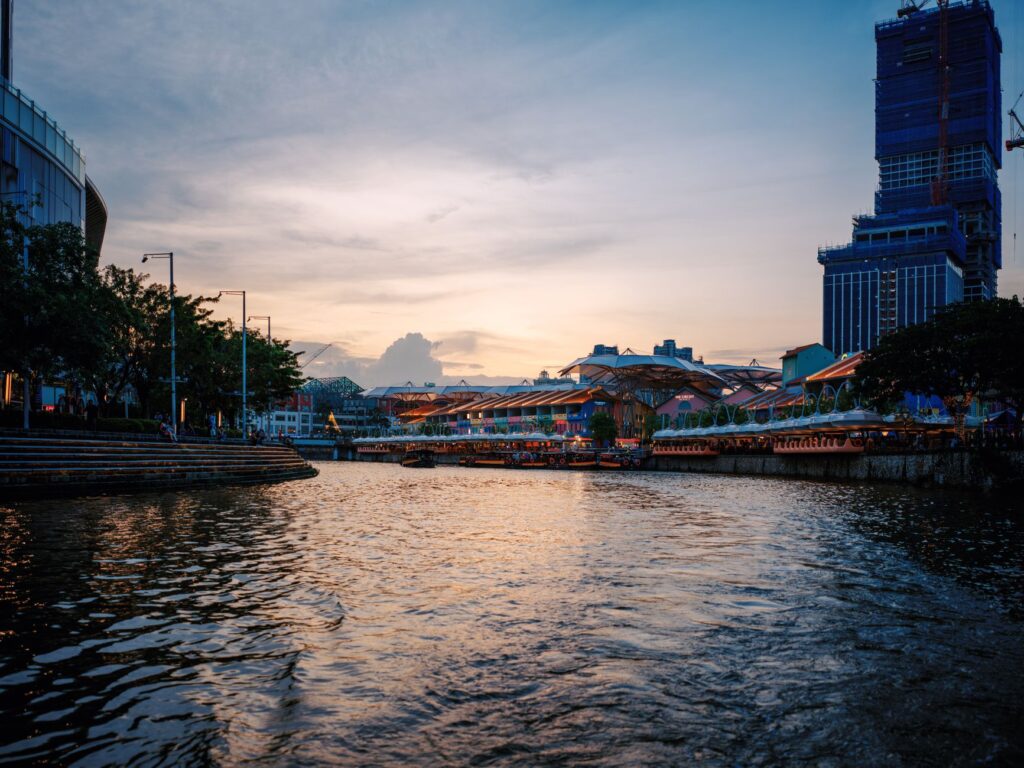
At the end of the journey, beneath the gentle light of the tropical sunset reflecting off the crystal-clear river waters, remains the certainty that well-designed spaces not only house daily life but ennoble it and project it into the future with dignity and balance.