
The Maritime Facade and Daily Rhythm of Antofagasta
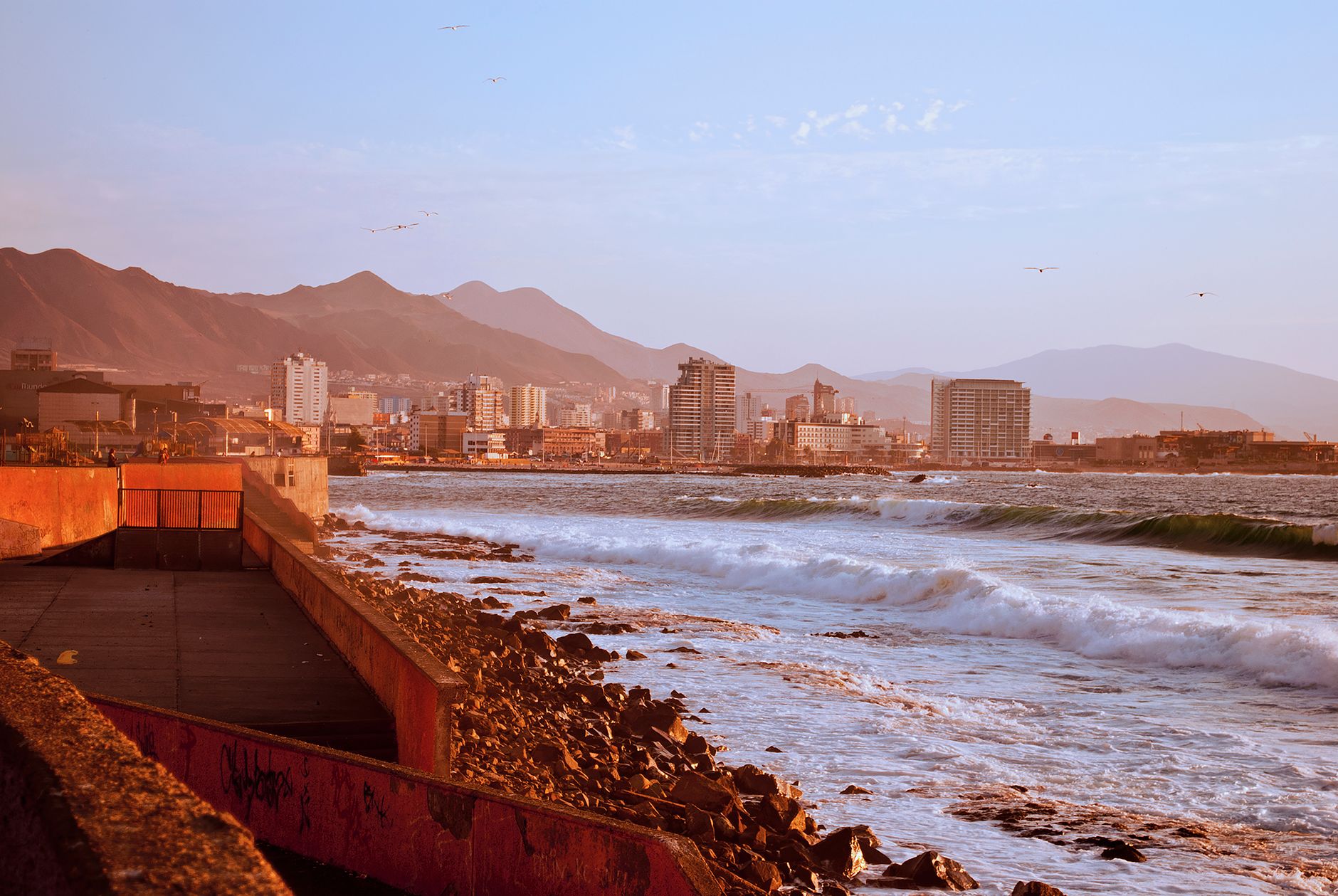
On the shores of the Pacific Ocean, sheltered by the ochre hills that mark the beginning of the most arid desert in the world, Antofagasta displays a unique urban vitality in northern Chile. The city stretches along a narrow strip where the constant movement of private vehicles, urban buses, and transport trucks traces a steady daily choreography. Far from being a mere transit point toward the inland mining deposits, this port enclave blends its nitrate heritage with a contemporary dynamic focused on commerce, education, and services. The first lights of dawn illuminate the coast, where the sea breeze mixes with the sound of engines powering the workday of thousands of residents.
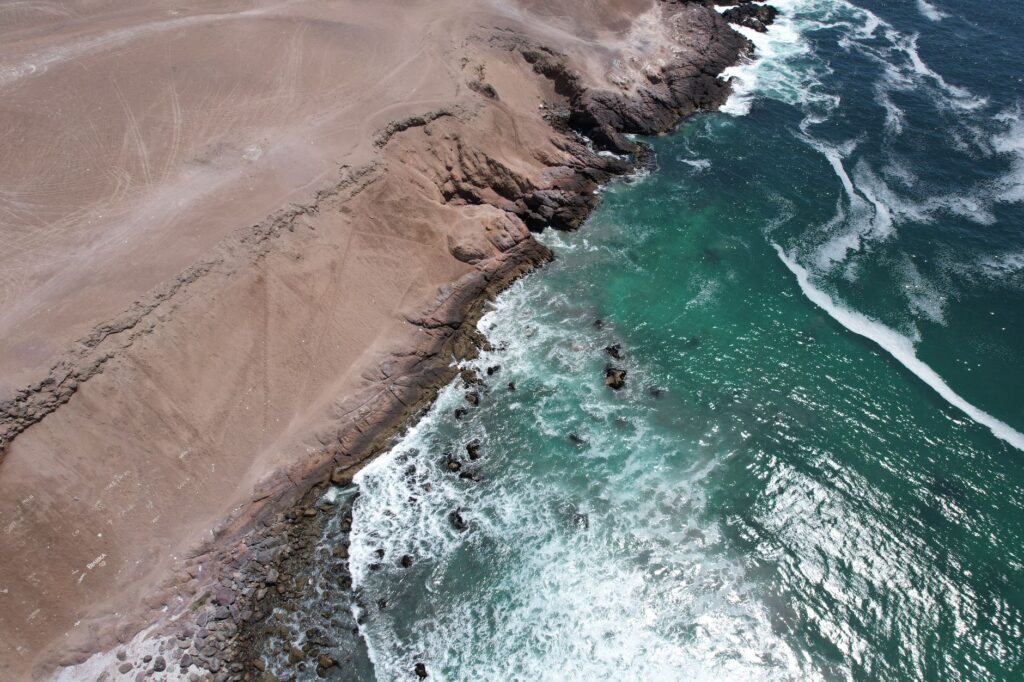
The urban layout responds to a longitudinal expansion imposed by geography. To the east, the desert slopes present an impassable boundary; to the west, the constant crashing of ocean waves accompanies those traveling from north to south. This topographical condition turns the road arteries into the circulatory system that sustains social cohesion. Every morning, bus stops fill with workers, students, and families moving from peripheral residential neighborhoods toward the historic and commercial center. Mobility is not merely a technical matter of displacement, but a reflection of a community that has learned to adapt to an extreme environment through the efficient organization of its resources and infrastructure.
Coastal Avenues and the Geography of Movement
The backbone of urban movement in Antofagasta rests on its system of avenues running parallel to the coast. The Costanera Avenue and interior arteries act as the main channels through which daily activity flows. Along these routes, vehicular traffic combines with cyclists and pedestrians enjoying open spaces facing the sea. Local land transport planning must contend with the high density of heavy vehicles connecting local ports with national routes toward the desert. This coexistence between industrial traffic and public transport requires constant attention from urban planners and citizens alike.
The use of collective transport relies primarily on a network of urban buses, known locally as micros, covering the city’s various districts. These units connect the northern and southern residential neighborhoods with centers of economic activity. The punctuality and frequency of these services determine the rhythm of working life in the city. Urban public transport acts as the great articulator of territorial equity, allowing districts distant from the center to maintain fluid connections with health facilities, schools, and supply centers. Likewise, shared taxis complement the mobility network, offering shared rides that speed up commutes during peak demand hours.
Interurban Transport and the Gateway to the Desert
Antofagasta’s connectivity extends far beyond its municipal boundaries. As the capital of the region of the same name, the city functions as the central node linking the Chilean coast with the high-altitude mining settlements and neighboring communes through a robust long-distance bus network. The overland transport terminal is a constant hub of passengers traveling for work, family, or tourism. From there, buses depart toward Calama, San Pedro de Atacama, and other key points in the northern territory, cementing the city as a crucial communications hub amid the desert.
Routes winding toward the interior demand vehicles prepared to handle extreme temperature fluctuations and steep inclines. Intercity transport operators coordinate daily departures that guarantee supplies and mobility for thousands of workers alternating their days between mining camps and coastal homes. This pendulum dynamic defines much of Antofagasta’s demographic identity. The constant circulation of people between the mountain range and the sea forges a mobility culture where distance is measured in travel hours and in the resilience required by a geographically challenging landscape.
Railway Heritage and Its Mark on Collective Memory
The history of transport in Antofagasta is inextricably linked to the boom era of the nitrate industry. At the end of the 19th century and the beginning of the 20th, railway construction completely transformed the economy and landscape of northern Chile, enabling the extraction of mineral wealth from the depths of the desert to shipping docks. Although passenger rail transport has declined significantly amid the expansion of highways, railway heritage remains alive in urban memory and in the industrial buildings still preserved across the city.
Old stations, workshops, and warehouses recall a time when the whistle of the locomotive set the pace of daily life. Today, several of these structures have been integrated into the urban landscape as reminders of an industrial past that laid the foundations for regional development. Citizens recognize these vestiges as symbols of collective effort and resilience. Preserving this architectural heritage allows new generations to understand how engineering and human labor overcame extreme drought to connect an isolated territory with international commerce.
Neighborhood Life and Daily Integration
Beyond the major avenues and commercial routes, daily life in Antofagasta is experienced in its residential neighborhoods, where the local transport network facilitates neighborhood interaction. From the upper sectors scaling the foothills of the mountain range to the housing estates alongside the beaches, each neighborhood possesses a distinct dynamic of movement. Bus lines adapt their routes to serve demographic growth, connecting schools, local markets, and community centers in an expanding urban fabric.
The city is understood not solely through its monuments or industry, but through the daily journey each resident makes to weave their community together.
Responsible urban mobility has become a central topic for residents. Promoting respect for pedestrian spaces, optimizing public transport use, and reducing traffic congestion are shared priorities between local administration and citizens. Residents value the relative tranquility of their coastal promenades and seek to balance urban growth with the preservation of the natural environment. Cooperation between neighbors and local authorities remains essential to maintaining adequate quality of life in a city marked by its strong industrial vocation and desert climate.
Responsible Visitor Practices
Those visiting Antofagasta discover a destination requiring a respectful approach to both its heritage and its fragile desert and marine ecosystem. The conscious traveler plays a key role by choosing efficient transport methods, such as moderate use of local public services or walking along enabled coastal areas. Water conservation and proper waste management are basic rules in a geographical region where natural resources are particularly precious. Adopting these guidelines ensures a harmonious coexistence between tourism and residents’ daily lives.
Likewise, travelers are advised to plan inland desert excursions with authorized operators complying with road safety and environmental regulations. Supporting local commerce, consuming traditional cuisine in neighborhood markets, and valuing regional cultural expressions enriches the travel experience without disrupting community peace. Visitors who understand the value of daily effort in this corner of northern Chile take away a deeper and more authentic perspective of the territory.

Practical guide
How to get there: Cerro Moreno International Airport (ANF) connects Antofagasta with Santiago and other cities through regular commercial flights. Daily long-distance bus services also connect the city with northern and central Chile via Route 5 Panamericana.
Urban transport: The local bus network (micros) and shared taxis efficiently cover main routes between the northern zone, the historic center, and the southern part of the commune. Carrying cash in local currency for fare payment is recommended.
When to visit: Thanks to its coastal desert climate, Antofagasta can be visited year-round. Summer months (December to March) feature warm temperatures, while the rest of the year offers a temperate climate with typical morning clouds caused by the camanchaca phenomenon.
Local recommendations: Applying sunscreen due to high radiation in the area, staying hydrated, and respecting road signs on coastal and desert routes are essential.
The Maritime Horizon and Final Pause
As evening falls, sunlight slowly fades over the Pacific Ocean horizon, dyeing the sky in orange and violet tones that contrast with the sobriety of the desert hills. Along the costanera, the city’s rhythm slows down imperceptibly. Families stroll along the breakwater, the last buses complete their daily routes, and the murmur of the waves reclaims its prominence in the urban landscape. Antofagasta bids farewell to each day by reminding visitors that behind its intense mining and port activity lies a community deeply rooted in its coastal geography, where every daily commute is an affirmation of life on the edge of the desert.