
Introduction to the Midwestern Urban Landscape
Situated in the heart of the state of Ohio, the city of Columbus unfolds across a continental plain that has transformed its historical layout into a benchmark for understanding North American urban evolution. Far from the hustle and bustle of major coastal metropolises, this Midwestern enclave has consolidated a distinct identity where human scale and metropolitan planning coexist in constant equilibrium. The Scioto River crosses the territory from north to south, dividing the urban fabric into sectors that combine nineteenth-century industrial heritage with contemporary residential developments. Wide streets and regular blocks reflect a planned vocation that prioritizes accessibility and visual contact with tree-lined public spaces, shaping a landscape where seasonal change decisively marks the rhythm of the community.
The presence of historical educational institutions and administrative centers has endowed Columbus with a dynamic social fabric manifested in its local markets, squares, and riverside promenades. Here, daily life is not confined to the financial center but branches out into surrounding districts where red-brick architecture and Victorian facades preserve the memory of past generations. This report examines the civic structure, community spaces, and symbiotic relationship between fluvial nature and urban architecture that define everyday life in Ohio’s capital.
The Foundational Grid and Riverfront Origins
The birth of Columbus along the banks of the Scioto River was conditioned by the need to establish a centralized administrative capital within the territory of Ohio. At the beginning of the nineteenth century, planners projected a symmetrical grid that responded both to the logistical demands of the era and the utilization of waterways. The choice of location was not accidental: the confluence of watercourses offered essential resources for the transport of goods and human settlement, laying the foundations for sustained growth over subsequent decades.
As the population increased, the city expanded its limits beyond the original riverbank, incorporating former rural nuclei and agricultural communities that now form part of its municipal identity. This process of territorial integration left an indelible mark on local architecture, characterized by the transition from modest wooden structures to solid commercial edifices of brick and limestone. Historical heritage remains alive not only in museums but in the daily fabric of neighborhoods, where former tramways have given way to pedestrian boulevards and bike lanes that foster mobility more integrated with the surroundings.
Residential Architecture and Neighborhood Cohesion
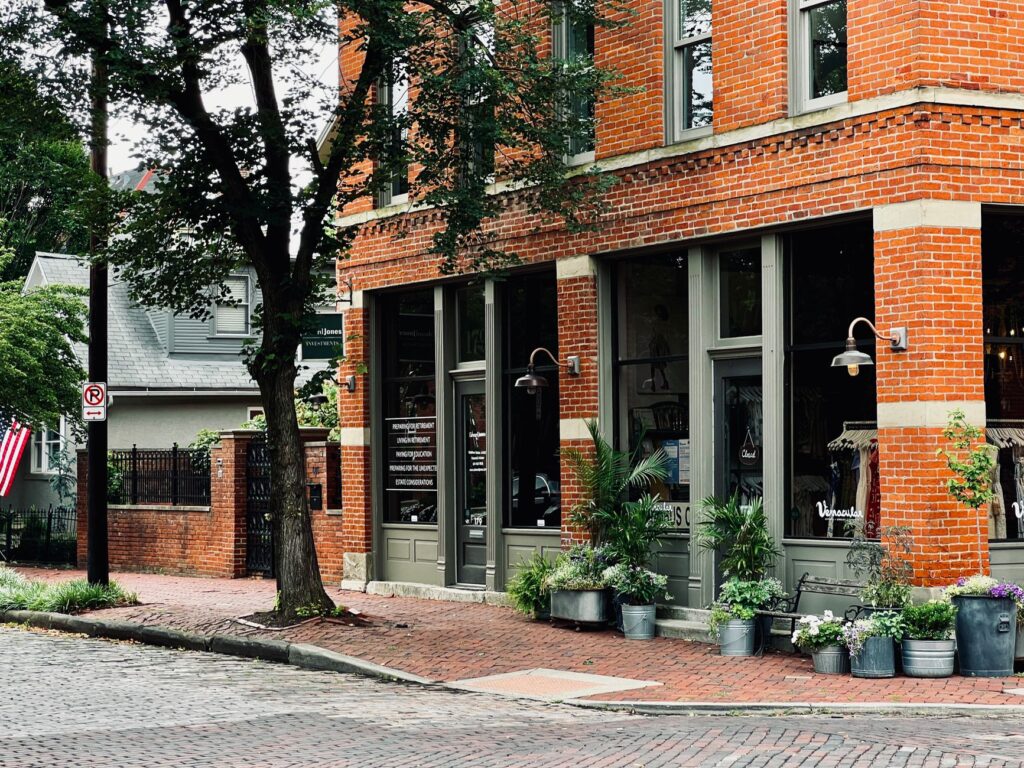
Walking through the city’s traditional neighborhoods reveals the diversity of architectural styles that have shaped local aesthetics. From Queen Anne-style houses to early twentieth-century bungalows, each district tells a story about the evolution of working and professional classes in the American Midwest. Neighborhood associations play a fundamental role in conserving these buildings, promoting preservation regulations that prevent excessive speculation and guarantee the visual continuity of the urban landscape.
In areas such as German Village, the predominant use of red brick on sidewalks and facades creates a unique atmosphere that transports the visitor to another era. Cobbled streets and small front gardens reflect a collective dedication to caring for shared space. Life in these neighborhoods revolves around tree-lined squares, independent bookstores, and small local shops that resist commercial homogenization, reinforcing a sense of belonging and social cohesion among long-term residents and newcomers alike.
The architecture of a city is not merely the sum of its monuments, but the invisible fabric of streets where the community recognizes its own everyday history.
Green Spaces and the Scioto River Corridor
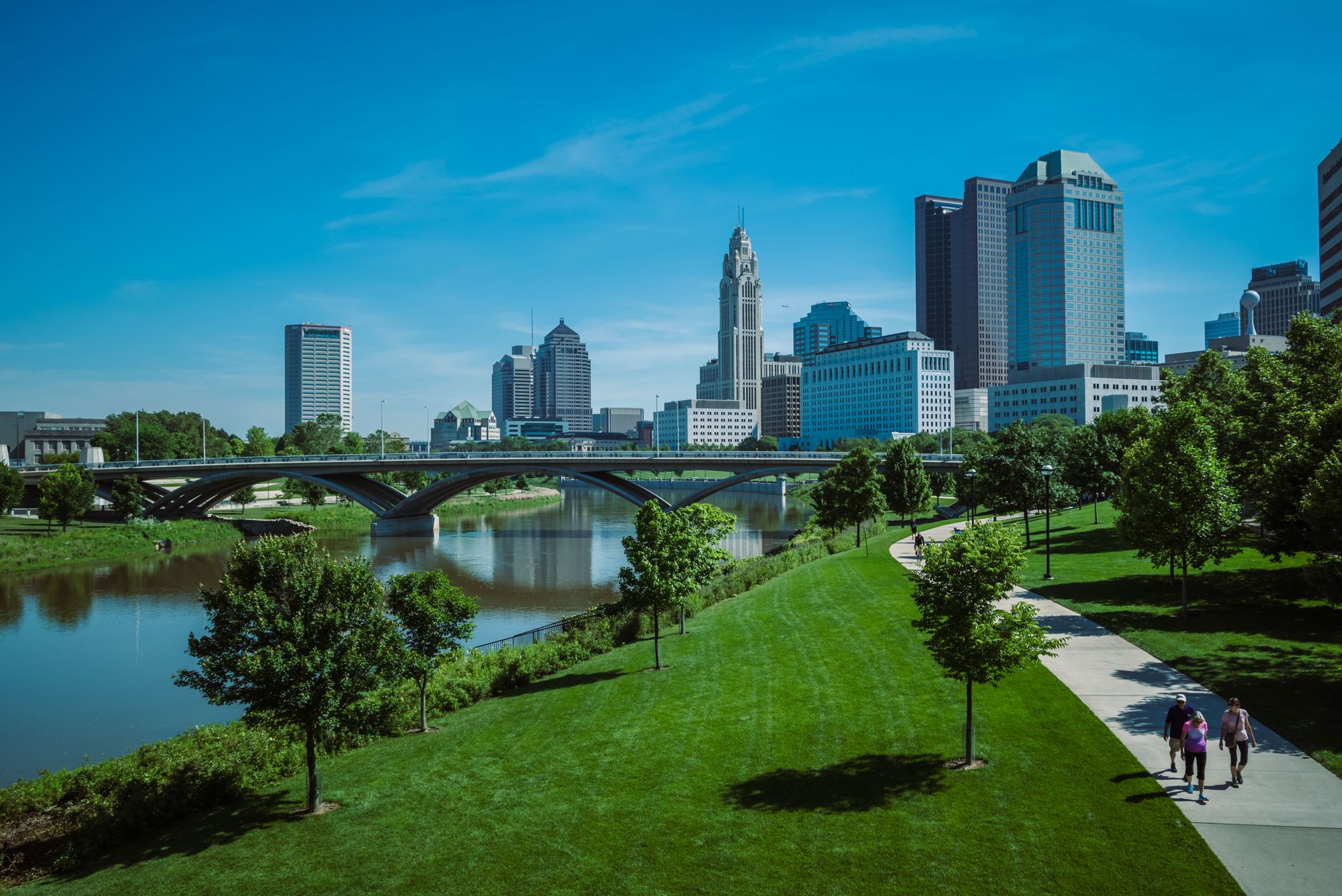
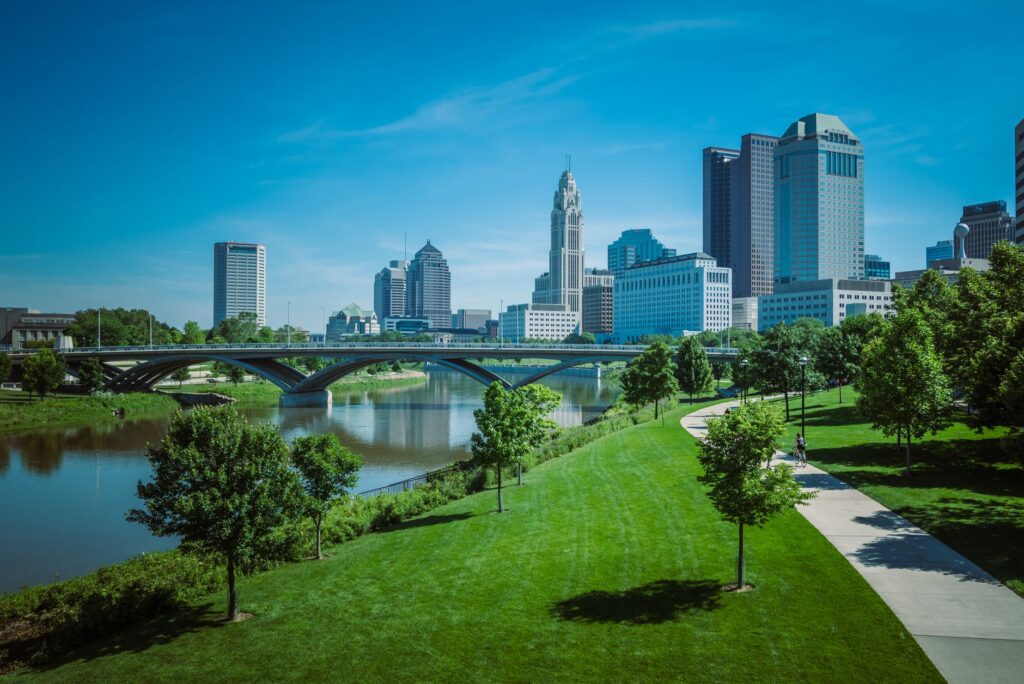
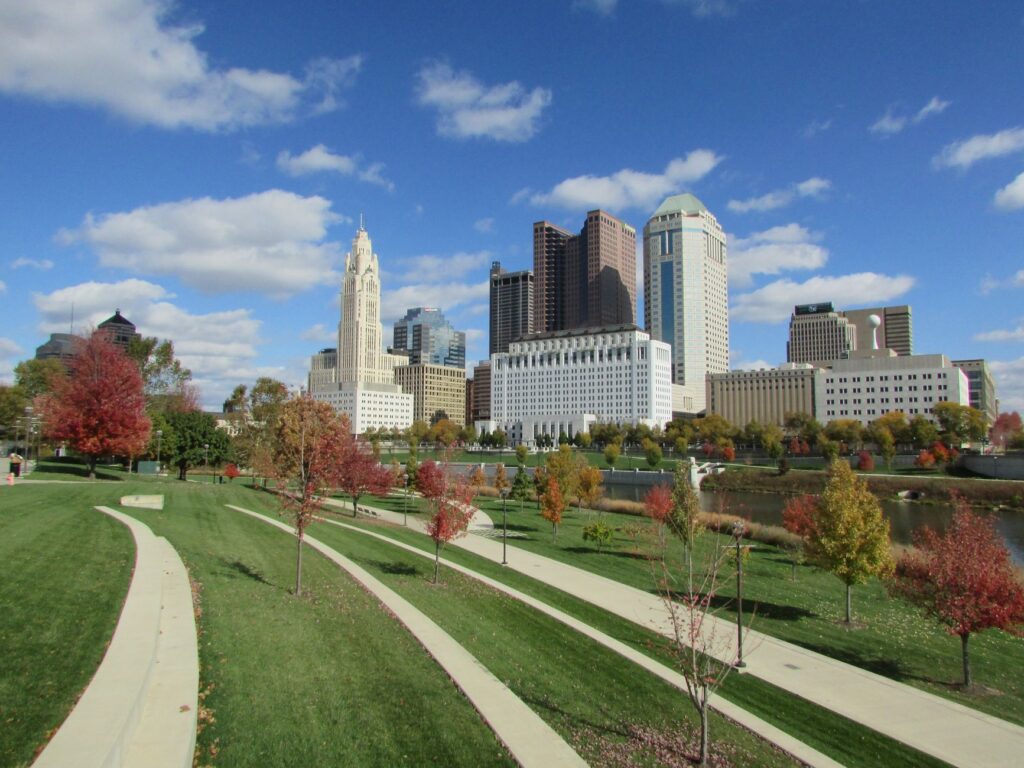
The relationship of Columbus with its natural environment finds its utmost expression in the park system bordering the Scioto River. The revitalization of the riverfront has transformed former industrial land into ecological corridors and recreational areas accessible to all citizens. These spaces fulfill not only an aesthetic function but act as indispensable green lungs to mitigate the urban heat island effect and protect local biodiversity against the advance of asphalt.
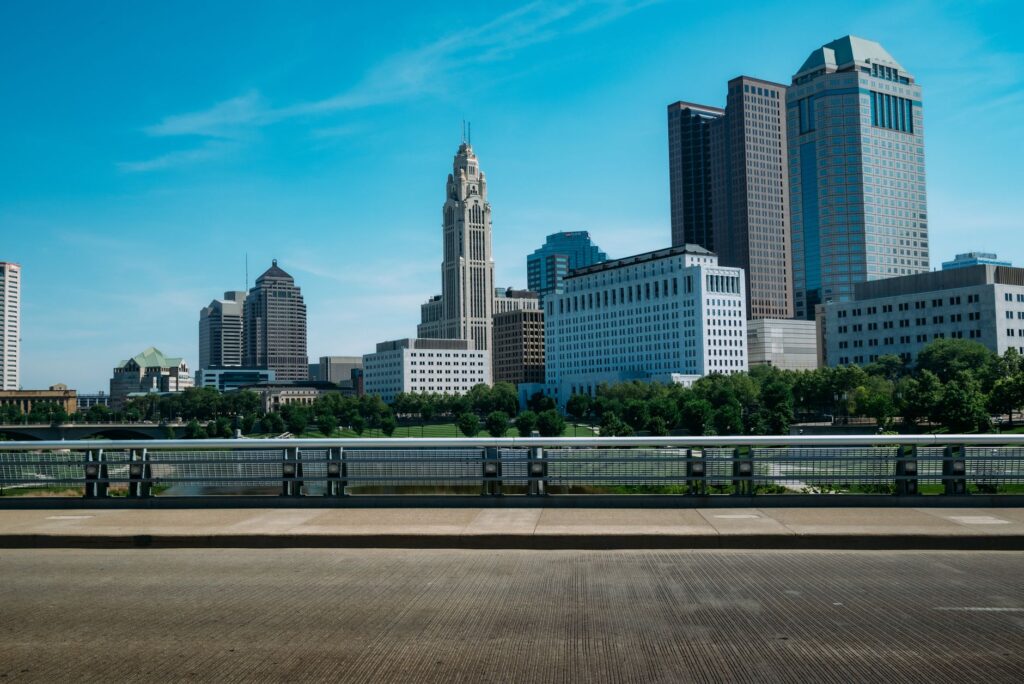
Paved trails flanking the water allow inhabitants to walk, run, or commute by bicycle while observing native fauna and riparian vegetation. During months of climatic transition, these natural corridors become intergenerational meeting points. Families, students, and workers converge on grassy lawns and pedestrian bridges connecting both banks of the river, consolidating an open public space model that fosters community physical and mental health.
Traditional Markets and Local Provisioning
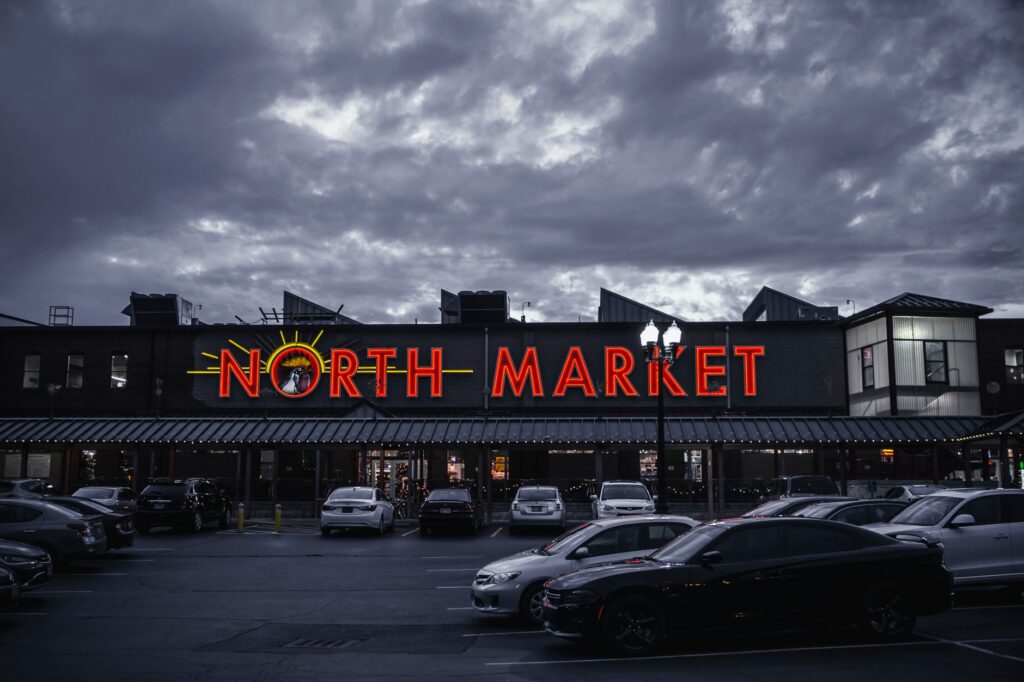
Local commerce constitutes another fundamental pillar supporting social life in Columbus. Historic markets, such as the emblematic North Market, have operated for over a century as points of convergence for farmers, artisans, and conscious consumers. Beneath their roofs intersect culinary traditions of diverse origins, reflecting the demographic diversity that has characterized the region throughout its modern history.
Unlike large peripheral retail outlets, these provisioning spaces foster a consumption model based on traceability, the seasonality of Ohio agricultural products, and direct interaction between producer and customer. Stalls featuring seasonal vegetables, local meats, and artisanal bakery generate a circular neighborhood economy that strengthens the regional productive network and reduces the carbon footprint associated with long-distance food transport.
Cultural Life and the University Pulse
The presence of one of the country’s largest academic institutions imparts a unique intellectual and creative character to the city. The cultural life of Columbus draws nourishment from the confluence of Midwestern tradition and innovation driven by the student and research community. Contemporary art galleries, independent theaters, and concert venues coexist harmoniously with science dissemination spaces and historical archives.
This dynamism translates into a constant schedule of public activities transcending university campuses to integrate into squares and civic centers. Independent film festivals, design exhibitions, and open-air book fairs mobilize thousands of people, turning the urban space into a forum for debate and artistic expression. Citizen participation in these events reinforces collective identity and positions the city as a cultural benchmark in the north-central region of the United States.
Knowledge and culture flourish when public spaces are transformed into places of open encounter for all voices in the community.
Responsible Decisions and Sustainable Mobility
In recent decades, the municipal administration and citizen groups have promoted strategies aimed at reducing the environmental impact of urban growth. Sustainable mobility has become a priority on the public agenda, encouraging bicycle use, the expansion of the electric public transport network, and the creation of safe pedestrian infrastructure in access routes to main economic activity centers.
For the responsible traveler, exploring Columbus involves adopting environmentally respectful practices: prioritizing travel on foot or by public transport, supporting local commerce in historic districts, and minimizing resource consumption in urban accommodations. These everyday actions help preserve the balance between economic development and the conservation of the natural and architectural heritage characteristic of this Midwestern capital.
Practical guide
Getting there: John Glenn Columbus International Airport connects the city with major United States transport hubs through regular flights. For those preferring land travel, the interstate network offers long-distance buses and efficient car connections.
When to visit: Spring months (May to June) and autumn (September to October) offer mild temperatures ideal for exploring riverside parks and historic neighborhoods on foot.
Local transport: The COTA bus system covers main urban routes. Additionally, the city features marked bike lanes and bicycle-sharing services in central areas.
Accommodation: Choosing boutique hotels or inns in historic districts such as German Village or the university surroundings is recommended to experience the city’s traditional architecture closely.
Gastronomy and shopping: Visiting traditional provision markets to acquire local agricultural products and support independent small producers in the Ohio region.
Visual Epilogue Along the Scioto River
As evening falls, the golden light of sunset illuminates red-brick facades and reflects upon the calm waters of the Scioto River, drawing a serene picture that summarizes the essence of Columbus. Along the banks, the final strollers of the day walk leisurely while the city discreetly turns on its nighttime illumination. This urban landscape, shaped by collective effort and respect for local memory, offers a reflective pause on the value of inhabiting spaces with awareness and deep roots.