
A Coastal Enclave of Deep-Rooted Tradition
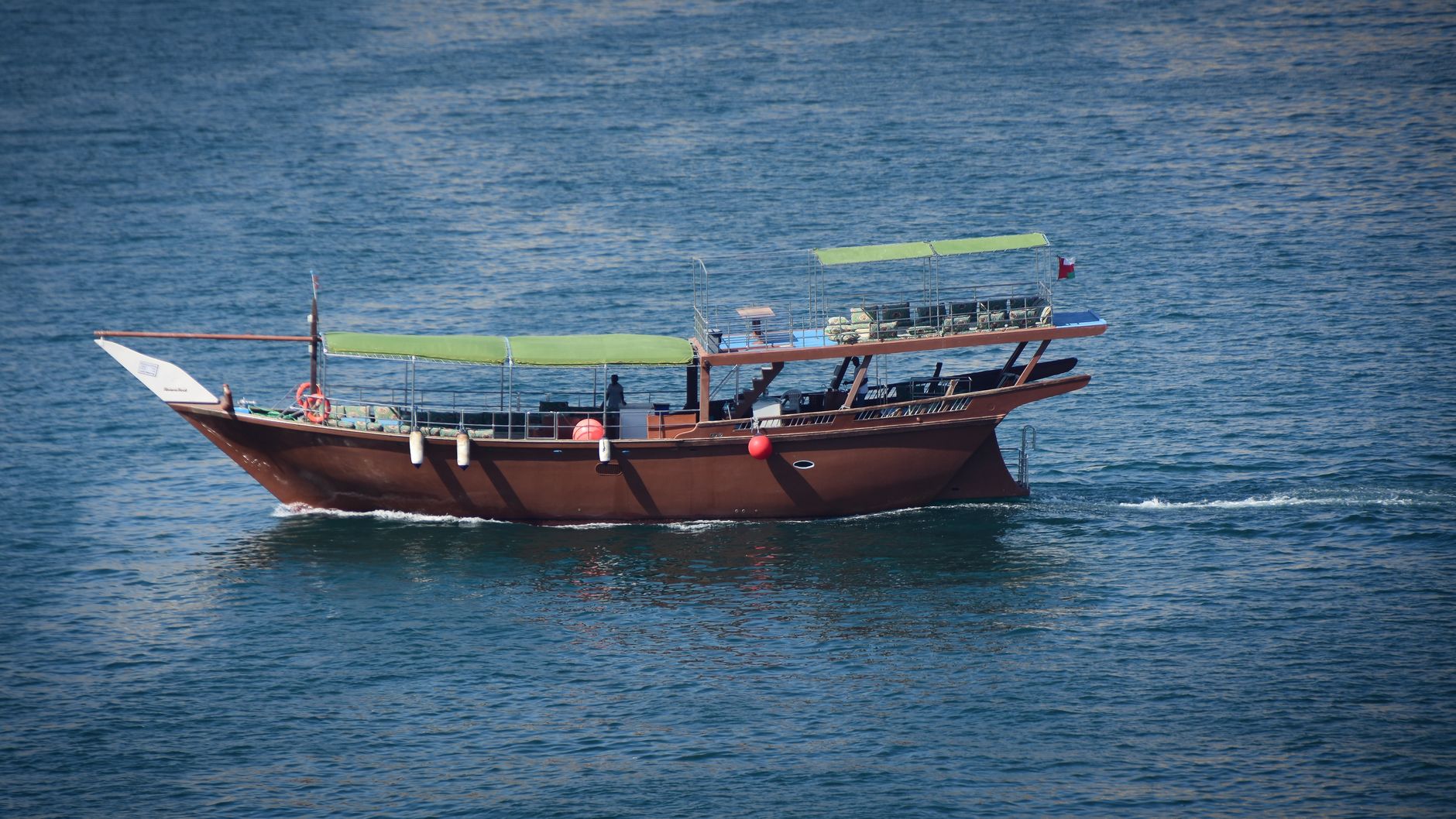
Just a short drive from the Omani capital, the town of Barkā’ unfolds as a living testament to the maritime and agricultural heritage of the Sultanate of Oman. Located within the Al Batinah South Governorate, this coastal settlement blends the refreshing breeze of the Gulf of Oman with a dense network of date palm groves that have sustained the well-being of its residents for centuries. Unlike the hyper-technological urban centers of the Arabian Peninsula, Barkā’ preserves a daily rhythm where time is measured by the tides, the solar cycle, and the coming and going of traditional fishing boats known as dhows.
The interior streets and local souks offer a genuine perspective on contemporary Omani society, where traditional hospitality is not a tourist facade, but a fundamental pillar of community life. As travelers wander through its tree-lined paths and residential quarters near the coast, it becomes evident that the community has successfully integrated modern amenities without abandoning respect for its architectural and social legacy. Every morning, the awakening of the town is marked by the hustle and bustle of fishermen unloading their daily catch and the aroma of spices and cardamom coffee drifting from small local establishments.
The Morning Pulse of the Traditional Souk
The commercial and social heart of Barkā’ beats strongly in its main market, a space where goods from the coastal strip converge with produce brought from the country’s interior. In the early morning hours, farmers and merchants display seasonal fruits, vegetables harvested in the fertile surrounding valleys, and a wide variety of fresh fish straight from the waters of the Gulf. This souk is not merely an economic exchange point, but an intergenerational meeting ground where locals discuss weather conditions, market prices, and community news.
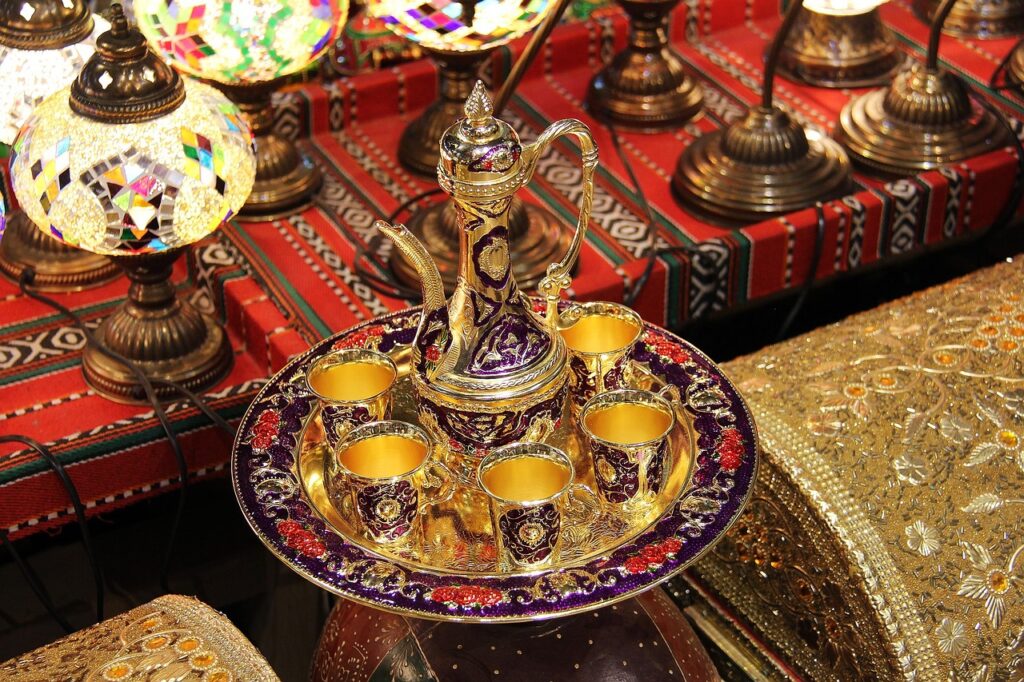
In this environment, everyday details reveal the artisanal and commercial mastery that has characterized the region for generations. Local handicraft stalls showcase basketry woven from palm fronds, traditional kitchen utensils, and a select display of Dhofari frankincense, highly prized in Omani homes. The atmosphere of the market is nourished by subdued voices, ceremonial greetings, and the constant movement of buyers seeking top-quality fresh produce, keeping alive a tradition of direct commerce that contrasts with the anonymity of large shopping centers.
The Memory of the Coast and Ancestral Navigation
Barkā’s relationship with the sea is unbreakable and defines a large part of its cultural identity. For centuries, the Al Batinah coastal strip functioned as a natural harbor and a launching point for navigators plying trade routes toward India, East Africa, and Mesopotamia. Although today’s local fishing fleet has incorporated modern technology into its engines and navigation systems, traditional fishing techniques and a profound understanding of marine currents continue to be passed down from parents to children with rigorous devotion.
Strolling along the shore at sunset allows observers to witness the return of the boats, a silent ritual that gathers onlookers and neighbors on the beach. Fishermen check their nets under the golden light of dusk while gulls glide over the coast in search of scraps. This visceral bond with the sea is also reflected in local gastronomy, based on spiced rice, charcoal-grilled fresh fish, and broths flavored with dried black lemons (loomi), an essential ingredient condensing the flavors of traditional Omani cuisine.
Defensive Architecture and Historical Heritage
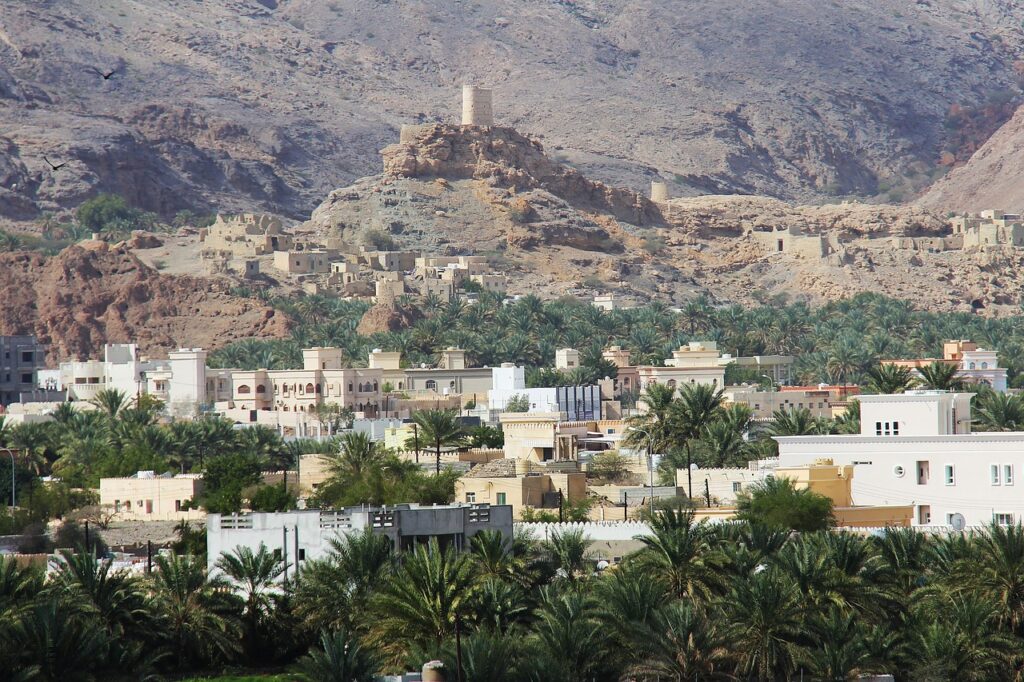
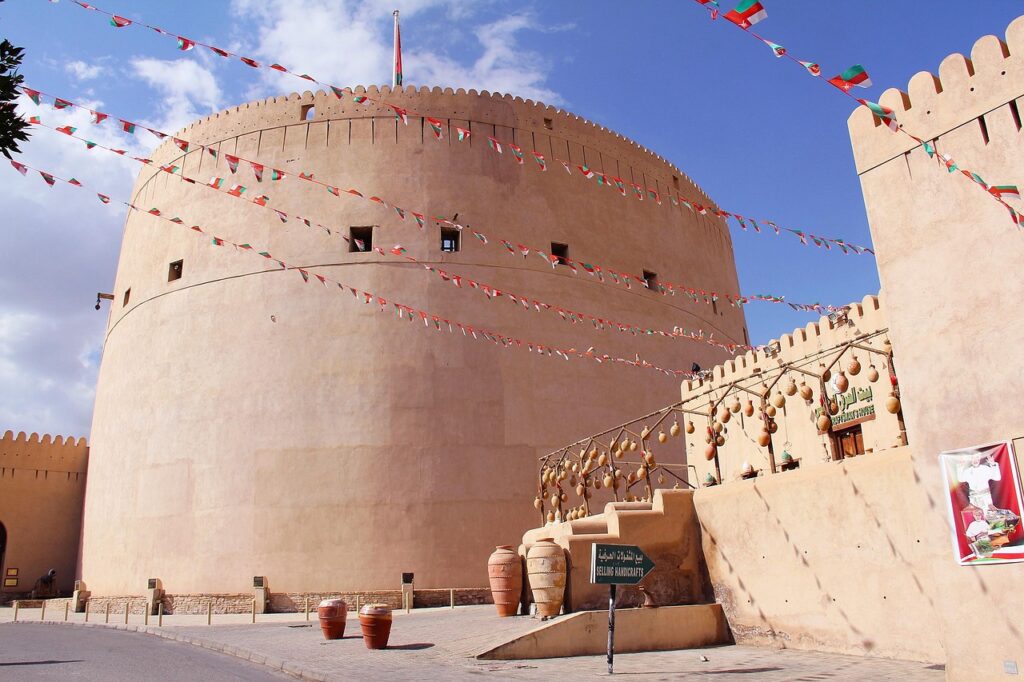
The urban and peri-urban landscape of Barkā’ is dotted with watchtowers and fortresses made of adobe and stone, recalling the strategic importance the region held in the past. These defensive structures, erected at elevated points to control both access from the sea and land routes toward the mountains, stand out for their aesthetic sobriety and ingenious capacity to withstand the high temperatures of the desert climate. The town’s main fort, with its crenellated walls and solid bastions, constitutes a valuable testimony to Omani military architecture.
Unlike the musealized monuments of other latitudes, Barkā’s historical heritage is organically integrated into the daily life of its residents. Families walk near the ancient walls during the cooler hours of the afternoon, and children use the surrounding squares as improvised playgrounds. This harmonious coexistence between monumental past and dynamic present reinforces a sense of belonging and ensures that new generations grow up in direct contact with the tangible traces of their history.
The Oasis Culture and Subsistence Agriculture
Beyond the coastal strip, Barkā’s territory transforms into a dense green oasis where groundwater, channeled through the traditional falaj system, supports the cultivation of date palms, lemons, and mangoes. This ingenious system of millennial water management distributes water by gravity from aquifers to each agricultural plot according to a strict community schedule. The shade generated by the palm fronds creates a unique microclimate that contrasts sharply with the surrounding aridity.
Working the land in this environment requires patience and a profound understanding of natural cycles. Local farmers continue to apply traditional methods for pruning and harvesting dates, a fruit that forms not only the basis of the traditional diet but also a symbol of hospitality invariably offered to any visitor alongside a cup of cardamom-scented coffee. Preserving these orchards is an ongoing challenge in the face of urban expansion, yet it remains a priority for maintaining regional biodiversity and food security.
The Livestock Market and Pastoral Tradition
One of the most unique and representative events of social life in Barkā’ is its traditional livestock market, held periodically to attract breeders and buyers from across northern Oman. This market stands out for keeping alive an ancestral commercial dynamic where face-to-face negotiation, deep knowledge of animal breeds, and given word retain all their value. Breeders present specimens of goats, sheep, and cattle in an atmosphere of lively expectation.
Attending this traditional auction offers insight into the complexity of rural Omani economy, where livestock represents not just a source of income, but also an indicator of status and a long-term investment. Dialogues between buyers and sellers unfold with mutual respect and an unwritten code of conduct prioritizing fairness and transparency in every deal. For the respectful traveler, observing this exchange without disrupting the participants’ rhythm offers an unmatched window into the country’s cultural authenticity.
Responsible Travel Practices in the Region
Exploring a destination with Barkā’s heritage wealth demands an attitude of absolute respect toward local customs, residents’ privacy, and the natural environment on the part of the visitor. The Sultanate of Oman has firmly committed to a model of sustainable, low-impact tourism designed to protect both its fragile coastal ecosystem and its cultural heritage. Maintaining modest attire, especially in markets and residential areas, and asking permission before photographing individuals or private property are basic courtesies ensuring harmonious coexistence.

The true value of a journey lies not in the accumulation of places visited, but in the capacity to understand the daily rhythm and dignity of those who inhabit the territory.
Likewise, travelers are encouraged to prioritize purchasing local goods, supporting neighborhood artisans, and minimizing single-use plastics during excursions along beaches and orchards. Responsible management of water—an extremely precious resource in this arid region—and the use of local transportation help reduce the traveler’s ecological footprint, ensuring that future generations can continue to enjoy the authenticity defining Barkā’ today.
Practical guide
- How to get there: Barkā’ is located a short drive from Muscat, the capital of the country. It is accessible via the main coastal highway or through private taxi services and regional buses.
- Best time to visit: The months between November and March offer more pleasant temperatures, ideal for exploring souks, orchards, and the coastal strip without the extreme summer heat.
- Accommodation: Hotel options include small traditional guesthouses nearby and environmentally respectful resorts along the Al Batinah coast.
- Recommended gastronomy: Taste dishes based on fresh local fish, regional dates served with cardamom coffee, and specialty rice dishes seasoned with Omani spices.
- Codes of conduct: Visitors are advised to dress modestly, covering shoulders and knees, and maintain a respectful demeanor in places of worship and traditional markets.
Final Reflection on the Omani Horizon
Contemplating the sunset over the calm waters of the Gulf of Oman from the coast of Barkā’, the silhouette of watchtowers and the distant murmur of waves synthesize a way of understanding life where modernity has not erased the echo of history. This northern Omani town demonstrates that it is possible to move toward the future without abandoning one’s roots, offering the curious traveler a lesson in balance, hospitality, and respect for the environment. Bidding farewell to its tree-lined streets and vibrant markets leaves the certainty of having witnessed a genuine chapter of the Sultanate’s identity, written with the patience of the sea and the steadfastness of its people.