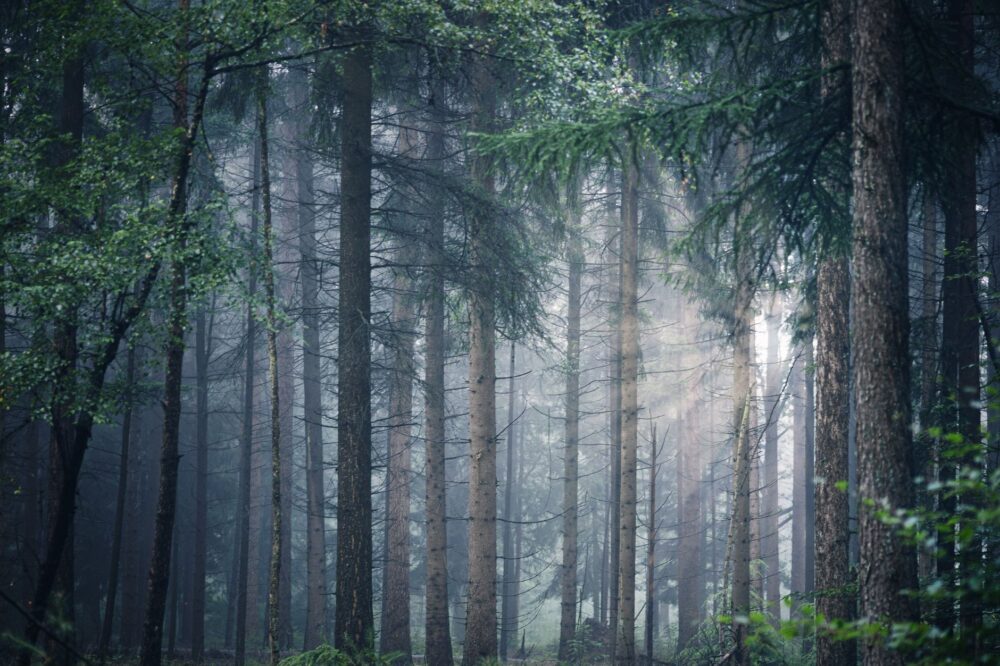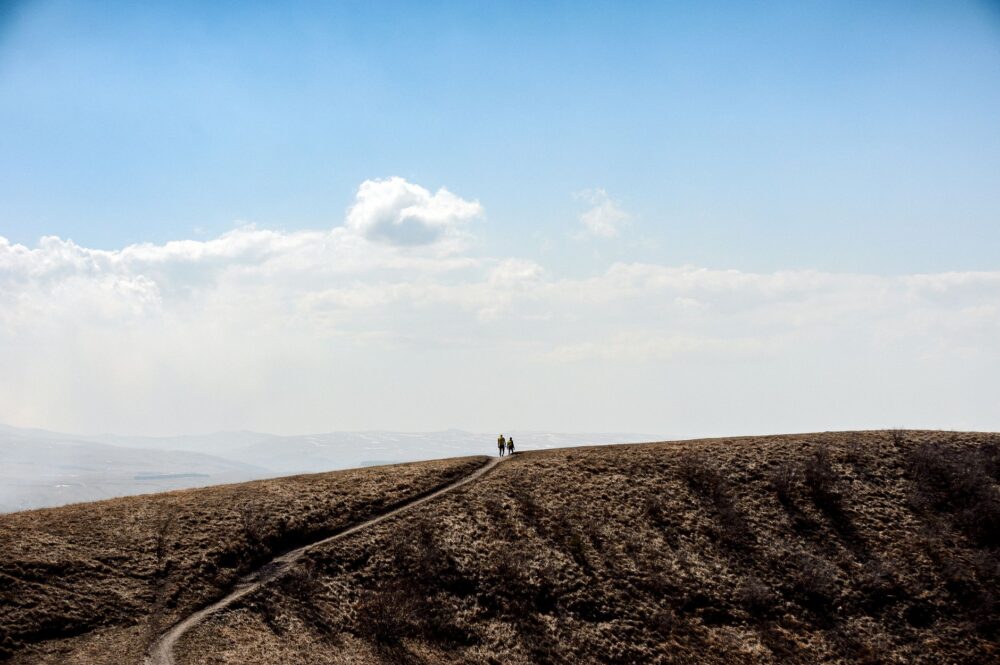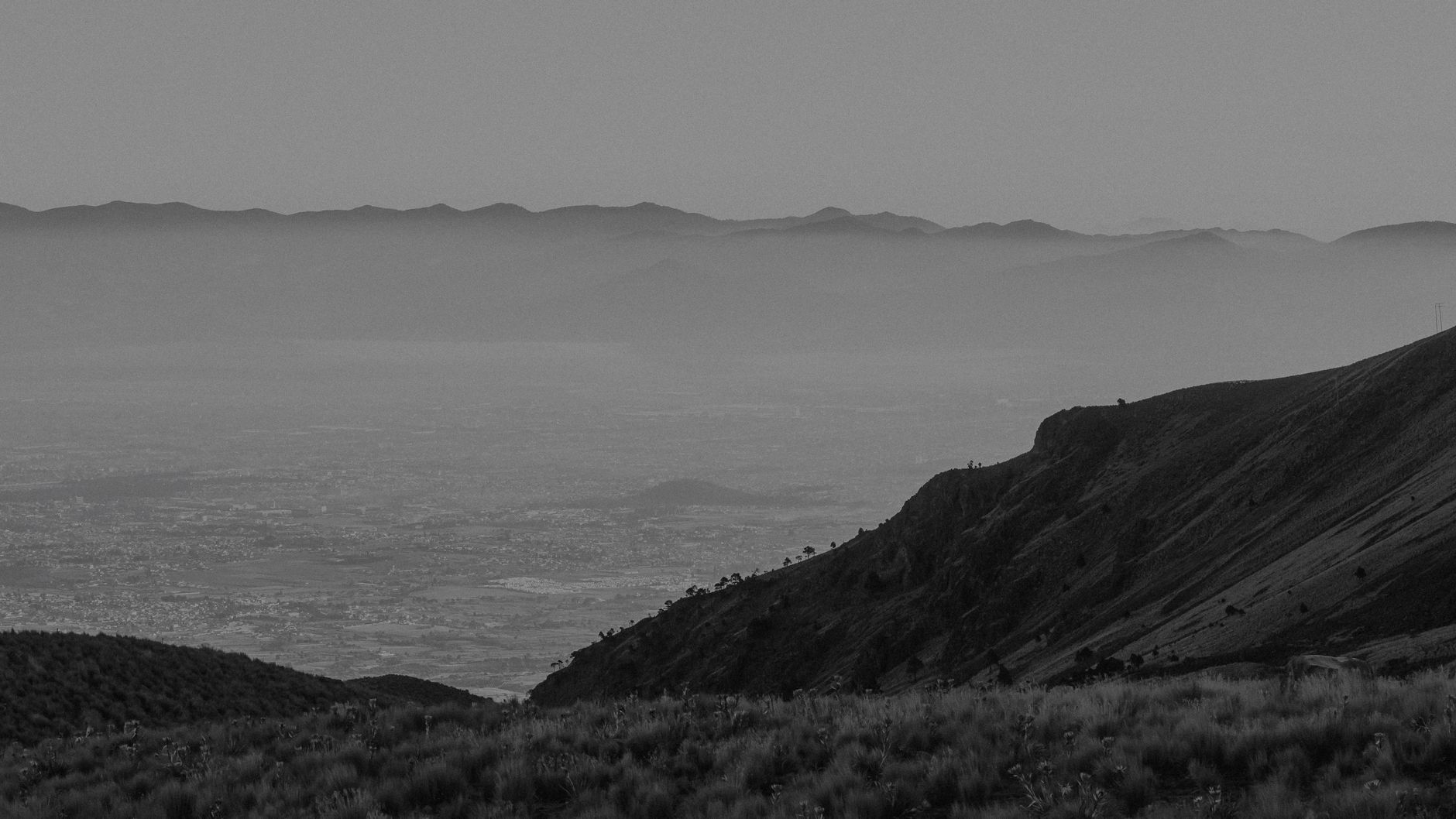

There is a secret geography that does not appear on folding maps or in the most meticulous travel guides. It is the one traced with the invisible threads of memory, with the sediment left by days when haste dissolves and the landscape ceases to be a mere spectacle to become a form of understanding. We often conceive of travel as an impulse toward the edge, an imperative need to shake off routine and seek the radically other. Yet, with the passage of time, we discover that the best journeys are those that subtly return us to a deeper form of attention.
The Weight of the Patient Gaze
Looking at a landscape demands a rigorous apprenticeship: the stripping away of immediate judgment. In a time that rewards speed and the voracious consumption of images, stopping before a plain, an ancient forest, or the weathered stone of an old square constitutes an act of intimate resistance. It is not enough to register the surface of things; it is necessary to allow the environment to examine us as much as we observe it. That patient gaze transforms movement into a dialogue where the silence of the territory becomes our own pause.
The contemporary traveler frequently runs the risk of turning the world into a mere archive of personal validations. We seek the perfect postcard, the confirmation of what we already knew we would find. But the true value of the experience lies in the detour, in the willingness to abandon the pre-established course to let oneself be questioned by the unforeseen. When we renounce controlling everything, the territory opens up and offers us its deepest layers, those that only reveal themselves to those who accept to travel without haste.
The Hospitality of the World
Crossing the planet also implies recognizing our condition as perpetual guests. Every place we step upon guards a history that precedes and survives it, an intricate network of lives, languages, and customs that deserve the utmost respect. Hospitality is not only the generosity of those who welcome the stranger into their home; it is also the traveler’s willingness to integrate into the landscape without altering it, accepting the unwritten rules of a community that temporarily yields its horizon to us.
In this sense, the relationship with the other becomes the true heart of travel. Listening to local stories, sharing a table with no other pretension than mutual understanding, and accepting that there are multiple ways of inhabiting the Earth broadens our understanding of what it is to be human. The responsible traveler understands that their passage through the world leaves a mark, and strives to ensure that this trace is as light as the flight of a bird over water.
The Taste of Time in Territories
The culture of a place is frequently revealed in its most everyday gestures, in the way the land is cultivated, food is prepared, or traditions are passed down from generation to generation. Gastronomy, understood as living memory, is one of the most direct bridges to the essence of peoples. In the taste of a simple dish, crafted with local products and inherited recipes, the condensed history of a territory beats. Eating where we find ourselves is an exercise in immersion and gratitude, a way to savor the time accumulated in the hands of those who work the land.
This attention to the local contrasts with the global uniformity that threatens to erase differences. Defending the singularity of landscapes and their customs is an inescapable cultural duty. Every people that loses its traditions or its language impoverishes the common heritage of humanity. Therefore, traveling with conscience also means supporting and valuing what makes each corner of the planet unique, from its traditional markets to its artisanal crafts.
The Architecture of the Pause
The leisurely pace of the attentive traveler contrasts sharply with the agitation of modern life. When traveling, we often seek a temporary refuge where we can recover the capacity for wonder. Ancient cities, mountain trails, or remote coasts function as architectures of the pause, spaces where time recovers its natural density. In those places, reading, contemplation, and writing become tools to organize experience and grant it a lasting meaning.
The memory of travel is not measured by the number of kilometers covered, but by the depth of the mark the landscape has left in our inner self. A good journey transforms us imperceptibly; it teaches us to be more tolerant, more curious, and more respectful of the immense diversity of the world. Upon returning home, the true luggage is not the accumulated objects, but the certainty that the world is much vaster, more complex, and more beautiful than we imagined.
The Garden of Returns
Every authentic journey is, ultimately, a round trip back to oneself. The paths we walk outside end up tracing an interior map that accompanies us for the rest of our days. At the end of the journey, when we contemplate what was lived from the calm of home, we understand that the world is not a territory to be conquered, but a shared home that we must care for and celebrate. The garden of returns awaits us always open, reminding us that every step taken with attention returns us, transformed, to the origin of our own curiosity.