
The Shadow of Emperors Over the Waters of the Perfume River
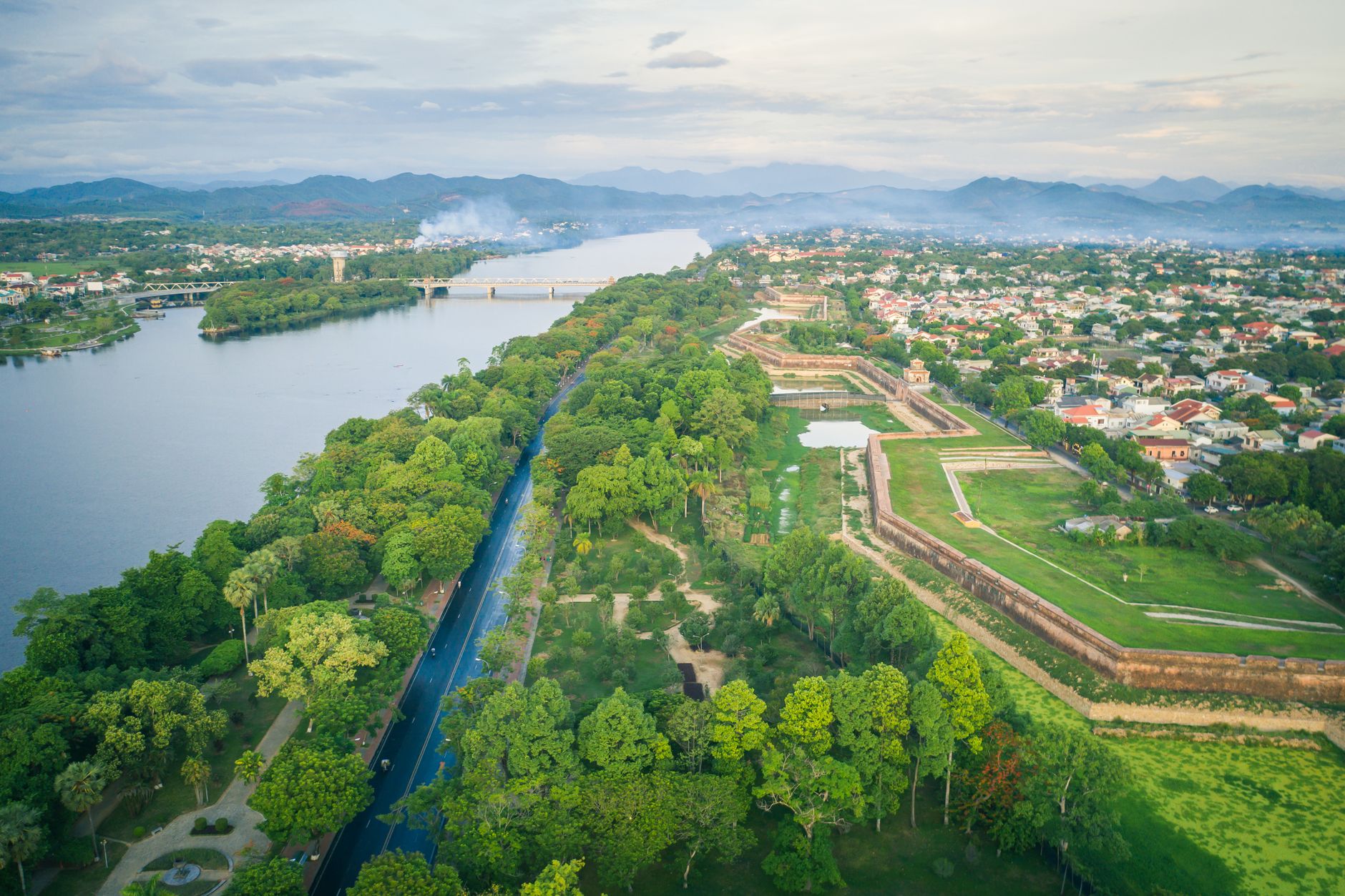
A short distance from the waterway that crosses central Vietnam, the city of Huế preserves a physiognomy shaped by its past as the seat of the Nguyễn dynasty. Far from the breakneck pace of southern metropolises or the industrial bustle of the north, this enclave of over one million inhabitants maintains a symbiotic relationship with water, historic bridges, and the centuries-old walls that delimit the old Imperial City. The daily life of its residents unfolds between alleys where traditional garden houses, known as nhà rường, still endure, and open-air markets that open before dawn.
The architectural heritage of the town is not limited to its fortified palaces or the imposing royal tombs scattered across the surrounding hills. It also manifests in the human scale of its neighbourhoods, where woodworking, silk embroidery, and imperial cuisine survive thanks to the efforts of families passing down their trades from generation to generation. For visitors seeking to understand Vietnamese identity beyond tourist postcards, Huế offers a leisurely journey through the memory of a territory that once served as the country’s political, cultural, and spiritual epicentre.
Morning Rhythm in River Markets and Traditional Neighbourhoods
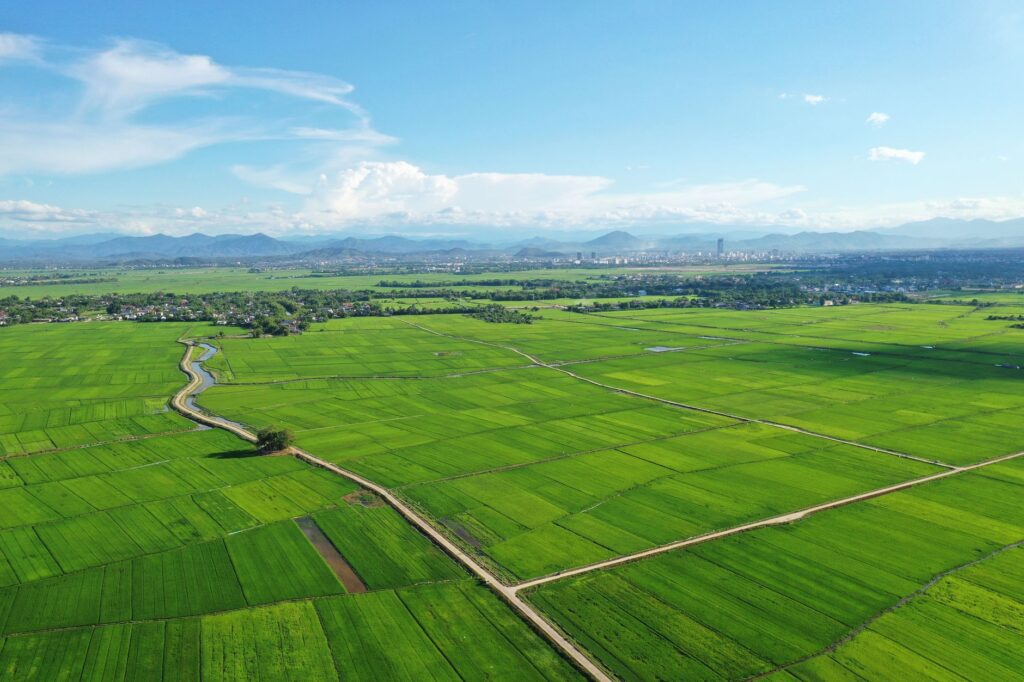
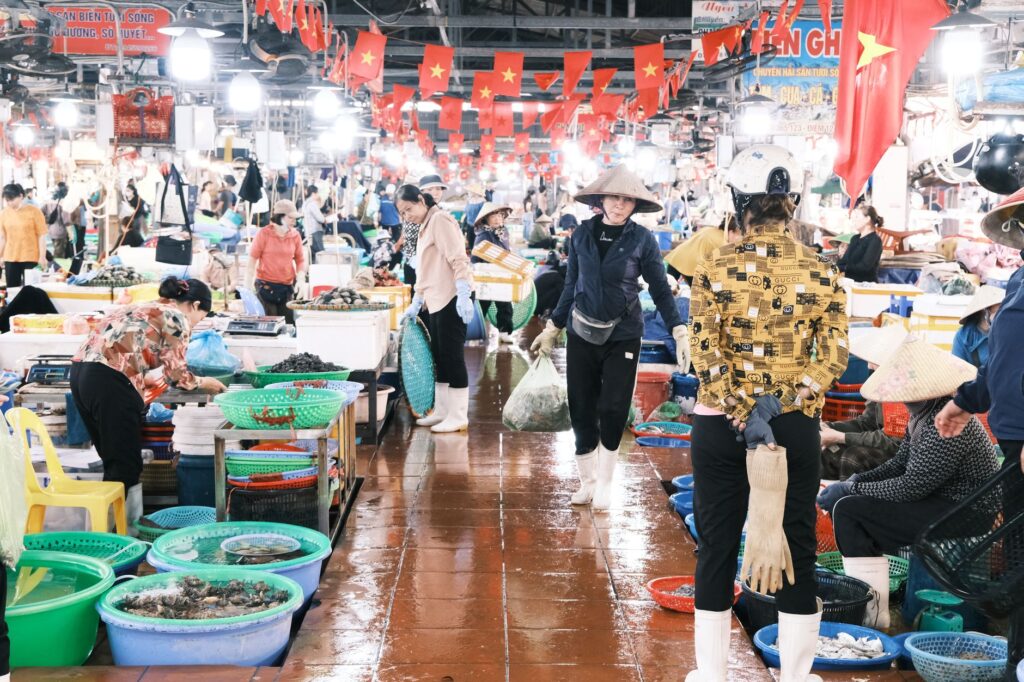
When the first rays of sunlight illuminate the hills surrounding Thừa Thiên Huế Province, local markets like Đông Ba become the nerve centre of the community. Merchants and buyers negotiate the sale of agricultural produce harvested in the river plains, green leafy vegetables, aromatic spices, and the essential ingredients needed to prepare the iconic dishes of local gastronomy. In these spaces, leisurely conversation and respect for neighbourhood codes configure a deeply rooted social fabric, where time seems to flow at a different cadence.
Among the residential alleys, the urban structure responds to ancestral geomantic principles that integrate nature into housing design. The hardwood dwellings, surrounded by lush bonsai gardens and fruit trees, act as small refuges against summer heat and periodic river floods. The preservation of these particular spaces constitutes one of the greatest urban planning challenges for local administration, which must balance infrastructure modernization with the protection of a unique urban landscape in Southeast Asia.
Court Flavours and Popular Cauldrons
The city’s culinary reputation is one of its most cherished treasures. Far from the fast street food of other regions, Huế’s cuisine traces its roots to the tradition of the imperial court, where aesthetic presentation and the balance of sour, spicy, and salty flavours were matters of state. Dishes like bún bò Huế, a rice noodle soup with beef and fresh herbs, or delicate tapioca dumplings filled with shrimp demonstrate a sophistication that has democratized over time, reaching small street food stalls as much as family dining rooms.
Local cooks insist that the secret to these flavours lies in the freshness of ingredients and the patience required for broths simmering on low heat for hours. «Cooking is our way of telling where we come from and what we have preserved,» remarks a restaurateur from the old quarter who has spent decades preparing traditional recipes. This respect for inherited recipe books fosters a proximity economy where small agricultural and fishing producers in the region play a fundamental role in supplying daily stalls.
Manual Crafts Resisting Modernity
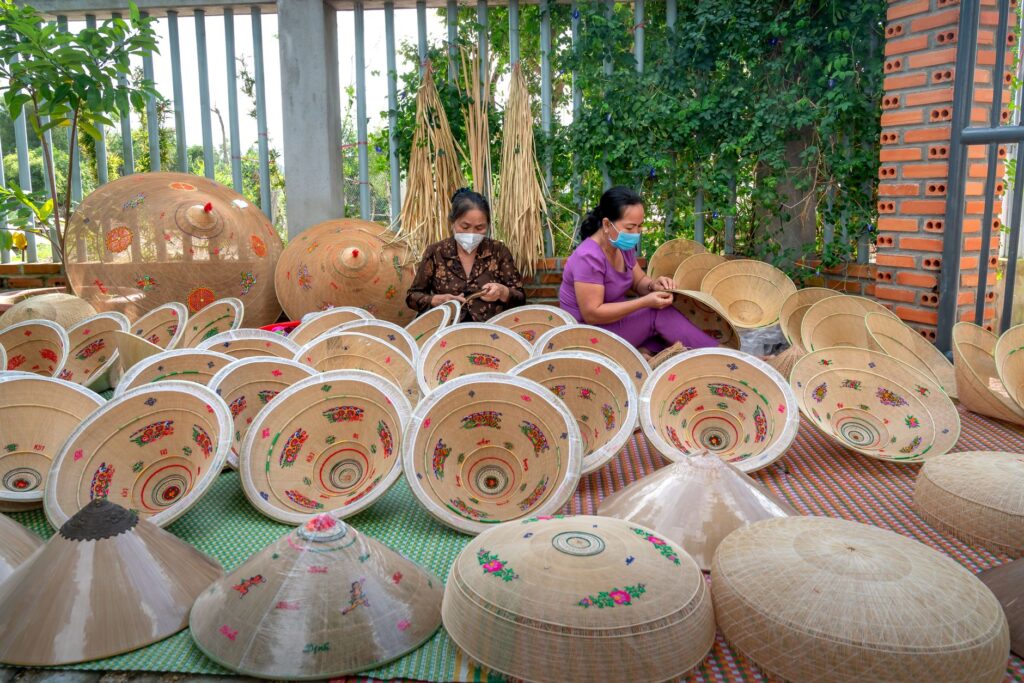
Along the riverbanks and in the city’s suburbs, artisan workshops continue to manufacture paper fans, traditional conical hats adorned with poems visible against the light, and brightly coloured incense sticks. These crafts, which elsewhere have disappeared in the face of mass industrial production, find here an active local market and institutional recognition that values their contribution to intangible heritage.
Local artisans combine centuries-old techniques with subtle adaptation to current demands, creating pieces that not only decorate family altars but also serve as material testimony to Vietnamese history. The value of these objects lies in the dedication time and mastery of traditional tools that require years of learning. Responsible travelers approaching these workshops discover a clean production process, respectful of the environment and deeply linked to the Buddhist and Confucian spirituality permeating the region.
Monumental Heritage and Its Relationship with the Environment
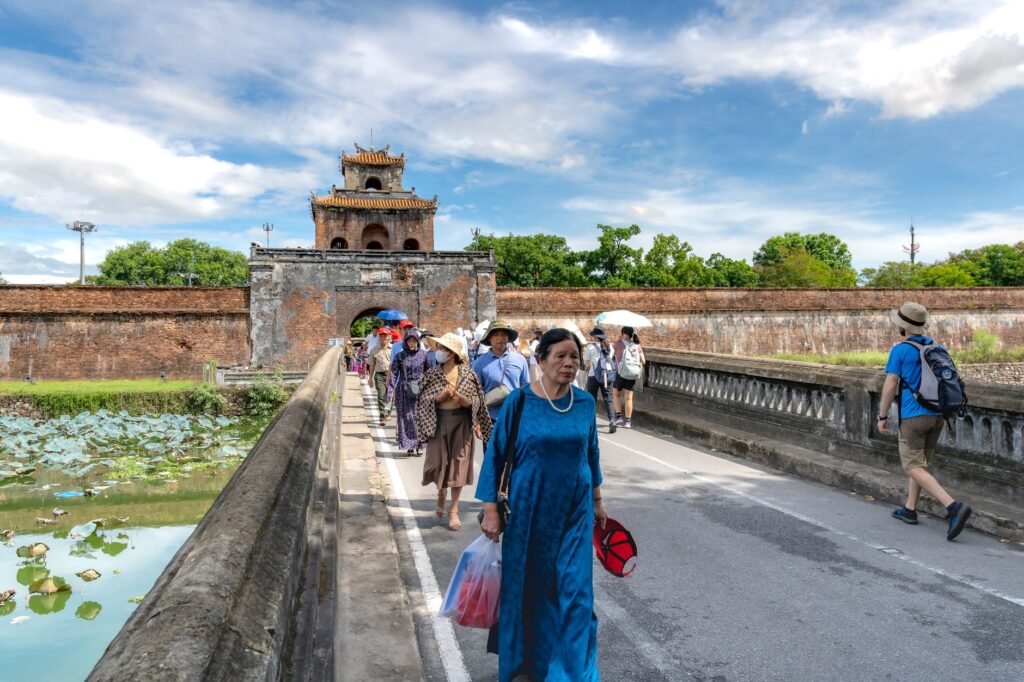
The Imperial Citadel, a designated World Heritage site, dominates the urban landscape with its moats, bastions, and monumental gates. However, its importance lies not only in its architectural grandeur, but in how it coexists with the daily life of the surrounding neighbourhoods. The moats serve as fishing and recreation zones, while the outer esplanades host community gatherings at dusk, when the heat subsides and residents gather to stroll.
A few kilometres away, the tombs of Emperors Minh Mạng, Khải Định, and Tự Đức blend into the pine forests and hills as if they were a natural part of the landscape. Royal architects designed these funerary complexes following feng shui philosophy, seeking harmony between stone constructions and water elements. «The monuments are not just dead stones, but the extension of our land and our respect for ancestors,» notes a local historian specializing in the Nguyễn dynasty.
Ethics and Responsibility in Contemporary Travel
The increase in international tourism in the region poses new challenges for preserving its identity. Local authorities and community organizations promote a visit model based on sustainability, encouraging homestays, the use of bicycles to tour the historic centre, and consumption in small businesses run by residents. This approach seeks to minimize environmental impact and ensure that the economic benefits of tourism directly reach the local population.
For the traveler, this translates into the need to adopt a respectful attitude: dressing appropriately when visiting religious sites and imperial enclosures, moderating volume in residential spaces, and showing interest in local history and customs before taking photographs. Understanding that Huế is not a mere photographic backdrop, but a living community with its own aspirations and routines, is the key to an enriching and respectful experience with the destination.

Practical guide
- How to get there: Phu Bai International Airport connects the city with the country’s main aviation hubs, while the historic national railway line offers regular connections from Hanoi and Da Nang.
- Best time to visit: The months between January and April feature moderate temperatures and lower precipitation indices, ideal for exploring the citadel and imperial tombs on foot or by bicycle.
- Urban transport: Renting bicycles and using traditional cyclo rickshaws allow visitors to explore residential alleys and Perfume River banks without generating congestion or noise pollution.
- Responsible accommodation: Opting for family guesthouses or small hotels managed by local residents that promote low environmental impact practices is strongly advised.
- Recommended gastronomy: Taste traditional bún bò Huế and rice cakes in local markets, directly supporting small traditional food vendors.
- Code of conduct: Cover shoulders and knees when entering temples and imperial enclosures, and always ask permission before photographing artisans in their workshops.
Memory and River Rhythm at Dusk
When the sun descends behind the western hills and dyes the waters of the Perfume River in ochre and mauve tones, the city adopts a serenity that seems to suspend the passage of time. Silk lanterns glow on porches and traditional boats silently cross the channel, carrying the echo of a daily life that has managed to protect its essence through the centuries. In this leisurely twilight, Huế reveals its true nature: a refuge where imperial history and the simplicity of everyday life converge in perfect harmony.