
The Coastal Geography of New South Wales
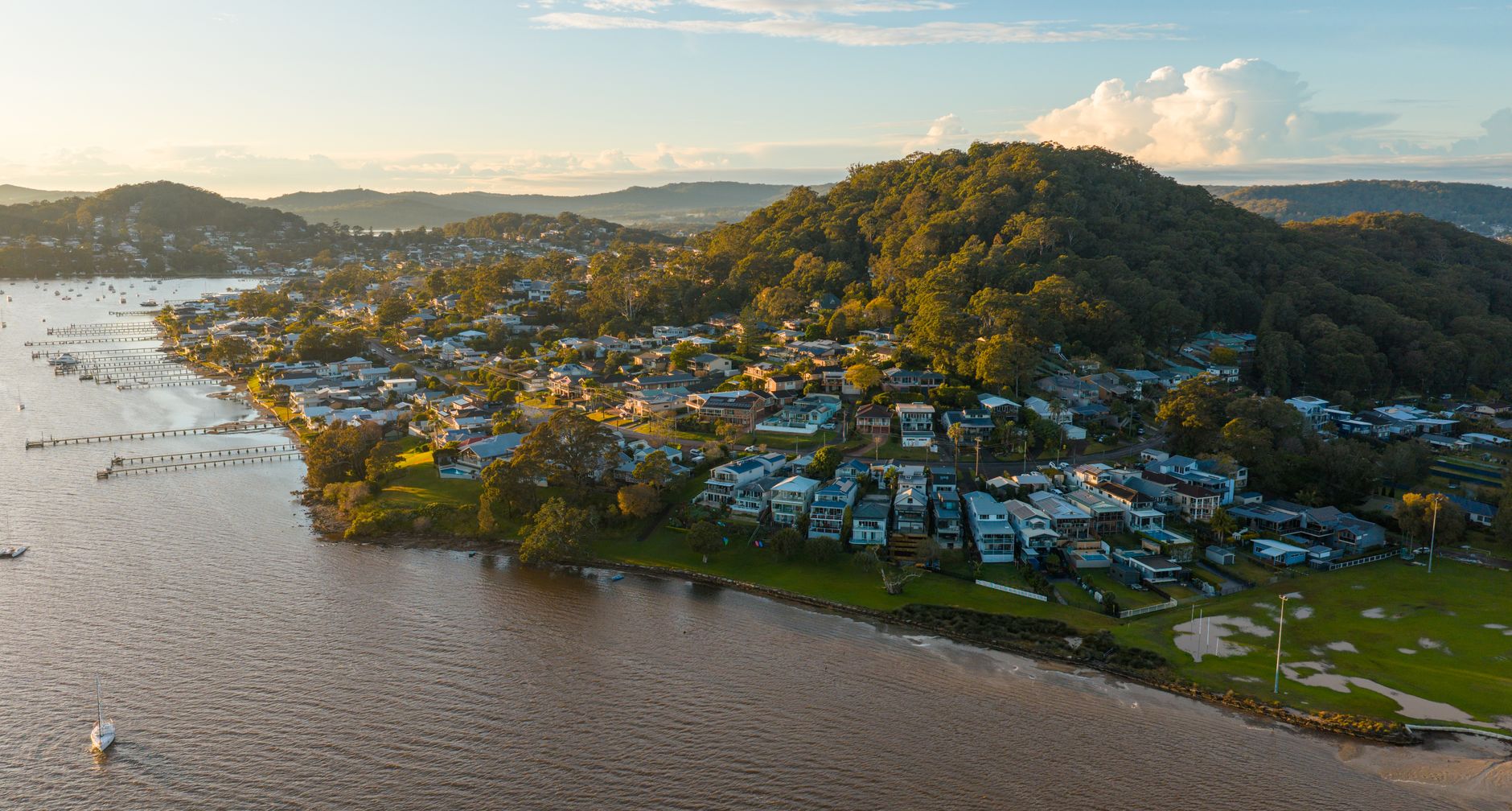
Between the sprawling metropolitan extensions of Sydney and Newcastle lies a territory where salt and freshwater trace a continuous geography of peninsulas, estuaries, and breaking surf. The Central Coast region in Australia is not defined by a single monumental urban core, but rather by a polynuclear collection of seaside communities sharing a unified marine pulse. Here, the landscape is shaped by massive water bodies such as Brisbane Water and Tuggerah Lakes, estuarine systems that act as vital biodiversity corridors and influence the daily movements of residents.
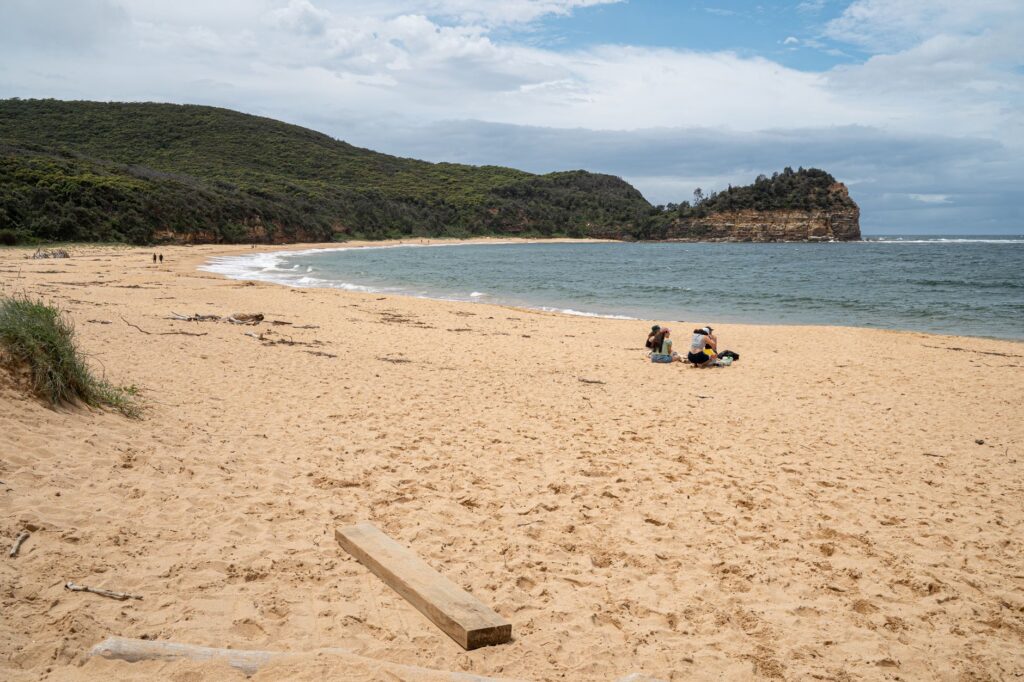
The urban and rural layout of this territory responds directly to its topography. The forested ridges of the Great Dividing Range descend gently toward strips of white sand and sandstone cliffs, creating a landscape where the transition between the hinterland forest and the open coast is gradual. Walking along this coastal strip reveals how settlement design has historically adapted to wetlands and inlets, configuring a network of hubs that rely on fluid yet eco-sensitive mobility.
To grasp the scale of this environment, one must consider its demographic and spatial proportions. With over 340,000 residents distributed across municipalities stretching from Umina Beach to The Entrance, the region functions as a mosaic of independent communities collaborating on water and natural resource management. Tides dictate the rhythm of local life, marking the moment when artisanal fishers cross sandbars and the instant when migratory birds occupy the mudflats in the estuaries.
Road Networks and Accessibility on the Australian Coast
Connectivity along this coastal fringe relies on road and rail infrastructure designed to bridge complex geographical features without fragmenting the territory. The Central Coast Line, integrated into the regional rail network of New South Wales, regularly connects local stations with major urban centers in the state. This rail service represents the backbone of sustainable mobility in the area, allowing residents and visitors to travel between different hubs without relying exclusively on private automobiles.
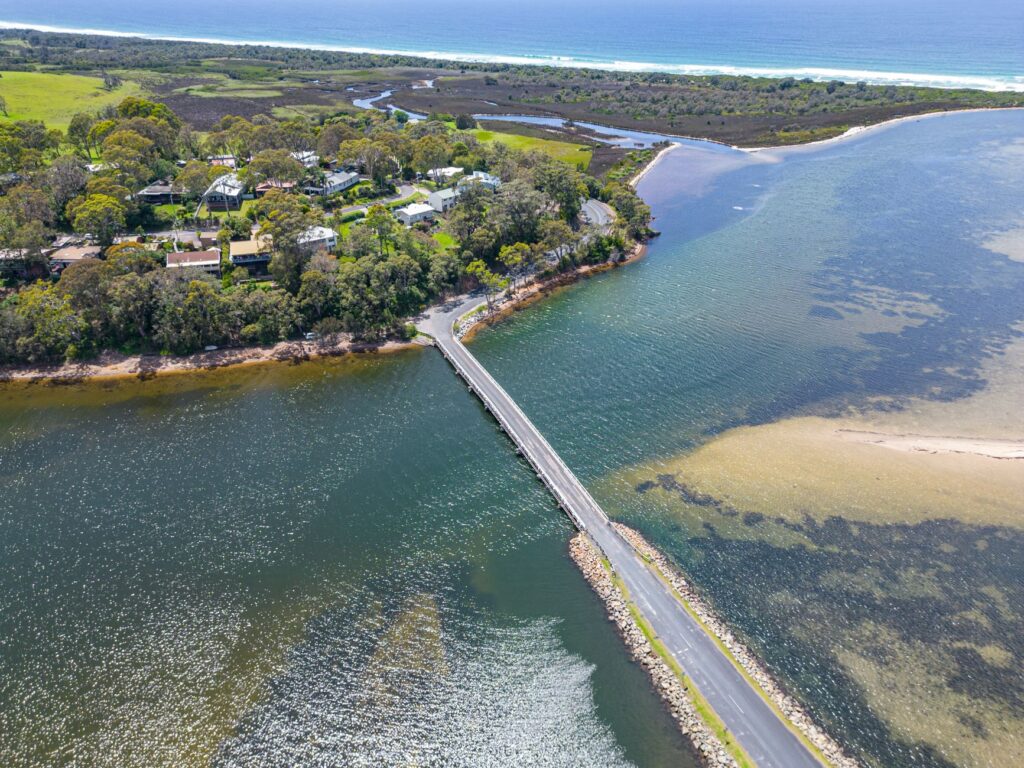
Secondary roads and coastal pathways complement this network, offering routes where speeds naturally decrease when passing through residential zones and ecologically sensitive areas. Recent urban planning prioritizes the creation of pedestrian paths and bicycle lanes linking waterfronts with train stations, facilitating efficient intermodality. This approach reduces vehicular pressure on coastal fronts and encourages a slow-paced approach to the landscape.
Local transport also includes ferry services and small vessels operating in the main estuaries. These river journeys, used by both local workers and recreational travelers, offer a unique perspective of the natural infrastructure. Navigating these waters shows how historic docks remain nodal points of community life, keeping maritime traditions alive and adapted to contemporary needs.
Stages of a Slow Journey Between Beaches and Lagoons
Exploring the Central Coast requires structuring the journey into logical stages that respect distances and landscape variety. The itinerary can begin at the southern end, on the Ettalong and Woy Woy peninsula, where the influence of Brisbane Water creates a calm water environment surrounded by mangroves and gentle hills. Here, a morning walk along the docks reveals the arrival of small fishing boats and the unhurried movement of local fresh-produce markets.
Moving northward, the route reaches the vast oceanic expanses of Avoca Beach and Copacabana, where the scenery shifts dramatically toward cliffs exposed to Pacific swells. In these intermediate stages, trails bordering Bouddi National Park offer direct contact with sandstone geological formations sculpted by wind and sea breeze. Walking through these coastal forests reveals native eucalypts coexisting with lush ferns in sheltered gullies.
The final major stage unfolds around the Tuggerah Lakes system, where freshwater from inland creeks meets the sea through narrow channels. This area stands out for its tranquility and extensive wooden boardwalk networks allowing visitors to traverse wetlands without disturbing aquatic bird habitats. Each stage of the journey thus becomes an exercise in detailed observation, where the vernacular architecture of old fishermen’s cottages dialogues with modern residential constructions adapted to the maritime climate.
Architectural Heritage and Community Memory
The architecture of the Central Coast reflects a continuous evolution from nineteenth-century timber settlements to current bioclimatic design solutions. In localities like Gosford and older villages within the river basin, wooden buildings with corrugated iron roofs remain, designed to withstand coastal humidity and maximize cross-ventilation. These traditional structures, often surrounded by wide porches, show how early inhabitants adapted imported construction techniques to the demands of the Australian subtropical climate.
On the other hand, contemporary architectural intervention in the region seeks to integrate with topography rather than dominate it. Recent single-family homes employ local materials such as certified timber and sandstone, elevated on pylons to minimize impact on dune soils and allow free water flow during king tides. This respect for the built and natural environment reinforces the collective identity of communities deeply rooted in their landscape.
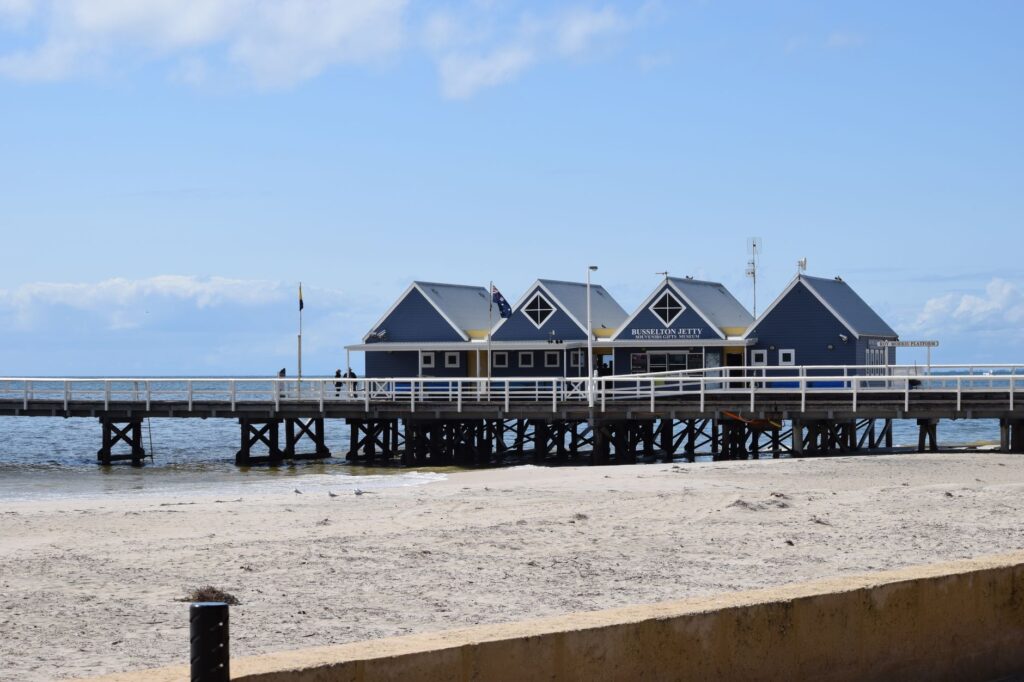
Community memory is also preserved by highlighting historic sites linked to early timber and shipping industries. Restored former shipyards and piers now function as cultural centers and public spaces documenting the region’s social history. These meeting points foster intergenerational dialogue essential for keeping traditional knowledge of water management and sustainable fishing alive.
Responsible Relationship With Local Communities and the Environment
Sustainable tourism on the Central Coast relies on active collaboration between local authorities, community associations, and visitors. The management of protected natural spaces, such as coastal reserves and national parks, focuses on minimizing ecological footprints by limiting motorized access and promoting low-impact practices. Travelers are encouraged to follow marked trails to protect endemic flora and prevent erosion on fragile sand dunes.

Furthermore, supporting the local economy is evident in the preference for farmer and artisan markets operating across various municipal districts. Consuming locally sourced goods and hiring guided services from regional operators ensures that economic benefits remain within the community, supporting the conservation of cultural and natural heritage. Neighborhood associations regularly organize workshops and open days to share rules of coexistence and respect for the sacred sites of the Awabakal and Darkinjung peoples.
The balance between regional development and environmental preservation forms the core axis upon which the future of these coastal communities is built. Awareness of estuary fragility and the need to protect freshwater reserves mobilizes both permanent residents and those choosing this territory for a leisurely stay. This community alliance ensures that the region’s identity remains intact against population growth pressures.
The coastal landscape of New South Wales is not a static backdrop, but a living system requiring constant attention and profound respect for its natural cycles.
Gastronomy and Produce From the Coast and Valleys
The cuisine of the Central Coast reflects the duality of its territory, combining Pacific Ocean resources with produce cultivated in interior valleys and surrounding plateaus. Weekend local markets offer a clear sample of this diverse pantry, dominated by fresh rock fish, estuarine seafood, and tropical and temperate fruits grown in sheltered hillside microclimates.
Restaurants and cafes in the region have adopted a culinary philosophy based on seasonality and local sourcing. Local chefs collaborate closely with regional farmers and fishers to craft dishes highlighting authentic local flavors, from simple seafood preparations to traditional recipes reinterpreted with modern techniques. This gastronomic commitment not only delights visitors but reinforces the local economic fabric and values independent producers.
Likewise, coffee culture plays a fundamental role in the social life of coastal communities. Small artisanal roasters distributed across various municipalities have become daily meeting points where residents and travelers share impressions regarding sea conditions or planned hiking routes.
Practical guide
How to get there: The Central Coast region is connected to Sydney and Newcastle via the New South Wales regional rail network (NSW TrainLink), with frequent daily services. The train journey from Sydney takes approximately one and a half hours, offering a comfortable alternative without needing a private vehicle. By car, the M1 Pacific Motorway provides access to different municipalities from both cities.
Local transport: To travel between coastal towns and natural spaces, combining local bus networks with bicycles is recommended, taking advantage of numerous dedicated paths. To explore estuaries and protected water zones, ferry services connect key points such as Ettalong and Wagstaff.
When to go: The region enjoys a temperate climate year-round. Spring (September to November) and autumn (March to May) offer optimal temperatures for walking and outdoor activities with lower visitor numbers.
Accommodation: Options range from small family-run hotels and guesthouses to apartments integrated into natural settings and controlled campsites in national parks. Booking in advance during Australian school holiday periods is strongly advised.
Final Reflection on the Marine Horizon
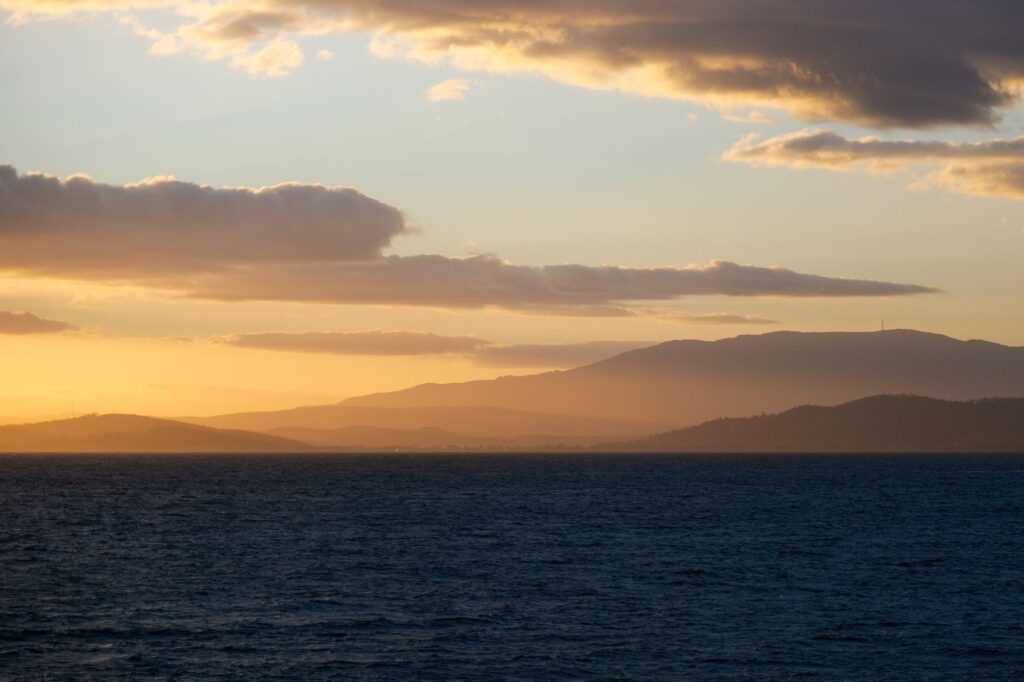
Contemplating sunset over the calm waters of Brisbane Water or facing the infinite Pacific break on the Central Coast invites reflective pause. The true wealth of this Australian territory does not lie in architectural monumentality, but in the subtle harmony with which its inhabitants coexist with a dynamic, changing natural environment. Every trail walked and every tide observed reminds us of the importance of inhabiting the landscape with sensitivity and respect.
The experience of exploring these coastal lands leaves a lasting impression on those seeking to understand the essence of Australian coastal life beyond conventional tourist circuits. Collective commitment to estuary conservation and local community protection ensures this landscape continues offering refuge and beauty to future generations.