

The Urgency of Rethinking Mobility in Protected Valleys
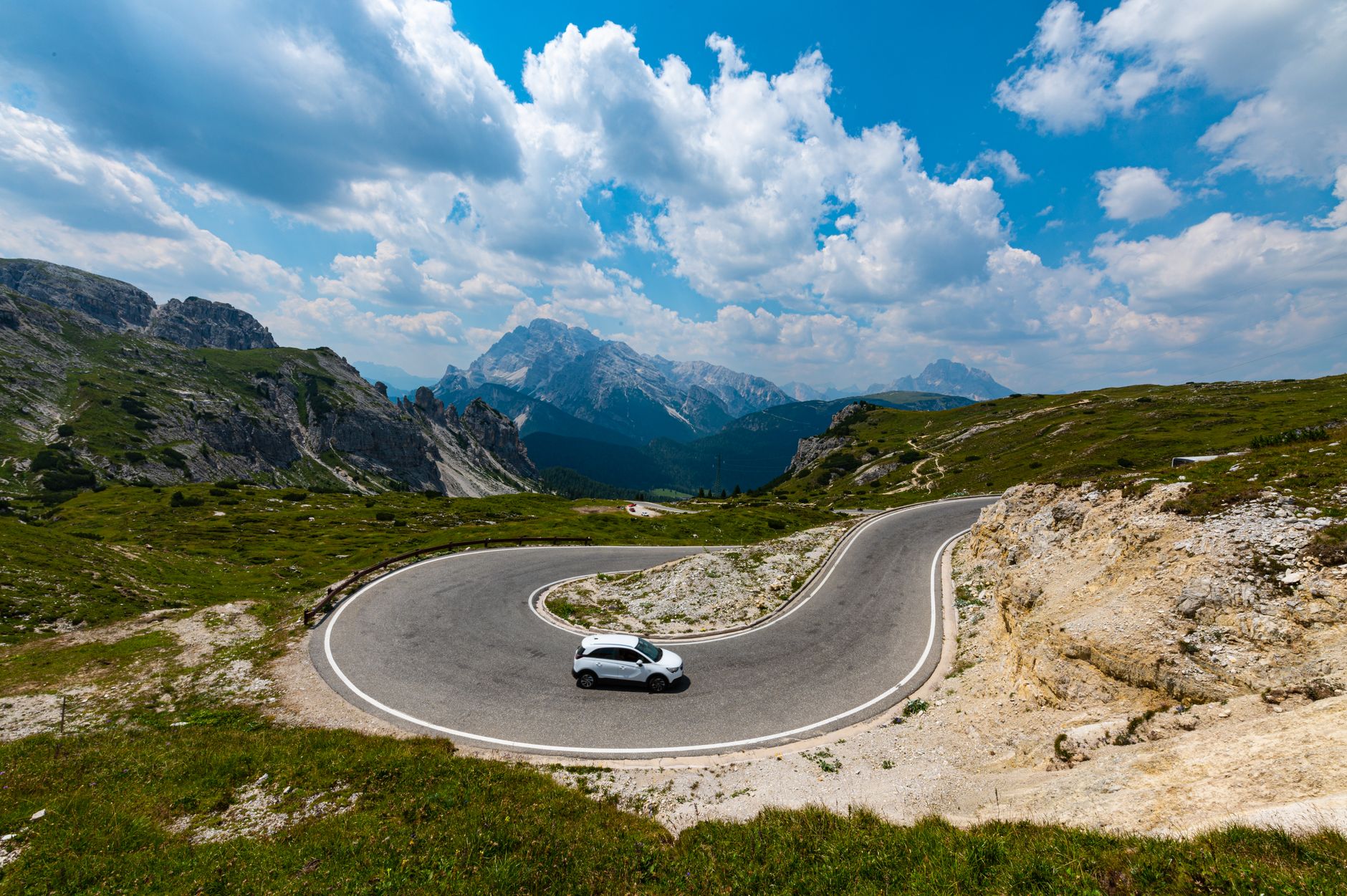
For decades, the model of access to major natural enclaves in the Alps was dominated by private motor vehicles. The winding roads traversing the Dolomites, designated a UNESCO World Heritage Natural Site, suffered every summer from a suffocating pressure of private cars. This constant flow not only generated chronic congestion on iconic mountain passes, but also alarmingly elevated noise levels and pollutant emissions in highly fragile high-mountain ecosystems. The saturation of the valleys called into question the very viability of nature tourism, demonstrating that the traditional transport model had reached a point of unsustainable collision with environmental conservation.
Faced with this crossroads, the autonomous province of Bolzano—South Tyrol—opted for a radical shift in its transport policy. Far from betting on road expansion or the construction of large asphalt infrastructure that would have disfigured the local topography, authorities embraced the concepts of soft mobility and integrated connectivity. The core objective was clear: to disincentivize private car use through a public network so efficient, punctual, and comfortable that moving without a personal vehicle would cease to be a complex option and become the natural, preferred alternative for both residents and visitors alike.
The Transition Toward Zero-Emission Bus Fleets
The foundational pillar of this transformation has been the comprehensive renewal of the regional bus fleet, operated under the unified südtirolmobil brand. Older units powered by high-emission diesel engines have progressively given way to state-of-the-art electric buses and advanced hybrid models. These vehicles not only drastically reduce the carbon footprint, but also operate with a remarkable level of acoustic silence—a decisive factor in preserving the tranquility of local fauna within the ecological corridors flanking alpine routes.

The technological integration in these buses extends far beyond their electric drivetrains. The units are equipped with real-time passenger information systems, accessible connectivity, and optimized spaces for transporting mountain gear, including bicycles of all types. This adaptability responds to a very specific demographic and tourism reality: users in these valleys are not mere urban passengers, but hikers, skiers, and cyclists who require fluid intermodal transport solutions. The synchronization between the timetables of these clean buses and local rail lines forms the backbone of the new alpine transport system.
The Railway as the Intermodal Backbone
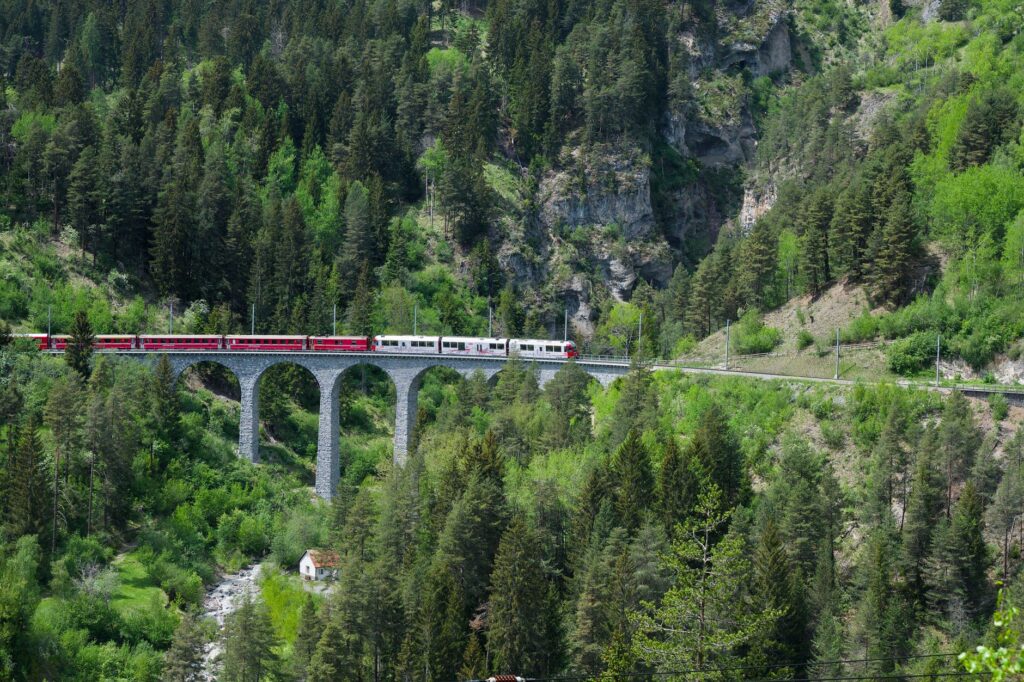
No sustainable mobility strategy in a mountainous region can dispense with the railway. In South Tyrol, the regional rail network connecting the Brenner line with the Pusteria, Venosta, and Isarco valleys has undergone profound modernization in frequencies and rolling stock. The trains, predominantly electric and powered entirely by locally sourced renewable energy—primarily hydroelectric power generated within the Alps themselves—operate at regular thirty-minute intervals along the main corridors.

This high frequency eliminates the need to consult complex timetables, a key psychological aspect in convincing travelers to abandon their cars. Upon arriving at nodal stations such as Fortezza, Brunico, or San Candido, travelers find direct, immediate connections to electric buses ascending toward lateral valleys and the foot of the Dolomite massifs. This tariff and timetable interoperability, managed through a single integrated ticket, drastically simplifies the travel experience, proving that public transport efficiency can surpass the illusory comfort of private vehicles in complex geographical environments.
The true success of sustainable mobility in high-altitude mountains does not lie in prohibiting access, but in designing a public system so efficient that the option to pollute becomes simply unnecessary.
Smart Restrictions and Flow Control on Mountain Passes
The transformation of transport in South Tyrol is not limited to offering better public alternatives; it has also required the implementation of bold regulatory measures to manage tourist carrying capacity. Legendary mountain passes such as Sella, Pordoi, Gardena, and Campolongo have been the focus of pilot traffic regulation initiatives during peak summer influx periods. On specific days and time slots, access to these passes is restricted or conditioned, prioritizing exclusively public buses, electric vehicles, and cyclists.
These selective restrictions do not seek to isolate the region, but rather to protect its most vulnerable natural heritage against massive wear and tear. To mitigate any negative impact on the local economy, restrictions are communicated in advance through unified digital platforms, offering visitors guaranteed seats on shuttle bus services operating from the base valleys. In this way, environmental conservation is balanced with the maintenance of tourism activity, ensuring that the experience of contemplating Dolomite landscapes remains accessible without compromising their physical integrity.
Infrastructure for Soft Mobility and Mountain Cycling
The concept of sustainable mobility in South Tyrol also encompasses the decisive promotion of active travel, with a special emphasis on cycle tourism and hiking. The network of paved cycle paths and marked rural roads now extends for hundreds of kilometers, connecting historic towns like Bressanone and Merano with remote valleys. These routes are not mere recreational trails, but true alternative transport arteries allowing residents to commute by bicycle between neighboring villages safely and separated from motorized traffic.
A key element in this soft infrastructure is the integration of bicycles with public transport. Train stations and major bus hubs feature secure parking points and intermodal rental services, making it easy for users to undertake mixed journeys—pedaling on flat terrain and using trains or buses on sections with steeper slopes or higher altitudes. This synergy fosters low-impact active tourism that respects the rhythms of the territory and minimizes the ecological footprint of every visitor.
Economic and Social Impact on Local Communities
The transition toward a decarbonized public transport system has driven profound changes in the socioeconomic structure of alpine valleys. Far from harming the commercial and hospitality sectors, the pedestrianization of historic centers in towns like Bolzano and Merano, coupled with the steady influx of visitors via clean transport networks, has revitalized neighborhood commerce and local gastronomy. Tourists traveling via public transport tend to stay more nights in the region and consume farm-to-table local products, positively valuing the destination’s environmental commitment.
Likewise, for permanent residents, especially in the most isolated high-mountain municipalities, the substantial improvement in the frequency and reliability of local buses and trains has curbed geographic isolation. Young people and seniors now enjoy freedom of movement that previously depended entirely on owning and maintaining a second or third family car. This increase in social cohesion demonstrates that environmental sustainability and human well-being go hand in hand in modern alpine development.
Practical Guide to Traveling Around South Tyrol Without a Car
Planning a car-free trip through South Tyrol is straightforward thanks to the high integration of its transport network. The main rail access point is via the international Brenner line, with direct connections from Innsbruck and Verona using high-speed and regional trains. Once within provincial territory, the fundamental tool is the integrated mobility pass, typically offered free of charge by accommodations associated with local tourism boards.

This card grants unlimited access to all regional trains in the province, südtirolmobil urban and interurban buses, and specific authorized public cable cars, such as those connecting to the hillside villages of Renon or San Genesio. Travelers are advised to consult official route planners online or via mobile applications to check real-time connections, especially during the winter season and peak summer months of heavy transit on Dolomite passes.
The Horizon of Sustainable Alpine Transport
The accumulated experience in South Tyrol proves that transforming transport in high-mountain regions is not an unattainable utopia, but the result of rigorous planning, consistent public investment, and long-term political will. As climate pressure on glacial and forest ecosystems increases, models like the South Tyrolean one stand out as indispensable references for other mountain ranges across Europe and the world.
The great challenge for coming years will be to maintain this standard of excellence while managing growing tourist flows and expanding electrification to the most remote corners of the secondary network. The silent route traced by electric buses and valley trains in the Dolomites demonstrates that the future of mountain tourism depends inexorably on absolute respect for the rhythms and silences of nature.


