
In Copenhagen, Denmark, the bicycle is not a sports accessory or a statement of intent: it is the vehicle thousands of people use to get to work, take their children to school, or cross the city for a coffee. The Danish capital has turned active mobility into a daily infrastructure that sustains urban life and redefines the visitor experience. But behind that friendly image lies an uncomfortable question: how is public space shared when pedestrians, cyclists, and drivers must coexist every day?
This report explores that coexistence through planning, civic culture, and accessibility, with a practical eye for first-time visitors who want to understand the system without idealizing it. This is not a utopia, but an urban pact in constant adjustment.
An urban laboratory that began with a crisis
The history of active mobility in Copenhagen was not born of a trend, but of necessity. During the 1960s and 1970s, the city center faced increased motor traffic and a loss of public spaces. Citizen protests and subsequent political decisions led to the pedestrianization of emblematic streets like Strøget, one of Europe’s first car-free shopping streets. What began as a one-off measure became a sustained strategy: reduce car dependency and return space to people.
Today, that commitment is reflected in a network of segregated bike lanes, bicycle-only bridges, and a culture of mutual respect that does not exclude tensions. The key was not only building infrastructure, but managing cultural change. Local authorities have understood that active mobility requires education, clear signage, and design that minimizes conflicts between users.
The bicycle as a right, not a sport
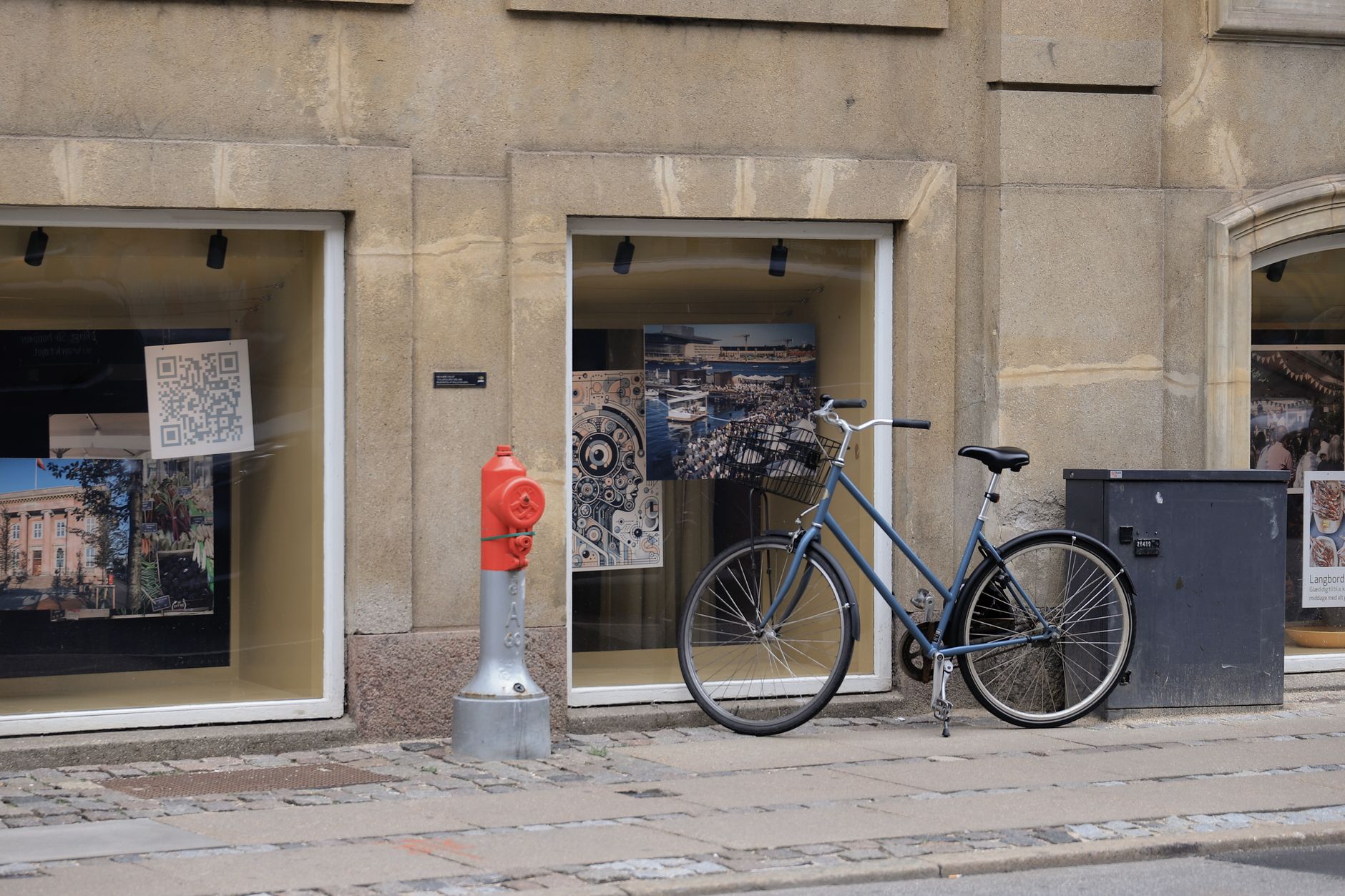
In Copenhagen, the bicycle is an everyday means of transport. No special clothing or exceptional physical condition is needed. The city has designed its lanes so that anyone, from a child to an elderly person, can pedal safely. The lanes are separated from motor traffic and, in many cases, also from sidewalks, with road markings and specific traffic lights for cyclists.
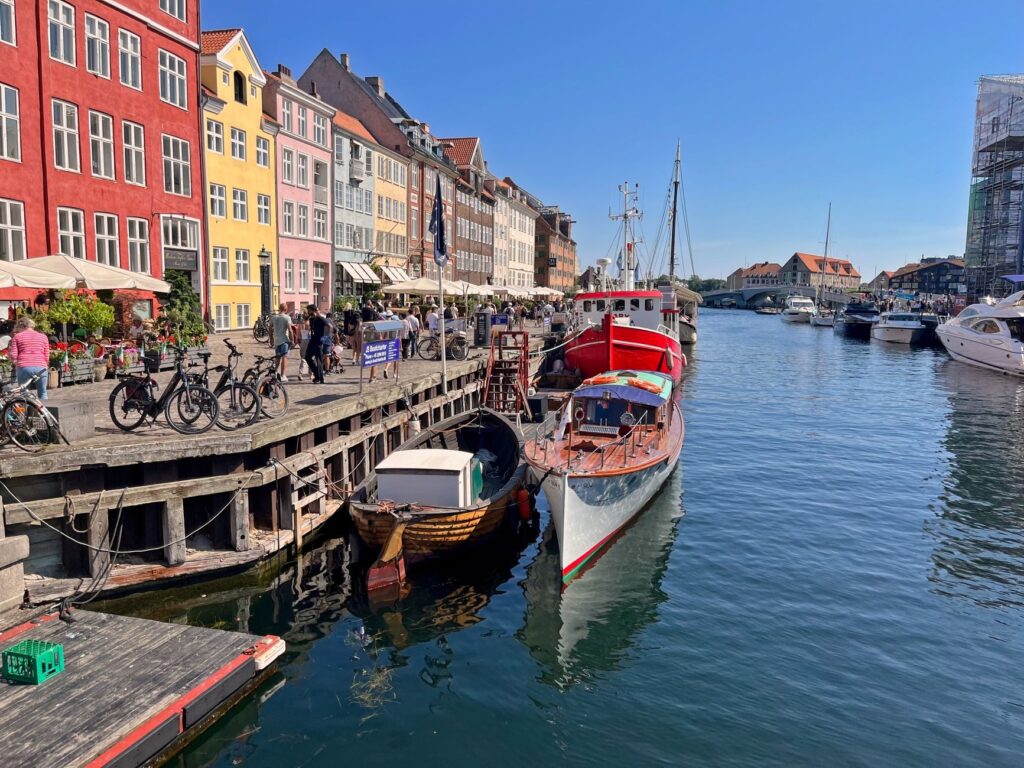
That separation reduces friction between pedestrians and cyclists, but does not eliminate it. At peak times, some intersections become a ballet of glances and gestures. The unwritten rule is clear: pedestrians have priority at crosswalks, and cyclists must adjust their speed. Coexistence is negotiated daily, not imposed from an office.
“The bicycle is not an end in itself, but a tool to recover the human scale of the city,” note Copenhagen City Council documents on urban planning.
Infrastructure that considers climate and people
Copenhagen’s climate is not benevolent: cold winters, winds, and frequent rain. Yet active mobility does not stop. The city has invested in infrastructure that accounts for these conditions: wind-protected lanes, adequate lighting, and constant maintenance, even in the harshest months. Bicycle bridges, such as Dronning Louises Bro or Cykelslangen, are examples of design that prioritizes flow and safety.
In addition, the public transport network integrates with the bicycle: bikes are allowed on commuter trains at certain times, and many stations have secure parking. This intermodality is essential for those who live in the suburbs and work in the center.
Accessibility: beyond the bike
Active mobility in Copenhagen is not limited to those who pedal. The city has also worked on pedestrian accessibility, with wide sidewalks, curb cuts at corners, and obstacle-free routes. For people with reduced mobility, there are options such as adapted bicycles and public transport services with space for wheelchairs.
However, not everything is perfect. Some areas of the historic center have uneven cobblestones that make wheelchair transit difficult, and the density of cyclists can be overwhelming for older visitors. The city acknowledges these challenges and has launched improvement plans, but the balance between preserving heritage and ensuring accessibility remains an open debate.
A travel experience without rush
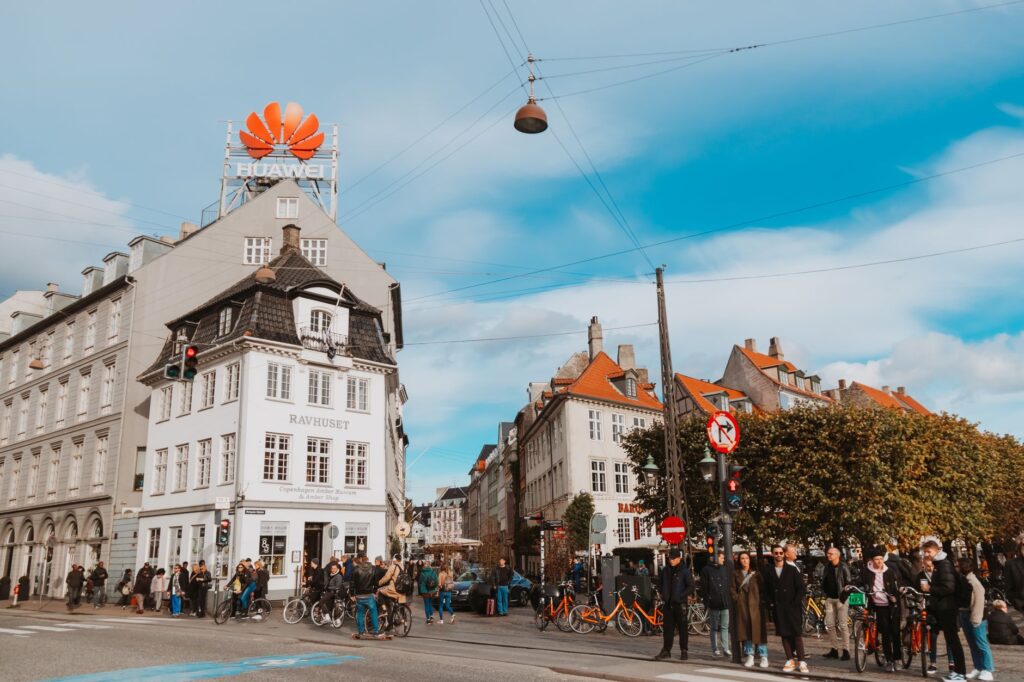
For the visitor, exploring Copenhagen on foot or by bike is a way to discover the city at a leisurely pace. Neighborhoods like Vesterbro, Nørrebro, or Christianshavn reveal themselves in details: colorful facades, specialty coffee shops, and canals that invite you to stop. The infrastructure facilitates exploration without the need for a rigid plan.
Renting a bicycle is easy, with numerous rental points and electric bike options for longer trips. But you can also walk: the center is compact and most attractions are within a 20-minute walk. The city is designed so that the journey is part of the experience, not a mere displacement.
The role of civic culture
Coexistence in public space depends largely on civic culture. In Copenhagen, cyclists signal their turns with their hands, respect traffic lights, and yield to pedestrians. Drivers, for their part, are used to sharing the street and tend to be cautious. This etiquette is not innate: it is taught from childhood, with road safety programs in schools.
For visitors, adapting to these norms is part of the learning. Renting a bicycle involves knowing the basic rules: ride on the right, do not use your phone, and avoid lanes going the opposite direction. Local authorities offer information in several languages, but the best guide is observation.
Challenges and tensions of an admired model
Despite its reputation, Copenhagen’s model faces challenges. The rise of electric and delivery bikes has intensified lane use, generating conflicts between fast and slow cyclists. In addition, the city is growing and the outskirts require mobility solutions that do not always involve bikes. The expansion of the metro and improvements to public transport are part of the strategy to prevent active mobility from becoming a privilege of the center.

Another challenge is integrating new residents and visitors who are unfamiliar with the system. Signage is clear, but the density of users at peak times can be intimidating. The city is working on awareness campaigns and more intuitive design to reduce these frictions.
Practical guide
If you plan to visit Copenhagen and want to get around actively, here are some useful tips based on available information:
- Bicycle rental: There are numerous shops and shared bike systems. Electric bikes are useful for long distances, but respect speed rules.
- Basic rules: Ride on the right, use hand signals to turn, do not use your phone while pedaling, and respect traffic lights.
- Public transport: You can combine bike and train at permitted times. Check conditions at stations.
- Accessibility: If you have reduced mobility, inquire about adapted routes and specific services. The historic center may present difficulties due to cobblestones.
- Best season: Spring and summer are ideal, but autumn offers golden landscapes and fewer crowds. In winter, wear appropriate clothing and check lane conditions.
- Recommended duration: Two days allow a first impression; five days, to explore neighborhoods and take nearby train excursions.
The experience of moving around Copenhagen on foot or by bike is a lesson in living urbanism. It is not a perfect city, but a laboratory that continues to adjust its rules so that coexistence is possible. For the traveler, the reward is a slower, more attentive look at a capital that has made sustainability its hallmark.
“The true success of active mobility is not measured in kilometers of bike lanes, but in the quality of public space it generates,” reflect local urbanists.
At the end of the day, when the lights come on and cyclists head home, Copenhagen shows its most human face: a city that breathes at a different rhythm, where the journey matters as much as the destination.