
The Route of Steel Colossuses Above the Andean Abyss
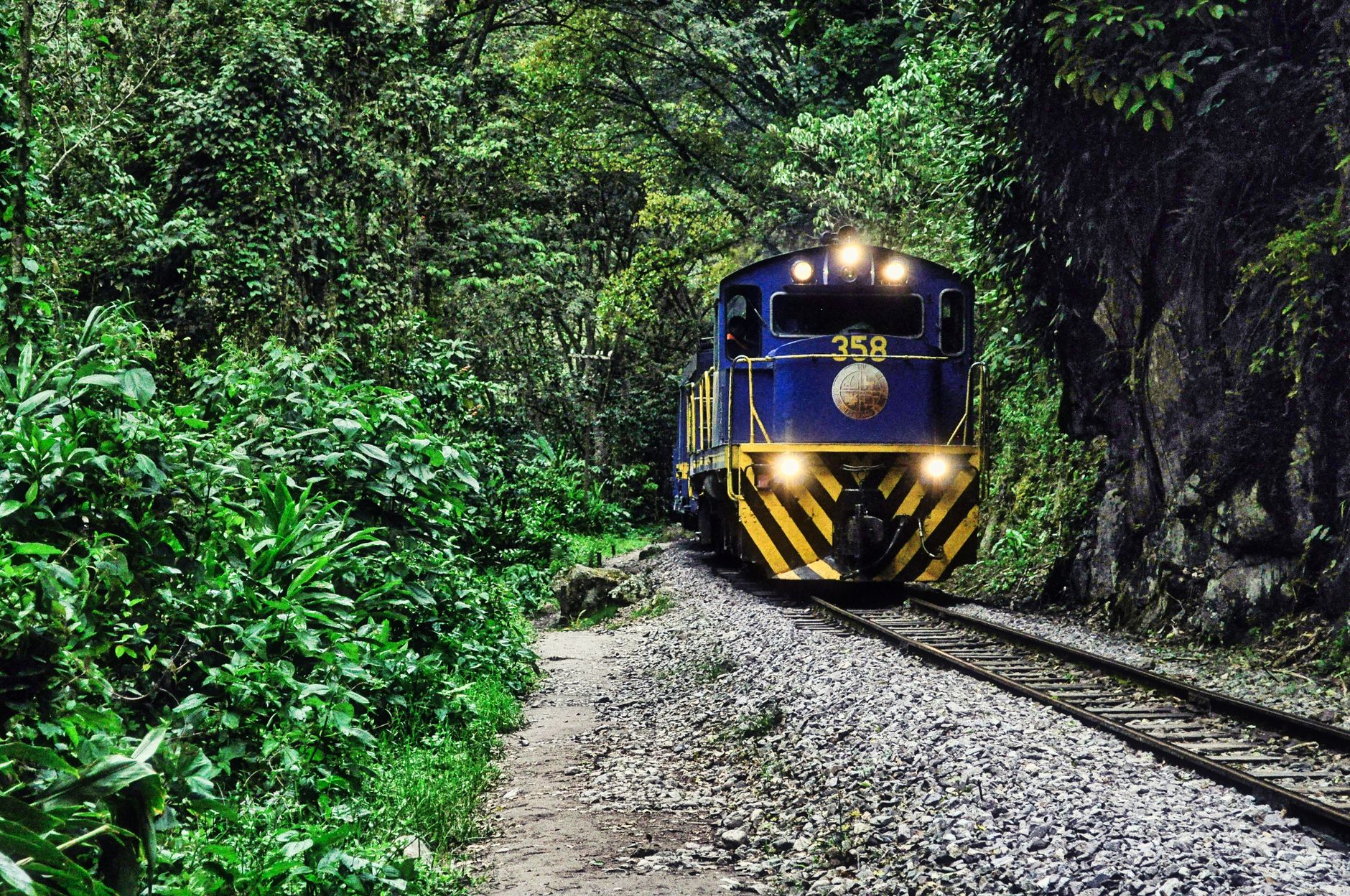
The Central Railway of Peru stands as one of the most daring engineering feats ever conceived in the American continent. As the tracks leave sea level at the port of Callao and meander through coastal valleys, they begin an unrelenting ascent that leads them to the soaring summits of the western Andean cordillera. This route is not merely a communication channel; it is a monument to human determination against unforgiving geography.
For decades, this railway journey has fascinated engineers, historians, and avid travelers. The complexity of overcoming extreme gradients forced builders to devise technical solutions unprecedented for their time, turning the route into an open-air museum of nineteenth-century civil engineering. Every tunnel carved into living rock and every bridge suspended over dizzying canyons tells a story of colossal effort.
The need to connect the rich mineral deposits of the country’s central highlands with Pacific ports spurred this monumental deployment. Far from being a mere tourist attraction, the train constituted Peru’s economic backbone during its peak export era, redefining commercial dynamics across the entire Andean region.
The Visionary Legacy of Henry Meiggs and a Diverse Workforce
The realization of this monumental rail route bears the imprint of American entrepreneur Henry Meiggs, whose bold vision defied the laws of physics and the financial constraints of the era. With a mixture of pragmatism and audacity, Meiggs undertook the challenge of tracing a line climbing through gorges where pack animals barely found footing.
The physical labor fell upon thousands of workers, including Peruvian peasants, Chinese coolie immigrants, and contingents of diverse origins who faced extreme weather conditions, altitude fatigue, and tropical fevers. Chronicles of the period recall the harshness of the shifts along the mountain slopes, where dynamite and pickaxes cleared the way inch by barren inch.
This labor melting pot left an indelible mark on the identity of communities settled along the tracks. The populations that grew up alongside the sidings and railway workshops adopted a hybrid culture, deeply shaped by the inexorable rhythm of the train whistle and the movement of freight.
High-Altitude Architecture: Zigzags and Vertiginous Bridges
One of the Central Railway’s greatest technical achievements lies in its zigzag system, a masterful solution for gaining altitude on slopes with insurmountable gradients. Unable to trace curves of sufficient radius, engineers designed sections where the train moves forward, stops, and reverses along a parallel track set at a higher level, repeating the maneuver like a giant staircase.
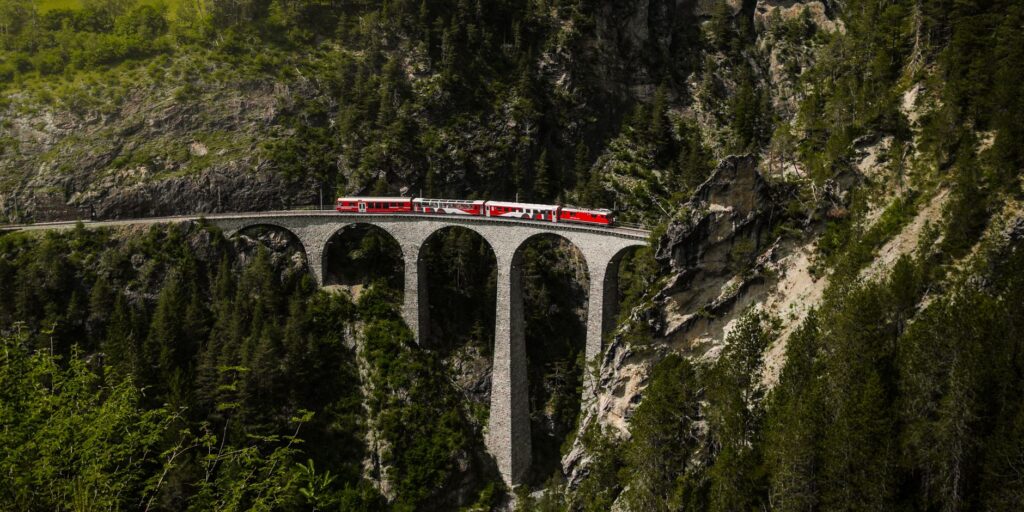
Metal bridges prefabricated in Europe and the United States, transported on muleback and assembled over impossible chasms, constitute another heritage jewel. Structures like the emblematic Verrugas bridge, which once challenged global engineering, demonstrate the precision with which every ton of static and dynamic load was calculated.
Along the more than five hundred kilometers of route to Huancayo, the traveler crosses dozens of dark, cold tunnels, many excavated with hand drills. The transition from coastal aridity to high-andean grasslands is perceived in both the landscape and the architecture of the stations.
The Geography of Scarce Oxygen: The Challenge of Ticlio
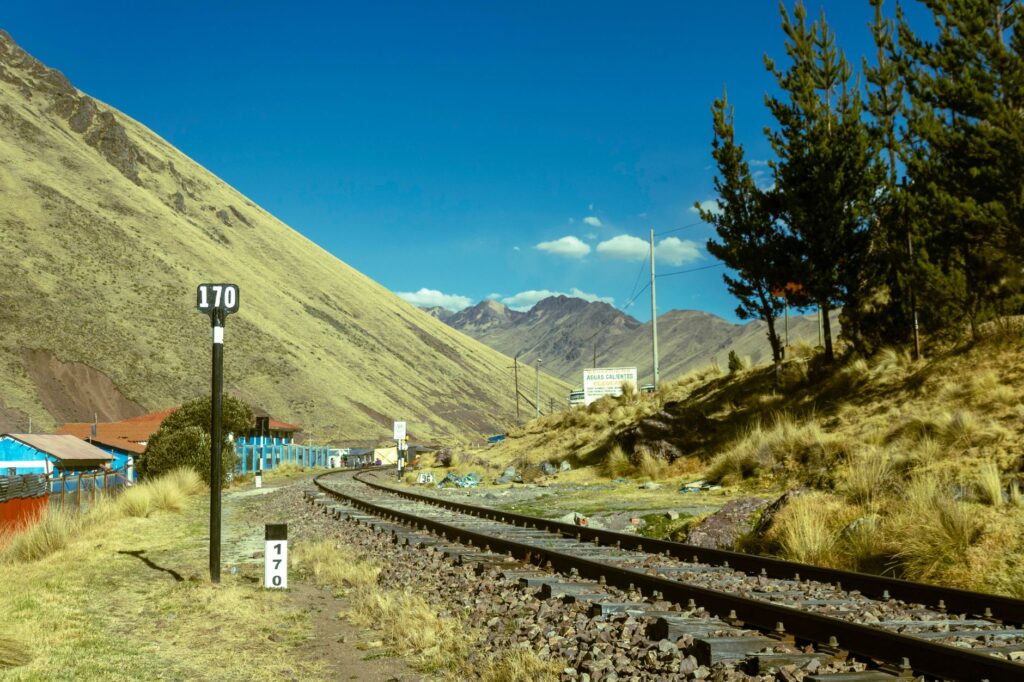
Overcoming the Andean barrier required conquering the Ticlio pass, one of the highest railway points on the planet, situated at 4,818 meters above sea level. In this sector, the lack of oxygen affects both classic steam locomotives and the human body, turning the journey into a singular physiological experience.
Locomotives had to deal with declining atmospheric pressure, which reduced internal combustion efficiency in modern engines and boiler power in traditional units. Engineers required exceptional skill to regulate traction and prevent wheels from slipping on rails iced by morning frost.
For today’s passenger, crossing Ticlio means peering into a lunar landscape where the crystalline water of glacial lakes contrasts with the ochres of vegetation-barren hills. It is a constant reminder of human life’s extreme fragility before the grandeur and severity of the mountain environment.
Monsoon Logistics and Seasonality in the Central Highlands
The operation of the Central Railway runs under a rigorous regime conditioned by the climatic seasonality of the Andean region. Between December and April, intense rainfall triggers mudslides, known locally as huaycos, which constantly threaten the stability of the rail bed.
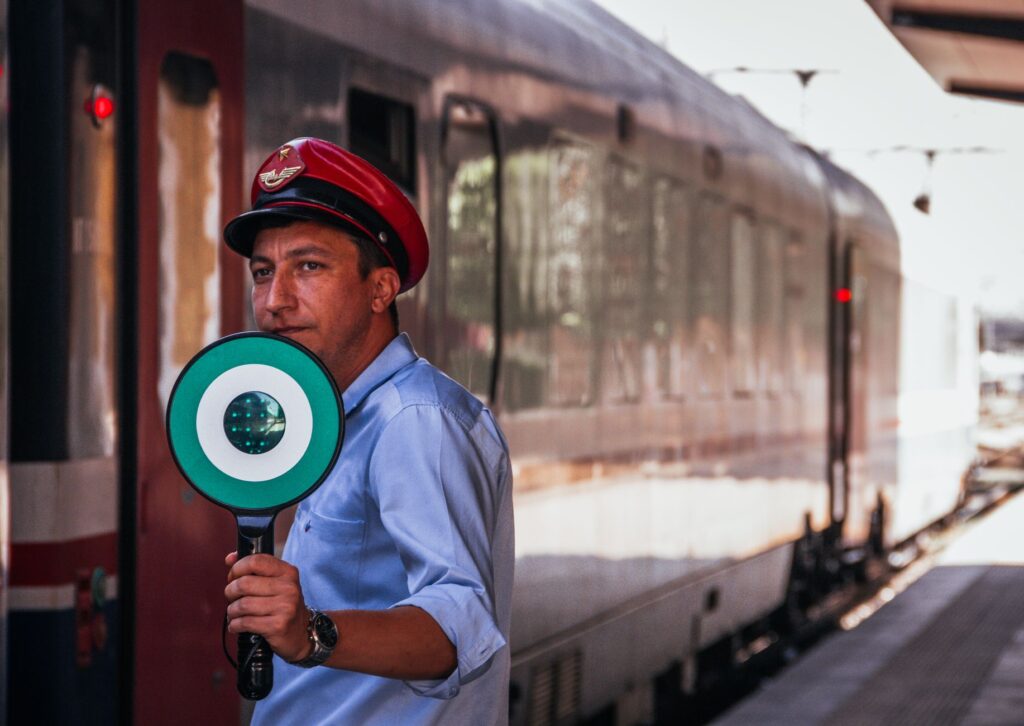
Track maintenance teams continuously monitor slopes and gorges, mobilizing heavy machinery and emergency crews to clear the tracks in record time. This preventive logistics is vital to prevent community isolation and ensure the uninterrupted flow of minerals and agricultural products to consumer markets.
During the dry season, from May to November, challenges shift in nature, prioritizing dust control in arid zones and meticulous inspection of metal bridges against the sharp daily thermal oscillations experienced in the high mountains.
The Socioeconomic Pulse of Inter-Andean Valleys
Beyond its original industrial function, the railway has historically served as the great articulator of inter-andean valleys, connecting agricultural production from the Mantaro Valley with coastal urban centers. Tubers, vegetables, and grains find an efficient, high-capacity transport medium in the train.
The Sunday markets of Huancayo and Jauja traditionally depended on the punctual arrival of convoys to provision themselves with manufactured goods and stimulate regional commerce. This economic interdependence cemented deep cultural ties between peasant communities and coastal cities.
Today, although highway transport dominates freight volume, the train retains incalculable strategic value as an alternative for mass, secure transport, especially when roads blocked by landslides isolate highland populations.
The steel crossing the Andes is not merely an alloy of carbon and iron; it is the backbone that united worlds that geography had chosen to keep apart forever.
High-Altitude Railway Tourism: A Contemplative Experience
In recent decades, the Central Railway has partially mutated its operational profile to welcome specialized tourism. The tourist train departing sporadically from Lima to Huancayo offers rail enthusiasts an unmatched journey for its landscape richness and historical value.
Aboard coaches adapted for observation, travelers enjoy a service including medical assistance to combat soroche or altitude sickness, guides specialized in railway history, and strategic stops at the most picturesque points of the route.
This tourism modality has revitalized small rural localities that previously watched the train pass without obtaining direct benefits, fostering the sale of local crafts and typical gastronomy from Peru’s central highlands.
Practical guide
- How to get there: The starting point for special tourist trips is Desamparados Station, located in Lima’s Historic Center.
- Frequency and operation: Departures to Huancayo are neither regular nor daily; they operate on specific dates throughout the year, especially between July and November, due to weather conditions.
- Physical preparation: It is essential to acclimatize in Lima for at least two days before starting the ascent and consult a physician regarding altitude sickness medication.
- Recommended attire: Bring layers of thermal clothing, windbreakers, UV-protected sunglasses, and broad-spectrum sunscreen to withstand high-altitude radiation.
- Ticket booking: High demand and limited seats require purchasing tickets months in advance through the railway operator’s official channels.
High-Altitude Silences and the Memory of the Rails
When the last carriage enters the gloom of a tunnel over four thousand meters high, the metallic sound of wheels over rail joints seems to converse directly with the millenary echo of tutelary apus. There are no stridencies in this final leg of the journey, only the steady murmur of the engine struggling against the slope and passengers’ relieved sighs upon contemplating the immensity of the Andes.
Remaining on the observation platform at dusk, when golden light fades over snowy peaks, reveals the authentic dimension of this iron feat. Communities living alongside the track watch the convoy pass with distant familiarity, conscious that those steel threads represent their anchor to the rest of the world.
The Central Railway continues writing its history on wooden ties and meticulously placed ballast, resisting the passage of time and proving that nineteenth-century audacity remains alive in the heart of South American geography.