
The Geometry of Provision in the City of the Adelantados
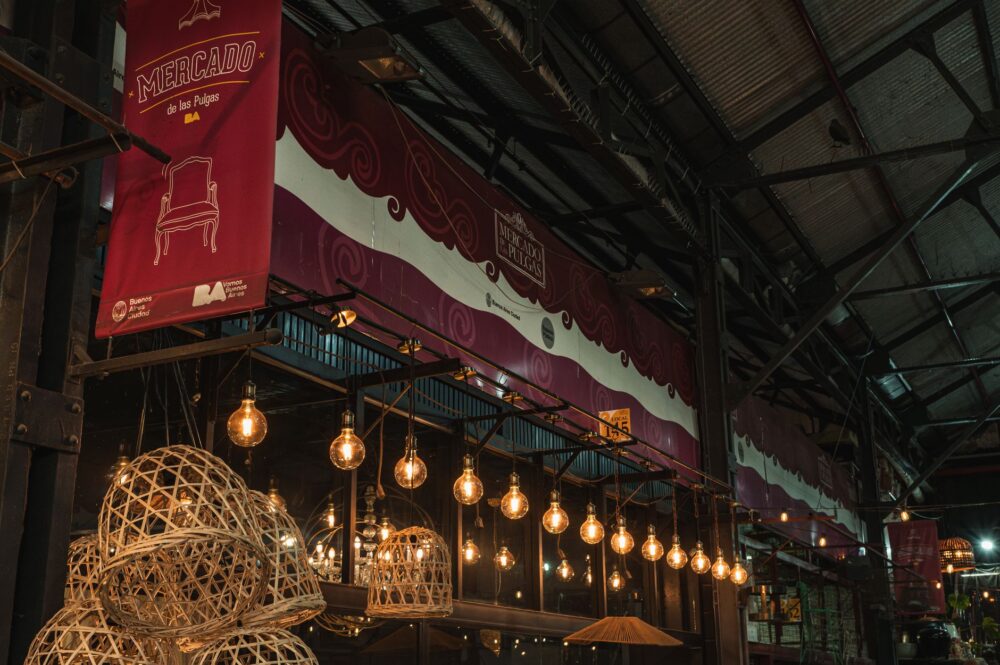
Beneath the orthogonal grid drawn by the Renaissance in the heart of Tenerife, the architecture of island provisioning responds to an ancestral need for order and encounter. The Municipal Market of La Laguna is not merely a commercial exchange point, but the great living archive where the seeds of Macaronesia converge with hands weathered on volcanic slopes. Every morning, before the characteristic mist of Aguere completely dissipates among church towers and stately manors, the metal stalls and wooden counters transform into an altar offering the generosity of a demanding land.
Walking through these halls means entering an ecosystem where local produce preserves denominations and virtues that have barely crossed island borders. Here, heritage potatoes—varieties such as the bonita, the negra, or the azucena—are not sold as mere tubers, but as a genetic treasure cultivated in the very ash terraces where past generations sculpted the landscape. The vendors, heirs to a lineage of farmers and traders, explain with doctoral patience the virtues of each harvest, establishing a direct dialogue between consumer and grower that rarely survives in continental supermarkets.
The market’s rhythm is marked by invisible yet strict beats. The first to arrive are the wholesalers supplying northern taverns and country inns, followed by restaurateurs seeking absolute freshness, and finally the local resident carrying a shopping cart and the demands of a critical palate. In this space, early 20th-century metallic architecture blends with contemporary bustle, creating an atmosphere where time seems to slow down to pay tribute to the daily toil of the Canarian primary sector.
The Pantry of the Ravines and the Mystery of Gofio
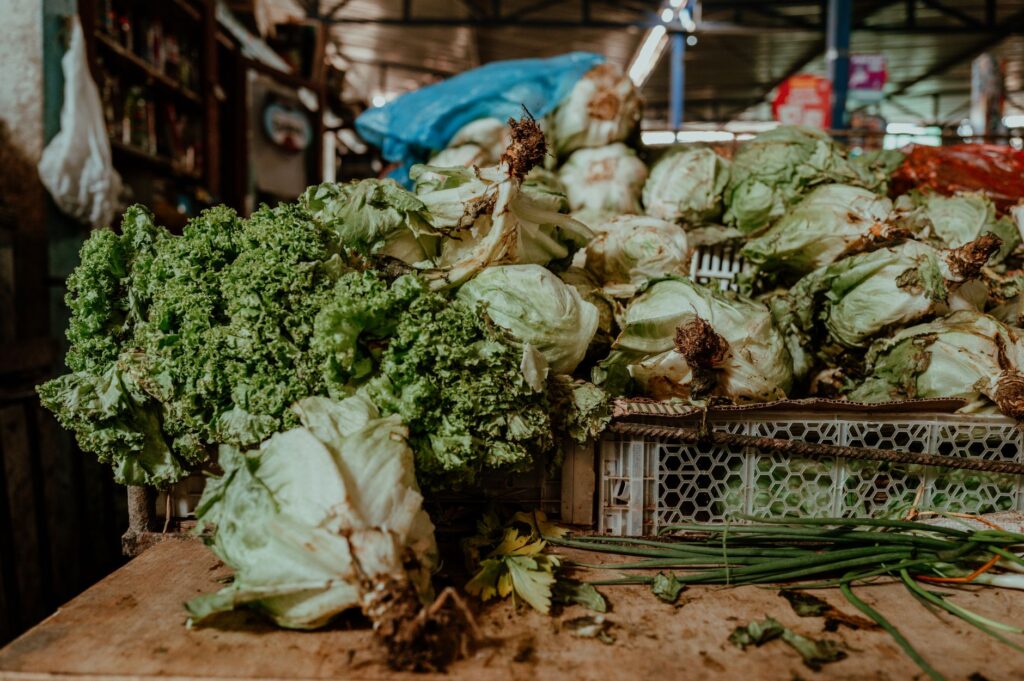
If there is one element that underpins the culinary identity of this Tenerife region, it is grain milling and the production of gofio, a pre-Hispanic staple food that has accompanied the socio-economic evolution of the archipelago without losing an iota of its original dignity. In the market’s specialty stalls, open sacks display textures ranging from blonde wheat to toasted corn, alongside centennial mixtures incorporating legumes. The roasted aroma impregnates the environment, recalling that this nutritional powder sustained oceanic voyages and served as refuge against historical famines.
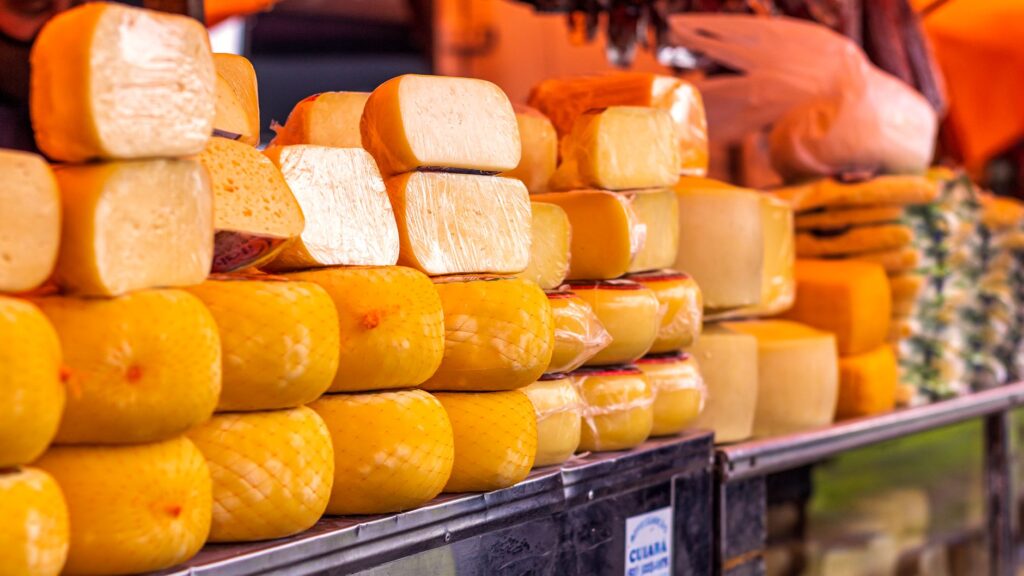
Alongside the mills, artisanal cheese stalls display a fascinating geological and dairy map. Goat cheeses crafted in the highlands of Anaga or the pastures of Monte de La Esperanza feature rinds rubbed with paprika, gofio crusts, or washes in local red wine. Each wheel tells the story of a herd grazing on impossible slopes, feeding on spurges, shrubs, and Atlantic scrubland. Cheesemakers defend traditional coagulation methods using vegetable rennets and maturation techniques in natural caves where marine humidity plays a decisive role.
The richness of this display is completed by mid-altitude market gardens. Crops harvested in fertile valleys descending toward the sea arrive with leaves still bright green and traces of damp earth. Here, bubangos—a local variety of tender, elongated zucchini—coexist with sweet corn cobs, rugose avocados, and a broad palette of wild aromatic herbs used by healers and cooks with equal mastery for herbal teas or cauldron stews.
The market is not the end of the food chain, but the beating heart where the memory of the earth and the dignity of the farmer converge.
The Secret of the Slopes: Heroic Agriculture in Anaga
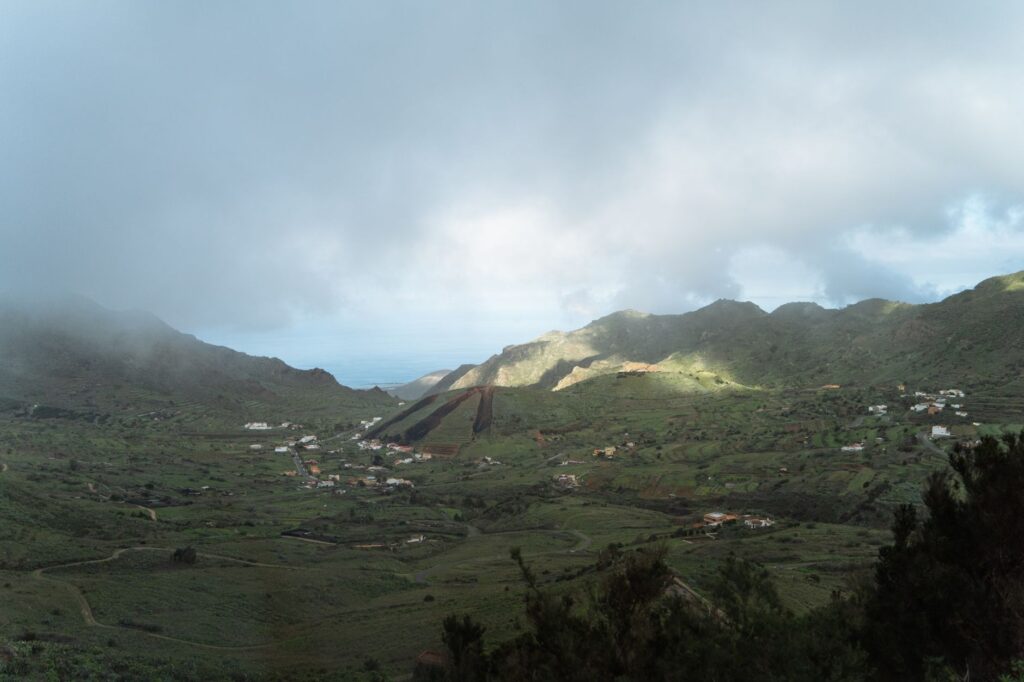
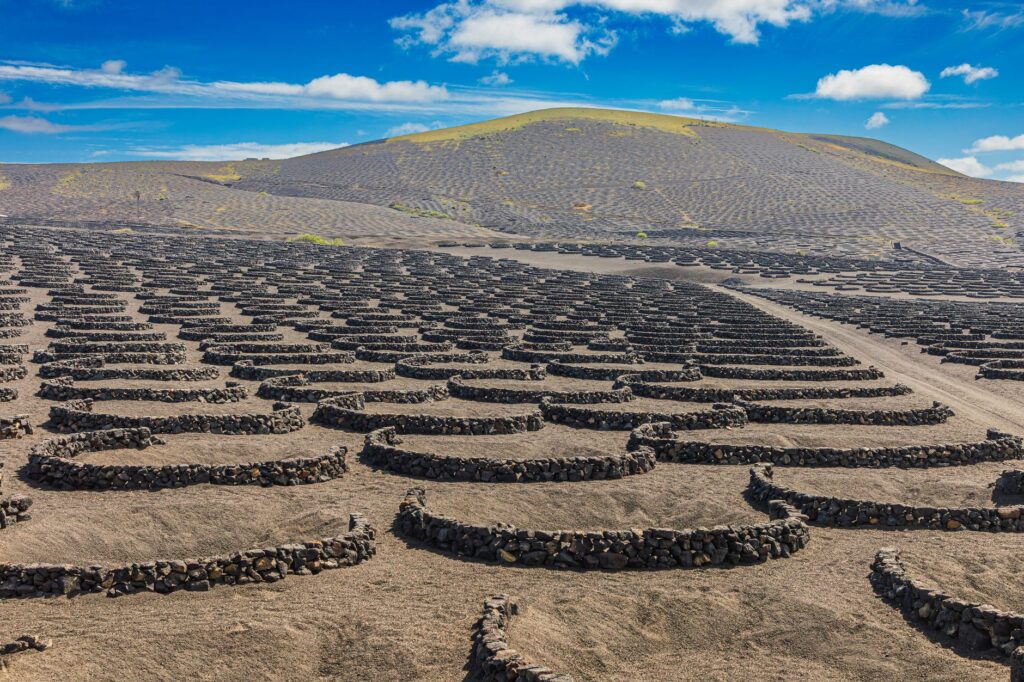
To grasp the magnitude of what is displayed on La Laguna’s counters, it is essential to ascend toward the Anaga Rural Park, a laurel forest mass plunging abruptly toward the ocean, carving out dizzying cliffs and ravines. In this territory declared a Biosphere Reserve, agriculture is justly defined as heroic. Terraced plots are supported by dry-stone walls built by hand, where every square meter of arable land is a triumph against gravity and trade wind erosion.
In these domains where horizontal fog moisture—the sea of clouds—acts as a natural irrigation system, farmers cultivate dry-farming varieties requiring minimal human intervention beyond the hoe and patience. Old-vine listán negro, negramoll, and vijariego grapes cling to volcanic soils through traditional pruning systems that resemble sculptures twisted by time. From these grapes come wines protected by the Tacoronte-Acentejo Denomination of Origin, reds and dry whites possessing unmistakable minerality marked by salt spray and basalt.
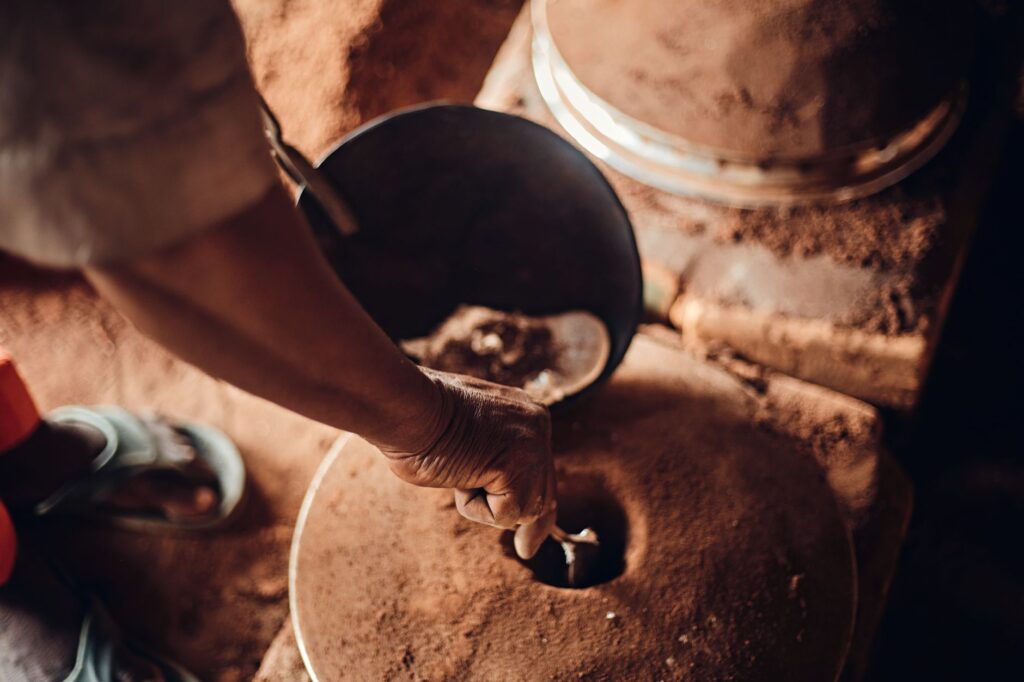
The relationship between man and environment in Anaga is an exercise in intelligent survival. Royal paths traversing the massif, formerly trade routes traveled on foot between coastal populations and mountain summits, continue to be used by locals transporting harvests by mule or in wicker baskets. This persistence of ancestral methods ensures that produce arriving at the market retains an organoleptic purity impossible to replicate in intensive agriculture.
The Liturgy of the Lagunero Hearth: Tradition and Modernity
Back in the historic center, traditional cooking in La Laguna finds refuge in country taverns and homestyle dining rooms, offering the perfect shelter for market products. Dishes such as Canarian stew, ribs with potatoes and corn, or salted wreckfish accompanied by green mojo and wrinkled potatoes constitute a recipe book where each ingredient serves a strictly climatic and nutritional function, designed to temper high-altitude mists.
However, the city’s high-end dining scene has successfully interpreted this legacy without falling into empty folklore. Young chefs trained in prestigious peninsular and international schools return to their homeland to apply cutting-edge techniques to market provisions. Thus, wreckfish undergoes millimeter-precise curing inspired by Japanese sashimi, heritage potatoes transform into aerodynamic high-density foams, and corn is reinterpreted in fine-pasty desserts that revalue humble ingredients.
This duality between the lifelong fonda and the gastronomic restaurant generates a remarkably mature culinary ecosystem. Diners can breakfast on a goat cheese and spiced sausage sandwich within the market itself, lunch on a seafood stew in an old-school tavern, and dine on a haute cuisine tasting menu overlooking baroque domes, proving that tradition and innovation are not enemies, but links in the same evolutionary chain.
Practical guide
Planning a route through La Laguna Central Market and the foothills of Anaga requires attending to natural rhythms and island logistical organization to maximize the gastronomic and anthropological experience.
- How to get there: Tenerife North Airport (TFN) is located just five kilometers from La Laguna’s historic center, connected via the metropolitan tramway or regular bus lines.
- When to visit the market: Tuesday to Saturday mornings, between 08:00 and 13:00 hours, concentrate the highest commercial activity and the arrival of producers with fresh produce from the mid-altitudes.
- Excursions to Anaga: Renting a compact vehicle is recommended to navigate secondary roads in the Rural Park, paying special attention to safety regulations on tight curves and respecting protected areas.
- Accommodation: La Laguna’s historic center features numerous boutique hotels housed within meticulously rehabilitated 17th- and 18th-century noble manors.
- Recommended purchases: Artisanal stone-ground gofio, local denomination goat cheeses, heritage potatoes for fresh consumption, and Tacoronte-Acentejo D.O. wines.
The traveler who understands the value of a grain of gofio and the firmness of a dry-stone wall in Anaga has deciphered the true character of Tenerife.
The Atlantic Pulse on the Plate
As evening falls, when golden western light strikes the basalt stone of La Laguna’s streets and trade-wind clouds dissolve against the peaks, the cycle of island provisioning reaches temporary quietude. Market stalls close their metal shutters until the following dawn, but the residue of their activity remains alive in home kitchens and city restaurants. Canarian cuisine, far from being a mere catalog of nostalgic recipes, reveals itself as a constantly mutating organism, capable of dialoguing with a globalized world without surrendering an iota of the volcanic roughness that gave it birth.
Understanding this territory through its flavors requires renouncing haste and accepting the rhythms of land and sea. Each bite of heritage potatoes drizzled with red mojo, each sip of mineral wine from wind-lashed vines, and each spoonful of broth made from ravine vegetables configure a cultural manifesto as solid as the foundations of the city itself. La Laguna, declared a UNESCO World Heritage site for its urban layout, thus demonstrates that its greatest monument resides not only in its temples and palaces, but in the tireless capacity of its people to turn the harshness of the volcanic substrate into a feast of civilization and memory.