
Iron Origins Facing the Sea
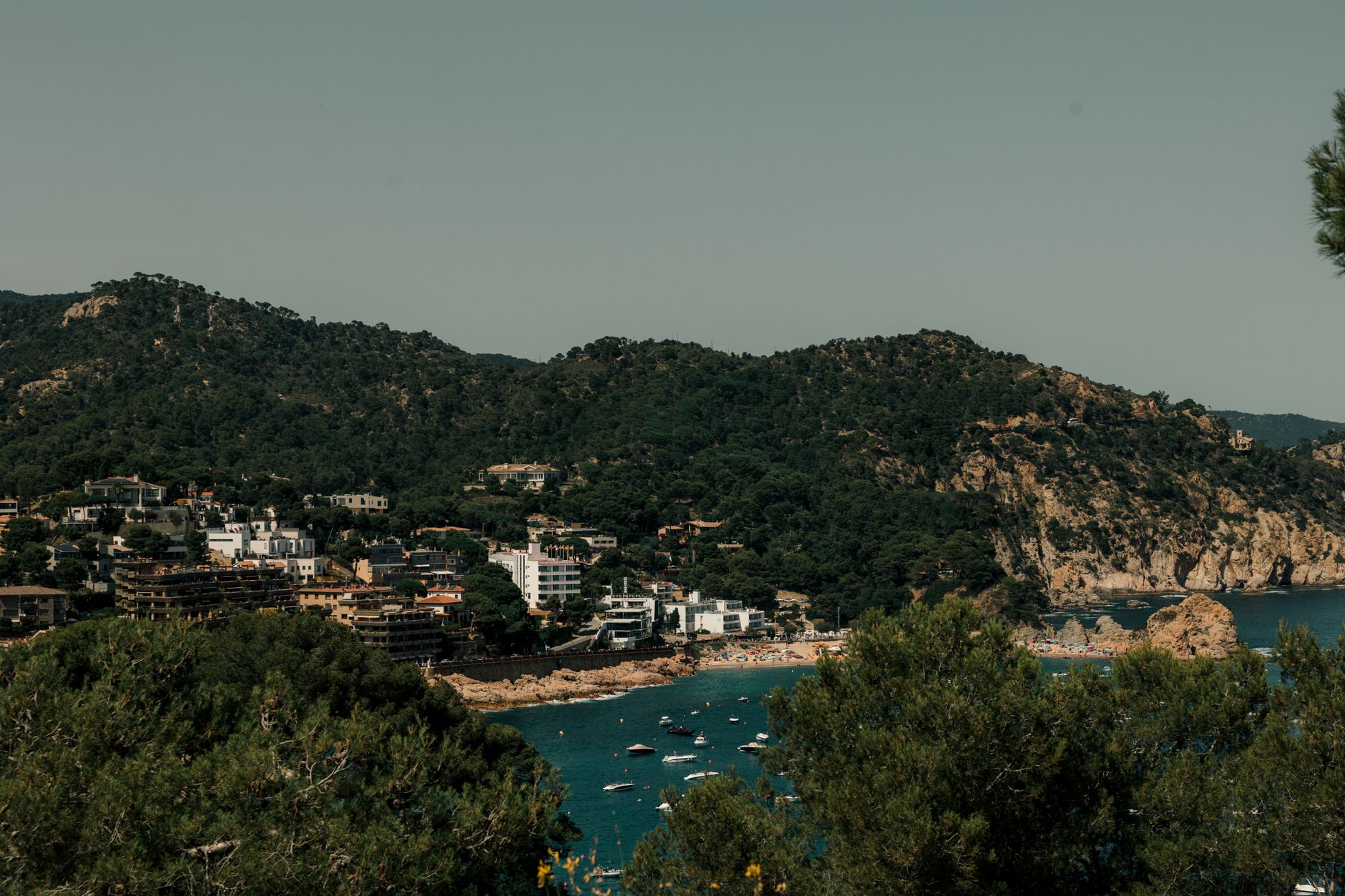
The history of communication along the Girona coastline has not always been written on the asphalt of modern highways. At the dawn of the twentieth century, the pressing need to connect fishing communities with the agricultural interior spurred one of the most daring civil engineering feats in the northeastern Iberian Peninsula. The railway network popularly known as the Carrilet de la Costa Brava was conceived to tame an abrupt topography, where the spurs of the Gavarres mountains plunge directly into the Mediterranean coves. Far from seeking straight lines, the engineers of the era had to trace a meticulous choreography of tight-radius curves and impossible embankments that survive today as an archaeological testimony of incalculable heritage and landscape value.
The economic pulse of that rural Catalonia depended entirely on this thread of steam and iron. Locomotives transported not only essential cargo such as cork, salted fish, and olive oil, but also wove a network of sociability among communities previously isolated by natural orographic barriers. Every station served as a meeting point where time slowed down to the rhythm of approaching trains. Today, traversing the vestiges of this infrastructure allows us to understand how the territory adapted to technical limitations through artisanal construction solutions that integrated local stone with the early metallurgical advancements of the Catalan industrial revolution.
The Architecture of Stone Halts
The architectural heritage associated with this railway route is characterized by functional sobriety and harmonious integration with the geological surroundings. Unlike the monumental stations of major European capitals, the Carrilet halts were designed as discreet refuges built from granite masonry and gray slate, materials quarried directly from the region’s own quarries. Gable roofs, engineered to withstand heavy eastern gales, and hardwood eaves protected travelers from inclement weather while waiting for the punctual arrival of motor coaches. These buildings, many of them repurposed today as interpretation centers or local libraries, retain their original lintels and exposed stone plinths, evidencing the rigorous craftsmanship of an era where durability took precedence over ostentation.
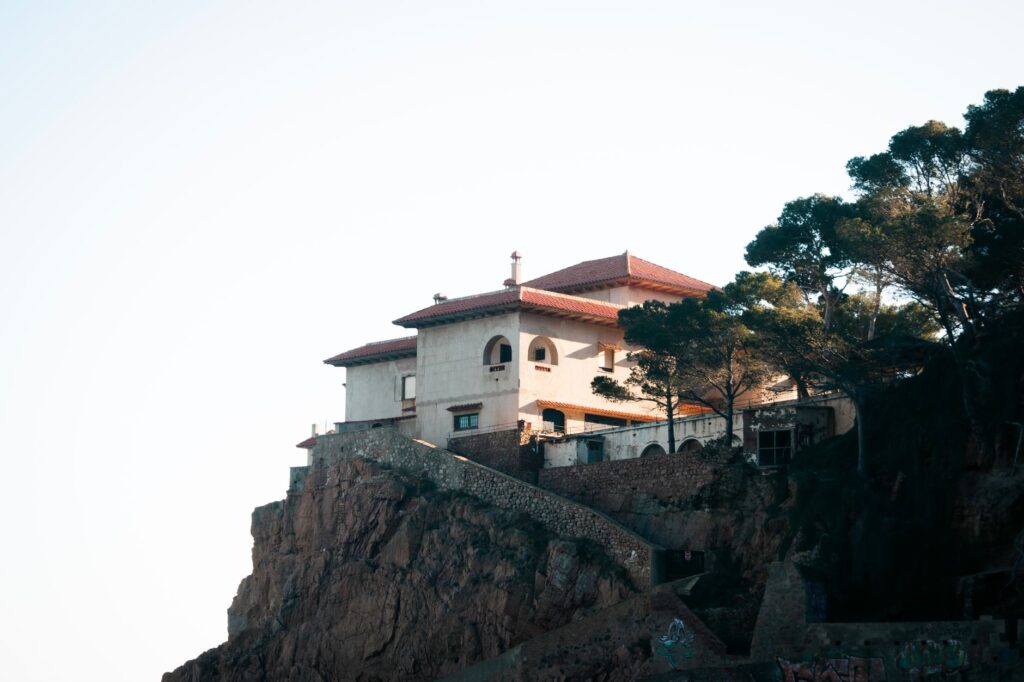
The track did not merely unite villages; it sculpted a landscape where human hands engaged in a respectful dialogue with the ruggedness of the cliff.
Behind each facade lies an interior layout rigorously studied to optimize railway operations. Former waiting rooms, equipped with cast-iron stoves to combat winter humidity, connected directly to the station master’s office through hardwood wickets. Platforms, raised slightly above track level to facilitate the transfer of heavy cargo, maintain their original bevelled curbing. This attention to detail reveals an industrial design philosophy where public utility and landscape aesthetics walked hand in hand, bequeathing to the contemporary traveler a built environment of striking visual and material coherence.
Engineering and Alignment: The Challenge of Slopes
Overcoming the rugged orography of the Costa Brava demanded complex civil engineering solutions. Engineers faced the constant challenge of laying tracks over unstable cliffs and ravines carved by seasonal torrents. To achieve this, numerous lattice metal bridges and semicircular arch viaducts were projected, which continue to impress with their slenderness and structural resilience. These structures, calculated with generous safety margins, made it possible to bypass the steepest gorges without drastically altering the hydrological regime of coastal streams or destabilizing the clay slopes.
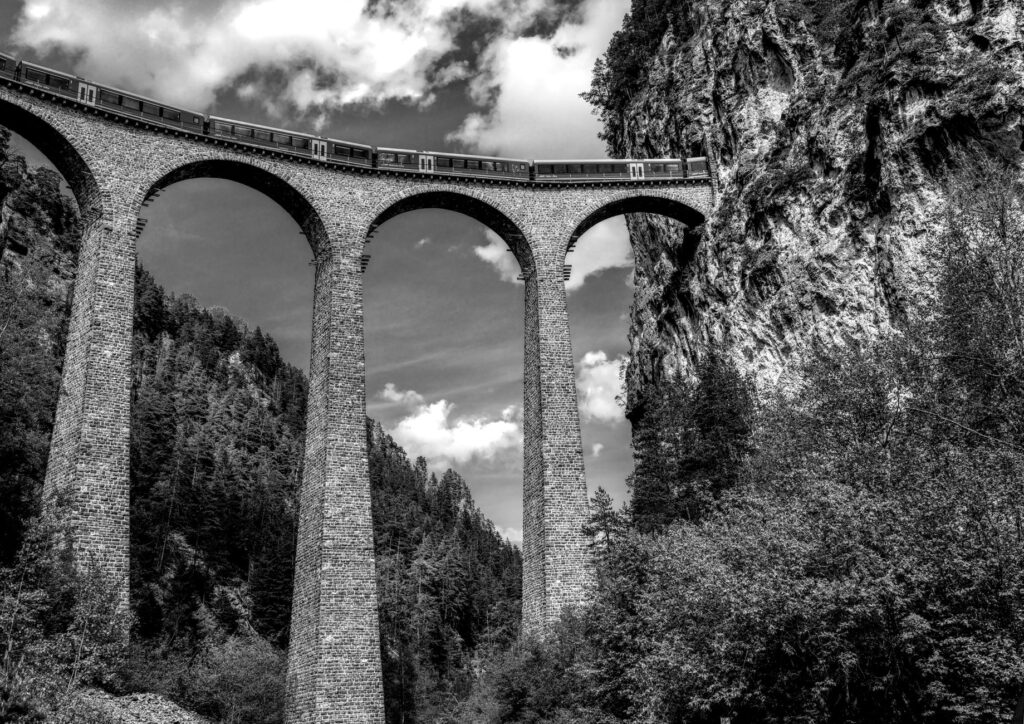
The alignment also features numerous tunnels hand-carved with pick and shovel through rocky promontories of schist. These subterranean passages, some exceeding three hundred meters in length, were designed with a gentle gradient to ensure natural drainage of seepage water. Emerging from the darkness of the rock, passengers experienced an immediate visual contrast upon encountering the vastness of open sea and dry-land farming terraces. This rhythmic alternation between the enclosed space of the tunnel and the panoramic opening over the gulf defines a unique travel experience that anticipates the modern concept of slow, contemplative tourism.
Agricultural and Wine-Growing Rhythm of the Route
As the train abandoned the coastal strip to delve into inland valleys, the landscape shifted dramatically, replacing stone cliffs with a green geometry of vineyards and grain fields. This ecological transition was also an economic one. Freight cars were adapted to transport barrels of young wine and fresh vegetables to coastal markets, while returning with imported fertilizers and building materials. The railway thus acted as a circulatory artery balancing the productive surpluses of the various districts crossed by the track.
Intermediate stops in these agricultural zones functioned as authentic open-air regional markets. Farmers took advantage of shunting maneuvers to commercialize their produce directly to passengers and local residents. This commercial dynamic consolidated a culinary culture rooted in seasonality and local sourcing, vestiges of which persist in the region’s municipal markets. The leisurely pace of the convoy allowed travelers to observe traditional terrace-farming methods supported by dry-stone walls, an agrarian landscape that now aspires to global recognition for its ethnographic and environmental value.
Contemporary Transformation: Greenways and Sustainable Mobility
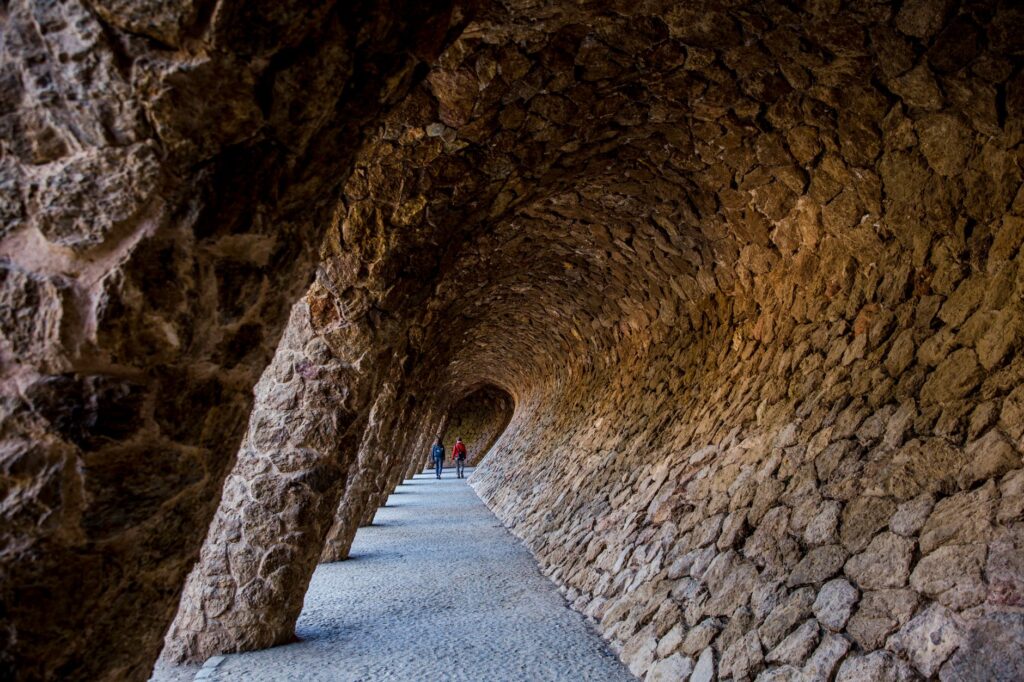
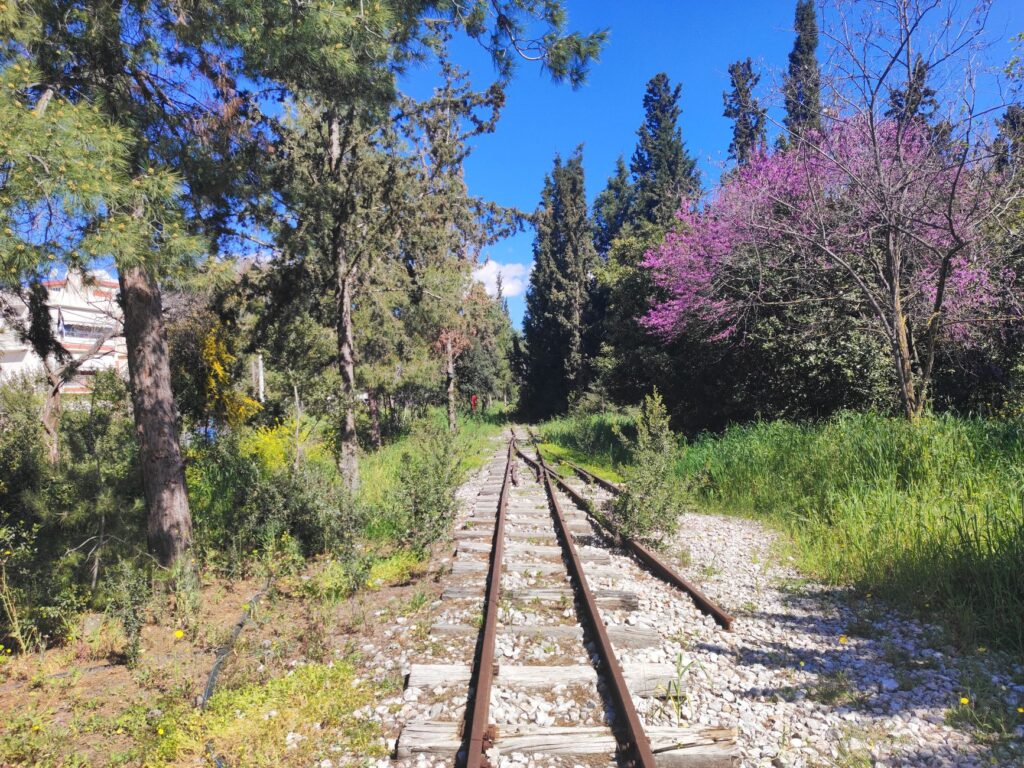
The definitive cessation of railway activity in the mid-twentieth century left behind a scar of ballast and abandoned ties threatened by oblivion. However, in recent decades, an ambitious heritage recovery project has transformed the old alignment into one of southern Europe’s most celebrated hiking and cycling routes. The adaptation of the surface, respecting original superelevations and signage, allows visitors to cover dozens of kilometers without steep inclines, democratizing access to landscapes that once required considerable physical effort or the exclusive use of motorized vehicles.
This green conversion has revitalized the local economy through the opening of unique accommodations, bicycle repair shops, and zero-kilometer restaurants. Former stations, once condemned to ruin, now house tourist information centers and environmental education hubs explaining the importance of preserving the biodiversity of biological corridors created around the old track. Thus, the railway has mutated its original function: whereas yesterday it carried coal and passengers, today it mobilizes an ecological awareness that values the territory on a human and respectful scale.
Coastal Ecosystems and the Green Corridor
The route of the former railway now functions as a vital ecological corridor connecting interior protected natural areas with coastal marine reserves. Along the way, native vegetation has colonized embankments and slopes, creating microclimates where characteristic botanical species such as Aleppo pine, helleborine, and various ferns adapted to tunnel humidity thrive. This green ribbon not only facilitates local fauna movement but also offers travelers a natural buffer against the visual impact of modern transport infrastructures running parallel through main valleys.
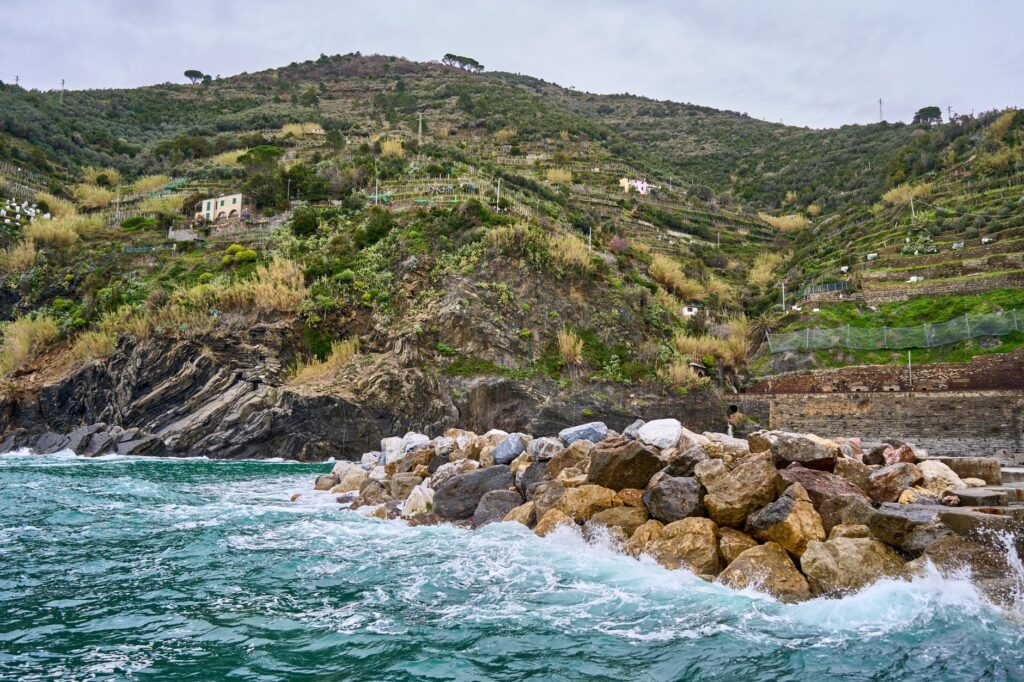
Nature has reclaimed the space of iron, weaving a corridor where Mediterranean flora accompanies every pedal stroke of the traveler.
Environmental management experts note that the low noise intensity of greenway users minimizes disturbance to nesting avifauna on marine cliffs. Species such as the peregrine falcon and the European shag find safe breeding habitats on inaccessible slopes alongside the track, far from the bustle of coastal highways. This precarious balance between public heritage use and biodiversity conservation demonstrates that a tourism development model compatible with the integrity of fragile Mediterranean coastal ecosystems is entirely achievable.
Practical guide
Getting There and Transport Options
The natural gateway to Girona’s greenway network is the city of Girona, connected via high-speed rail services (AVE and Avant) with Barcelona and Perpignan. From the main station, visitors can access the route directly via properly marked urban bike lanes. For those wishing to tackle specific coastal sections, interurban bus lines accommodate bicycle transport in luggage bays upon prior reservation, connecting major coastal towns with historical sites of interest along the route.
Recommended Season and Climatology
Although the Mediterranean climate permits cycling or walking year-round, optimal months are spring (April to June) and early autumn (September to November). During these periods, daytime temperatures hover around twenty degrees Celsius, avoiding the extreme heat of summer months. Checking weather forecasts before entering longer tunnel sections is essential, as local autumn storms can cause temporary water accumulations on unfavorable gradients.
# Equipment and Safety Recommendations
The route’s surface combines paved sections with compacted gravel, making gravel or mountain bikes equipped with mid-section tires highly recommended. Helmets and functioning front and rear lights are mandatory, as traversing old tunnels requires adequate illumination to ensure visibility for other users. Additionally, travelers are advised to carry sufficient drinking water, sunscreen, and sturdy footwear for connecting paths descending to secluded coves.
The Echo of the Whistle in Collective Memory
The journey along this railway corridor concludes when the golden light of dusk filters obliquely through centenary pines, casting long shadows over the gravel surface. In that moment of silence, when the bustle of tourist resorts fades away, one can still hear the distant echo of the metallic whistle announcing the train’s arrival at small rural halts. The infrastructure has died in its original conception, but its spirit survives, transformed into an invitation to halt time, to observe the landscape with the patience of one who travels at precisely the right speed to understand the scars and bounties of the land.