
There are cinematic projects that are born not simply from artistic ambition, but from a vital urgency to rewrite the margins of official history. When Javier Calvo and Javier Ambrossi decided to embark on the adaptation and direction of The Black Ball, they knew they were not shooting a standard biographical feature film or a conventional period piece. They were stepping into a territory mined with pain, beauty, and the persistent historical debt that Spain maintains with one of its most universal literary figures: Federico García Lorca. This monumental work stands as the film of the year not only because of its formal display, but due to the radical courage with which it articulates an emotional bridge between the poet’s tragic past and contemporary struggles for queer identity.
The creative journey of Los Javis has been guided by an almost archaeological obsession to rescue the luminous flashes of a violently truncated life, fleeing from flat melodrama to embrace a visual and narrative polyphony. Throughout this report, we explore the geographical and emotional enclaves that have shaped this cinematic epic across three distinct eras, breaking down the research processes, aesthetic dilemmas, and cultural impact of a film destined to transform the canon of our contemporary cinema.
The Genesis of an Obsession: From Theater Stages to the Film Set
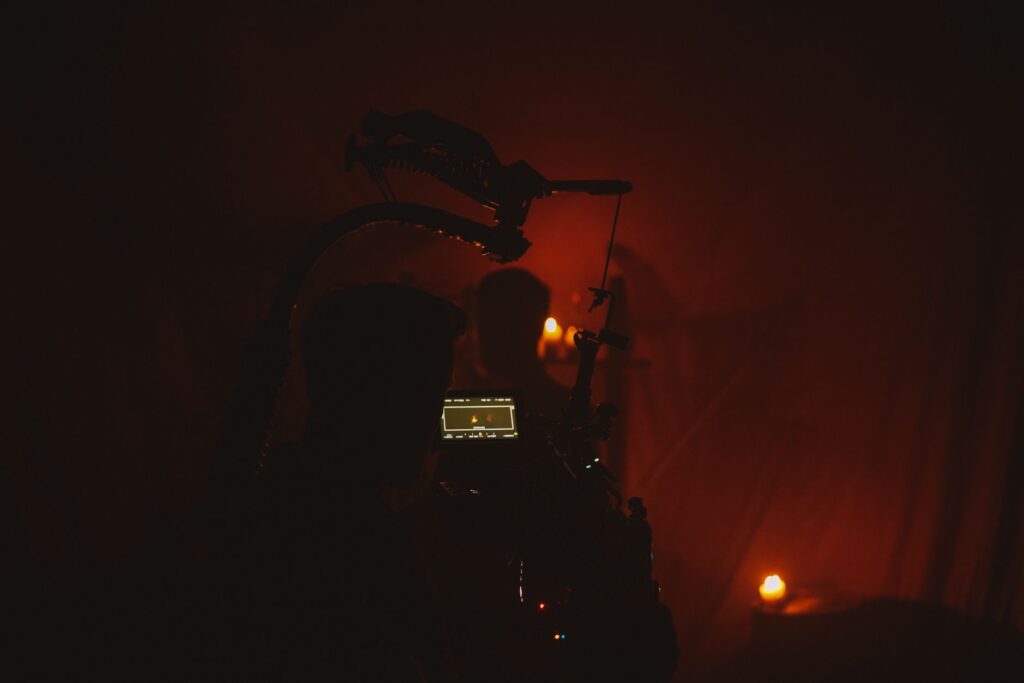
The gestation of The Black Ball does not follow the usual timelines of the Spanish audiovisual industry. For Javier Calvo and Javier Ambrossi, the project germinated for years as an intimate, constant dialogue with Federico García Lorca’s least-traveled texts—those where the poet from Fuente Vaqueros poured out his most intimate terrors and his boundless desire for freedom. Far from seeking an academic approach, the directors understood that to connect with new generations, they had to endow the narrative with contemporary urgency, using cinema as a time machine capable of abolishing chronological distances.
The writing process demanded exhaustive bibliographic research, consulting historical archives and epistolary collections that reveal a complex, contradictory, deeply human Lorca, far removed from the cardboard-cutout icon. Documental research became the foundation upon which a fragmented, challenging, and courageous narrative structure would rise. Los Javis sought to distance themselves from traditional hagiography to focus on the points of friction between the artist and a suffocating society that neither knew nor wanted to understand his genius.
Architecture of Three Eras: The Tripartite Structure as a Mirror of Memory
One of the film’s greatest formal achievements lies in its daring commitment to divide the narrative into three differentiated yet intimately connected temporal blocks. This tripartite architecture is not a mere aesthetic whim, but a declaration of intent regarding how collective memory works: fragmented, superimposed, and constantly being rewritten. Each temporal segment possesses its own color palette, narrative cadence, and visual texture, reflecting the transformations of a country that oscillates perpetually between repression and creative outbreak.
The first era places us in the formative years at the Residencia de Estudiantes, an intellectual oasis where European avant-gardes dialogued with popular Andalusian tradition. The second era addresses creative maturity and the New York journey, a turning point where Lorca experienced radical otherness and affective liberation. Finally, the third era projects the shadow of the myth into contemporaneity, establishing a direct dialogue with current creators who inherit his legacy. Temporal fragmentation forces the viewer to become an active agent in reconstructing the poet’s truth.
Geographies of Desire: The Real and Recreated Settings of the Film
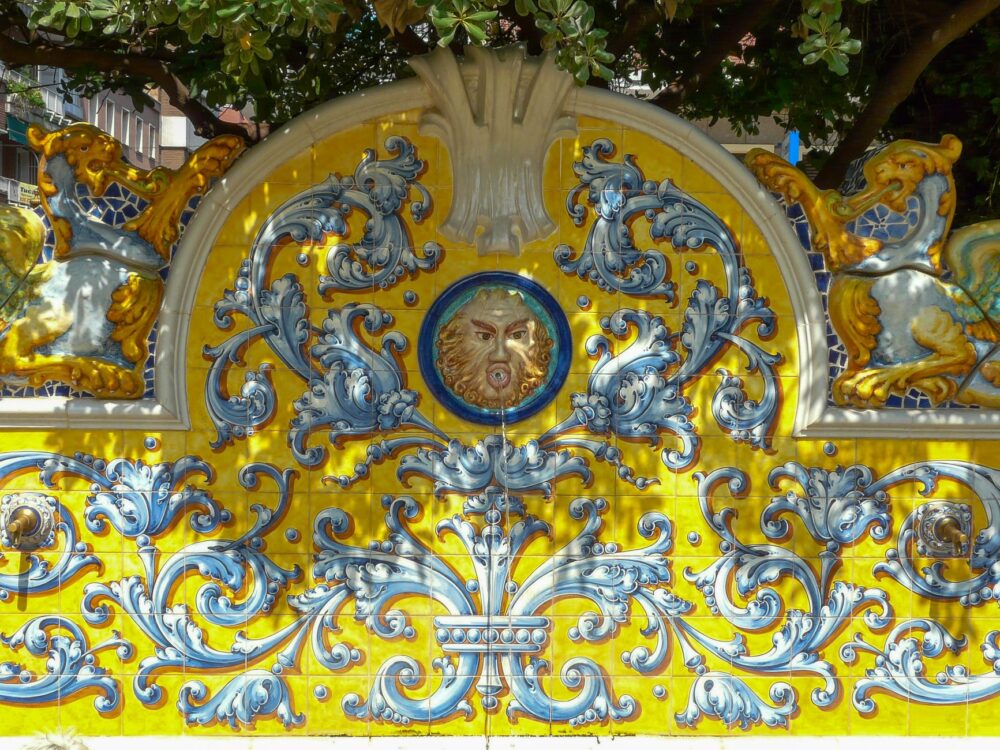
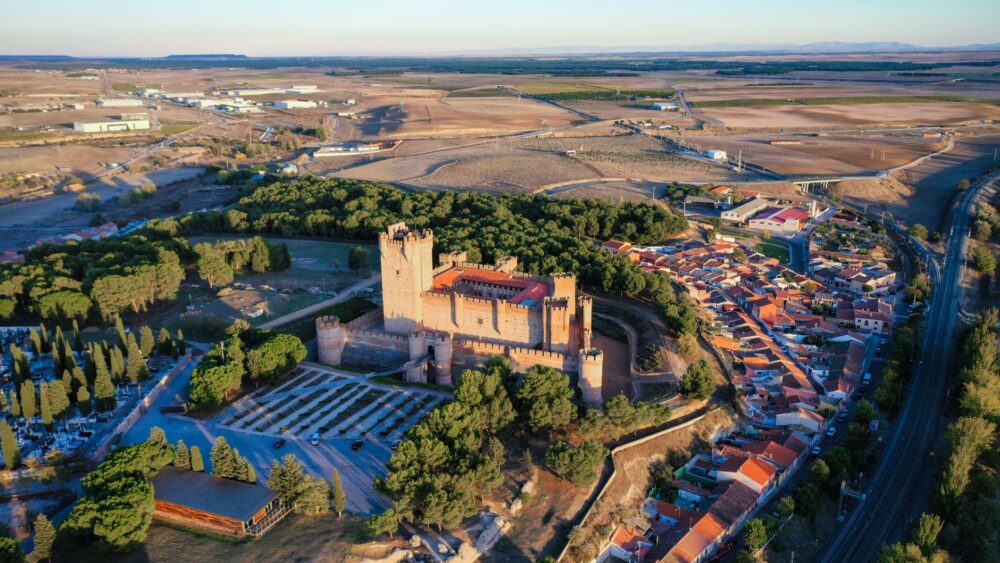
Recreating Federico García Lorca’s vital spaces demanded an unprecedented production deployment in Los Javis’ career. From the modernist corridors of Madrid’s Residencia de Estudiantes to the labyrinthine alleys of Granada and the oppressive corners of Víznar, each location was selected not only for its historical accuracy, but for its capacity to evoke states of mind. The art department worked tirelessly to make the sets breathe authenticity, using noble materials, natural lighting, and a color palette that evolves from ochres and dry greens to the vibrant neon lights of modernity.
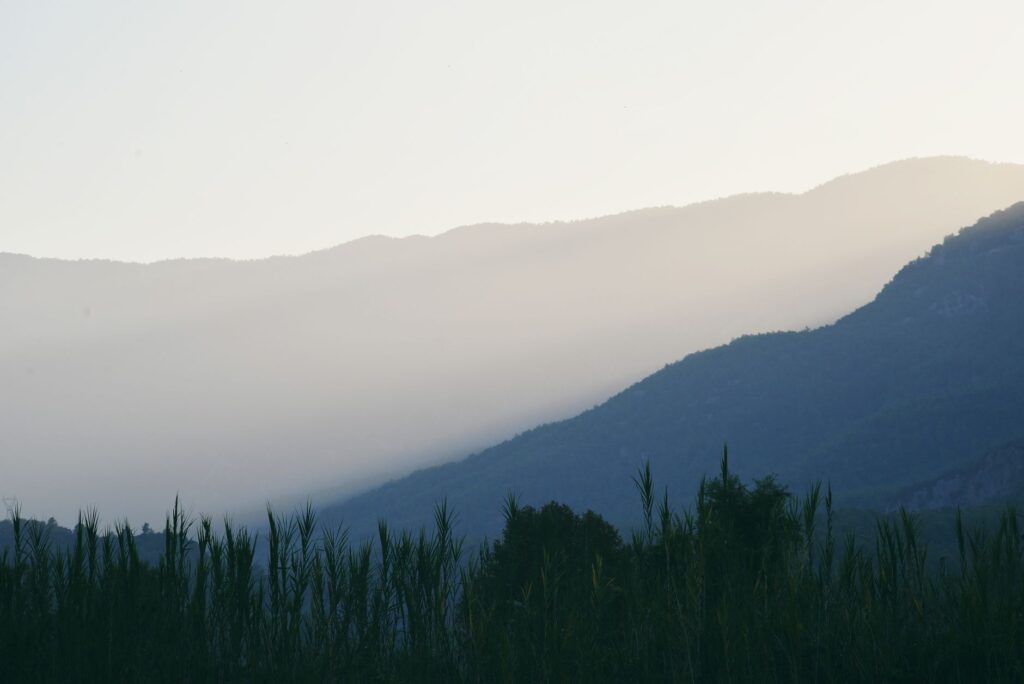
Location shoots posed a logistical and emotional challenge for the entire technical and artistic crew. Being physically in the places where the poet laughed, loved, and suffered imbued every shot with unusual density. The atmosphere of the settings acts almost as another character, a mute witness that absorbs the tragedy and celebration of existence. Los Javis insisted on prioritizing real spaces whenever conservation allowed, endowing fiction with a patina of documentary truth that moves from the very first frame.
Cinema should not limit itself to reflecting the world as it is, but to reminding us what we lost and what we can still rescue from the shadows of oblivion.
Queer Identity and Resistance: The Political Reading of a Classic
One of the most celebrated aspects of The Black Ball is its unequivocal political reading in a queer key. Far from sugarcoating Lorca’s homosexuality or presenting it as a mere biographical anecdote, the film places it at the nerve center of his artistic and existential discourse. The directors expose how forbidden desire, institutional repression, and social marginalization molded the sensibility and work of the Granada-born artist. The film establishes a luminous parallel between the poet’s experiences in the thirties and the daily battles of dissident minorities in the 21st century.
This transversal perspective allows the past to connect with the present without falling into forced anachronisms. Queer visibility is claimed not only as a fundamental right, but as a tool for aesthetic and political transformation. The film subverts the traditional heteronormative gaze that for decades colonized the historical narrative about Lorca, restoring to the poet his true subversive and revolutionary dimension against fascism and bourgeois intolerance.
The Interpretive Pulse: Giving Flesh and Soul to the Literary Myth
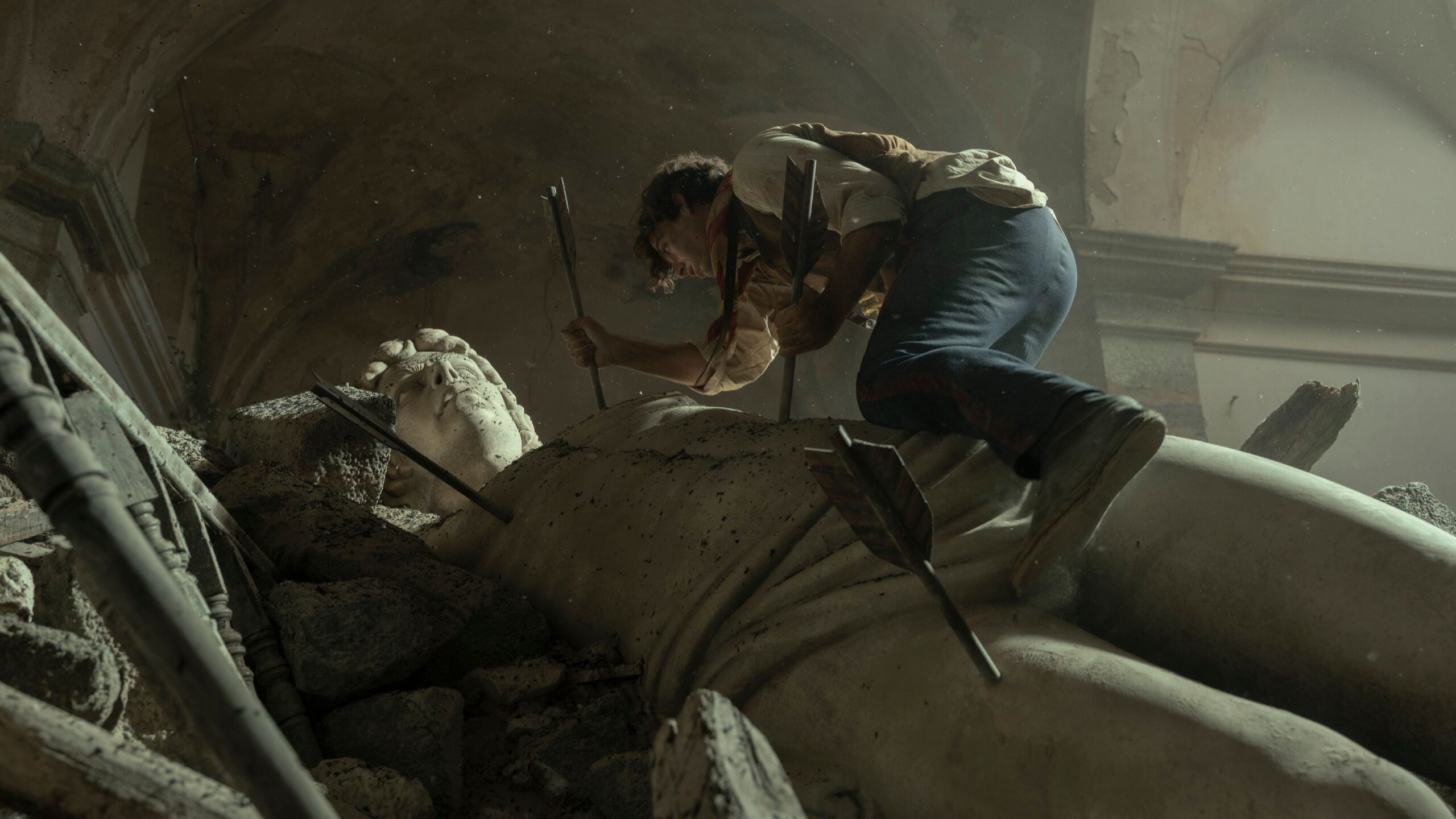
The success of such a colossal endeavor depended largely on a cast capable of sustaining the dramatic weight of such iconic characters. Los Javis have demonstrated once again their proverbial talent for directing actors, extracting memorable performances that flee from theatrical mannerism. The main cast underwent a rigorous process of rehearsal and documentation, studying not only Lorca’s texts, but also the recordings, letters, and testimonies of those who knew him intimately.
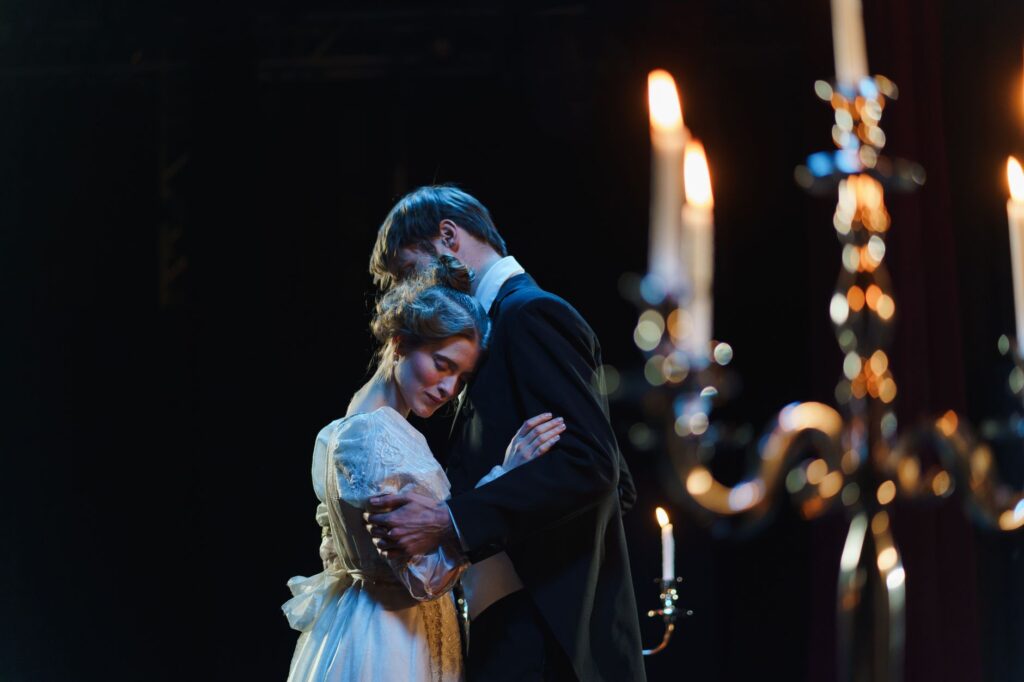
The result is a gallery of vibrant characters, full of contradictions, fears, and poetic flashes. Actor direction prioritizes visceral truth over commercial sensationalism, making silences weigh as heavily as dialogues. Each cast member contributes a layer of nuance that enriches the film’s polyphony, turning the interpretive experience into a collective exercise of healing and tribute to truncated talent.
Soundtrack and Sound Design: When Silence Also Screams
In a work where visual poetry occupies such a preeminent place, sound plays a decisive structural role. The original soundtrack, commissioned from leading contemporary creators, fuses Andalusian copla and deep flamenco with avant-garde electronic textures and orchestral dissonances. This hybrid soundscape accompanies temporal transitions and accentuates moments of greatest dramatic tension, creating an enveloping atmosphere that transports the viewer directly inside the poet’s psyche.
The sound design meticulously cares for every detail, from the creaking of wood in the Residencia de Estudiantes to the distant echo of gunshots in the Granada dawn. Acoustic richness proves that cinema is also a premier auditory art. Los Javis used silence masterfully, turning it into a deafening loudspeaker to express what censorship and fear prevented from being pronounced at the proper moment.
Practical guide
For those viewers and travelers who wish to delve deeper into the real settings and documentary sources that inspired The Black Ball, we share a series of essential recommendations.
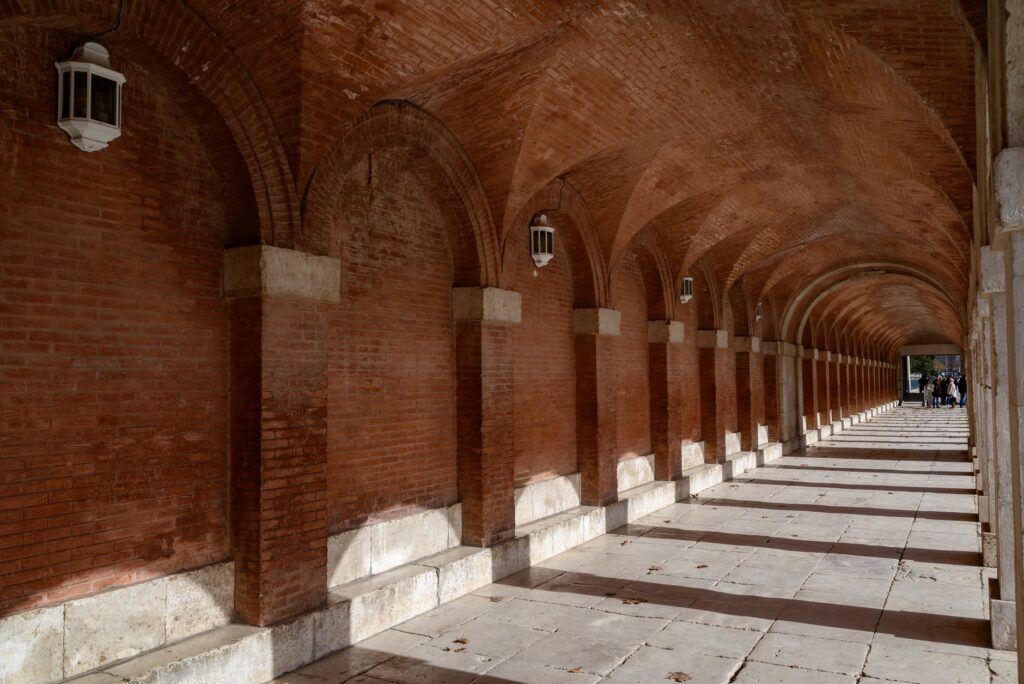
Getting there and getting around: The main enclaves linked to Federico García Lorca’s life and shooting locations are situated in Madrid and Granada. For the Madrid route, public transport access to the Residencia de Estudiantes (Calle del Pinar, 21) is optimal via the Gregorio Marañón or República Argentina metro lines. In Granada, exploring the Víznar Ravine and Huerta de San Vicente requires a rental car or specialized metropolitan buses operating cultural routes.
When to visit: The Andalusian spring and Madrid autumn offer ideal weather conditions for walking tours without the summer crowds and extreme temperatures, allowing for a much more leisurely and reflective immersive experience.
Essential must-see spaces:

- La Residencia de Estudiantes (Madrid): intellectual epicenter of the Generation of ’27.
- Huerta de San Vicente (Granada): the García Lorca family’s summer home, now transformed into an indispensable museum.
- The Federico García Lorca Park in Alfacar / Víznar: historical memory and permanent tribute to the poet.
Complementary readings and resources: Reading the complete correspondence edited by the Federico García Lorca Foundation is strongly recommended, alongside recent critical biographies that demystify the author’s figure to bring us closer to his most authentic human and political dimension.
Epilogue: The Eternal Echo of a Voice That Refuses to Be Silenced
The Black Ball far transcends the usual limits of cinematic success to establish itself as a cultural event of incalculable patrimonial value. Javier Calvo and Javier Ambrossi have signed a mature work that honors the memory of the vanquished without falling into easy didacticism, betting on beauty, formal risk, and emotional truth as the only valid tools to achieve historical justice.
A creator’s true immortality lies in the capacity of their work to continue moving and stirring the consciences of generations not yet even born.
Upon turning off the theater lights and leaving the seat, the viewer understands that the journey undertaken by Los Javis is not merely a reconstruction of the past, but an urgent wake-up call about our present. Federico García Lorca’s shadow continues to cast a long and luminous light over our time, reminding us that as long as there are creators willing to defy silence, no black ball will ever be able to bury the light of freedom and desire.
Source in EN: Condé Nast Traveler Spain