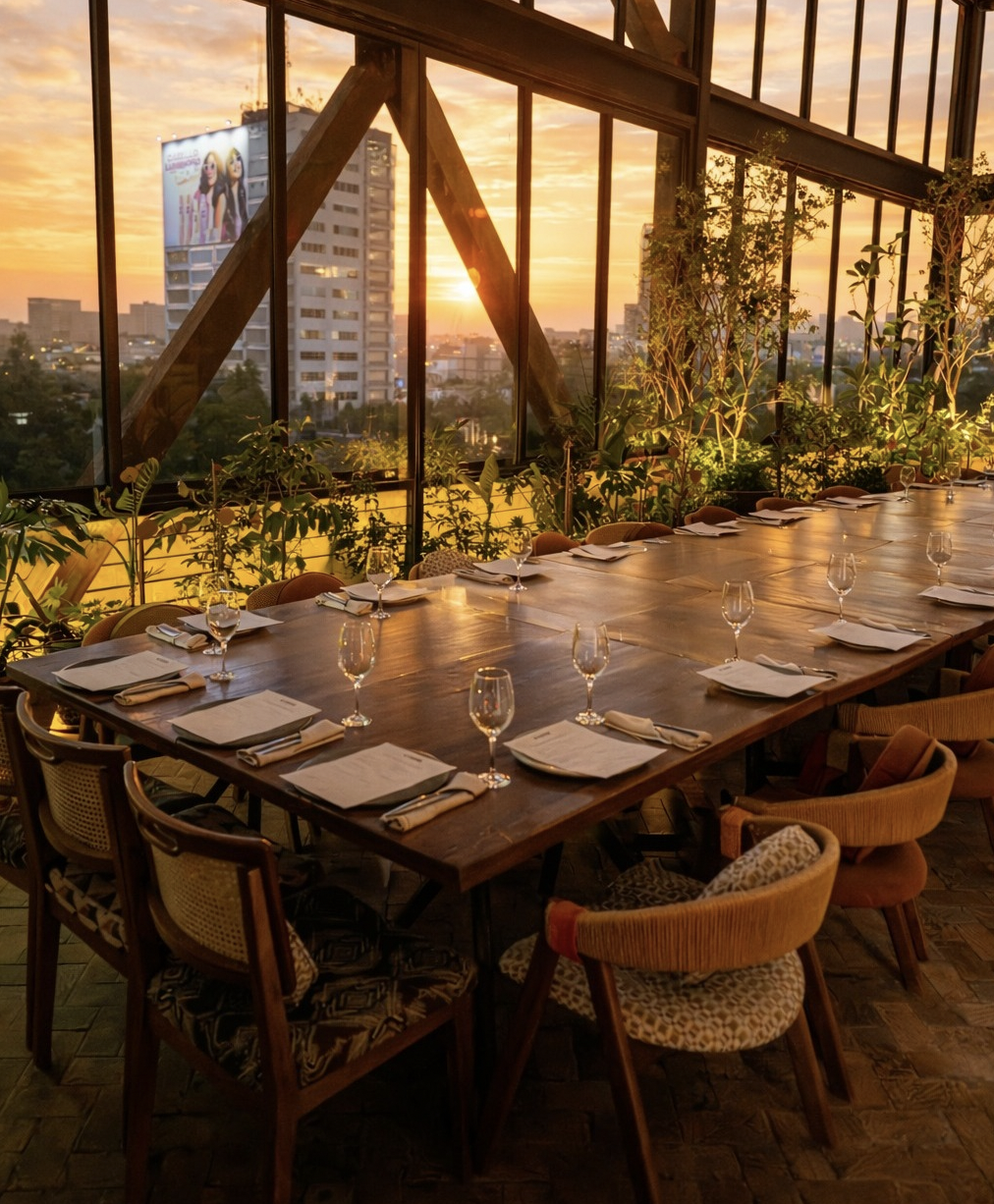

Mexico City reveals a singular beauty when contemplated from above. Elevated far above the ceaseless rumble of commuter traffic and the vibrant, crowded sidewalks of Colonia Roma, life assumes a different, more generous cadence. Within this lofty vantage sits Altanera, a dining destination engineered to converse directly with the ever-changing horizon of the high valley, where culinary ambitions meet an architectural resilience built to withstand the swift atmospheric whims of the capital without ever missing a beat.
Climbing to this rooftop is not merely an ascent in elevation; it is a conscious immersion into the sophisticated, laid-back modernism that defines the city’s central-west districts. Framed by the canopy of mature jacarandas visible below and the sleek lines of contemporary design, diners enter a sunlit sanctuary that honors temperate mountain breezes, shifting cloudscapes, and panoramic vistas that render the surrounding historic skyline an ever-evolving theatrical backdrop.
The Aerial Magnetism of Colonia Roma
Few urban neighborhoods across Latin America carry as many layered histories and architectural transformations as Colonia Roma. Master-planned at the beginning of the twentieth century under the Europeanized aesthetic ideals of the Porfirian era, the district has gracefully transitioned from an exclusive residential enclave into the creative, bohemian, and culinary heart of Mexico City. For decades, however, neighborhood life remained largely earthbound, enclosed behind stone balustrades, wrought-iron gates, and elegant Art Nouveau and Art Deco facades.
The emergence of thoughtfully designed rooftop terraces has radically rewritten this relationship with the streetscape. By raising diners above the ornamental cornices of the early 1900s, venues like Altanera treat unobstructed sky as a true luxury in an increasingly dense metropolis. This elevated position provides a front-row seat to the dialogue between Porfirian mansions and the sleek glass towers lining Paseo de la Reforma, framing a striking panorama where historic pedigree and contemporary ambition coexist effortlessly.
Yet the rooftop’s true magnetism extends beyond its expansive sights. Decotting from the ground level creates a sanctuary of acoustic calm. Dozens of meters above the asphalt, urban noise dissolves into a rhythmic, distant hum, allowing long afternoon meals and evening dinners to unfold as contemplative rituals firmly rooted in the city’s unique geography.
Architectural Resilience: A Retractable Sky Against Capital Storms
Anyone who has spent time in Mexico City during the summer months understands the clockwork precision of its afternoon downpours. What begins as a luminous, crystalline day can pivot within minutes into a torrential storm as rain clouds roll down from the volcanic mountains encircling the ancient lake basin. For open-air dining, this dramatic meteorological shift has historically presented an operational hurdle of immense proportions.
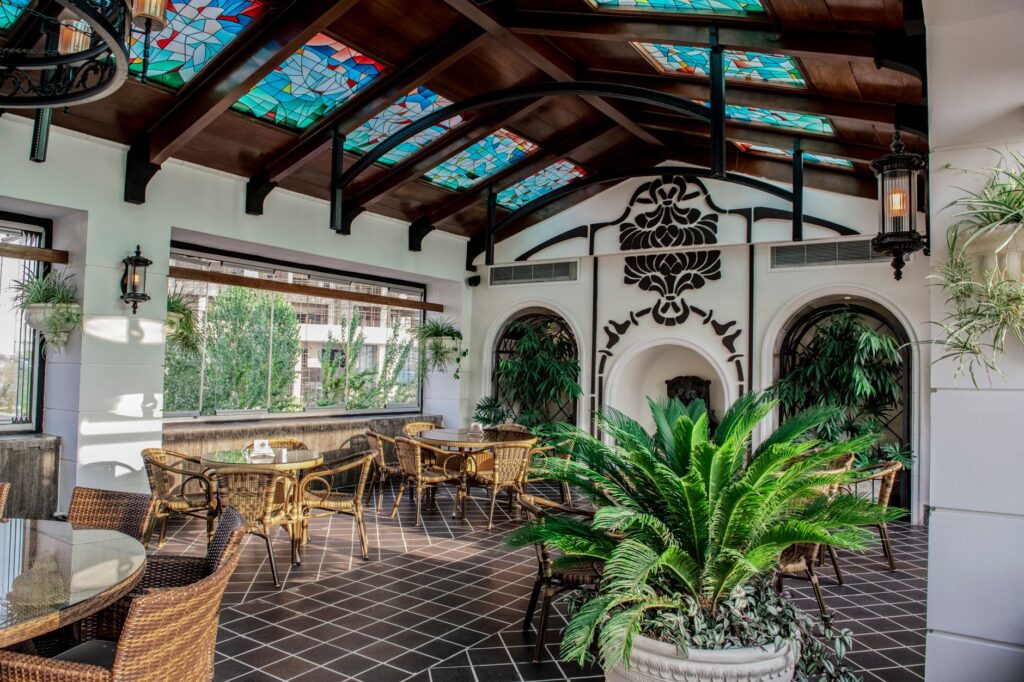
At Altanera, the design response to this atmospheric reality is neither crude nor visually obtrusive. Rather than relying on clumsy tarps or heavy permanent enclosures that sacrifice natural light, the terrace is fitted with a motorized retractable glass-and-steel ceiling engineered for immediate response. The moment rain begins to speckle the air, the mechanism glides shut within seconds, creating a sealed, climate-controlled haven that locks out the storm while preserving the sensation of being outdoors.
«The motorized roof defuses the weather’s whims in seconds: raindrops drum harmlessly against overhead glass while conversations and wine glasses flow uninterrupted».
This technical agility preserves the continuity of the guest experience. Diners are never forced into an undignified scramble toward indoor dining rooms, nor are tables abruptly cleared. The rhythm of hospitality remains perfectly uninterrupted, allowing patrons to admire the dramatic spectacle of rain sweeping across the valley while remaining enveloped in ambient warmth and comfort.
The Sensory Threshold: Three Salsas and the Liturgy of Corn
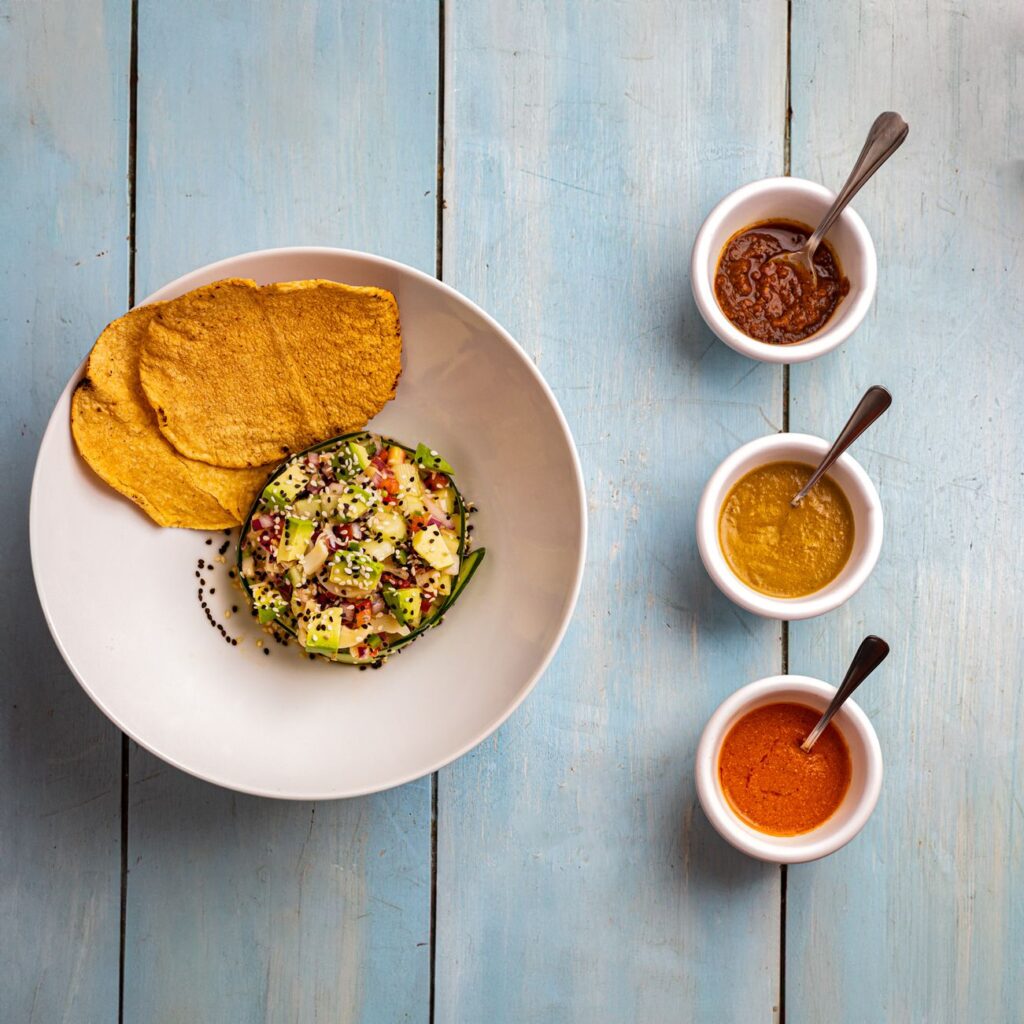
The sensory journey at Altanera eschews formal distance, opting instead to honor an elemental pillar of Mexican gastronomy: the sacred greeting of heirloom corn and ground chilis. Moments after guests are seated, staff present a basket of freshly prepared, crisp corn tostadas accompanied by three distinct salsas arranged intentionally to guide the palate through progressive tiers of heat and aromatic complexity.
This tasting trio functions as a clear statement of culinary philosophy, designed to awaken and tune the senses before a single main course is selected:
- Fresh green salsa: crafted from tart milpero tomatillos, garden herbs, and a delicate touch of serrano pepper, providing a crisp, mouth-watering acidity that awakens the appetite.
- Charred table salsa: featuring fire-roasted tomatoes and jalapeños that impart deep smoky undertones, rustic texture, and a gentle, lingering heat that complements the toasted corn base.
- Dry-chili emulsion: an intense, rich blend highlighting concentrated varietals such as toasted habanero or chile de árbol, formulated specifically for those seeking the unmistakable aromatic burn and earthy complexity of deeply concentrated capsicum.
Sampling these salsas atop brittle tostadas provides an immediate sensory orientation. It offers guests an approachable, participatory ritual that honors regional techniques and reaffirms that in Mexican dining, a salsa is never a mere condiment, but the emotional foundation upon which the entire meal rests.
Urban Gastronomy: Balancing Haute Cuisine and Street Heritage
Altanera’s kitchen navigates the delicate territory between regional authenticity and modern urban refinement. Rather than pursuing confusing deconstructions or technical gimmickry, the culinary team places its focus squarely on pristine ingredient sourcing, honest flavor profiles, and flawless executions of foundational Mexican preparations.
The menu highlights vibrant coastal traditions alongside earthier culinary legacies from the central highlands. Fresh seafood arrives elevated by clean citrus marinades and delicate herb oils, honoring the day’s catch without masking its natural sweetness. Meats grilled over aromatic hardwoods deliver savory depth, pairing seamlessly with the relaxed yet sophisticated outdoor setting. Open-air dining requires vibrancy, temperature precision, and textural balance—qualities consistently exhibited across the restaurant’s courses.
Equally integral is the beverage program, which mirrors the culinary ethos. Small-batch artisanal mezcals from Oaxaca, estate tequilas from the highlands of Jalisco, and contemporary Mexican wines join botanical infusions crafted to match the shifting moods of the day. A refreshing agave cocktail at midday smoothly gives way to structured reds and smoky digestifs as night settles across the capital.

Anatomy of the Check: Deconstructing the Cost of the Skyline
Understanding the pricing structure at Altanera requires looking beyond the raw cost of individual ingredients. In an epicenter as culinarily saturated as Colonia Roma—where humble street carts of culinary perfection sit side by side with Michelin-recognized flagships—a rooftop terrace commands an investment that factors in location, comfort, and architectural ambiance.
On average, a guest enjoying a full three-course meal consisting of a shared appetizer, a seafood or prime meat main dish, a signature cocktail or glass of Mexican wine, and dessert will encounter a bill reflective of upscale casual dining in Mexico City. Starters reflect the elevated cost of premium raw ingredients, while centerpiece proteins match the prevailing standard of the city’s upper-tier dining establishments.
«The final bill accounts not merely for kitchen craftsmanship, but for the elusive luxury of claiming a private corner above the boundless city».
Beverages and customary gratuity contribute significantly to the total outlay, particularly if guests linger for sunset drinks or extended evening digestifs. Ultimately, dining at Altanera represents a conscious choice to invest in the complete sensory package: high-caliber food, professional service, and the privilege of commanding one of the capital’s finest vantage points.
The Choreography of High-Altitude Hospitality
The success of any busy open-air restaurant hinges on subtle operational efficiencies that often go unnoticed by the average patron. Table turnover pacing, the speed with which empty glassware is cleared, and the intuitive timing of drink refills determine whether an afternoon on a terrace feels effortlessly luxurious or disjointed. Altanera’s front-of-house staff displays a practiced, rhythmic attentiveness tailored to prolonged dining.
Waitstaff possess an in-depth understanding of the menu’s technical nuances, able to guide diners through the heat scale of the welcome salsas, recommend beverage pairings for delicate seafood, and articulate the regional origins of specialty chilis and cheeses. This thoughtful communication enriches the meal, lending an informative dimension without intruding upon private conversation.
Furthermore, spatial planning throughout the terrace respects personal boundaries. Despite the high demand that consistently fills the room, tables are arranged with sufficient breathing room to preserve privacy, allowing business lunches, intimate dates, and lively group gatherings to coexist comfortably beneath the expansive sky.
Roma Norte and the Constant Reimagining of Rooftop Living
The environment cultivated by Altanera reflects a broader architectural and social renaissance throughout Roma and its neighboring colonias. For generations, flat rooftops on early twentieth-century apartment blocks and commercial buildings were relegated to utilitarian duties: service areas, laundry drying lines, and mechanical storage. The rediscovery of the urban sky has transformed these neglected spaces into prime social real estate.
This elevated movement also responds to a profound ecological and psychological need. Within a sprawling megalopolis where green ground-level spaces face intense demographic pressures, rooftop retreats provide expansive visual respite. Looking out across the green canopy of avenues like Álvaro Obregón or Insurgentes reveals Mexico City’s surprising verdancy, softening its concrete expanse.
Altanera integrates this living landscape directly into its interior design through native flora, lush perimeter planters, and warm terracotta accents. Guests never feel detached from the natural world below, but rather perched within an elevated botanical tier that harmonizes with the ancient ash trees and jacarandas lining the streets below.
Practical guide
To ensure a smooth, enjoyable visit to Altanera in Colonia Roma, consider the following logistical tips and recommendations:
- Reservations: Securing a table several days in advance via official reservation channels is highly recommended, particularly for Friday afternoons, weekends, and sunset hours. When booking, request an edge table if an unobstructed skyline view is a priority.
- Dress code: The prevailing attire is smart-casual. While the atmosphere is warm and welcoming, overly sporty clothing can feel out of place during prime evening dinner services.
- Weather awareness and layering: Although the retractable roof provides complete shelter from afternoon rain, Mexico City sits at over 7,300 feet (2,240 meters) above sea level, causing temperatures to drop noticeably once the sun sets. Bringing a light jacket, sweater, or wrap is strongly advised for comfortable evening dining.
- Transportation and parking: Street parking in Colonia Roma is notoriously scarce and competitive. Opting for rideshare services, metered public garages on adjacent commercial corridors, or walking from nearby avenues is far more convenient than attempting street parking.
- Budget expectations: Plan for an upper-mid to high-tier expenditure per person when factoring in appetizers, signature cocktails, seasonal mains, dessert, and the customary restaurant gratuity standard across Mexico.
Last Light Over the Valley of Anáhuac
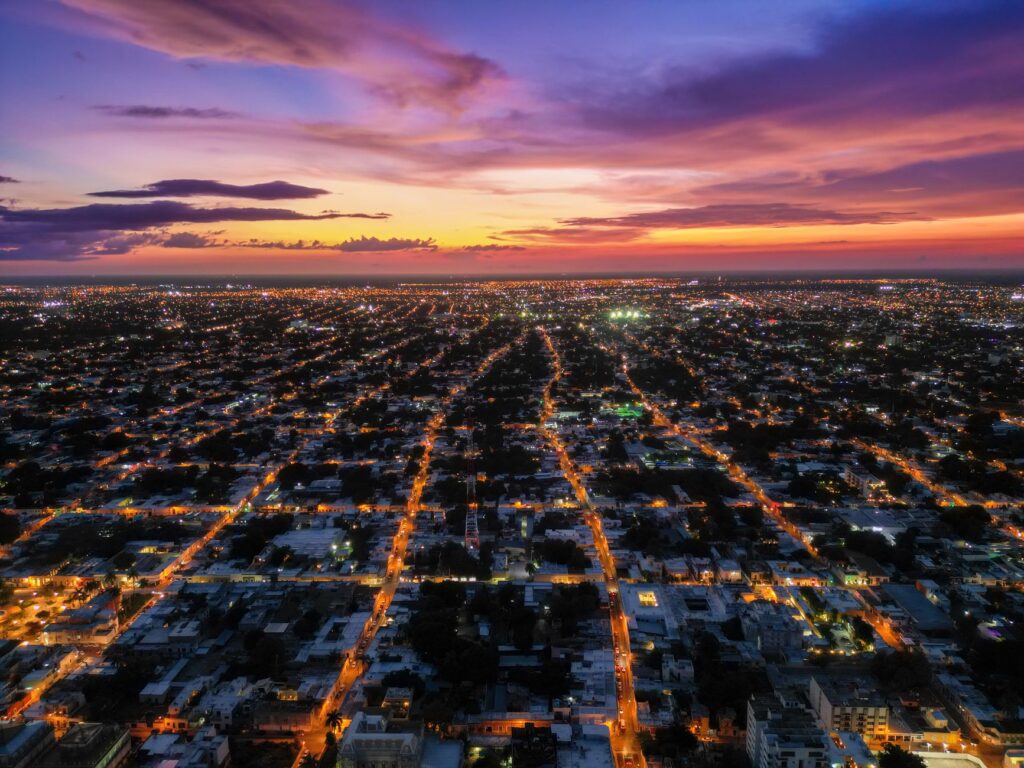
As the final daylight recedes, Altanera reaches its most poetic moment. Golden-hour hues wash over the surrounding masonry in warm pink and ochre tones, casting elongated shadows across the grid of Colonia Roma before giving way to the twinkling constellations of streetlamps and headlights below.
In this quiet suspended transition between dusk and dark, the true appeal of the space crystallizes. With the lingering crispness of a tostada, the warming hum of artisanal chili on the tongue, and a glass in hand, the sheer immensity of Mexico City transforms from an intimidating sprawl into an intimate, mesmerizing tableau, enjoyed from one of the capital’s finest perches.
Source: Alan x el Mundo