
Between Hills, Mist, and the Promise of a Port Rebirth
Every September 27th, the international calendar marks World Tourism Day with slogans that typically oscillate between institutional optimism and economic urgency. However, when examining Valparaíso, the date takes on a deeply critical and singular character. Chile’s primary port, declared a UNESCO World Heritage site in 2003, not only celebrates its receptive vocation but grapples with a historic crossroads. This year’s commemoration has brought to light the structural challenges the city faces in transforming itself into a world-class destination—a goal that demands far more than marketing campaigns or superficial investment promises.
The porteño identity is composed of overlapping layers of maritime history, vernacular architecture, devastating fires, slow reconstructions, and an unyielding cultural resilience. Today, the debate over Valparaíso’s tourism future transcends the simple arrival of cruise ships or summer hotel occupancy. It involves the habitability of its hills, public safety, urban cleanliness, and the capacity to articulate efficient governance capable of balancing the daily lives of residents with the constant flow of domestic and international visitors. The core question facing the local industry is whether the current tourism development model protects or deepens the vulnerabilities of a territory as fragile as it is fascinating.
The Paradox of Living Heritage Versus Institutional Abandonment
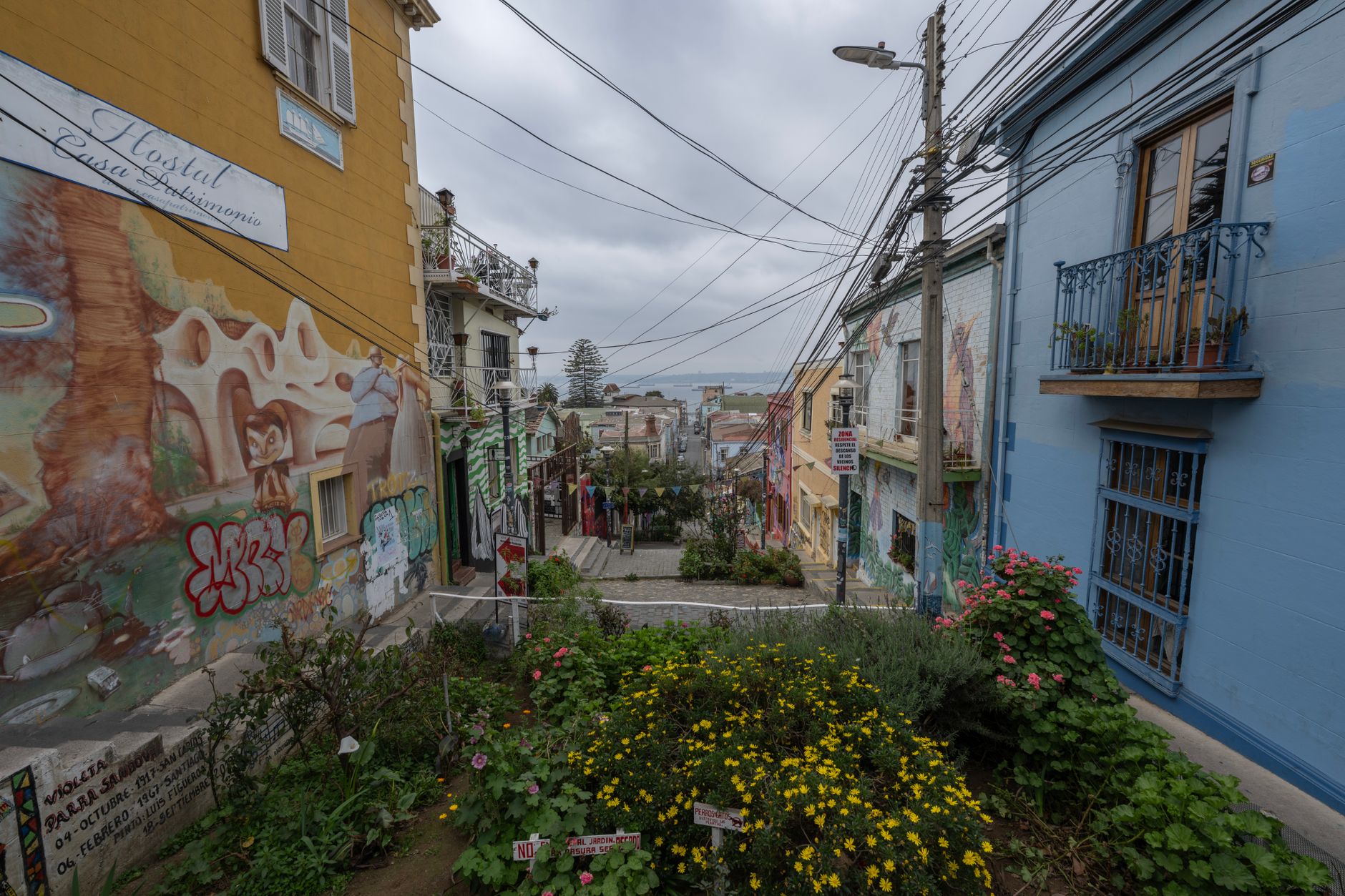
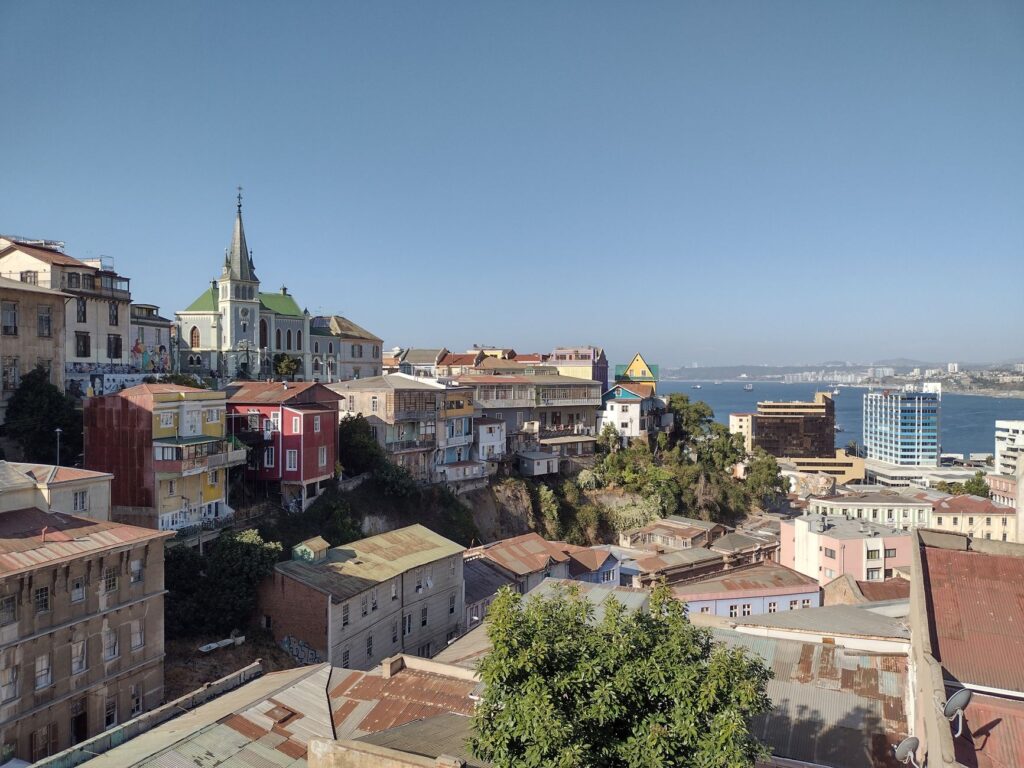
Valparaíso’s main appeal lies in its condition as a natural amphitheater, where Cerro Alegre and Cerro Concepción showcase colorful architecture of corrugated iron and native timber in dialogue with the Pacific Ocean. Yet, behind the postcard imagery lies a complex reality of heritage neglect. Collapsed century-old mansions, deteriorated public staircases, and chronic micro-landfills form part of an urban landscape evidencing a lack of stable resources and long-term conservation policies. Experts point out that the primary obstacle to the city’s definitive takeoff as an international destination is the disconnection among the various public and private actors operating within the territory.
The UNESCO declaration, which should have functioned as an armored seal of international protection and funding, has often become a bureaucratic burden for private owners. Many cannot afford the restoration costs mandated by heritage regulations, opting instead for abandonment or speculative sales. This situation creates a vicious circle where the physical deterioration of the environment drives away higher-spending tourism while encouraging gentrification or overcrowding dynamics that push out traditional residents. The challenge, therefore, lies in designing real economic incentives that enable neighbors to act as the primary guardians and beneficiaries of their own heritage.
Port Infrastructure and Connectivity: The Achilles’ Heel
Becoming a world-class destination requires infrastructure standards that Valparaíso still struggles to guarantee uniformly. While the bay receives significant cruise ship dockings during the summer season, the integration between commercial port operations and tourism remains deficient. Disembarking passengers are frequently met with a port environment saturated with heavy freight traffic, offering few safe and pedestrian-friendly pathways into the downtown area. The modernization of passenger terminals and improvements in intermodal transport fluidity are pending assignments demanding decisive public investment.
Likewise, the city’s internal connectivity presents monumental challenges. The iconic elevators—historic funiculars such as Reina Victoria, El Peral, and Concepción—are fundamental pieces of the transportation system and tourist appeal, but their operation has historically been marked by lengthy stoppages, mechanical failures, and complex disputes over ownership and administration. Although various state-funded restoration plans have been executed in recent years, the operational sustainability of these transit modes remains precarious. Without a 100% operational and connected network of funiculars and trolleybuses, the visitor experience fragments and becomes inaccessible for individuals with reduced mobility.

Tourism in Valparaíso cannot continue to rely on the nostalgia of what once was; it must be built upon the dignity of what its residents need today to live in peace and with pride.
Safety, Cleanliness, and the International Visitor Experience
No destination can aspire to global excellence without guaranteeing basic conditions of safety and urban cleanliness. In recent years, perceived insecurity, unauthorized street vending, and waste accumulation in key street corners have severely damaged Valparaíso’s tourism reputation. Hotel and gastronomic guilds have repeatedly warned that the lack of public order and enforcement deters family and corporate tourism, reducing average visitor stays to a mere one or two fleeting nights.
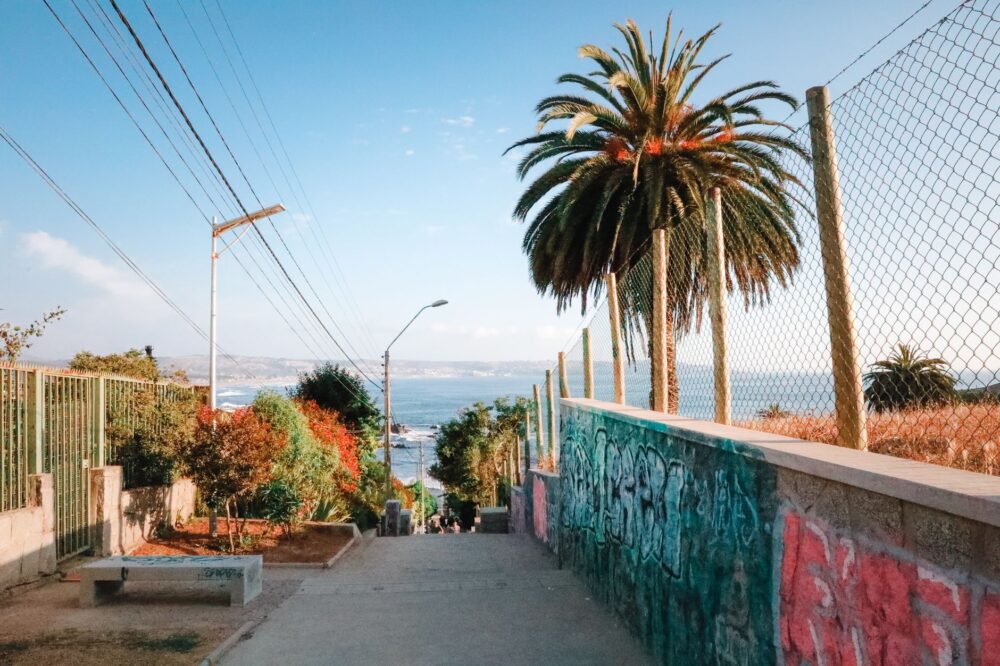
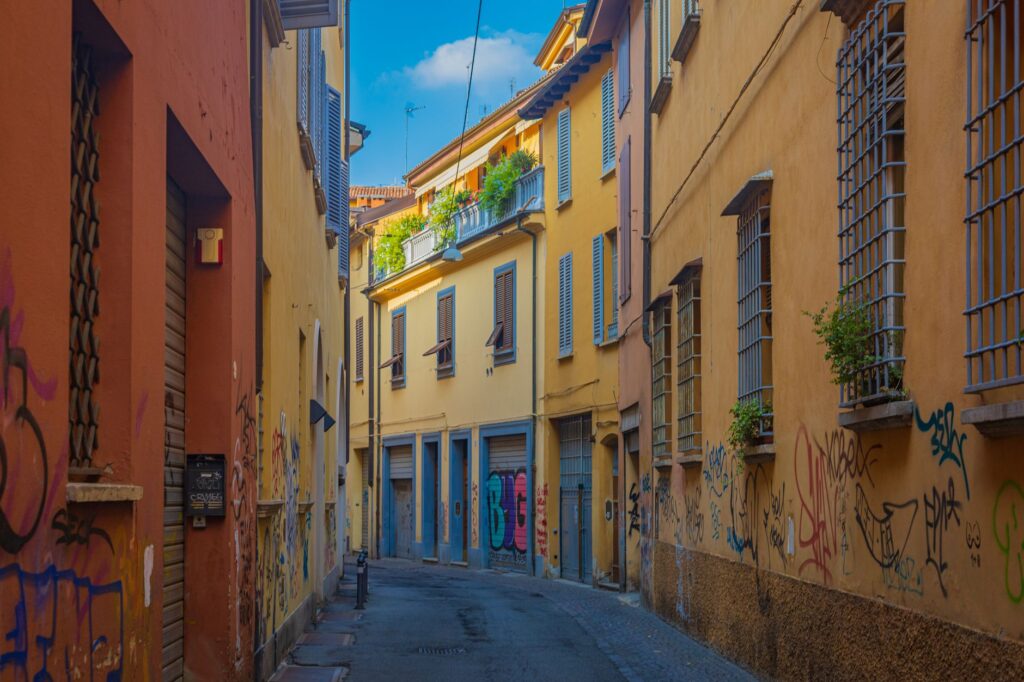
Institutional responses have oscillated between sporadic police operations and working groups that rarely eradicate root problems. The proliferation of out-of-context graffiti, which differs profoundly from the quality urban art and muralism for which the city is globally renowned, contributes to an atmosphere of visual misgovernance. To reverse this trend, local authorities and tourism operators agree that an integral public space recovery plan is required, combining effective police presence, temporary employment programs for cleaning, and constant dialogue with social and cultural organizations in the hills.
Sustainability and Community: The New Paradigm Demanded by the Global Traveler
Contemporary tourists, especially long-haul travelers seeking world-class destinations, demand authenticity alongside social and environmental responsibility. Valparaíso possesses immense potential in this realm thanks to its vibrant cultural fabric, specialty cafes, antique bookstores, and community tourism projects driven by local collectives. However, this creative ecosystem often survives on the margins of official tourism promotion policies, self-funding and resiliently weathering recurring economic crises.
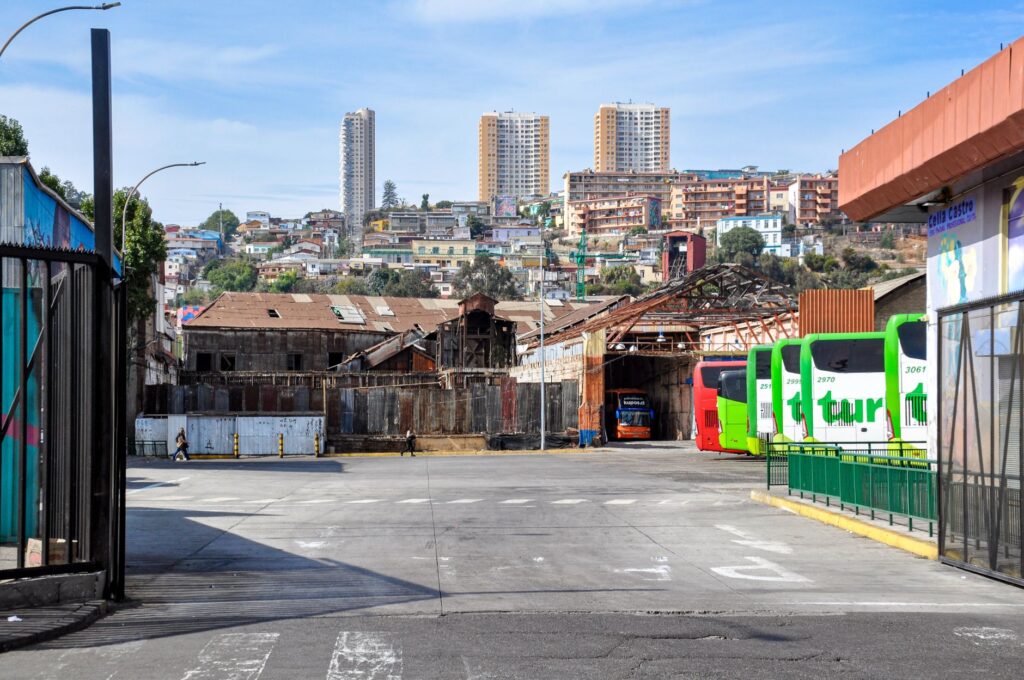
The national challenge for Chile, within its global tourism strategy, consists of decentralizing the offering and positioning Valparaíso not as a day-trip annex for travelers staying in Santiago, but as an autonomous hub for extended stays. This implies fostering experiences connecting visitors to the port’s working-class memory, the poetry routes of figures like Pablo Neruda, marine gastronomy based on artisanal fishing, and traditional trade workshops. When tourism is designed by and for the community, it ceases to be an extractive threat and becomes a legitimate tool for human development.
Practical guide
How to get there: Valparaíso is located about 120 kilometers northwest of Santiago. The most common access is by bus from Pajaritos or San Borja terminals in the capital (a 1.5-hour journey) or by private car via Route 68.
When to visit: The high season runs from December to February, featuring warm weather but high occupancy. Spring months (September to November) and autumn (March to May) offer pleasant temperatures, fewer crowds, and more competitive accommodation prices.
Where to stay: Cerro Alegre and Cerro Concepción concentrate boutique hotels housed in restored heritage mansions. For tighter budgets, the downtown area or Cerro Polanco and Barón offer independent hostels.
Urban mobility: Exploring the hills on foot is ideal for discovering architectural details and murals. To connect the flat downtown with the heights, use operational historic elevators and traditional electric trolleybuses.

Safety recommendations: It is advisable to walk along main and busy routes during the day, avoid the ostentatious display of cameras or electronic devices, and consult accommodation staff regarding specific sectors with higher nighttime complexities.
The Horizon of the Port: Living Memory and Shared Future
At dusk, when golden light glides over the rusted metal roofs of the hillside homes and ships flicker in the bay, Valparaíso reveals a beauty that disarms any pessimistic diagnosis. The city remains a cultural beacon in the Southern Cone, a human laboratory where artistic creativity springs forth with the same force as the oceanic wind. Becoming a world-class destination does not mean paving over its identity or subjecting it to the impersonal standards of global resorts, but rather rescuing its unvarnished authenticity, healing its urban wounds, and returning to its people the pride of inhabiting a truly unique port on the planet.
Source: Apuntes y Viajes / Google News (https://news.google.com/rss/articles/CBMi2wFBVV95cUxQUFluRFlXejZUQVJUV3ZTd0ZKbnNsLWRTQTg1azJqUU41U2U0RTlZLWo0M1lOaGdfR3hMUkRWNVNaY0pxQjFDMmo4M3BZOU83ZkQ2QmttOFVkdnlmaFJKRnItRFVBS3lYcTdGX2ZYamFnZ2luZEtoeFZmOENGWThwM2Vsd2otN2Utb3Z0YVE1enlFd1lFbFFxano0TkJXbE5BVGRYZnUwQnZRUW9YOTBON0VtUnVlZGY4RHRyTnI0ZTVEaHM4TW1hTFdvel8ybE1qSjE1Z1NvZW96R1E?oc=5)