
Madrid has ceased to be a mere stopover on the European map to become, for an unforgettable weekend, the global epicenter of motorsport. The roar of single-seaters has echoed across the asphalt of the new Madring circuit, returning the pinnacle of motorsport to the Spanish capital after decades of absence from an urban and semi-urban layout. The entire city breathed speed, transforming its streets and squares into a cosmopolitan melting pot where top-tier competition shook hands with culture, gastronomy, and the architectural avant-garde of a metropolis that never sleeps.
This report explores the inner workings of a titanic event that brought together thousands of fans from every corner of the planet. From the paddock to the most exclusive enclaves of Madrid’s hospitality industry, we analyze how Formula 1 has redesigned Madrid’s urban identity, redefining the concept of a global sporting event through an unprecedented sensory experience that left an indelible mark on the city’s social and economic fabric.
The Genesis of Madring: A Bold Layout on Madrid’s Asphalt
The birth of Madring was not a result of improvisation, but rather the fruit of years of meticulous planning between local institutions and Formula 1 organization. Located around the IFEMA exhibition center and the Valdebebas train depots, the circuit combines permanent sections with urban sectors that challenge the skill of the world’s best drivers. Engineers designed a track spanning over five kilometers that pushes aerodynamics and brakes to the absolute limit, integrating long straights where racing cars comfortably exceed 350 kilometers per hour with high-speed technical corners.
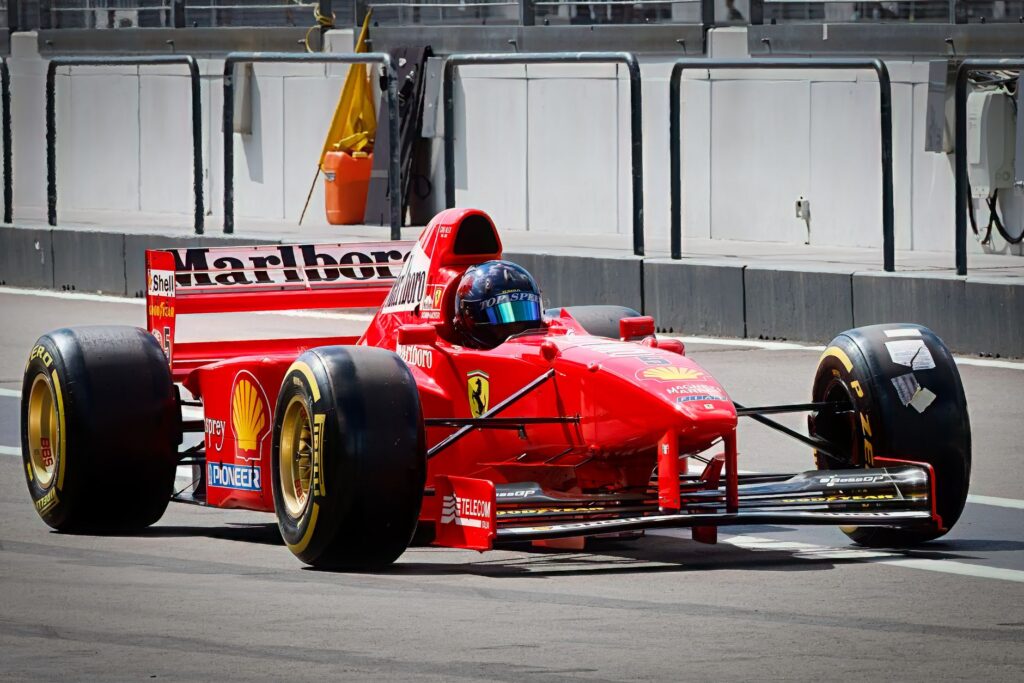
The construction of this colosseum of speed required a monumental investment and a logistical deployment unmatched in the city’s recent history. The asphalt was engineered with specific polymer formulas to guarantee optimal grip both under the blazing June sun and in the event of a summer downpour. Run-off areas and TecPro safety barriers were installed following the strictest safety standards of the Fédération Internationale de l’Automobile (FIA), demonstrating that Madrid could host an event of such magnitude without compromising the daily mobility of its residents beyond strictly necessary closures.
The City Converted into a Gigantic Paddock
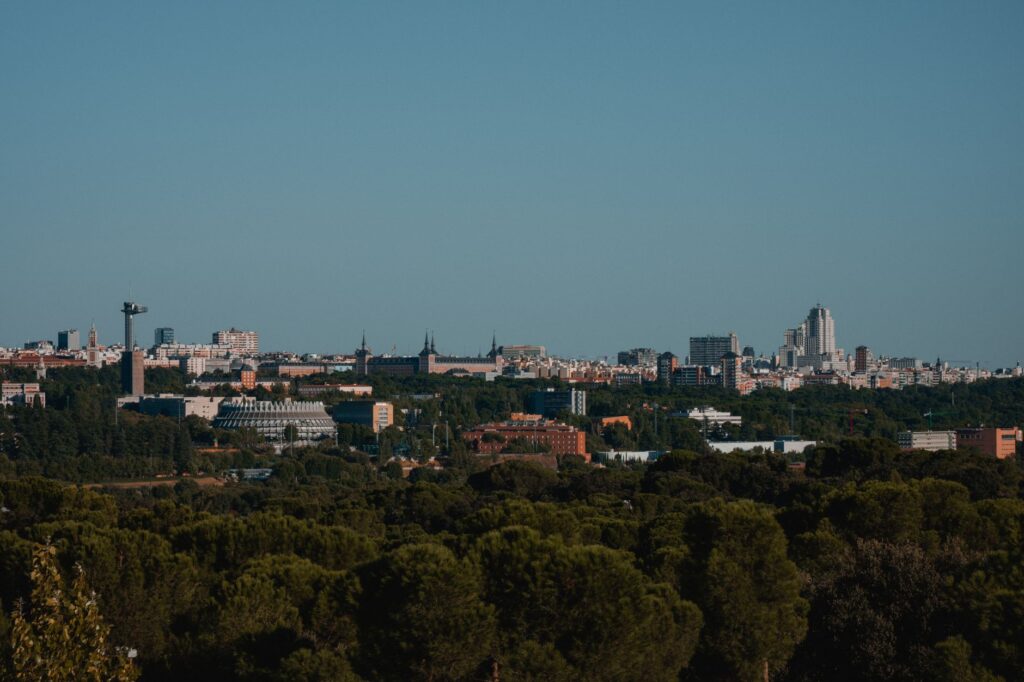
During the days leading up to the Grand Prix, Madrid underwent a complete transformation. Traditional terraces along Paseo de la Castellana and the Salamanca and Chamberí neighborhoods filled with technical shirts, caps bearing team logos, and technical conversations regarding soft-compound tires and pit stop strategies. Center city hotels reached full capacity months in advance, registering occupancy rates reminiscent of the capital’s finest tourism years, fueled by a massive influx of high-net-worth international visitors.
Commercial brands spared no expense in transforming the city’s most emblematic corners into ephemeral brand experience spaces. From state-of-the-art simulators installed right in Plaza de Colón to exhibitions of historic racing cars in prestigious museums, the capital became a living museum of motorsport. Local hospitality adapted its hours and menus, paying culinary homage to the teams’ nationalities with dishes blending Spanish haute cuisine with international nods, showcasing Madrid’s proverbial adaptability and hospitality.
The Roar of Engines and the Historic Track Battle
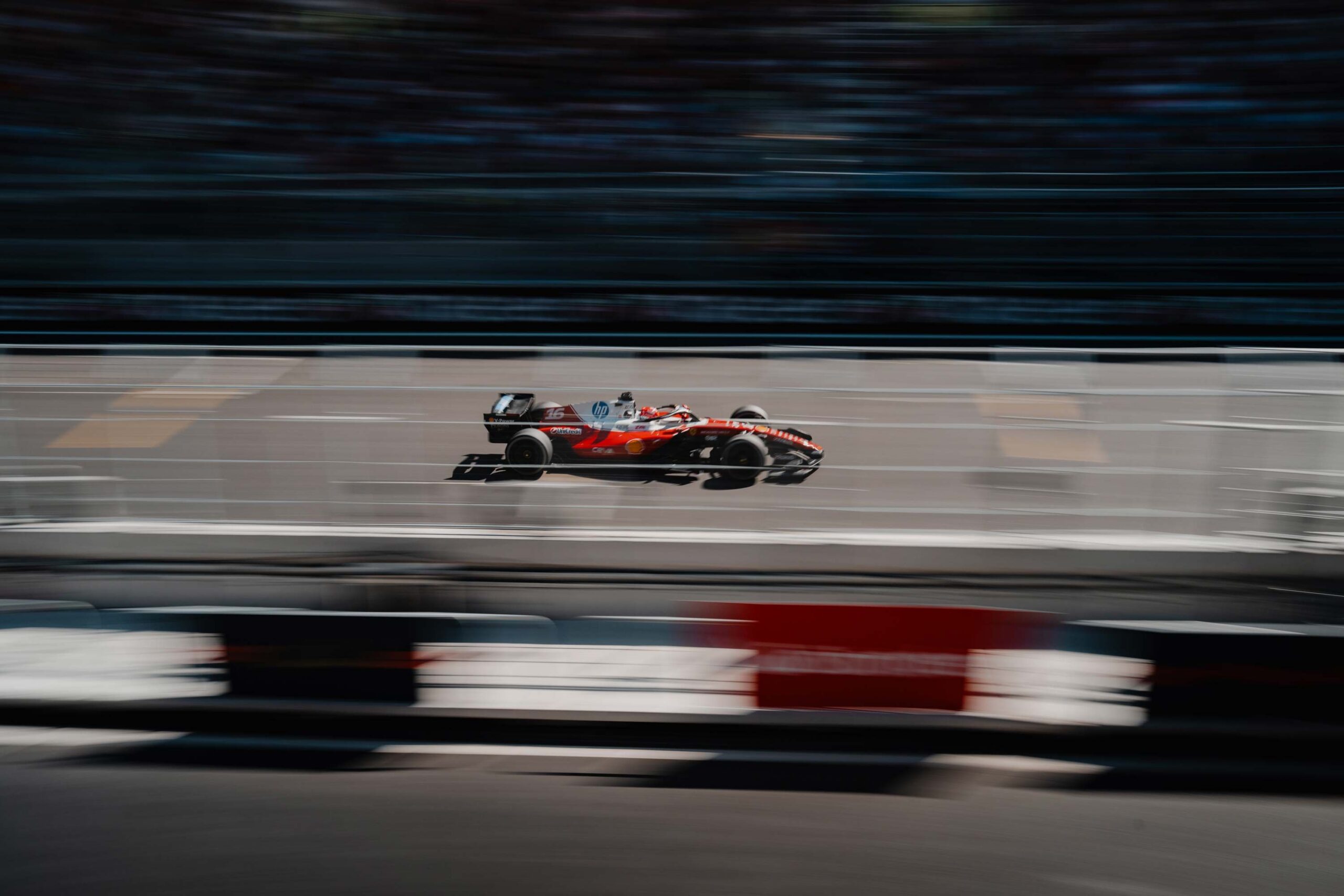
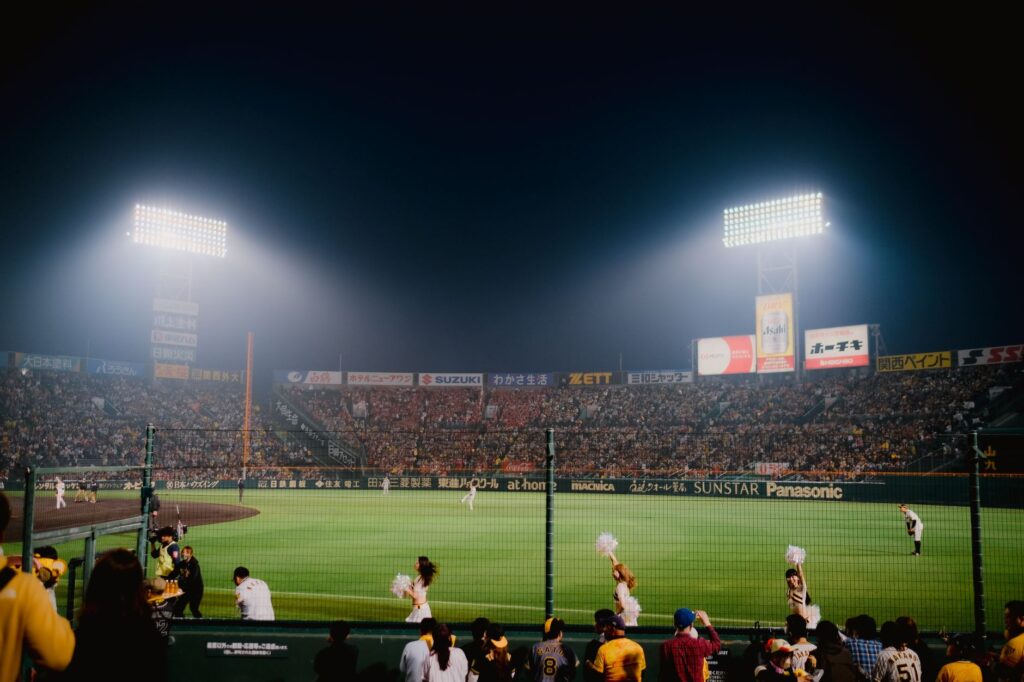
Race Sunday dawned with palpable tension in the air. The provisional grandstands of Madring, erected with surgical precision, roared in unison as the starting lights went out and twenty single-seaters accelerated toward the first corner in a clean and blistering start. The deafening sound of turbocharged hybrid V6 engines bounced off the facades of neighboring buildings, creating a metallic symphony that shook the foundations of the capital’s northern zone.
Action on the Madrid asphalt delivered memorable overtakes, risky team strategies, and the constant tension of a narrow circuit where the slightest error costs a place against the wall. Fans enjoyed a fascinating tactical battle where tire degradation management determined the final podium. The checkered flag fell on a historic winner who etched their name in gold letters onto the inaugural roll of honor of the Spanish Grand Prix in Madrid, unleashing collective euphoria across a circuit packed with over one hundred thousand souls devoted to the spectacle.
House 44: Sanctuary of Stars and Gastronomic Haute Couture
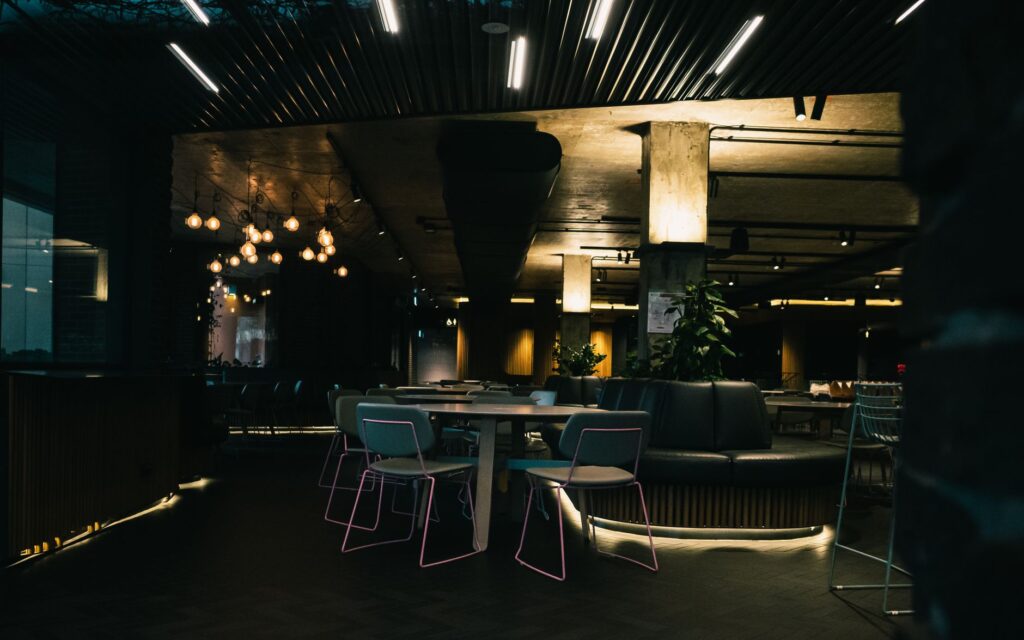
Far from the hustle and bustle of the pit lane, the weekend’s social and gastronomic epicenter shifted to House 44, the exclusive pop-up club and fine dining space created to welcome the championship elite. Located in a rehabilitated mansion in the Justicia neighborhood, this sanctuary of discretion and luxury combined Michelin-starred gastronomy with a sophisticated atmosphere where drivers, team principals, and cultural and fashion icons celebrated each practice and race day.
Among House 44’s most sought-after corners was its central bar, serving signature cocktails inspired by the history of motor racing. The culinary experience paid homage to seasonal produce from the Community of Madrid, reinterpreted through avant-garde techniques that captivated the most demanding palates of the paddock. It was the perfect meeting point to unwind from competitive stress and enjoy unforgettable evenings set to carefully curated live music sessions.
Modern motorsport is no longer just a matter of tenths of a second on the track; it is a total cultural experience where gastronomy, design, and hospitality define the prestige of a host city.
Exclusive Interview with Lewis Hamilton: Speed, Activism, and Legacy
In one of House 44’s most intimate lounges, we had the privilege of sitting down exclusively with Lewis Hamilton just hours before he donned his fireproof race suit. The seven-time world champion, renowned both for his excellence behind the wheel and his tireless social work outside the circuits, welcomed us with a relaxed smile, reflecting on the profound meaning of this new stage in his career and his first impression of the Madring layout.
“Coming to a city like Madrid with such history and passion for sport is always a special stimulus,” Hamilton confides as he sips water. “Urban circuits have a different soul; they force you to stay one hundred percent connected from the first practice, with zero margin for error. The energy of Spanish fans is unique, very passionate, and that transmits directly into the cockpit. For me, racing here is a reminder of why I still love this sport after so many years.”
The conversation inevitably turned toward his life outside the track, his commitment to diversity, and his future in fashion and design. Hamilton insists that motorsport must use its massive global loudspeaker to drive real change in society. 他的 visión on sustainability and inclusion in elite sport sets the path forward for new generations of drivers aspiring to emulate his success both on the track and in personal integrity.
Economic and Social Impact on the Community of Madrid
The post-Grand Prix assessment left staggering figures that justify the strategic wager made by regional and municipal administrations. According to preliminary economic impact reports, the event generated hundreds of millions of euros in direct and indirect return for sectors as diverse as hospitality, transportation, retail commerce, and the hotel industry. Creating thousands of temporary jobs, Madrid definitively solidified its position on the international calendar as a destination capable of successfully hosting events of maximum logistical complexity.
Yet the true legacy of Madring is measured not solely in euros, but in the transformation of the capital’s international perception as a modern, safe, and perfectly connected territory. The management of urban mobility through a historic reinforcement of public transport demonstrated that the city is ready to welcome massive visitor flows without collapsing its daily operations, setting a new standard of sustainability for future large-scale sporting events in Europe.
Practical Guide
Planning attendance at a Formula 1 Grand Prix in a metropolis like Madrid requires foresight and local knowledge to fully enjoy the experience without setbacks.
The Echo of Asphalt: When the Checkered Flag Becomes Memory
When the lights of the Madring circuit finally went out and crews began dismantling safety barriers, the city recovered its usual pulse, but with a subtle and profound difference in its gaze. The Spanish Grand Prix was not merely a three-day motor race; it marked the definitive consecration of Madrid as a global stage where extreme velocity, cultural sophistication, and popular passion converge in perfect harmony. The echoes of the V6 engine will resonate for months in the conversations of Madrileños, who are already counting down the days until the lights turn red once more on the capital’s asphalt.
Source in English: Condé Nast Traveler Spain – Formula 1 Reigns Supreme in the Capital.