
Introduction to the liquid landscape of memory
Contemporary tourism is undergoing a silent yet profound transformation. It is no longer sufficient to merely contemplate the ancient stone of a monument or wander through the silent halls of a museum to grasp the soul of a territory. Today, travelers seek immersion through the senses, and it is within the glass that the most complex synthesis of geography, climate, history, and human anthropology converges. The concept of liquid heritage transcends mere alcohol production, delving deeply into the realm of ethnography: every sip of a singular wine or ancestral spirit encapsulates centuries of human adaptation to the environment.
This evolution mirrors a paradigm shift among cultured travelers. Wine routes and historic distilleries are no longer treated as mere recreational appendices, but rather as cultural interpretation centers where the identity of communities is deciphered. Through the analysis of ancestral fermentation, distillation, and aging practices, it is possible to trace invisible maps of migrations, trade, and cultural resilience. Liquid heritage thus establishes itself as a living archive—as fragile as it is enduring—demanding both rigorous protection and careful reading to prevent commercial trivialization.
The earth as an archive: geography, terroir, and biodiversity
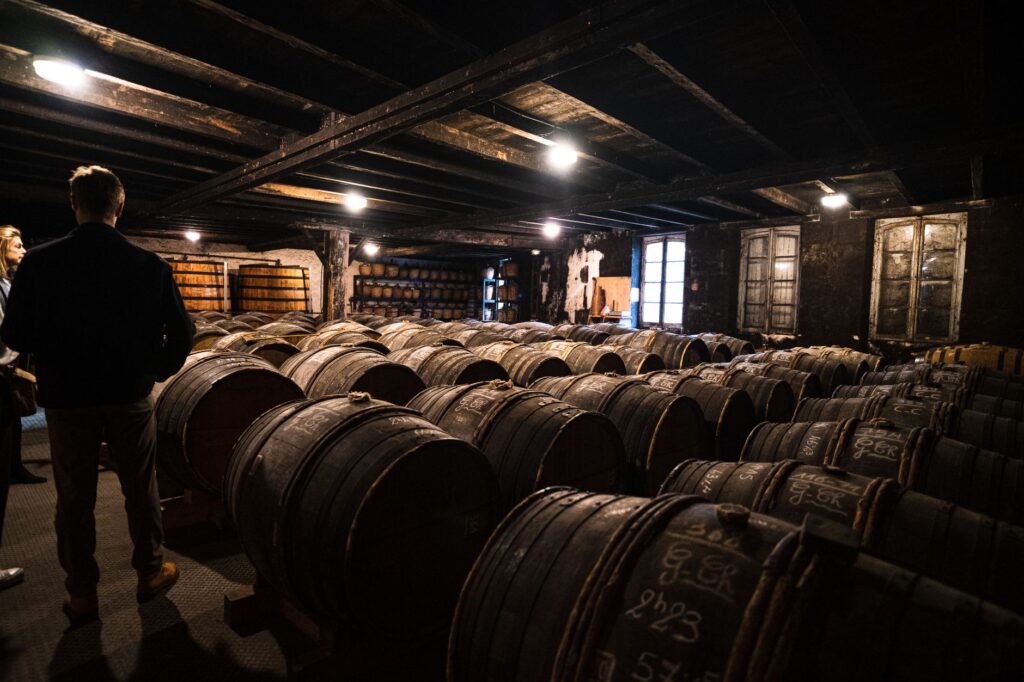
To comprehend the cultural magnitude of any beverage, one must observe the soil that nurtures it. The term terroir, frequently relegated to oenological marketing, is actually a complex ecological and cultural concept defining the unrepeatable interrelation between soil, microclimate, topography, and human intervention accumulated over generations. In wine regions of ancient solera, such as the valleys of Bordeaux, Tuscany, or the volcanic slopes of Santorini, the landscape has been sculpted hand in hand by winemakers and farmers who adapted the terrain to optimize sunlight and drainage.
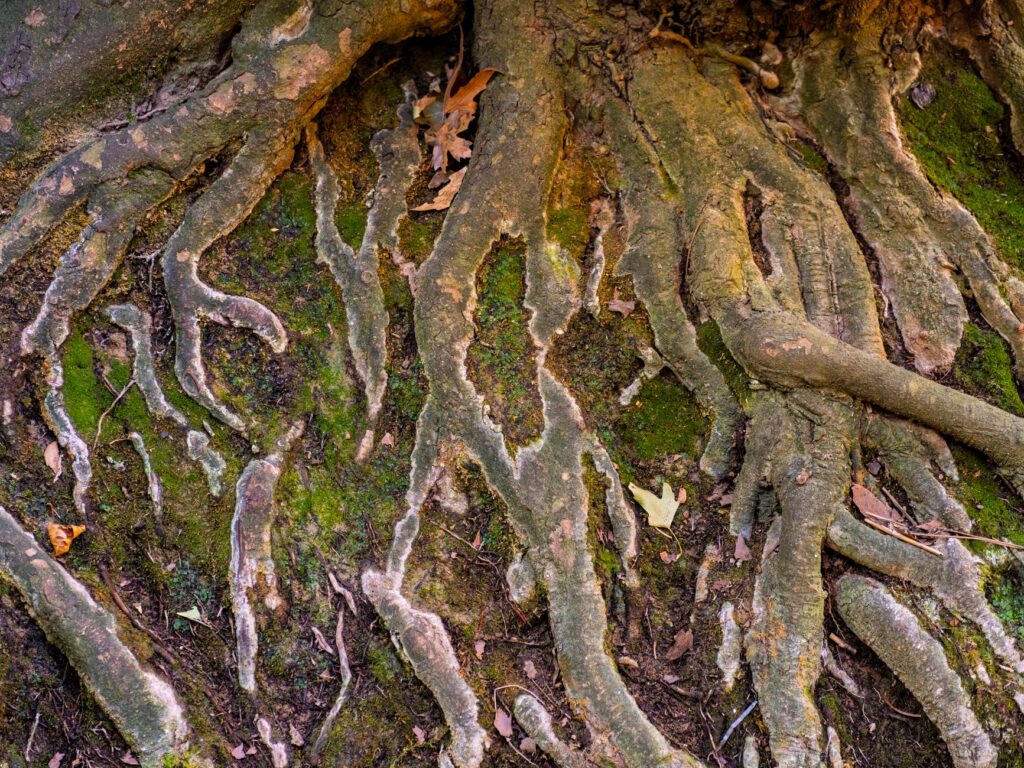
This constant interaction generates a unique biodiversity extending far beyond vines or grains. Autochthonous yeasts, subterranean microorganisms, and surrounding flora imprint an irreplaceable fingerprint upon the liquid. Agricultural heritage experts note that preserving pre-phylloxera grape varieties or ancestral cereals constitutes a conservation task comparable to restoring Gothic cathedrals. Every rescued vine or recovered indigenous variety represents a saved link in the botanical memory of the planet.
The architecture of flavor: the alchemy of traditional distillation
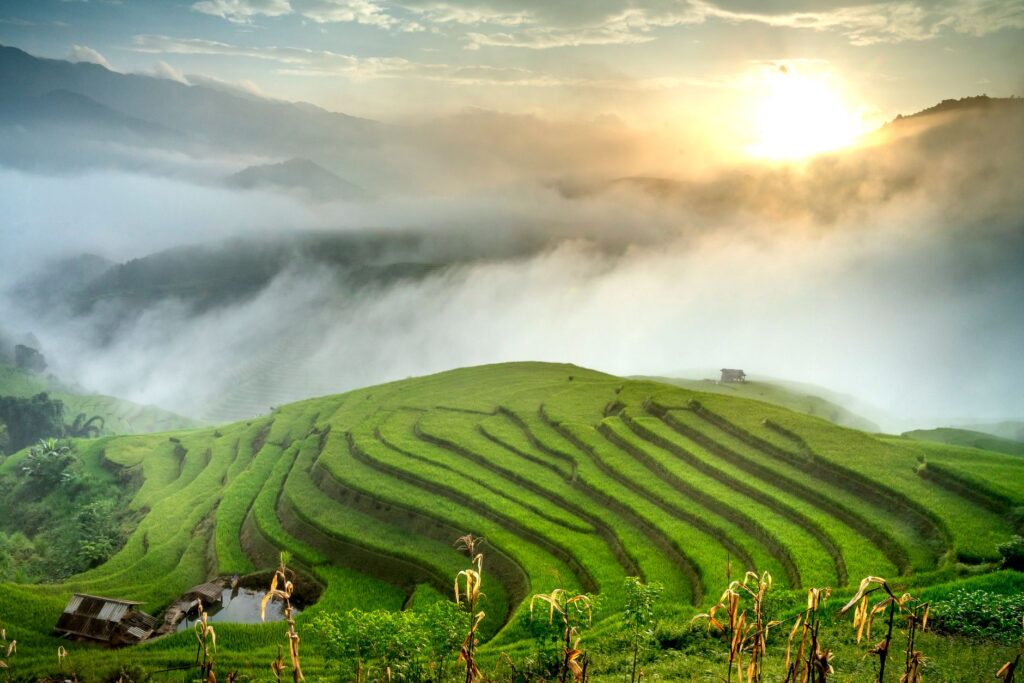
While wine serves as the direct expression of land and vintage, spirits represent the mastery of transformation and human alchemy. Centuries-old copper pot stills, wood fires controlled with millimeter precision, and subterranean cellars steeped in humidity form part of an industrial and architectural heritage of immeasurable value. Regions such as Cognac in France, the Scottish Highlands, or the tequila-producing valleys of Mexico harbor installations where time seems to have stood still.
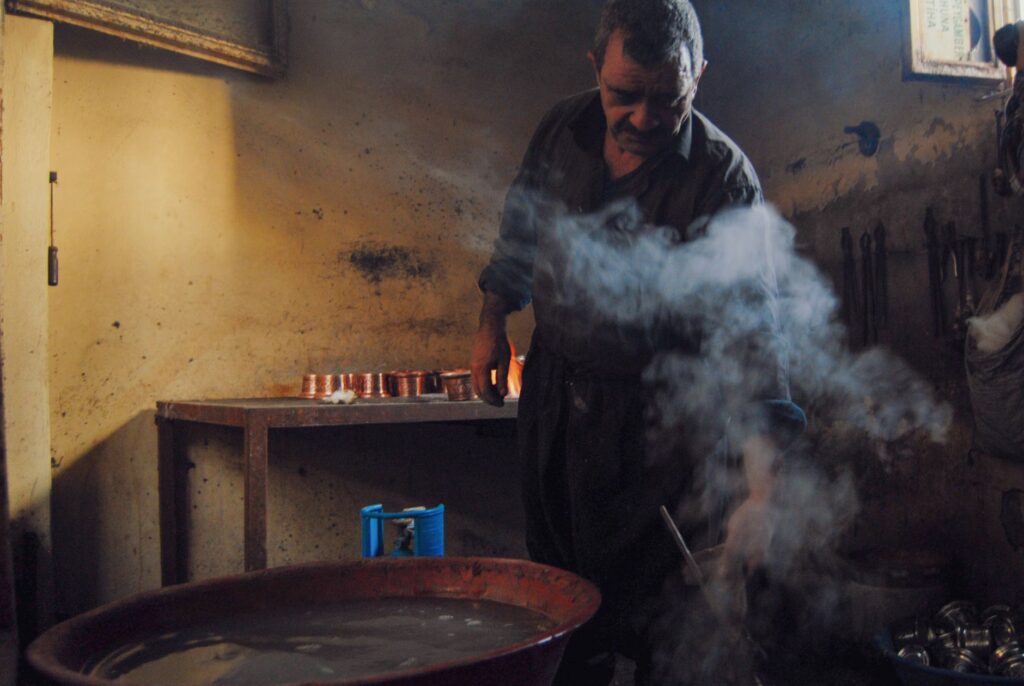
The transmission of these crafts has traditionally occurred through oral and physical apprenticeship, passing from master distiller to apprentice across generations. This intangible heritage encompasses subtle gestures such as testing the temperature of the still by resting a hand against the metal, or determining the exact cut point of the spirit through smell and bubble observation. Recognizing these distilleries not as mere factories, but as high-culture artisanal workshops, allows us to appreciate the human effort underlying every bottle destined for export or local consumption.
Liquid heritage is not confined to hedonistic consumption; it is the physical distillation of collective memory, a geological and human archive surviving inside every bottle.
Social rituals and table diplomacy
No beverage exists within a cultural vacuum; its true purpose is fulfilled in the moment of shared ritual. From Asian tea ceremonies to technical tastings in European châteaux or communal mezcal rounds in Oaxaca, the act of drinking is coded by strict social norms that foster community cohesion and hospitality. These rituals function as tools of cultural diplomacy, enabling mutual understanding among diverse communities through a universal sensory language.
In the sphere of international diplomacy, a nation’s emblematic products have historically functioned as silent ambassadors. Toasting with a prestigious wine or sharing a high-end spirit at an official summit is not arbitrary protocol, but a tacit acknowledgment of a nation’s cultural sovereignty and productive excellence. Cultural tourism leverages this social dimension to offer visitors the opportunity to participate in these rites, transforming the passive tourist into a respectful interlocutor of local traditions.
The economy of authenticity versus the risk of gentrification
The rise of wine and spirits tourism poses complex challenges for the sustainability of host communities. Rural gentrification, the unchecked inflation of agricultural land prices, and the massification of historic cellars threaten to transform sanctuaries of artisanal production into sanitized theme parks. Authenticity, the sector’s most prized value, risks dilution under standardized formulas designed for mass tourism.
To counter this drift, numerous appellations of origin and independent initiatives are implementing regenerative tourism models. These programs prioritize visits to small family producers, cap daily visitor numbers, and ensure that economic benefits directly support the conservation of rural surroundings and the revitalization of endangered traditional crafts. The key lies in balancing global openness with the fierce protection of the territory’s cultural integrity.
Innovation and memory: the future of liquid heritage
Far from being a purely nostalgic exercise, the world of wine and spirits demonstrates a remarkable capacity to converse with modernity without losing its soul. New generations of winemakers and master distillers are applying advanced scientific criteria, biodynamic farming practices, and blockchain traceability technologies—not to alter the product, but to guarantee its purity and transparency for increasingly demanding and informed consumers.
Likewise, forgotten winemaking techniques are being recovered, such as fermentation in buried clay jars or the use of barrels crafted from unconventional native woods. This history-respecting avant-garde proves that tradition is not static dogma, but a dynamic process of continuous creation. The contemporary traveler engaging with these offerings participates in a living dialogue between the remote past and tomorrow’s solutions.
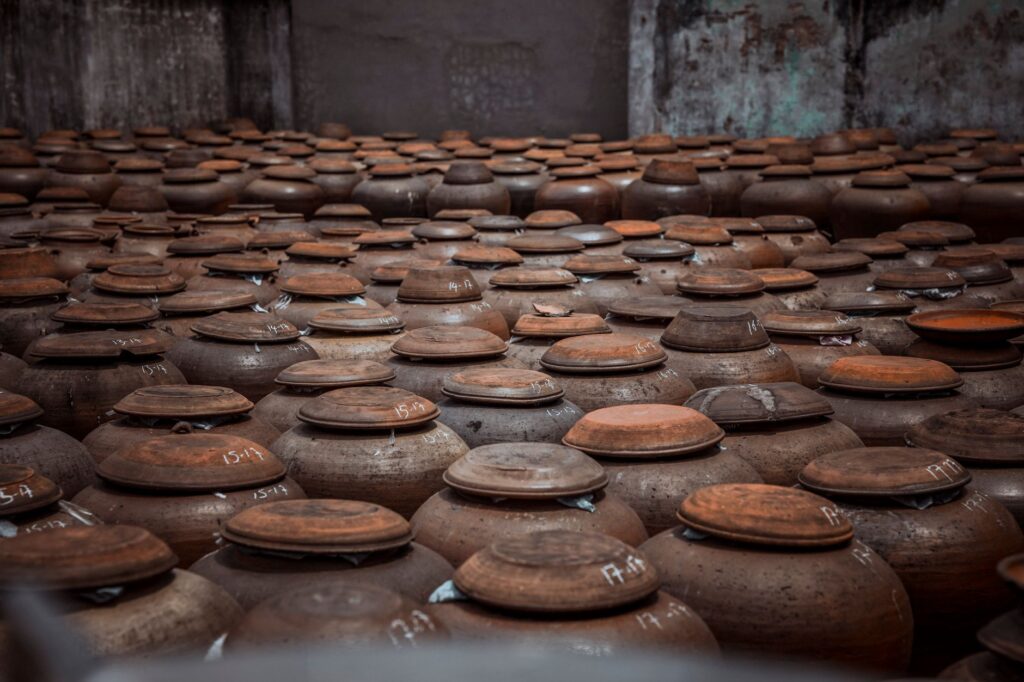
Preserving the integrity of artisanal methods against industrial pressure is the paramount ethical challenge of modern wine and cultural tourism.
Practical guide
Planning a journey focused on liquid heritage requires rigor, respect for seasonal cycles, and a careful selection of destinations to avoid tourist over-saturation.
- Best time to visit: Harvest periods (September to November in the northern hemisphere) offer peak activity in cellars, though spring allows travelers to experience the budding landscape with greater tranquility.
- Booking strategy: Historic wineries and limited-production artisanal distilleries require reservations months in advance. Avoid generalist agencies and contact regulatory councils or family estates directly.
- Transport and safety: Responsible consumption is non-negotiable. Hire private transport services with a local driver or join organized walking or electric bike tours when distances allow.
- Code of conduct: Respect hygiene standards in fermentation zones, avoid intense perfumes that might interfere with tastings, and request permission before photographing workers during daily tasks.
- Purchases and customs: Research alcohol import regulations and origin labeling beforehand to ensure you acquire certified products rather than tourist counterfeits.
Sensory epilogue: the echo of time in the glass
At the journey’s end, when the noise of the outside world fades and the glass rests upon the wooden table, the pure essence of the experience remains. It is not merely about the liquid’s organoleptic profile, but rather the evocative power of its aromas and textures. In that final instant, the traveler understands that every opened bottle serves as a portal through time, a tangible testimony of human effort, geography, and passion defying oblivion. Liquid heritage is not consumed; it is honored, reminding us that our own cultural history is deeply intertwined with the earth we walk upon and the fruits we patiently transform.
Source in EN: travelworldonline.in (https://news.google.com/rss/articles/CBMiqAFBVV95cUxQMlRPMVI2aVM3dmgyVl82X0JiZ0dpN3dDOWlQWURsTmhBMTV1eUJ1N05yc09ydVhPUzY0SUtIeGNGTy1Vam1BSUMwblhFYmc3dUNtNE9HckVNaWs4X0ozc2pROUtHd3kxV3M5a1UxYTdwbUszdENyLW1FQVBqZ2tzWV9nRWJjNVRhSEV1LVJ4LTNUNWhtUlAwMzNFbzVKS0Y2R3luUlgxWGo?oc=5)