Enolytourism has transcended simple barrel tastings to become an immersive form of territorial exploration. It is no longer enough to visit a winery at dusk and listen to the technical lecture of a resident winemaker; contemporary travelers seek to inhabit the vineyard, comprehend the pulse of the soil, and understand that a glass of wine is, in essence, a geographic and human archive. In this journey across twelve exceptional wine lodgings around the globe, architecture bends to topography, haute cuisine dialogues with local pantries, and the rhythm of the countryside establishes a necessary pause against urban vertigo.
From volcanic valleys in remote islands to steep slopes in the Old World or untamed plains in the New, these spaces demonstrate that wine is not merely a consumer product, but a vital cultural engine. Sleeping among vines implies accepting a silent liturgy: the observation of seasonal cycles, respect for soils, and recognition of the hands that work the earth. Through this feature, we explore how author hospitality has learned to interpret this liquid culture.
Architecture of Silence in the Priorat
In the rugged heart of Tarragona, where black slate known as llicorella forces roots to plunge dozens of meters in search of moisture, winemaking is an exercise in endurance. Here, lodgings integrated into historic estates prioritize structural minimalism so as not to compete with the landscape. Dry-stone walls and large windows oriented toward steep terraces allow the exterior to become an indissoluble part of the stay.
The experience goes beyond tasting very limited-production garnachas. Guests participate in morning walks guided by local viticulturists who explain the complexities of working on slopes. In these terrains where mechanization is impossible, every single cluster is harvested by hand—a physical effort that radically transforms the perception of the liquid later served at the table.
Millennial Tradition on the Caucasian Slopes
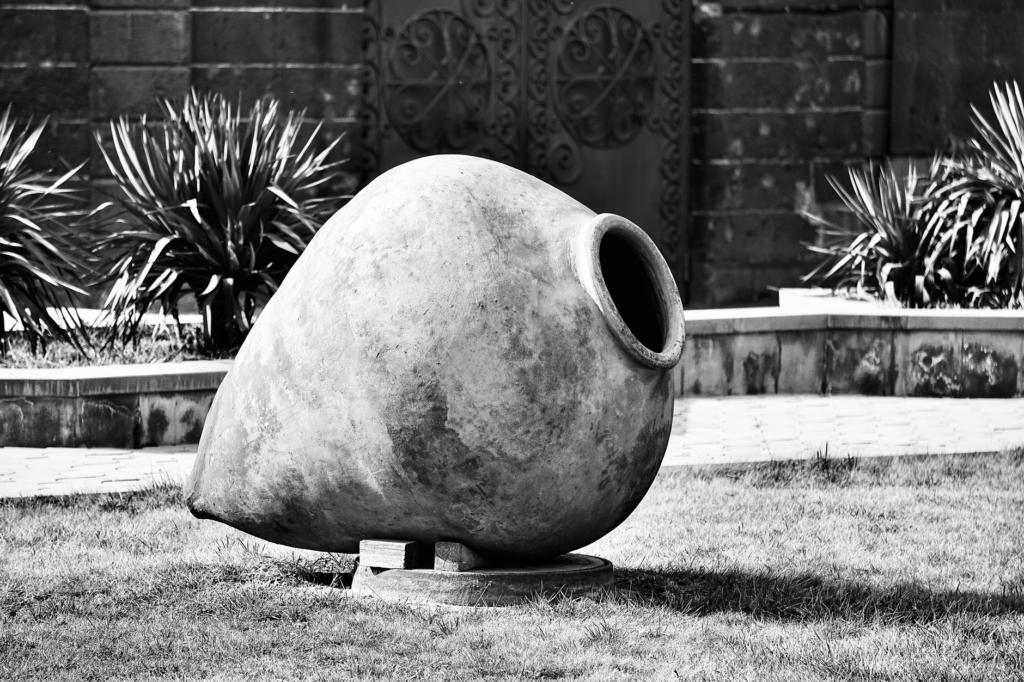
Traveling to the Caucasus, specifically Kakheti in Georgia, leads us to the historical cradle of viticulture, boasting over eight thousand years of uninterrupted tradition. Small boutique hotels situated in this region revive ancestral techniques, such as fermentation in large buried clay vessels called qvevri. This methodology, recognized by UNESCO, imparts a texture and aromatic profile markedly different from Western standards.
Local lodgings function as cultural interpretation centers where travelers can witness the sealing of amphorae with clay and beeswax. Communal dinners, guided by the traditional toastmaster or supra, turn the table into a space of exchange where Georgian hospitality manifests through poetic toasts and spiced dishes.
Sustainable Innovation in Deep Burgundy
In France, the Burgundy region operates under the concept of climats: meticulously demarcated vineyard plots where minute shifts in solar exposure or calcareous composition alter the final outcome. Hotels located in restored historic convents and abbeys in Beaune and Nuits-Saint-Georges apply stringent criteria to heritage restoration and agricultural sustainability.
Water management, the use of geothermal energy, and the total abandonment of chemical pesticides are standard practices in these establishments. During the stay, resident sommeliers organize sensory workshops focused exclusively on understanding the terroir, teaching guests to distinguish subtle differences between a Grand Cru and a Village through smell and olfactory memory.
High-Altitude Wines in the Uco Valley
At the foot of the Andes Mountains in Mendoza, Argentina, altitude redefines the rules of cultivation. At over one thousand meters above sea level, intense solar radiation and thermal amplitude produce grapes with thicker skins and remarkable polyphenolic concentration. Contemporary architectural complexes designed in this zone utilize exposed concrete and native woods to blend seamlessly with the high-altitude desert.
True luxury in a wine hotel is not an excess of amenities, but the ability to connect the guest with the ancestral silence of the earth and the human effort behind every harvest.
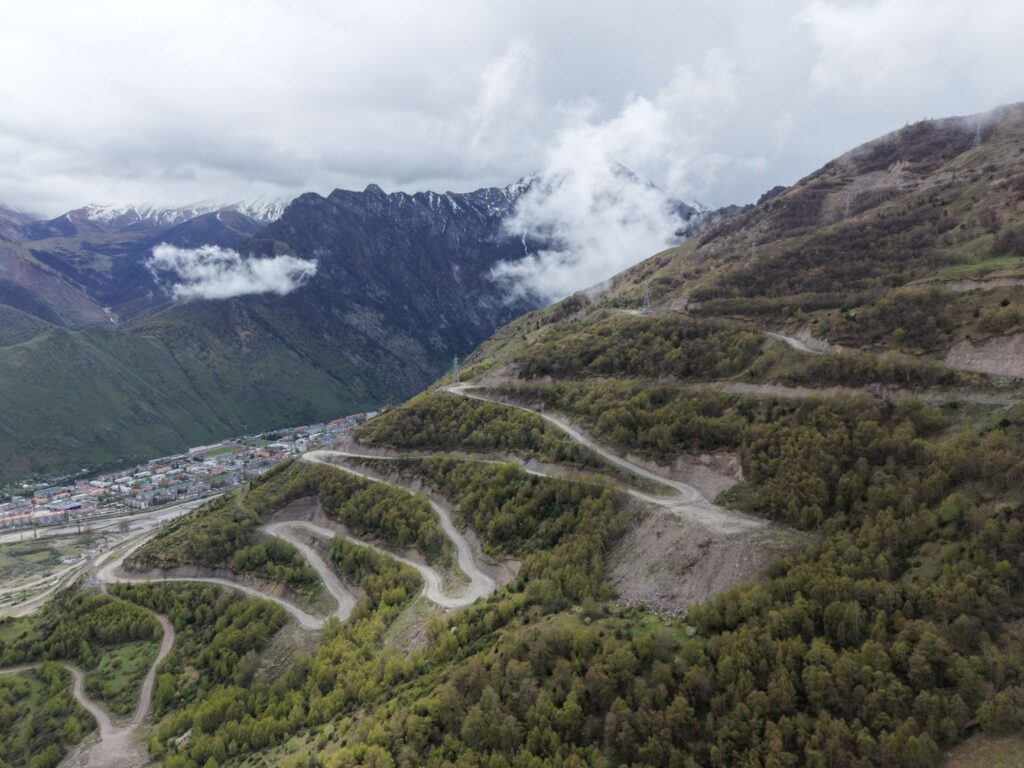
From guestroom terraces, the imposing mass of the Andes acts as a shifting backdrop depending on daylight. Activities include horseback riding alongside local gauchos through mountain trails and vertical tastings analyzing Malbec’s evolution across various climatic vintages.
Volcanic Reconquest in Santorini
In the Greek Cyclades, specifically on the island of Santorini, viticulture survives under extreme conditions. Constant sea breezes and a lack of rainfall require vines to be trained into low, intertwined baskets known as kouloura, which protect the grape clusters while harnessing the nighttime humidity of volcanic ash. Small hotels carved into the caldera offer a unique perspective of this lunar landscape.
Owners of these family-run lodgings are frequently producers of the iconic Assyrtiko wine. Conversing with them at the edge of the cliff as the sun plunges into the Aegean Sea sheds light on the resilience of an agriculture that has remained unaltered for millennia despite eruptions and mass tourism.
Food Sovereignty in the Rural Tuscany
In the heart of the Chianti countryside in Italy, the philosophy of agriturismo has evolved toward a model of food sovereignty and landscape respect. Historic estates, converted into low-capacity hotels, combine the production of Chianti Classico wine with the cultivation of centuries-old olive trees and organic vegetable gardens.
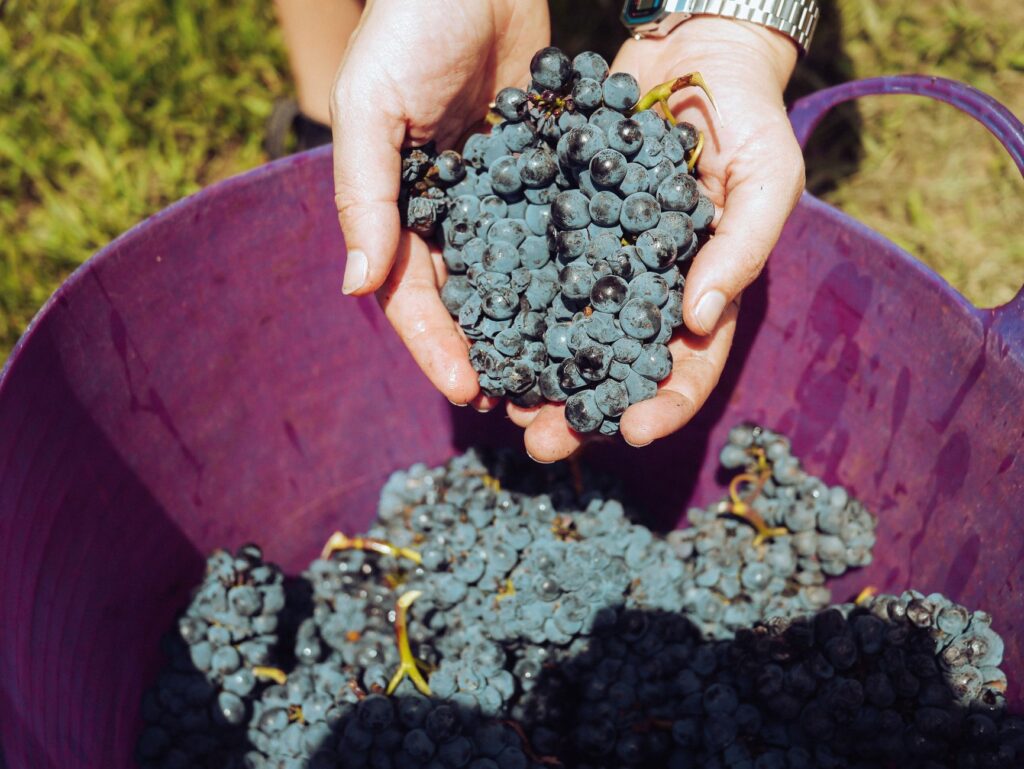
Guests are not mere spectators; they actively participate in seasonal tasks, ranging from green pruning in spring to manual harvest in autumn. The hotel kitchen sources exclusively from the estate’s production or from suppliers within a ten-kilometer radius, ensuring absolute traceability and a firm commitment to proximity economics.
Pioneers of the Cold in Marlborough
At the southern end of the world, New Zealand’s Marlborough region has transformed the landscape of river valleys into a global benchmark for aromatic freshness. Exclusive lodges situated among South Island vineyards champion bioclimatic architecture and absolute integration with surrounding wetlands and rivers.
The relationship with the environment is direct: bicycle rides between endless rows of Sauvignon Blanc, native bird watching, and dinners paired with fresh shellfish from nearby fjords, harvested just hours before reaching the table. Transparency in production processes and respect for river biodiversity are the guiding principles of the experience.
The Renaissance of the Historic Douro
The steep terraces descending toward the Douro River in Portugal, sculpted with pickaxes and dynamite over centuries, form one of the world’s most breathtaking cultural landscapes. Ancient quintas converted into luxury hotels combine the tradition of Port wine production with refined contemporary interior design.
Navigating the river in traditional wooden vessels, touring vineyards in off-road vehicles, and descending into centennial cellars to taste historic vintage wines are among the offerings that distance visitors from conventional tourism and plunge them into the timelessness of the valley.
Biodynamics and Landscape in the Napa Valley
In California, the Napa Valley has successfully evolved from a purely commercial model to an ecological avant-garde based on biodynamic farming. Hotels integrated within these organic estates function as closed ecosystems where biodiversity is fostered through the introduction of farm animals and the creation of biological corridors for local wildlife.
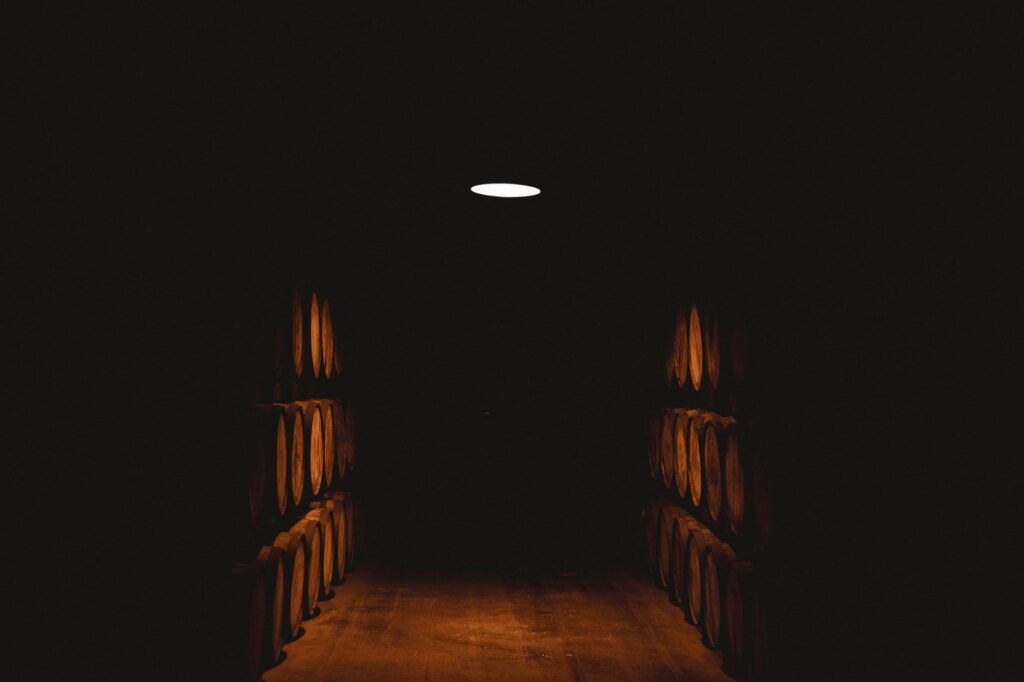
Understanding wine requires abandoning haste; every bottle holds a climatic chronology that only reveals itself when the traveler slows down their own pace.
Tastings take place outdoors beneath the shade of secular oaks, led by agronomists who explain how lunar phases and natural herbal preparations entirely replace synthetic products in vine care.
Phoenician and Roman Heritage in Southern Iberia
Within the Marco de Jerez in southern Spain, winemaking history dates back to Phoenician and Roman times. Hotels located in former noble residences and cathedral-like wineries allow guests to comprehend the complex solera and criadera aging system that gives life to biological and oxidative aged wines.
The experience of sleeping beneath high noble-wood ceilings, accompanied by the omnipresent aroma of albariza soil and flor yeasts, is completed by visits to historic vineyards rooted in pure white albariza. Here, the warmth of the Andalusian countryside contrasts sharply with the shady freshness of the wine cathedrals.
Practical guide
How to get there: Most of the mentioned wine hotels are located in rural or semi-rural areas, making car rental essential for autonomous access to local vineyards and cellars.
When to go: The months of September and October coincide with the harvest season, offering the opportunity to witness grape gathering, though spring (April to June in the Northern Hemisphere and October to December in the Southern) stands out for landscape splendor and milder temperatures.
Reservas: Stays in low-capacity winery-linked hotels should be planned several months in advance, especially during the peak harvest season.
Dress code: Comfortable, closed-toe footwear suitable for walking on dirt and gravel terrain is recommended, alongside light yet warm layers for evening cellar or outdoor tastings.
The Final Echo of the Vine on the Horizon
At the end of the journey, when the sun sinks behind the geometric lines of the trellises and absolute silence reclaims its territory, the vineyard hotel ceases to be a mere lodging. It transforms into a temporary sanctuary where time is no longer measured in hours but in harvests, reminding us that our relationship with the earth is, above all, a pact of patience and mutual respect.
Source in English: Condé Nast Traveler (https://www.cntraveler.com/gallery/wine-hotels-around-the-world-where-you-can-sip-sleep-and-stomp-grapes)