
September is not merely a month on the European calendar; it is a state of mind, a transitional territory where the dog days of summer yield to the golden, oblique light of the equinox. As cities recover their everyday pulse and classrooms fill with murmurs, the attentive traveler discovers that this period offers the most honest opportunity to understand the continent through its flavors, silences, and local rituals.
Faced with the summer saturation and tourist haste of July and August, the ninth month of the year acts as a moderator. Mediterranean coasts breathe a sigh of relief, Central European forests begin to carpet themselves with fallen leaves, and vineyards initiate one of civilization’s oldest transformations: the harvest. This report explores how Europe serves itself at the table in September, unravelling the complex web of traditions, memories, and seasonal shifts that define the end of summer bounty.
The geography of change: when the thermometer drops and the landscape shifts
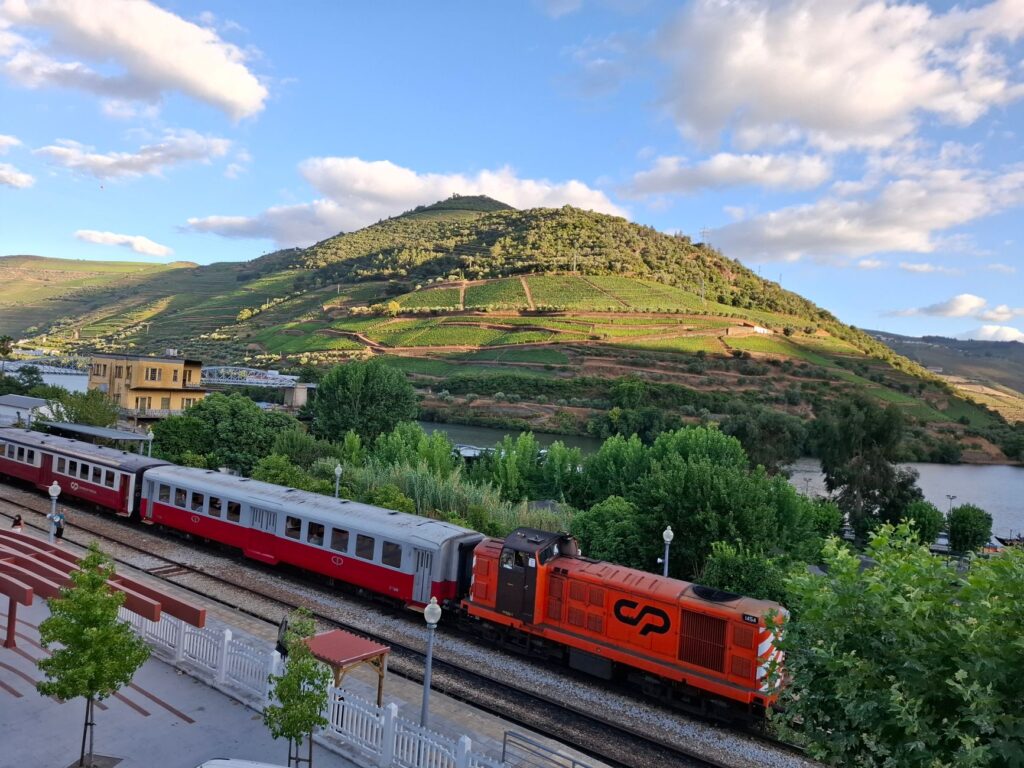
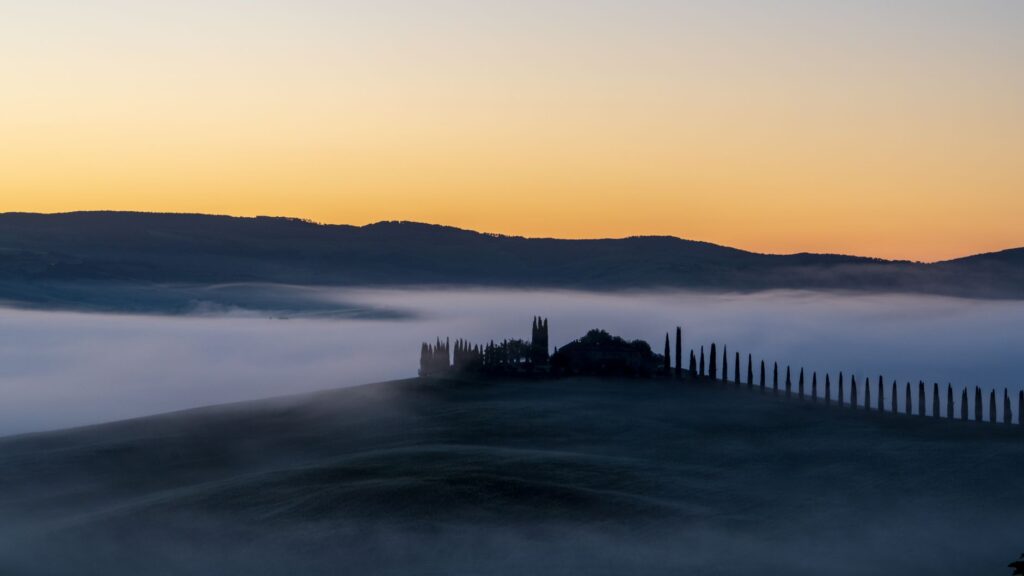
The European territory experiences a chromatic and climatic metamorphosis in September that radically alters the travel experience. In the south, from southern Spain to the Greek islands, the saline air retains the warmth of summer, but the nights return a long-awaited truce. In the north and center, in countries such as Germany, Austria, or northern France, mornings are covered in light mists that dissolve the contours of cultivated fields and alpine lakes.
This thermal contrast directly impacts the traveler’s rhythm. The urgent search for shade and constant aquatic escape is no longer paramount; movement becomes terrestrial, unhurried, and reflective. Secondary routes regain their appeal, allowing transit through regional roads where summer traffic has completely vanished, leaving space for the contemplation of a rural landscape preparing for rest.
The pulse of cities after the vacation exodus
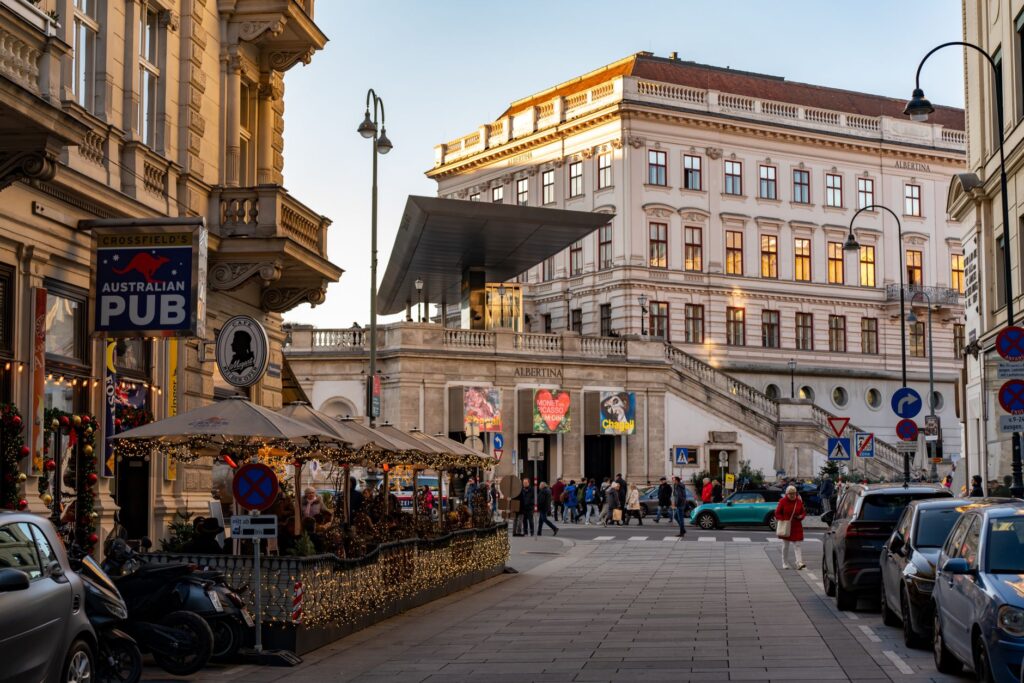
European metropolises experience a unique phenomenon in September: reunion. Following the August hiatus, when entire neighborhoods resembled ghost towns, residents return with renewed energy and a different attitude toward their own environment. Cafe terraces in Vienna, Paris, or Bologna are no longer occupied exclusively by foreigners with unfolded maps, but by locals discussing the return to routine while enjoying the final remnants of outdoor living.
For the traveler, this is the ideal moment to visit museums without endless queues, sit in a main square without the urgency of overcrowding, and observe urban dynamics with an anthropological perspective. The city shows itself as it is, without tourist artifices, revealing its daily routines, unfolded morning newspapers on marble tables, and the unmistakable sound of trams crossing cobblestone streets.
The great showcase: European markets on the threshold of the equinox
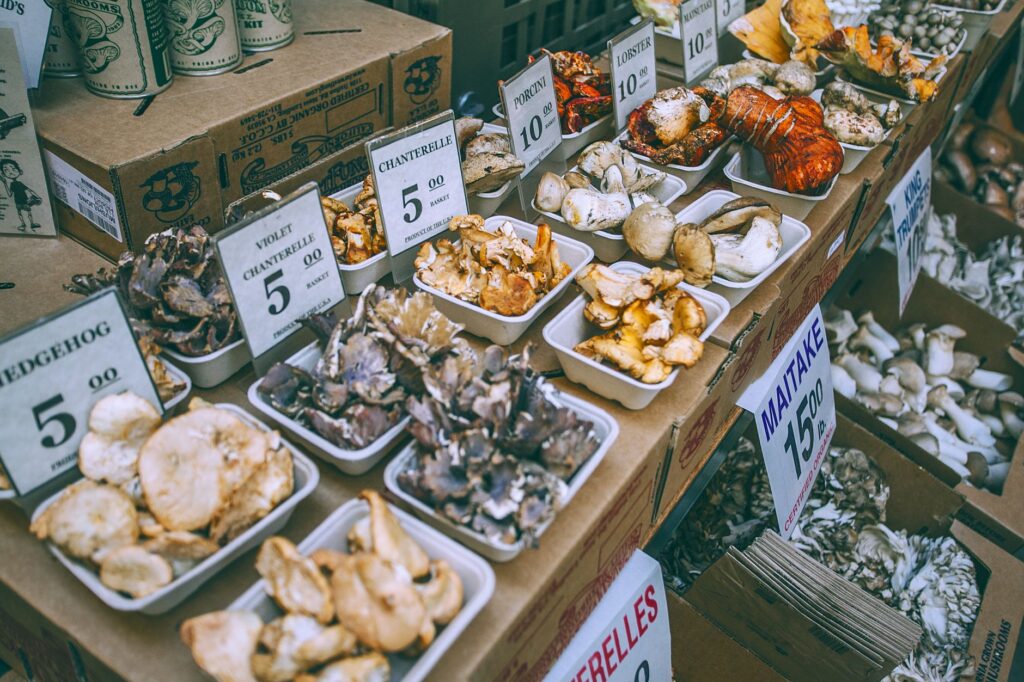
Few institutions reflect the seasonal shift as eloquently as food markets in Europe. From Barcelona’s La Boqueria to the bustling stalls of Budapest or Florence, market stands undergo a chromatic mutation advancing from the bright reds and yellows of summer toward the deep ochres, browns, and greens of autumn.
Stone fruits like peaches and plums yield to late figs, table grapes destined for both consumption and fermentation, and chestnuts beginning to appear on northern counters. Fishmongers offer species fleeing warm surface waters, while butchers and charcuters prepare their displays for the game season and cured meats that will accompany the coming months.
The forest pantry: mushrooms, truffles, and wild berries
With the first significant rains of September, the floors of European forests activate. In regions of Central Europe, the Pyrenees, and the Apennines, the mushroom season is unofficially inaugurated. Local markets fill with porcini, saffron milk caps, and chanterelles, foraged by expert hands that jealously guard the exact location of their patches.
This forest awakening not only feeds the local economy, but mobilizes entire communities around the ritual of foraging. It is an ancestral knowledge passed down through generations, where ecosystem respect and botanical awareness merge into an activity that invariably culminates around a frying pan with olive oil, garlic, and parsley, or integrated into small game stews.
The harvest: the ancestral heartbeat of continental vineyards
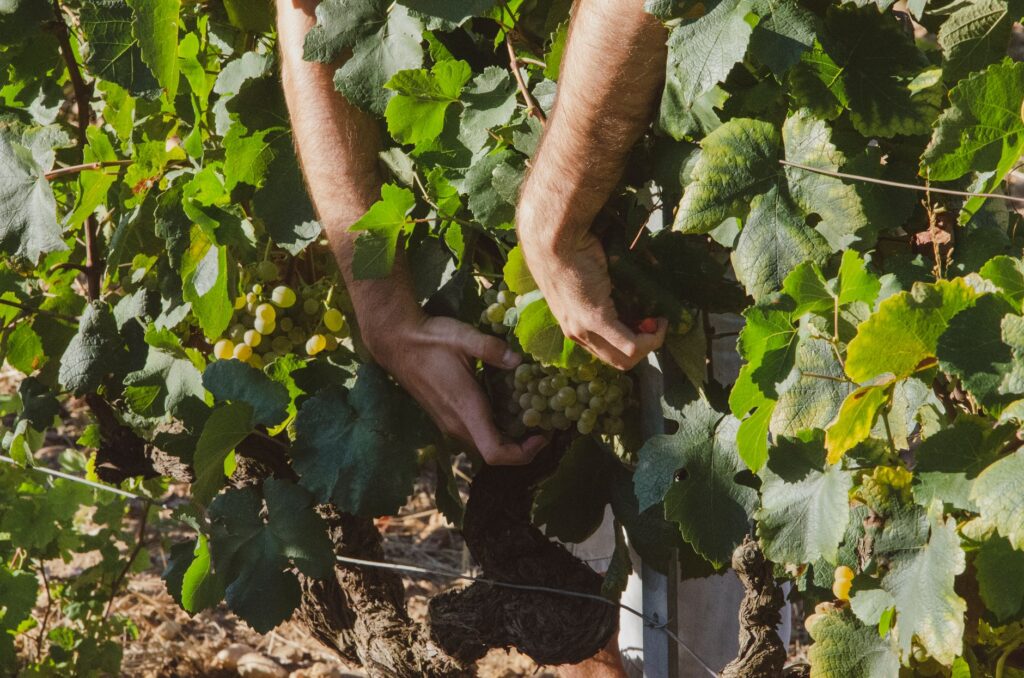
If there is one activity that defines the month of September in southern and central Europe, it is the grape harvest. From the impossible terraces of the Douro region in Portugal to the rolling hills of Tuscany, passing through Burgundy, Alsace, and the Rhine, vines become the epicenter of a frantic and festive activity in equal measure.
Grape picking is an exercise in agricultural precision and physical endurance that has hardly changed in its essence, despite technological modernization. Harvesters, a heterogeneous mix of locals and international seasonal workers, comb the rows of vines from dawn to prevent the midday sun from oxidizing the fruit. This process marks the economic and cultural pulse of entire regions, where new wine festivities overlap with the final patron saint celebrations of summer.
September wine is not merely the result of a harvest; it is the liquid memory of climate, soil, and human effort accumulated over an entire year of weather uncertainties.
Wine routes in slow intensity
For the traveler, September is the perfect month to tour European wine routes. Wineries, though immersed in the intense work of crushing and fermentation, usually keep their doors open with a closer and less protocol-driven disposition than in high-season months.
Staying overnight in a Catalan farmhouse, a Bordelaise château, or an Italian tenuta allows direct observation of the birth of vintages that will reach the market years later. Tastings acquire a unique didactic nuance, guided by winemakers explaining how spring rains or summer heatwaves shaped the acidic or tannic character of the wine tasted in the glass.
The shared table: summer memories and autumn advance
European gastronomy in September operates as a culinary bridge. A single menu coexists with the light freshness of sun-ripened garden tomato salads and grilled fish, alongside the incipient heft of legume stews, pumpkin soups, and braised meats.
This culinary syncretism responds to a physiological and cultural need: the body craves warmth and comfort as days shorten, yet the mind still clings to the luminous flavors of summer. Chefs in traditional taverns and contemporary restaurants leverage this duality to design ephemeral menus where zero-mile produce is the undisputed protagonist.
The ritual of coffee and open-air conversation
As afternoon progresses, falling temperatures invite extended after-dinner conversations on terraces, wrapped in a light linen or fine knit jacket. This is when Europeans recover the habit of leisurely conversation, analyzing the balance of holidays and projecting the working months ahead.
This unhurried rhythm extends to historic cafes in cities like Budapest, Prague, or Trieste, where the steam from cups of espresso or melange contrasts with fresh air entering through swinging doors. The traveler who sits to observe this bustle understands that true European luxury lies not in ostentation, but in the ability to inhabit time with dignity and calm.
Practical guide
Planning a trip to Europe in September requires understanding the logistical particularities of a continent in full seasonal transition.
- Transportation: Flights and high-speed trains reduce fares compared to July and August, though booking in advance is advised for highly demanded scenic routes.
- Accommodation: Many rural and coastal hotels apply mid-season rates and offer greater flexibility in cancellation policies.
- Climate: Layered clothing is essential; mornings and nights can be cold in the north and center, while central hours of the day in the south still retain summer strength.
- Events: Numerous cities celebrate harvest festivals and local gastronomic fairs in mid-month; checking regional cultural agendas before departure is recommended.
The refuge of oblique light: the end of the journey
When the sun begins to decline over the rooftops of Europe on an advanced September afternoon, it casts elongated shadows that seem to redraw the city’s architecture and the geometry of fields. It is in this twilight moment that travel acquires its most intimate dimension, far from rigid itineraries and mass tourist guides.
Sitting on a stone bench facing a Central European river or contemplating the silhouette of olive trees cut against a sky of mauve and amber tones, the traveler understands that the true value of this month lies in its honesty. September promises no artificial paradises or impossible vacation promises; instead, it offers the sober beauty of the everyday, the richness of a land nourished by its own memory, and the certainty that every summer ending is actually the silent prologue to a new and rich season.
Source in English: Condé Nast Traveler Spain