
Introduction to the Silence of Matter and Craft
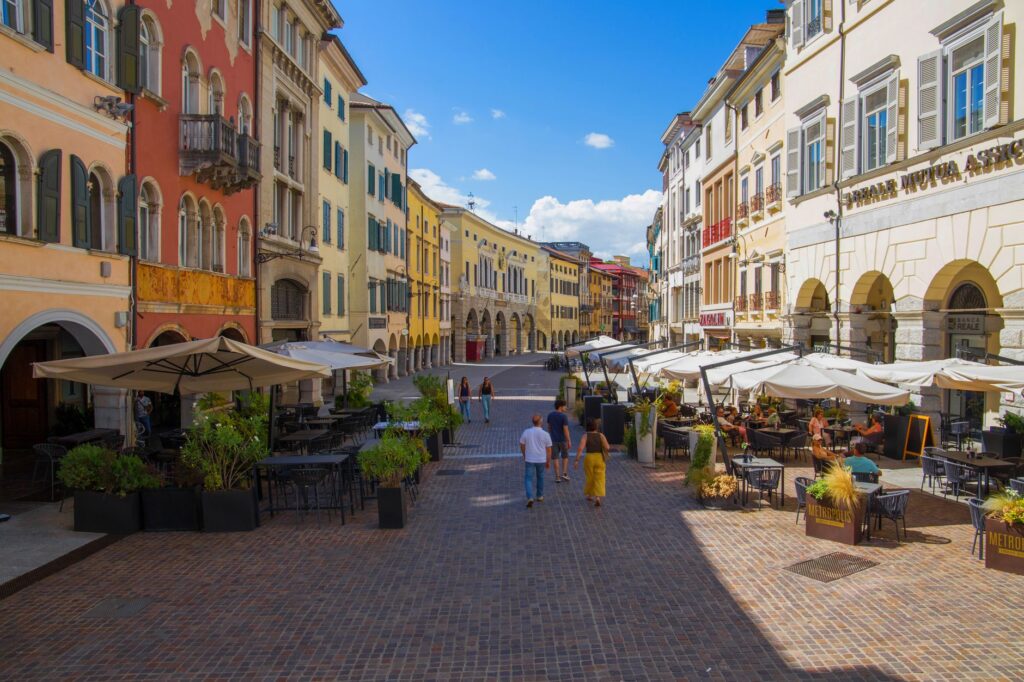
In the heart of the Veneto region, Vicenza is not merely the monumental stage where Andrea Palladio’s classical forms redefined Western architecture; it is also the silent sanctuary of a know-how that defies the transience of the digital age. Behind the sober facades of its Renaissance palazzos and cobblestone alleys, artistic bookbinding workshops continue to operate under the exact same physical and aesthetic principles that governed European workshops in the sixteenth century. Here, time is not measured in cycles of planned obsolescence, but in the endurance of a spine sewn with hemp cord, the millimetric precision of hot-tooled gold leaf, and the infinite patience required to align signatures of handmade paper.
This report examines the vitality of a craft caught between heritage preservation and contemporary reinvention. Through interviews with master artisans, rare book conservators, and young publishing creators, we will explore how leather bookbinding has transformed into a bulwark of material culture, offering the curious traveler an unusual and deeply sensorial approach to Italy’s profound identity.
The Invisible Architecture of the Book: Anatomy of a Vicentine Workshop
Entering a traditional workshop in Vicenza requires adjusting one’s rhythm to the tempo of the analog world. In the studio run by the Rossi brothers, located near Corso Andrea Palladio, the air smells of bone glue, vegetable-tanned leather, and time-worn paper. There are no screens or harsh mechanical noises; the dominant sound is the steady, rhythmic click of the needle passing through paper folds.
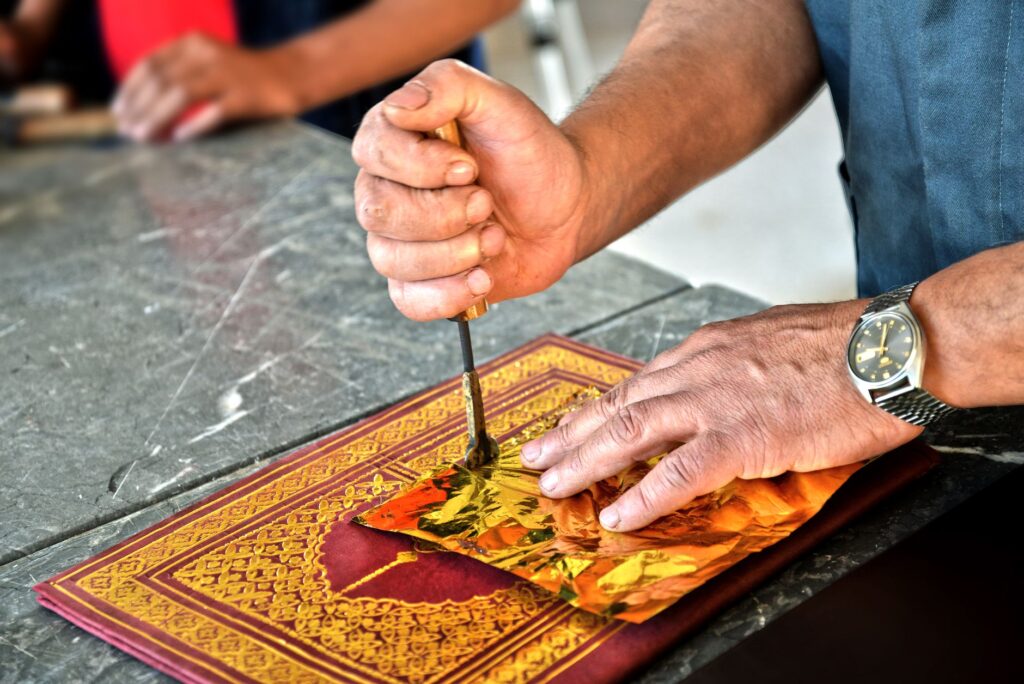
The process begins long before the leather touches the board. Every volume entering the workshop—whether an incunable requiring conservative intervention or a contemporary bespoke commission—demands meticulous structural diagnosis. Quality binding does not seek to conceal the flaws of the support, but to understand its organic nature to extend its lifespan through reversible interventions. The masters analyze the direction of the paper grain, the weight of the endpapers, and the tensile strength of the threads before making the first cut in the sheepskin or calfskin.
The Art of Sewing on Cords
One of the technical milestones distinguishing the Vicenza school is its absolute mastery of sewing over raised cords or hemp bands. Unlike industrial methods of milling and synthetic gluing, manual sewing distributes tension evenly along the spine, allowing an open book to rest completely flat on a table without compromising the structural integrity of the signatures.
Every stitch is executed with millimeter-calculated tension. Too much force would deform the sheet; too little would cause fatal looseness over decades of handling. This dynamic equilibrium is acquired after years of tutored apprenticeship, where the tactile sensitivity of fingertips becomes the artisan’s most reliable measuring instrument.
The Alchemy of Leather: Vegetable Tannins and Natural Dyes
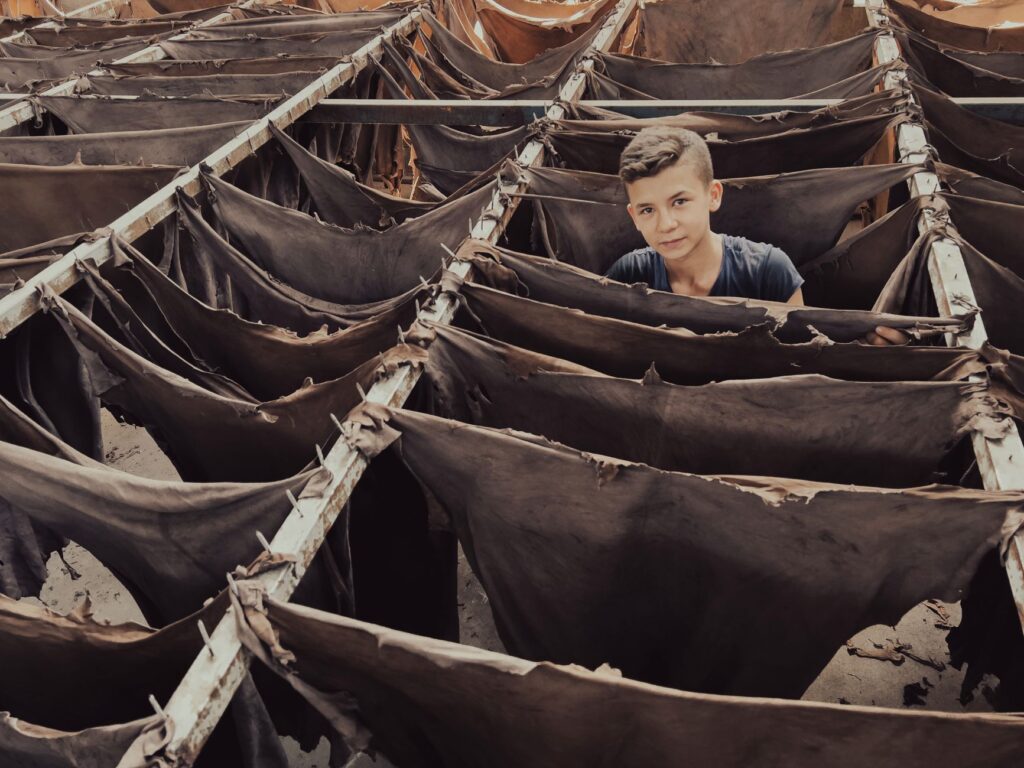
The selection of raw materials is another pillar supporting the excellence of these workshops. While mass production relies on corrected leathers and accelerated chemical tanning using chromium salts, Vicenza’s artisanal workshops maintain a network of local suppliers in northern Italy that use vegetable tannins extracted from chestnut, wicker, and oak bark.
This traditional tanning method not only guarantees century-long durability, but also allows the leather to breathe, evolve, and develop a unique patina through use, known in the jargon as the touch of memory. «A well-bound vegetable-tanned leather book is a living organism that ages with dignity alongside its owner,» notes master artisan Elena Moretti with conviction as she smooths the corners of a morocco leather binding with a bone folder.
- Exclusive use of goat and bovine skins with sustainable origin certificates.
- Manual preparation of paste using wheat starch and distilled water.
- Application of inorganic mineral pigments for the artisanal dyeing of edges and counter-doublures.
- Strict adherence to historical techniques of skiving leather edges to prevent excessive thickness.
The Brilliance of the Past: Bronze Tools and Fire Stamping
One of the most mesmerizing visual spectacles in these spaces is the use of hand-carved bronze tooling palettes and brass stamps. These items, often inherited from previous generations or commissioned from specialized pattern-makers in the Alpine foothills, are heated on precision electric stoves until they reach the exact temperature required to fix genuine gold leaf or metallic foil onto the leather.
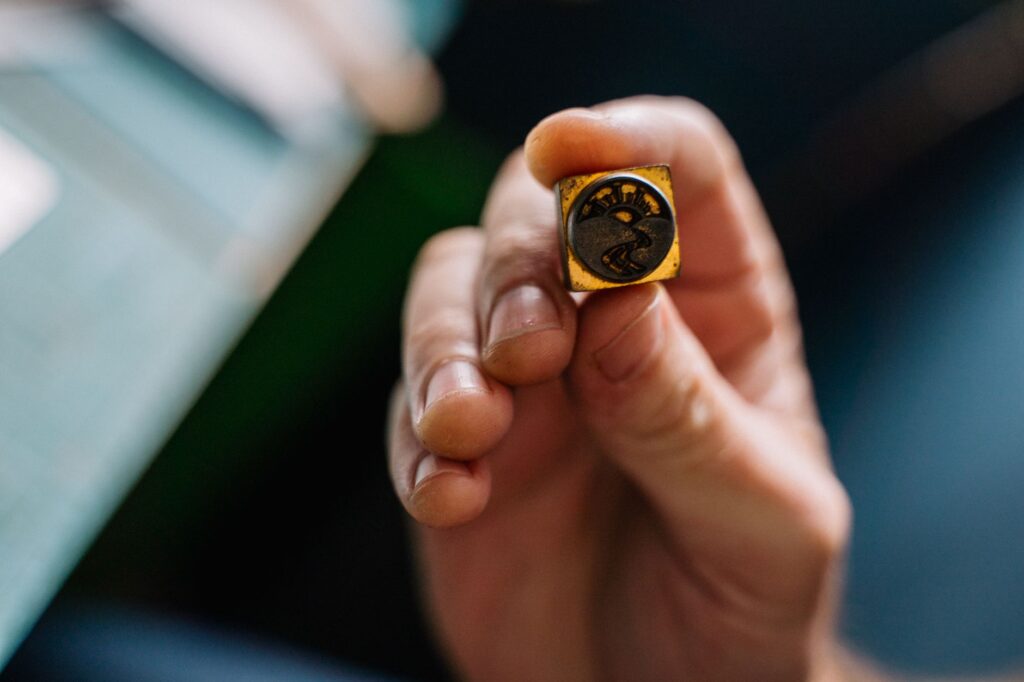
The maneuver allows zero margin for error. If the tool is too cold, the gold fails to adhere; if it is too hot, it scorches the grain of the leather and ruins hours of prior work. The mastery of fire and manual pressure distinguishes the true creator from the simple decorator. Every geometric motif, Renaissance fleuron, or gold fillet tells a story about the origin and destination of the volume.
The hand-bound book is not a passive repository of information, but a tactile sculpture designed to resist oblivion through the beauty of its structure.
Generational Transition and New Publishing Challenges
Faced with apocalyptic diagnoses regarding the disappearance of manual crafts, Vicenza is experiencing a curious phenomenon of generational renewal. In recent years, young graduates from fine arts and graphic design faculties in Milan, Venice, and Florence have arrived in the city seeking apprenticeships in traditional workshops.
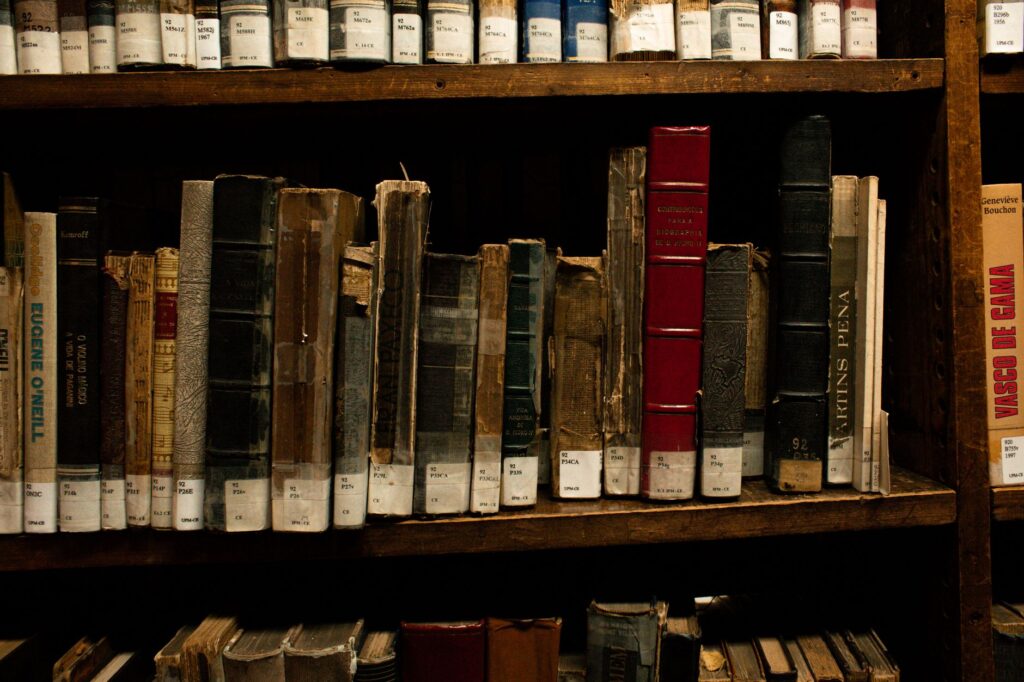
This symbiosis between the technical orthodoxy of veteran masters and the conceptual vision of new creators has spawned an emerging market for artist books, limited editions, and high-end corporate archive projects. International fashion houses, contemporary art galleries, and private collectors rely on these workshops to materialize institutional memoirs and object-catalogs that transcend the conventional concept of publishing.
Practical guide
Planning a route through Vicenza’s bookbinding workshops requires a respectful and unhurried approach, recognizing that these are active working spaces rather than interactive museums.
How to Get There and Getting Around
Vicenza is fully integrated into northern Italy’s high-speed railway network. It is connected via regional and direct trains to Venice (35 minutes), Verona (30 minutes), and Milan (1 hour 50 minutes). The central railway station places the visitor within a ten-minute walk of the historic core. The city is best explored entirely on foot or by bicycle; private vehicle access to the old town is restricted (ZTL).
When to Visit
The spring months (April to June) and autumn (September to November) offer ideal weather for walking the city. It is advisable to avoid August, a period when most independent workshops close for annual holidays. Scheduling visits between Tuesday and Friday mornings is strongly recommended.
Workshop Visit Etiquette
The vast majority of traditional workshops are family-run businesses or sole-proprietor studios. Visitors should never enter without arranging an appointment in advance via email or phone. Admission is generally free, but purchasing smaller items—such as notebooks, bookmarks, or leather cases—is deeply appreciated as a gesture of support for the local economy. Touching tools or materials without explicit permission from the artisan is strictly prohibited.
Accommodations with Historic Soul
To maintain the narrative coherence of the journey, staying in small boutique hotels or bed & breakfasts housed in restored historic palazzos within the center—such as Palazzo Trevisan or converted private residences retaining original woodwork and stucco—is strongly recommended.
Epilogue: The Weight of Leather and Permanence
At dusk, when the golden sunlight strikes the stone ashlar of the Palladian Basilica, the traveler understands that true luxury in our time lies neither in speed nor in virtual accumulation, but in the capacity to pause before objects that possess a soul. Deep within a modest Vicentine workshop, as a sheet of gold leaf adheres with heat and patience onto calfskin, time stands still. It reminds us that, despite digital inclemency, humanity continues to need refuges of noble matter where beauty and memory continue to be sewn by hand, stitch by stitch, against the weathering of time.