
Origins and Geography of a Transforming Boreal Ecosystem
Oulanka National Park, situated in the Finnish regions of Southern Lapland and Northern Ostrobothnia, represents one of the most complex and best-preserved landscapes in northern Europe. Characterized by the convergence of the Siberian taiga, Scandinavian coniferous forests, and Arctic wetlands, this territory has weathered decades of pressure from extractive human activities, particularly commercial forestry and the artificial drainage of peatlands carried out in the mid-20th century. Today, however, the park stands as a living laboratory where hydrological restoration not only seeks to reverse historical damage but also establishes a pioneering conservation model for the continent’s fragile boreal biomes.
The geography of Oulanka is dominated by deep river canyons, rushing rapids such as Kiutaköngäs, and vast expanses of fens and bogs that act as critical natural carbon sinks. During the 1950s and 1960s, thousands of kilometers of drainage ditches were excavated across these wetlands to accelerate timber growth. This intervention profoundly altered the delicate hydrological balance of the soil, drying out ancient peatlands, accelerating the decomposition of organic matter, and releasing large quantities of carbon dioxide into the atmosphere. The urgency to halt this process sparked a radical transformation in the park’s management policies.
The Reverse Engineering of Water: Rehydrating the Landscape
Reversing the impact of drainage ditches required a paradigmatic shift in environmental engineering applied to Finnish national parks. Rather than employing aggressive mechanical interventions, forest scientists and technicians from Metsähallitus—the state-owned enterprise managing Finland’s protected areas—designed a restoration plan grounded in passive and active hydrological restoration. The process involves systematically blocking old ditches using local, biodegradable materials, primarily Scots pine logs, compacted peat, and rocks sourced directly from the surrounding environment.
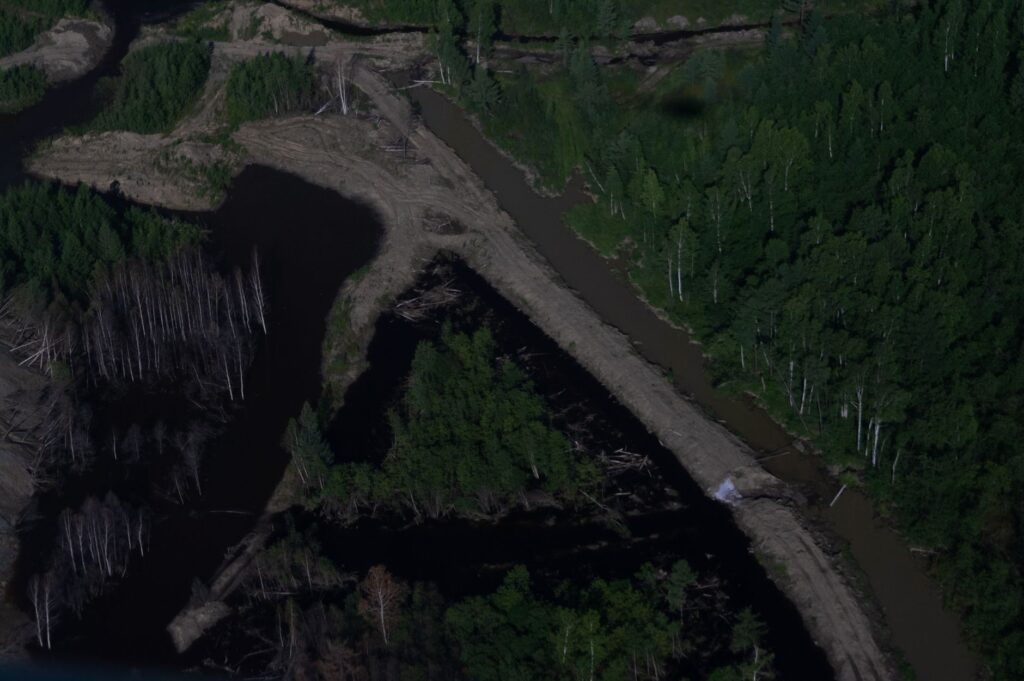
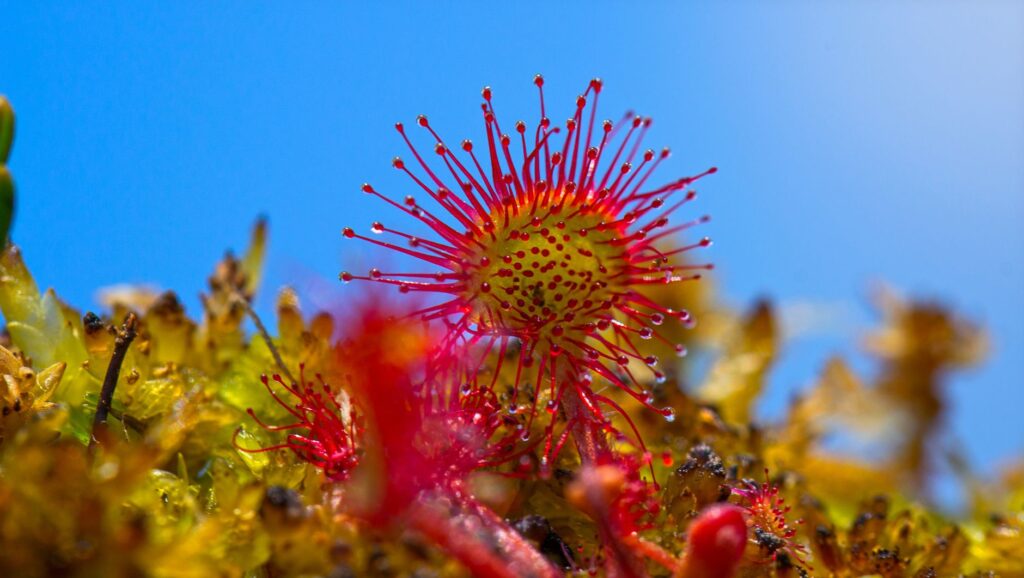
This method, technically known as ridging and retention dam construction, forces rainwater and spring snowmelt to spread evenly across the surface of the peatland rather than rapidly escaping into main rivers. As a result, the water table gradually rises back to its historical level. Hydrological studies conducted in the Savilampi sector demonstrate that just three years post-intervention, native wetland vegetation—such as Sphagnum mosses and carnivorous plants—begins to recolonize the blocked channels, halting peat oxidation and reactivating carbon sequestration.
The Role of Local Communities and Ancestral Memory
The restoration of Oulanka is not merely an exercise in ecological engineering; it is also an endeavor in cultural recovery and collaboration with local communities and representatives of the Sami people. Although the region lies at the southern fringe of traditional reindeer herding lands, interaction between local herders and park managers has been instrumental in aligning conservation goals with the economic viability of traditional practices.
Reindeer herders have contributed irreplaceable empirical knowledge regarding seasonal water flows and the historical migration routes of the animals, data often absent from modern topographic maps. This intercultural dialogue has enabled the design of retention dams that neither obstruct the winter transit of herds nor disrupt the lichen pastures upon which the animals depend during the coldest months. Consequently, conservation ceases to be a centralized bureaucratic imposition and transforms into a shared commitment where ecological wellbeing and cultural livelihoods move forward hand in hand.
True ecological restoration is not about freezing the landscape into a static postcard, but about restoring its autonomous capacity to heal and adapt to the cycles of the climate.
Low-Impact Infrastructure: The Art of Wooden Boardwalks
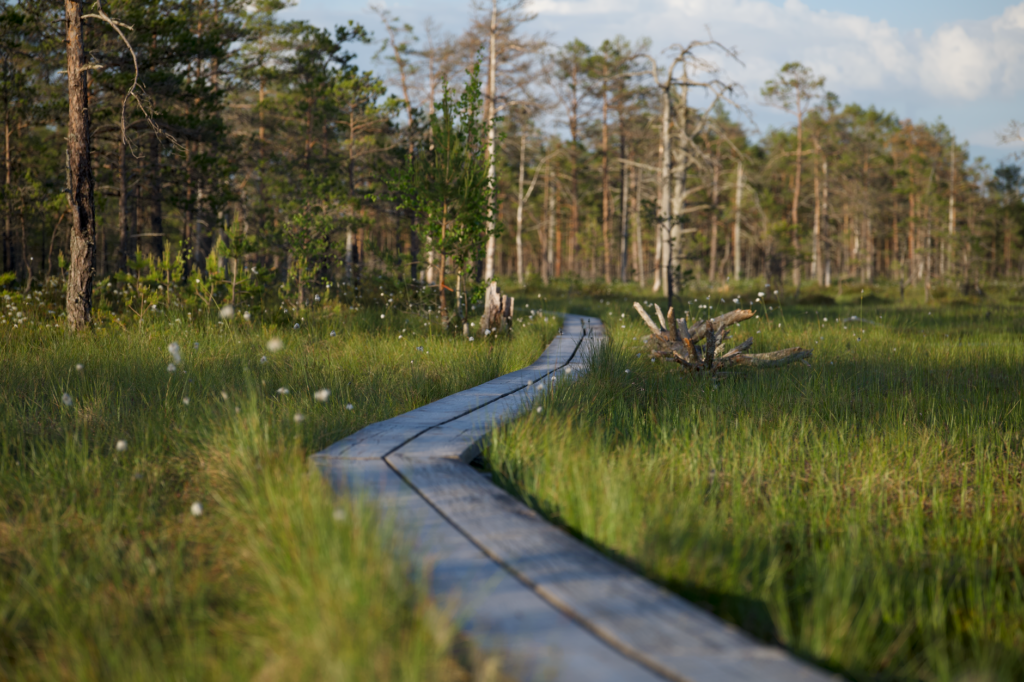
The rise of responsible ecotourism in Oulanka—bolstered by the iconic Karhunkierros (Bear’s Ring) hiking trail—posed a complex dilemma: how to allow thousands of visitors to experience the most sensitive landscapes without destroying the fragile moss and peat soil. The solution was found in a careful expansion of elevated wooden boardwalk infrastructure, locally known as pitkokset.
These structures, built from untreated pine wood sourced from certified local sustainable forestry operations, literally float above the terrain using minimal supports that prevent soil compaction and protect the delicate vegetation layer. Over the past five years, park administration has relocated over forty kilometers of traditional trails that previously crossed areas of high ecological vulnerability, diverting them onto elevated boardwalks and strategically positioned observation platforms. This landscape architecture not only prevents erosion and mud formation but also offers hikers an immersive perspective of the wetland without disturbing surrounding wildlife.
Recovered Biodiversity: The Return of Key Species
The biological indicators of restoration success in Oulanka are visible across multiple trophic levels. With the recovery of the water table and the rehydration of peatlands, various species of waterfowl and shorebirds, such as the wood sandpiper (Tringa glareola) and the common snipe (Gallinago gallinago), have registered a notable increase in nesting rates within park boundaries. Similarly, annual botanical inventories confirm the expansion of boreal orchid colonies and rare lichens that rely on constant air and soil humidity.
Regarding larger fauna, restored river corridors facilitate the safe movement of apex mammals such as the gray wolf, wolverine, and brown bear, which find abundant food sources and shelter in protected wetlands away from external anthropogenic pressure. Park biologists note that ecological connectivity achieved by removing physical barriers and sealing ditches has transformed Oulanka into a crucial climate refuge amid advancing global warming in boreal latitudes.
Scientific Monitoring and Technology Transfer
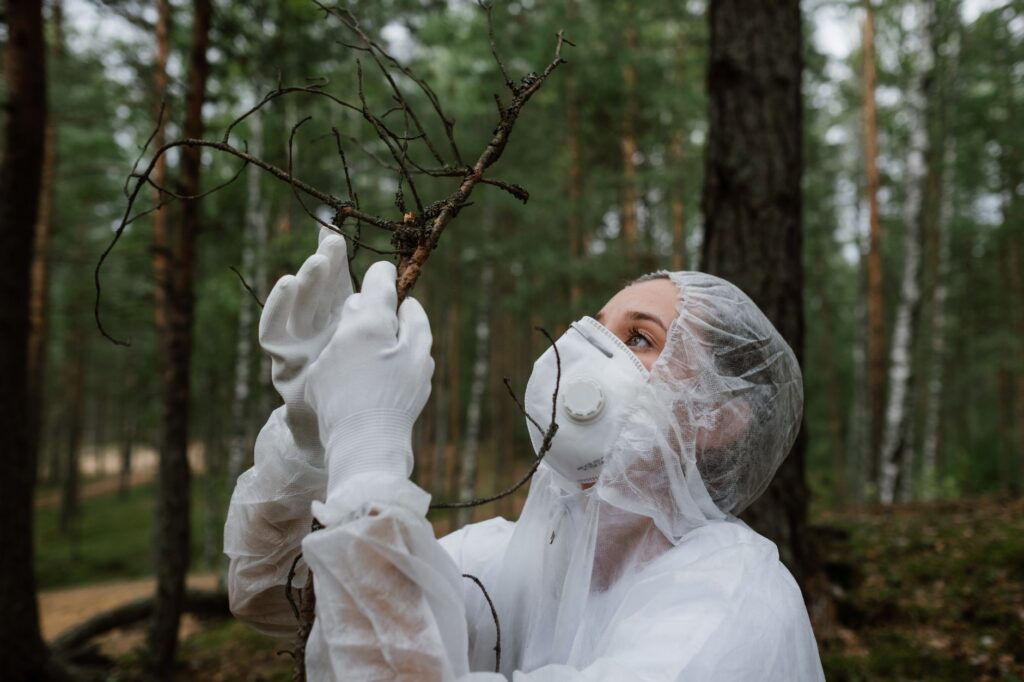
Rigor in evaluating results is one of the pillars distinguishing Oulanka’s management from other conservation projects in Europe. The park collaborates closely with the University of Oulu and the Finnish Environment Institute (SYKE) in a comprehensive monitoring program combining advanced geospatial technologies, subsurface moisture sensors, and continuous greenhouse gas flux measurements.
Using drones equipped with multispectral cameras and LiDAR, researchers can map plant biomass recovery and changes in water retention at a watershed scale with millimeter precision. These real-time data not only validate the efficacy of applied techniques but are also shared openly through international scientific networks, making Oulanka a global benchmark for boreal peatland restoration in countries with similar geographies such as Canada, Norway, and Sweden.
Practical guide
How to get there: The primary access point to Oulanka National Park is located near the towns of Kuusamo and Salla. Kuusamo Airport (KAO) receives daily regular flights from Helsinki operated by Finnair. From the airport, the most efficient option to minimize carbon footprint is utilizing regional shuttle bus services or coordinating shared transfers with local accommodations certified with the Nordic Swan ecolabel.
When to go: The summer season, spanning from mid-June to late August, offers continuous daylight and optimal conditions for traversing hiking routes. For those seeking the experience of autumn foliage (known as ruska), September offers unparalleled landscapes, though advanced thermal equipment is required. Winter (December through March) is ideal for sustainable cross-country skiing, strictly respecting wildlife exclusion zones.
Where to stay: Visitors are encouraged to prioritize lodgings adhering to the Sustainable Travel Finland network, such as traditional cabins managed by local families in the village of Hautajärvi, which operate on geothermal energy and forest biomass heating.
Visitor guidelines: The park operates under the principles of responsible public access («Everyman’s Right»), strictly adapted to protected areas. Lighting fires outside designated spaces, collecting protected plant species, and leaving any form of waste are strictly prohibited, adhering strictly to a leave-no-trace ethic across all routes.
Silence and Resilience in the Boreal Frontier
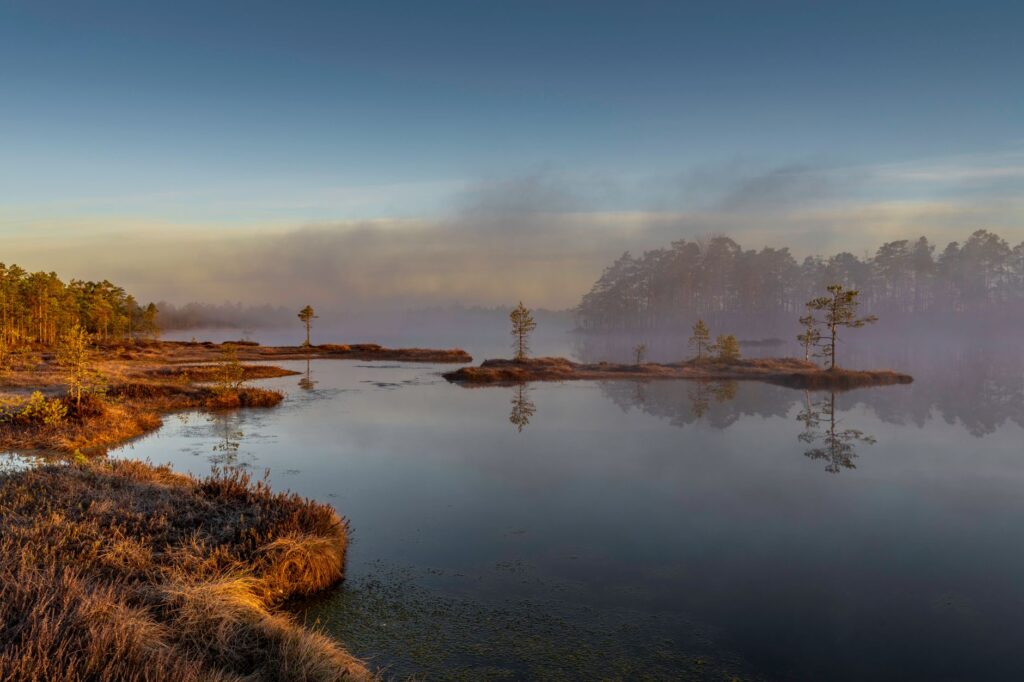
As dusk settles over the Oulankajoki river valley, light mist begins to rise from the newly rehydrated peatlands, blending with the dark canopies of century-old spruce trees. In this moment of absolute stillness, where the only audible sounds are the distant rush of rapids and the soft creak of wooden boardwalks beneathfoot, the true magnitude of the restoration effort becomes clear. This is neither a domesticated territory nor a natural theme park, but an ecosystem returned to the tools necessary to heal its own wounds. In Finland’s boreal frontier, contemporary conservation demonstrates that when science, ancestral memory, and public management converge with absolute respect for Earth’s rhythms, the landscape not only survives time but recovers its original heartbeat.