
The high-altitude plateau of the Bogotá savanna stretches across an Andean meseta more than 2,600 meters above sea level, where the intense green of dairy pastures contrasts against the imposing silhouette of the Eastern Cordillera. In this landscape of crisp mountain air and morning mists, the whistle of a steam locomotive breaks urban routines every weekend. The Sabana Train is not merely a recreational attraction; it represents an operational vestige of the vast national railway network that once attempted to stitch together Colombia’s rugged geography. Today, this corridor survives thanks to a heritage engineering effort that defies the absolute dominance of motor transport and the complexities of sharing tracks with the sprawling urban growth of the northern savanna.
Understanding the current scale of this route requires looking beyond the varnished wooden carriage and the dense smoke that lingers around the station. The survival of this narrow-gauge rail system rests on a delicate balance between tourist nostalgia and strict technical discipline. Each convoy departing for Zipaquirá or Cajicá mobilizes a complex chain of mechanical maintenance, road logistics, and grade-crossing management where historic trains, private vehicles, and intermunicipal transit converge. In a country where railway infrastructure has suffered from historic political amnesia, this circuit endures as a moving testimony and an inescapable case study for understanding cultural mobility in the tropical Andes.
The Genesis of Andean Rails and the Conquest of the Altiplano
The history of the line traversing the savanna today is rooted in the nineteenth-century ambition to connect agricultural production centers with consumer markets and export routes toward the Magdalena River. Laying rail tracks over clayey lacustre soils and steep Andean slopes posed a titanic challenge for nineteenth-century engineers. Steel rails imported from Europe had to contend not only with changing rainfall regimes but also with the low load-bearing capacity of the savanna terrain. Every kilometer won from the high plateau required consolidating embankments with crushed stone and installing hardwood ties capable of supporting the weight of steam locomotives without sinking into the mud.
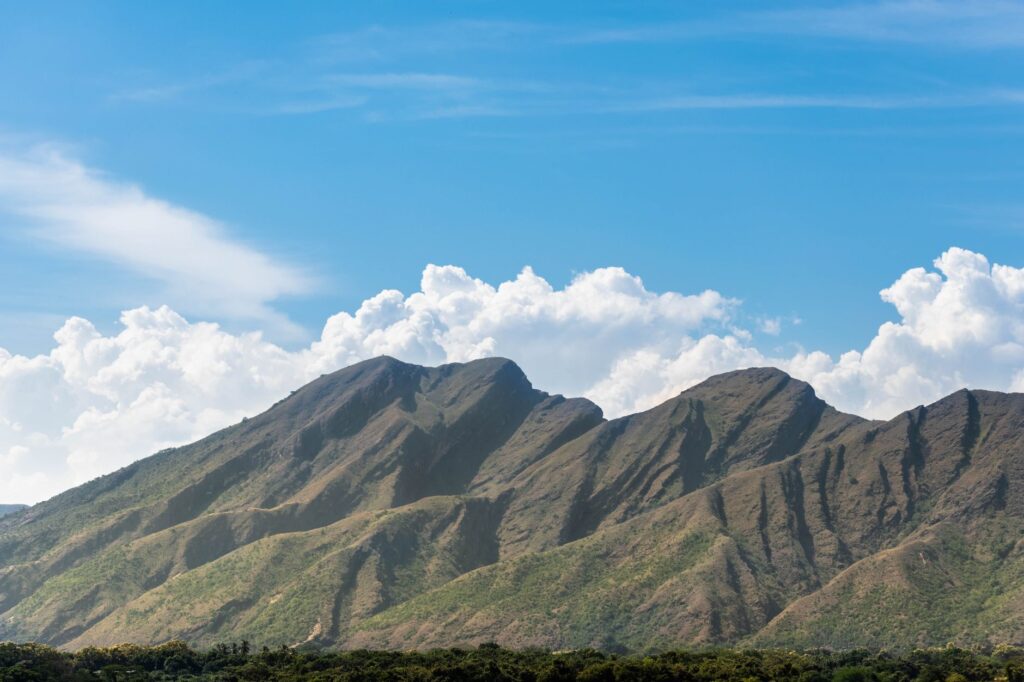
For decades, this system carried not tourists, but the coal, milk, livestock, and manufactured goods that fueled the growth of a Bogotá beginning to outgrow its colonial footprint. The original layout was designed to integrate with the savanna without drastically altering the natural drainage of the wetlands, an aspect that continues to condition track maintenance today. The fired-brick masonry culverts, built over a century ago, still fulfill a vital function in preventing seasonal floods from inundating the ballast. The railway infrastructure thus operates as an artificial ecosystem in symbiosis with the amphibious environment of the altiplano, where any alteration in the track profile can trigger erosion or waterlogging in neighboring farms.
Living Engineering: The Century-Old Workshops of Sabana Station
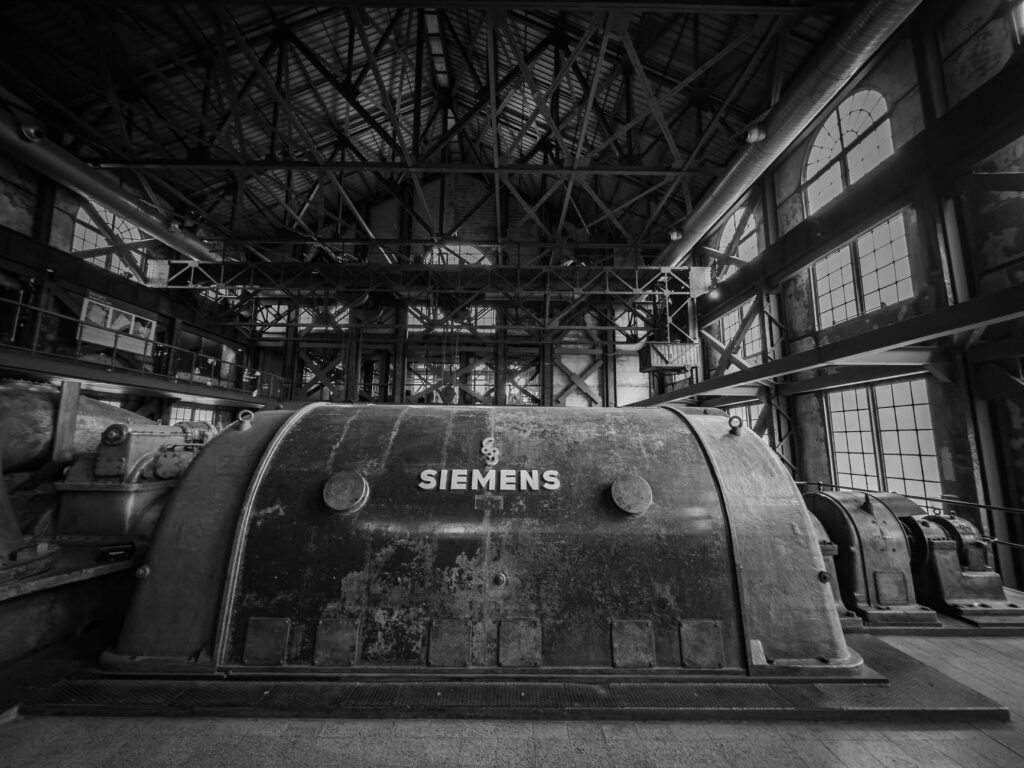
The beating heart of the railway system is not found along the tracks, but within the maintenance workshops located near the old Sabana Station in Bogotá. This industrial complex, which retains the atmosphere of the first industrial revolution adapted to high-altitude the tropics, operates as a living museum where steam and internal combustion technology remain operational thanks to the accumulated knowledge of generations of turners, fitters, and firemen. Here, modern manuals do not exist for many parts comprising an early twentieth-century Baldwin locomotive; replacement parts must be turned by hand from cast-iron blocks, replicating factory specifications millimeter by millimeter.
The restoration and preventative maintenance process is a rigorous discipline combining artisanal metallurgy with ultrasonic boiler inspections. Sustaining working pressures exceeding ten bar in a steam boiler demands exhaustive checks of structural welds and rivets. Workshop operators meticulously inspect every connecting rod, piston, and bronze bearing before every Sunday run. This technical knowledge, passed down from master to apprentice through direct practice in inspection pits, constitutes an intangible heritage as valuable as the machines themselves. In a world dominated by planned obsolescence and sealed electronic components, the survival of these locomotives depends entirely on human capacity to interpret the physical wear of metal through sound and vibration.
The Urban Pulse: Road Coexistence and Grade Crossings in the Northern Savanna
As the train leaves Bogotá’s urban perimeter and enters municipalities such as Chía and Zipaquirá, it confronts one of its greatest contemporary challenges: the loss of exclusivity along the rail corridor. The accelerated real estate and commercial development of the savanna has transformed what were once lonely rural crossings into high-density vehicular intersections. Coexistence between the heavy iron masses and private automobiles generates daily tensions that test driver patience and the tourist train’s right-of-way.
Along the nearly fifty kilometers of track, the convoy must traverse dozens of grade crossings where signaling ranges from manual barriers operated by switchmen to automated light and bell systems frequently subject to vandalism or copper cable theft. Engine drivers must constantly use the steam whistle, a deep, penetrating sound warning oblivious drivers of the physical impossibility of stopping a multi-ton mass within a few meters. The commercial speed of the train is strictly limited not by locomotive power, but by the density of these urban crossings and the need to mitigate accident risks in a region where respect for railway precedence has eroded over time.
The railway track on the high plateau does not compete with the highway for speed, but for the ability to suspend time, forcing the traveler to rediscover the human scale of the savanna landscape.
The Onboard Experience: Rhythm, Atmosphere, and Memory on the Rails
Traveling on the Sabana Train entails a radical shift in spatial perception. While the northern highway buzzes with the relentless traffic of trucks and SUVs moving at constant speed, the train rolls along at an average rarely exceeding thirty kilometers per hour. This unhurried pace allows passengers to carefully observe the geometric transition of vegetable crops, colonial estates with clay-tile roofs, and herds of Holstein cattle grazing indifferent to the passing convoy. The carriages, restored with fine woods and polished brass hardware, recreate the elegance of mid-century travel, offering a stagecraft where time seems to fold back upon itself.
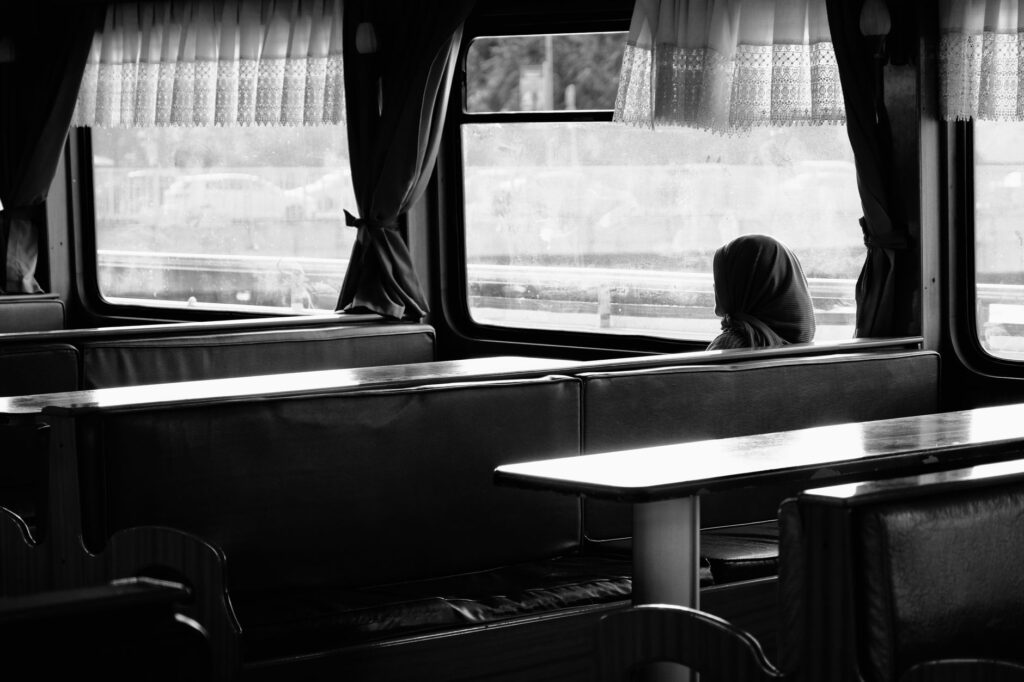
Onboard, the sonic atmosphere is dominated by the rhythmic clatter of wheels passing over rail joints and the steady murmur of the boiler echoing throughout the train. Passengers, a diverse mixture of local families, rail enthusiasts, and international travelers, share a confined social space fostering unhurried conversation. Large windows act as moving cinematic screens, projecting an uninterrupted panorama of the western hills and high-Andean wetland expanses. This journey seeks neither logistical efficiency nor reduced transit times, but a deliberate immersion in a cultural geography rapidly vanishing beneath the asphalt of new highways.
The onboard staff plays a fundamental role in constructing this temporal narrative. Uniformed guides and conductors do little more than check tickets; they act as local chroniclers sharing anecdotes about station construction, neighboring estate histories, and the ecological importance of water bodies flanking the track. Human interaction inside the carriages contrasts sharply with the isolated solitude of private cars trapped in Sunday traffic jams, turning the journey into a collective experience of territorial recognition.
Emblematic Stations: Republican Architecture and Local Hubs of Life
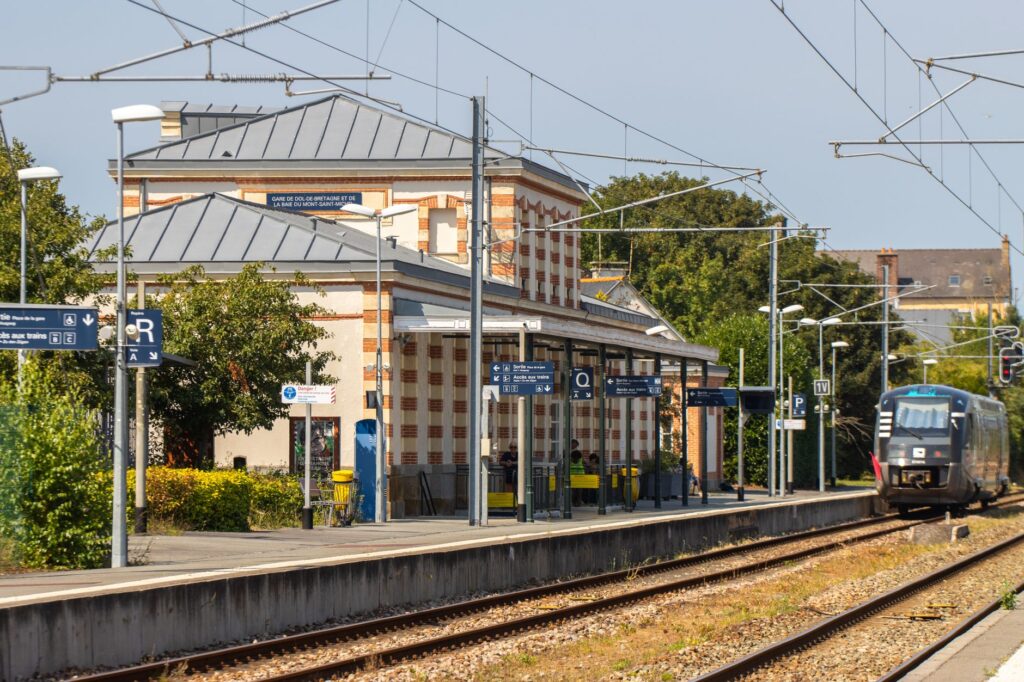
Stops along the rail route function as historical and architectural anchors structuring the identity of savanna municipalities. Usaquén Station, for example, preserves an exposed-brick structure now surrounded by a zone of high gastronomic and cultural activity, serving as an urban threshold where passengers board amid city bustle. Further north, La Caro station and small intermediate flag stops recall times when every hamlet relied entirely on the passing train for mail, supplies, and news from the outside world.
Upon reaching the final destination in Zipaquirá, railway infrastructure articulates directly with the massive influx of visitors heading toward the emblematic Salt Cathedral, carved deep within a halite mountain. The carefully preserved station acts as an intermodal portal where walkers disembark to integrate into local commerce, crafts, and regional gastronomy. These terminals are not mere passenger transfer points; they are nodes of social cohesion driving the economy of small towns that, without the train’s presence, would have been relegated to oblivion by major road transport routes.
Practical guide
Planning a journey on the Sabana Train requires understanding the particular nature of a weekend and holiday operational service, where demand frequently exceeds available seating capacity in historic carriages.
Advance Booking: Tickets must be secured several days or weeks ahead through official channels of the railway operator (Turistrain), especially during school holiday seasons and national long weekends.
Departure Point: The train primarily operates from two stations in Bogotá: Sabana Station (downtown) and Usaquén Station (north). Verifying the departure point printed on your ticket is essential to avoid morning logistical confusion.
Schedules and Punctuality: Departures toward northern destinations such as Zipaquirá or Cajicá typically run in the early morning hours (between 8:00 and 8:30 a.m.), with return scheduled around dusk. Arriving at least thirty minutes before departure time is strongly recommended.
Climate and Clothing: The savanna plateau experiences drastic thermal shifts. Dressing in layers is imperative, combining warm garments for the chilly morning with lighter options for midday, alongside waterproof gear due to unpredictable rain showers.
Accessibility and Luggage: Historic carriages, due to their heritage architecture featuring narrow doors and steep steps, present limitations for visitors with reduced mobility or bulky luggage. Consulting specific assistance conditions prior to boarding is advised.
Preserving a heritage rail line in the tropical Andes demonstrates that progress does not always mean accelerating the journey, but knowing how to preserve the tangible traces of our collective memory.
As evening falls, when the steam plume from the locomotive slowly dissipates among mist descending from the hills of Zipaquirá and the convoy embarks on its return trip toward the heart of Bogotá, the prevailing sensation is that of having crossed an invisible frontier in time. The steady clatter of wheels over steel joints leaves behind a network of century-old stations, workshops where metal is sculpted by hammer blows, and grade crossings where the modern world pauses briefly to salute the past. In a territory where the speed of asphalt threatens to erase landscape nuances, this savanna train persists as living proof that engineering, patience, and collective memory can articulate a durable dialogue between human beings, machines, and Andean geography.