
The Morning Pulse in the Century-Old Halls
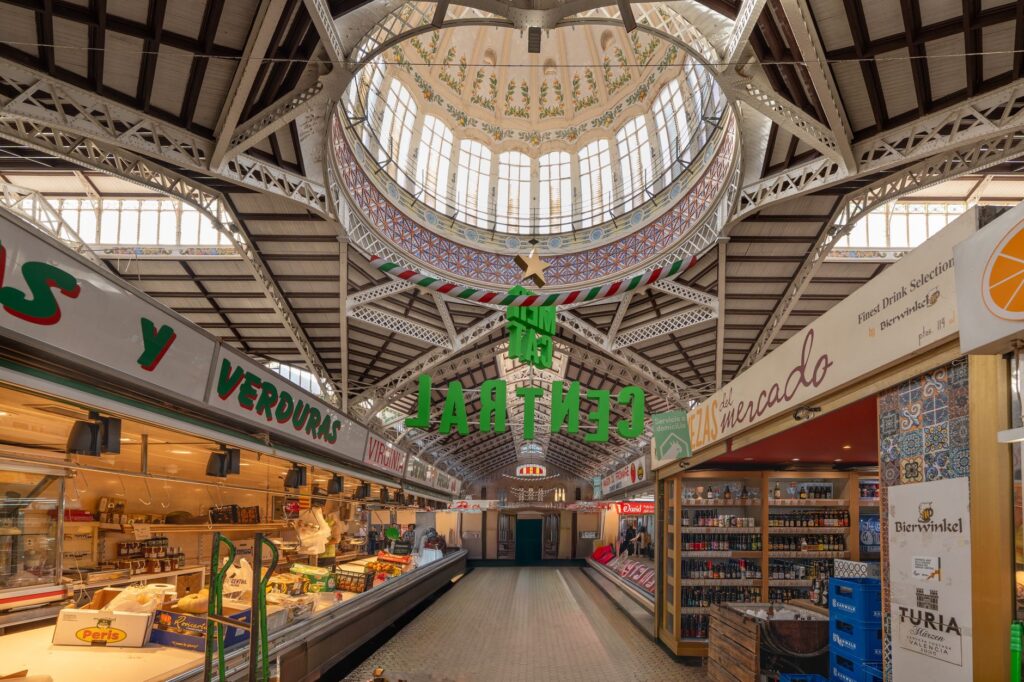
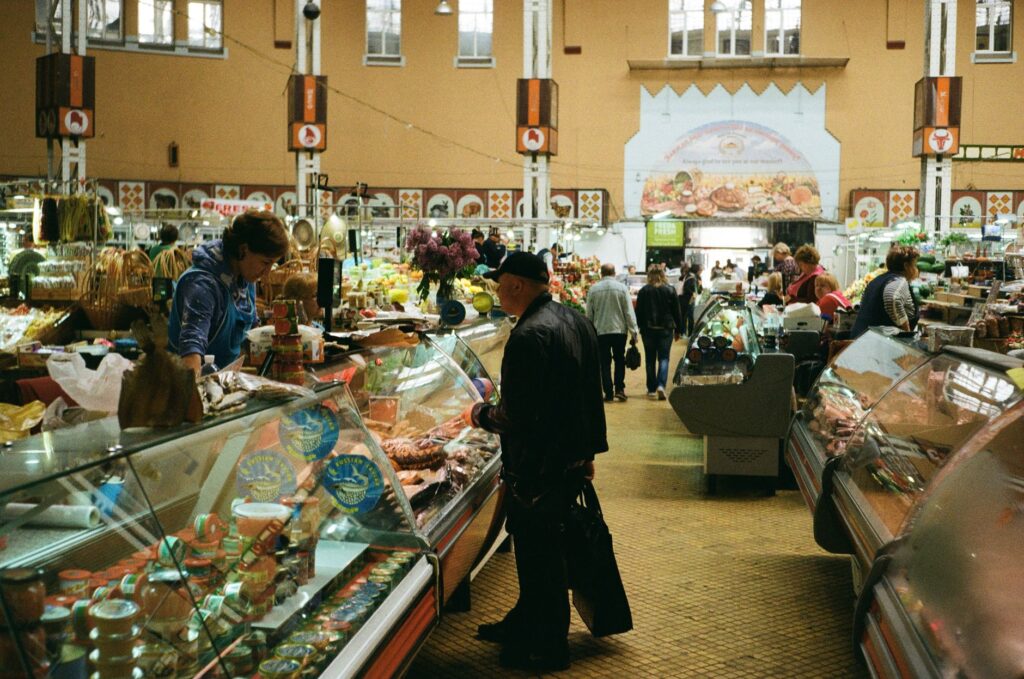
The day in Logroño does not begin with the first ray of sunlight over the Ebro River, but with the creaking of the heavy iron doors of the Central Market, a secular cathedral where exposed brick and metal framing shelter the city’s most authentic heartbeat. Long before dawn, delivery trucks unload crates of freshly harvested vegetables along the riverbank—produce carrying the dampness of local market gardens that will soon claim their spots under the watchful eyes of vendors with decades of trade behind them. Erected in the early twentieth century, this space maintains a symmetrical layout guiding visitors through corridors scented with fresh parsley, damp earth, and the characteristic warmth of regional paprika.
The market’s daily routine follows a meticulous choreography repeated across generations. Customers here do not shop on impulse; they arrive with spiral notebooks in hand and blind trust in merchants who have known their families’ preferences since their grandparents’ days. It is a system of genuine proximity commerce, free of digital artifice or corporate marketing, anchored entirely in the honesty of seasonal produce. Calahorra artichokes sit alongside white cardoons and borage greens, forming a natural still life that shifts colors as the region’s agricultural calendar dictates.
The Invisible Geography of Market Stalls
Strolling through the central enclosure reveals an invisible map of La Rioja’s pantry. On the ground floor counters, butcher shops display meticulous cuts where milk-fed lamb and vine-shoot grilled chops hold pride of place, accompanied by homemade cured meats crafted in mountain foothill villages. Vendors patiently explain the qualities of each cut, a tradition of oral transmission that resists the impersonal advance of large supermarkets. There is no rush to choose; time inside this market moves to a slower, more deliberate metric.
In the fishmonger aisles, fresh catch arrives straight from Cantabrian ports during the small hours, maintaining the firmness of hake and the shine of monkfish. Although La Rioja lacks coastline, its maritime tradition runs deep, historically linked to the Ebro’s commercial trade routes and the passage of pilgrims. The complicity between fishmonger and buyer is sealed with expert advice on cooking times or base stocks, turning a simple purchase into a brief ritual of cultural exchange.
The Outer Territory: Market Gardens and Vineyards
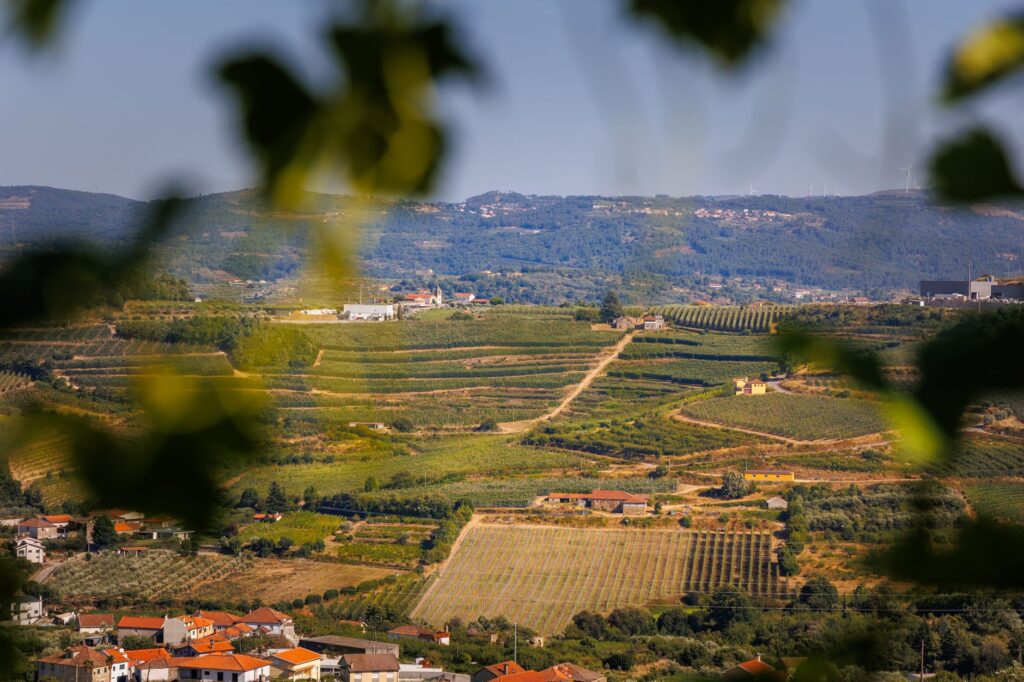
Stepping beyond the physical boundaries of the market naturally leads toward the fields embracing the Rioja capital. Just a few kilometers from the urban center, the clay and limestone soil supports a landscape dominated by vegetable patches and, above all, the endless sea of vines stretching up toward Upper La Rioja. Here, viticulture is not merely an economic activity; it is the structural backbone of the landscape and collective memory. Tempranillo and garnacha vines stretch their tendrils under clean skies, preparing for a harvest that sets the rhythm for historic wineries across Haro and Labastida.
The symbiotic relationship between Logroño’s market and the surrounding countryside becomes evident at midday, when local restaurateurs arrive to source ingredients that matured in the fields just hours earlier. This proximity guarantees flawless traceability. Local tomatoes, fresh vegetable stews, and Rioja-style potatoes find their true purpose in this direct exchange. The region’s cuisine cannot be understood without raw ingredients exactly as they leave the earth, respecting seasonality and untamed character.
The Liturgy of the Bar and Wine
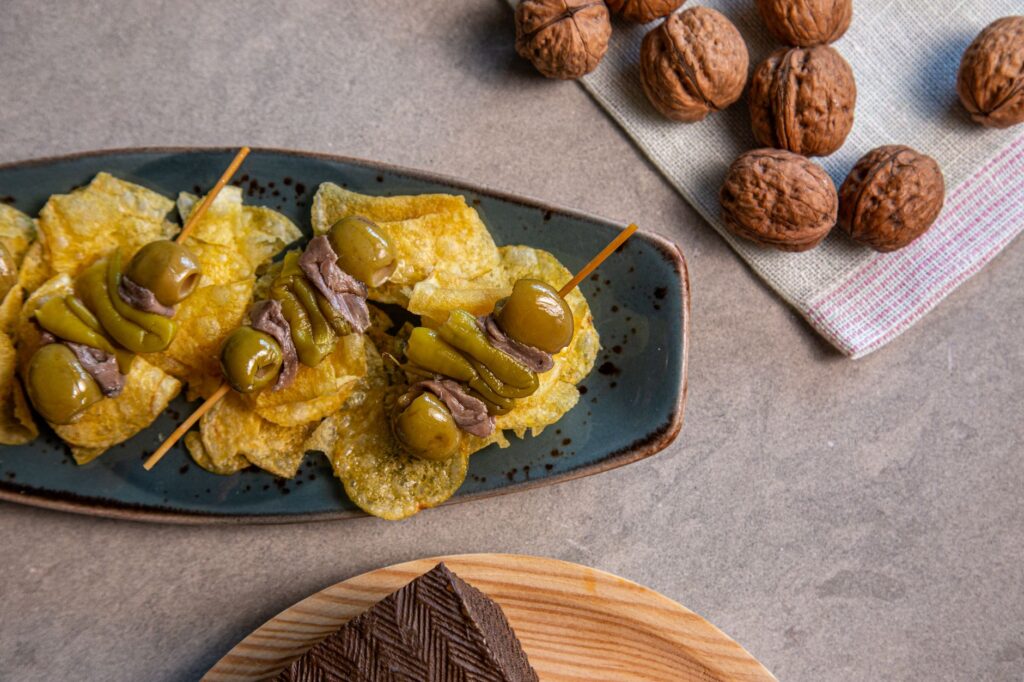
Just a few steps from the market bustle, the famous Laurel street and its surrounding alleys pick up the morning’s baton to transform it into a unique social experience. The counters of Logroño’s bars function as a natural extension of the market. In these temples of micro-gastronomy, Rioja wine flows in impeccably maintained glasses, paired with iconic tapas like the spicy *cojonudo*, grilled mushrooms, or patatas bravas. The unwritten rule requires standing while consuming, chatting with neighbors and strangers alike in an exercise of urban communion filled with understated joy.
The authenticity of Logroño does not lie in its golden stone monuments, but in the unfathomable capacity of its people to turn food and wine into a daily act of cultural resistance.
Each establishment guards its non-negotiable specialty, a family secret kept zealously for decades. Bartenders handle trays with choreographed dexterity, synchronizing bottle uncorking with the arrival of steaming casseroles. In this circuit of bar counters, market produce is elevated to ephemeral art, proving that fine dining does not always require linen tablecloths or silver cutlery to achieve excellence.
The Documentary Archive of Popular Recipes
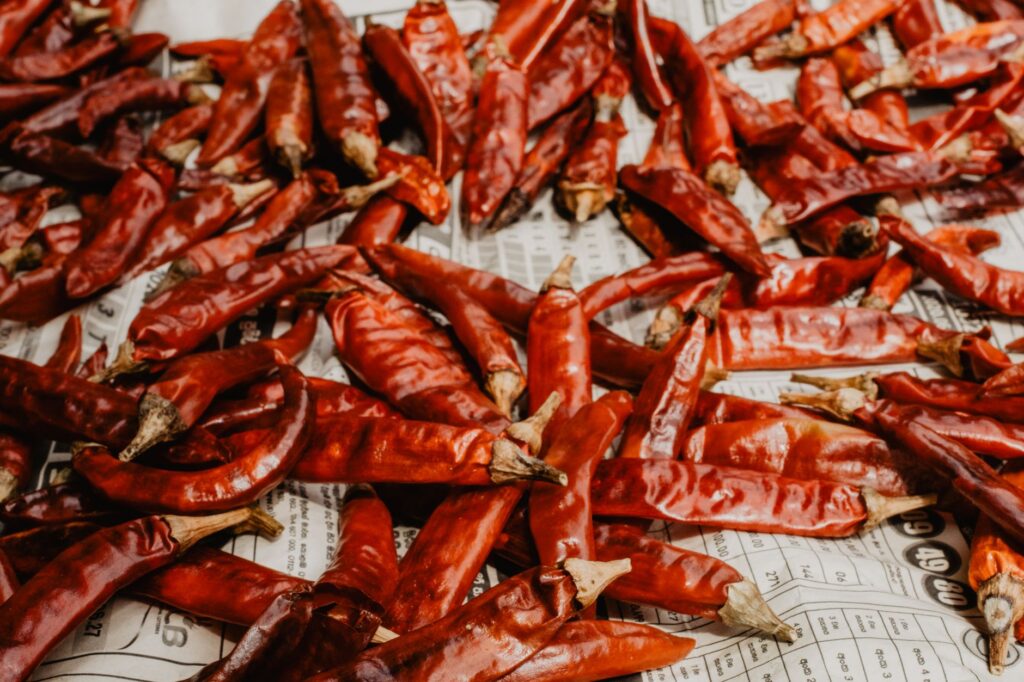
Beyond the festive hubbub, Rioja’s culinary culture preserves a bedrock of resilience rooted in preservation and resourcefulness. In household pantries and traditional market stalls, ancestral techniques like pickling, salting, and sun-drying peppers are carefully maintained. Choricero peppers, hung in intense red strands under the eaves of farmhouses, serve as the secret soul of the region’s most emblematic stews, providing depth and an unmistakable smoked sweetness.
This recipe book written into collective memory is passed down without instruction manuals, from mothers to daughters, from master artisans to apprentices. Fresh beans with quail, Rioja-style pig’s trotters, and salt cod are living chapters of a gastronomic history that refuses to be homogenized. Visiting the market with close attention to detail allows travelers to decode the hidden ingredients of this hearty, generous inland cuisine.
The Silent Revolution of the Modern Pantry
In recent years, Logroño’s Central Market has successfully integrated new voices without losing its foundational soul. Alongside generational stalls, small artisan sourdough bakeries, boutique cheese shops offering raw milk selections, and organic ferment vendors have emerged. This peaceful coexistence between unyielding tradition and artisanal vanguard highlights the excellent health of the city’s commercial fabric.
New vendors share the same philosophy as their veteran counterparts: absolute respect for origin and a staunch defense of quality against standardization. Thanks to this harmonious transition, younger generations of Logroño residents continue visiting the food market as an initiation rite of socialization and good taste, guaranteeing the survival of a sustainable, deeply human consumption model.
Practical guide
How to get there: Logroño is exceptionally well-connected by highway and features a train station with direct lines from Madrid, Bilbao, and Zaragoza. Logroño-Agoncillo airport operates sporadic flights, though the nearest major international hubs are Bilbao and Vitoria.
When to visit: Autumn months (September to November) coincide with the grape harvest, offering visual spectacles of ochre vineyards alongside prime mushroom and game season. Spring is ideal for enjoying tender market garden vegetables.
Where to shop: The Central Market opens Monday through Saturday mornings (8:00 AM to 2:00 PM). Arriving early on Fridays and Saturdays is recommended to find the widest variety of fresh produce.
Local tips: For vermouth hour and tapas tasting, avoid peak tourist hours (2:00 PM to 3:00 PM) and head down Albornoz and Travesía de Laurel streets in search of spots favored by locals rather than casual visitors.
The Epilogue of Vine Shoots and Stopped Time
As evening falls, when the market’s metal shutters roll down and silence reclaims the century-old halls, Logroño settles into a luminous calm. Across the riverbank fields, thin wisps of smoke from vine-shoot bonfires begin to rise between the vines, signaling the end of another day dedicated to the cultivation of patience and the good life. It is in this twilight moment, when golden light washes over the stone bridges of the Ebro, that one understands the true wealth of this land lies not solely in the excellence of its wines or the generosity of its markets, but in an unwavering fidelity to a life lived calmly, proudly, and with profound respect for the authentic.