
At the heart of the Baltic Sea, nestled between the coasts of Sweden and mainland Finland, lies an archipelago composed of more than six thousand small islands and uninhabited skerries. The autonomous territory of Åland represents a geological masterpiece where water and solid ground engage in a constant, delicate dialogue. For centuries, the survival of these insular communities depended on wooden vessels and unpredictable routes charted at the whim of the wind and winter ice. Today, this geographical labyrinth faces an unprecedented challenge: reconciling historical isolation with the global climate urgency through a pioneering model of hybrid transport and multimodal connectivity.
The transition toward truly sustainable mobility in such a fragmented environment demands far more than simply replacing diesel engines with electric alternatives. It requires rethinking the very architecture of daily travel, integrating high-efficiency energy ferries, green hydrogen buses, and a meticulous network of cycle paths connecting the main population hubs. Local authorities, in collaboration with naval engineers and transport cooperatives, have designed a system where travelers move seamlessly between water and land, drastically reducing the carbon footprint of every journey.
Fragmented Geography as an Engine of Innovation
Understanding the magnitude of this shift requires observing the topography of the main islands, where roads meander between deep inlets and suspension bridges defying the Baltic swells. Unlike large continental urban centers, where vehicular congestion is the primary enemy to combat, in Åland the challenge lies in maintaining geographically dispersed communities cohesive without eroding the fragile balance of marine ecosystems. Local ferries are not mere tourist vehicles, but true vital arteries transporting both schoolchildren and essential medical supplies.
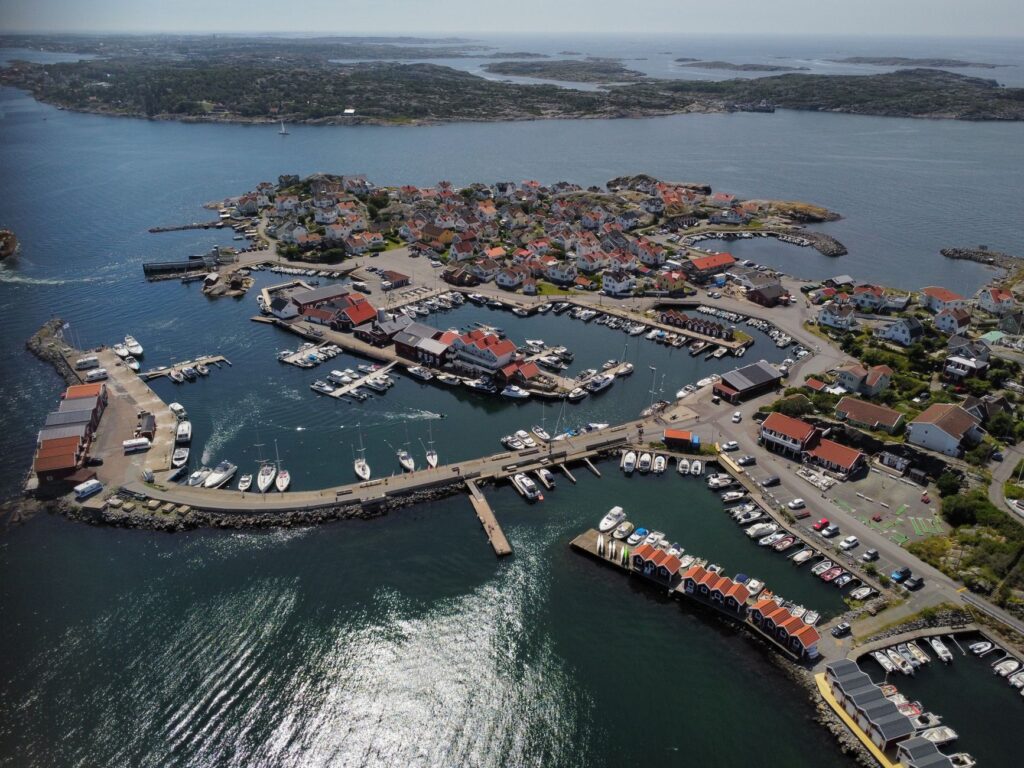
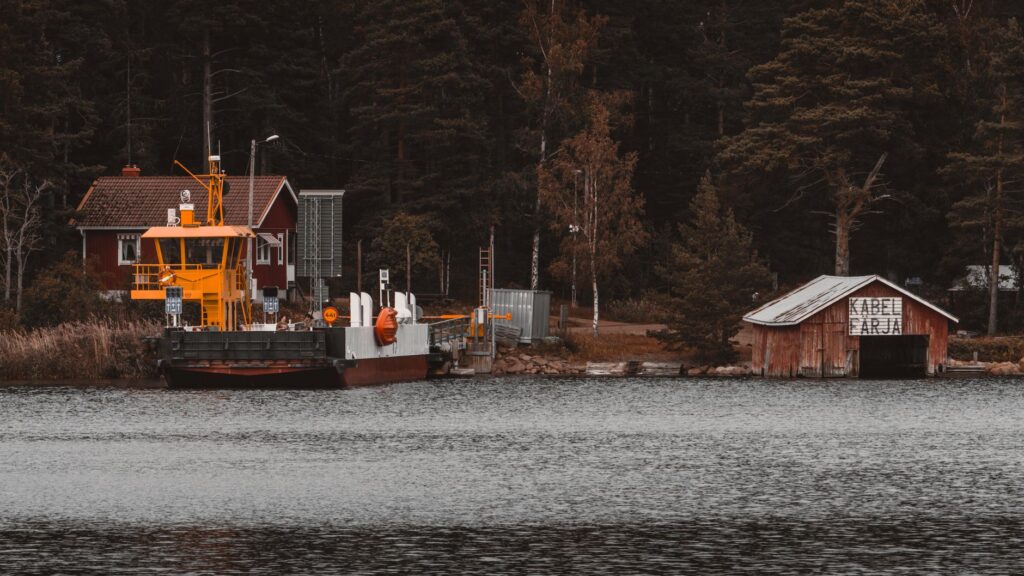
In recent years, the autonomous government has invested significant resources in modernizing the public fleet. New ferries combine electric propulsion systems powered by high-capacity lithium batteries with auxiliary sustainable biofuel engines. This hybrid technology allows vessels to operate in complete silence during docking maneuvers in ecologically sensitive ports, minimizing noise pollution that affects local grey seal populations and migratory waterfowl.
The Revolution of Multimodal Corridors
The operational heart of this transformation lies in the synchronous integration of schedules between different modes of transport. The concept of a multimodal corridor materializes in port terminals specifically redesigned to facilitate immediate transfers. A passenger can step off an electric ferry, board a zero-emission bus, and upon reaching a rural destination, rent an assisted bicycle at community solar-powered stations. This operational fluidity discourages private car use, a notable achievement in a region where personal vehicle ownership used to be the only guarantee of mobility.
Local transport engineers have implemented open-source digital platforms enabling residents and visitors to plan complex journeys in real time. If a ferry suffers a delay due to morning fog, connecting buses automatically adjust their departures using predictive algorithms. This meticulous synchronization proves that technological efficiency is not at odds with human scale, offering a predictable travel experience respectful of the archipelago’s natural rhythms.
True insular connectivity is not measured by the speed with which distances are shortened, but by the subtlety with which the traveler integrates into the landscape without altering it.
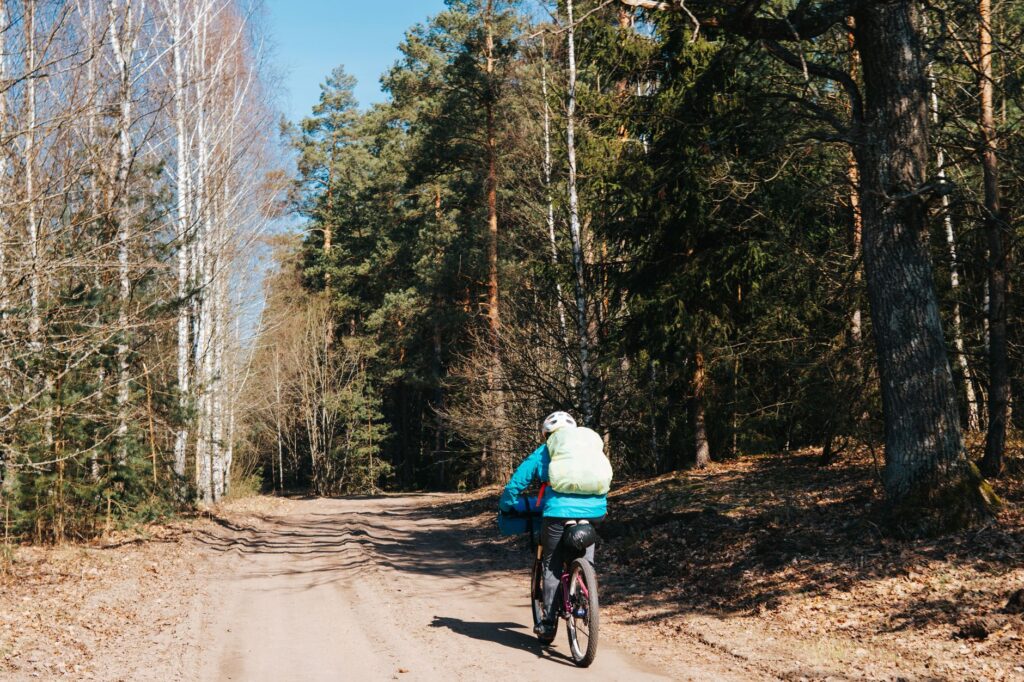
Simultaneously, terrestrial infrastructures have undergone a radical metamorphosis. Old secondary roads, widened in past decades to accommodate heavy traffic, have reclaimed part of their original layout to prioritize exclusive lanes for bicycles and low-speed personal mobility vehicles. These greenways not only promote active tourism, but act as ecological corridors allowing free movement of terrestrial fauna between boreal forests and coastal meadows.
Energy Sustainability and Local Sovereignty
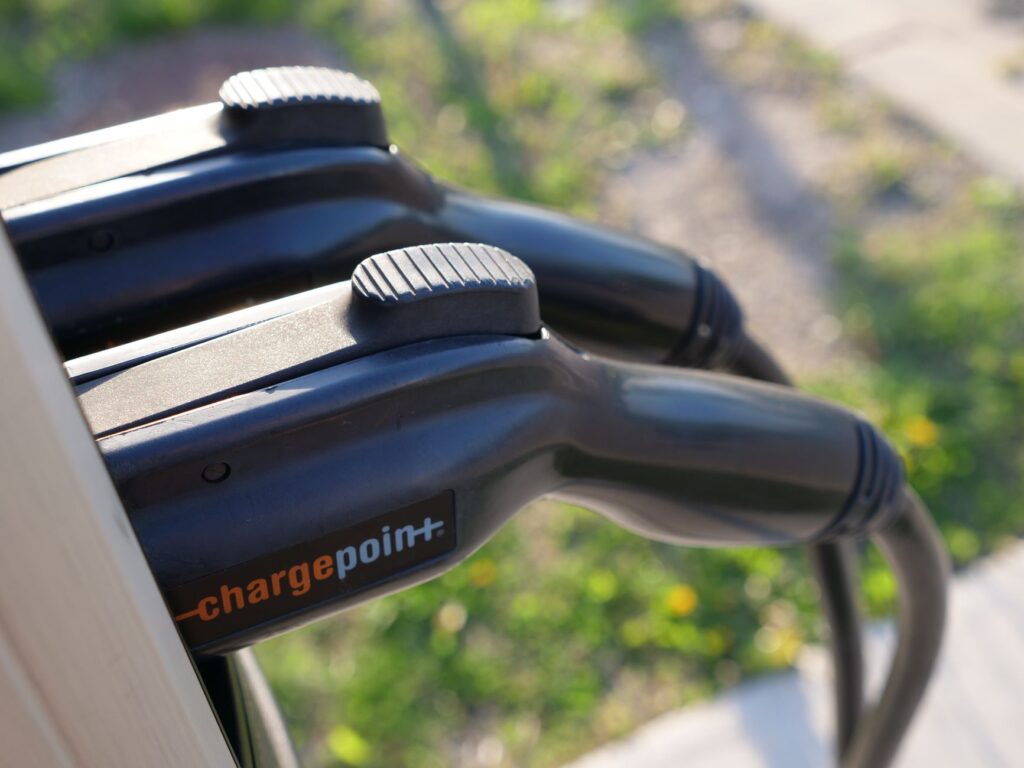
The success of Åland’s mobility strategy cannot be explained without its parallel commitment to decentralized renewable energy generation. A significant portion of the electricity powering ferry charging stations and buses originates from offshore wind farms and community solar installations set up on marginal land. This partial self-sufficiency grants the islands strategic resilience against international energy market fluctuations, ensuring public transport continues operating normally even during severe winter storms.
Local communities actively participate in the governance of these energy projects through cooperatives. Residents are not mere consumers of a modernized public service, but co-owners of the green infrastructure. This sense of community ownership explains the high levels of social acceptance regarding restrictions on private traffic in historic town centers and the archipelago’s natural reserves, where respect for the environment is a cultural norm deeply rooted for generations.
The Role of Fishing Communities in the Transition
The transformation of transport would not have been possible without the active complicity of traditional fishermen and families inhabiting the most remote islets. Traditionally resistant to regulatory changes imposed from continental capitals, local sailors have assumed a leading role as operators and technicians of the new hybrid fleets. Their deep knowledge of marine currents, hidden sandbanks, and local weather patterns proves irreplaceable in charting safe routes that optimize the energy consumption of the new vessels.
This intergenerational dialogue has given rise to technical training programs in main ports, where maritime veterans teach young engineers how to read the Baltic with the same precision as satellite navigation systems. Thus, technological modernization draws nourishment from ancestral knowledge, creating a solid bridge between Åland’s seafaring past and its future as a European laboratory for sustainable mobility.
Operational Challenges in the Baltic Labyrinth
Despite remarkable progress achieved, Åland’s model faces complex technical challenges. Harsh winter conditions, characterized by sub-zero temperatures and thick layers of marine ice, put the endurance of lithium batteries and hybrid propulsion systems to the test. During the coldest months, vessel autonomy drops sharply, forcing operators to adjust frequencies and maintain operational diesel backup engines to guarantee basic food and energy supplies in outer islands.
Likewise, the long-term financing of these cutting-edge infrastructures requires a delicate balance between state subsidies, European cohesion funds, and the collection of adjusted transport fares. Insular authorities vigilantly ensure the ecological transition does not fall heavily upon permanent residents through disproportionate ticket price hikes, maintaining subsidized fares for daily work and study commutes.
Practical guide
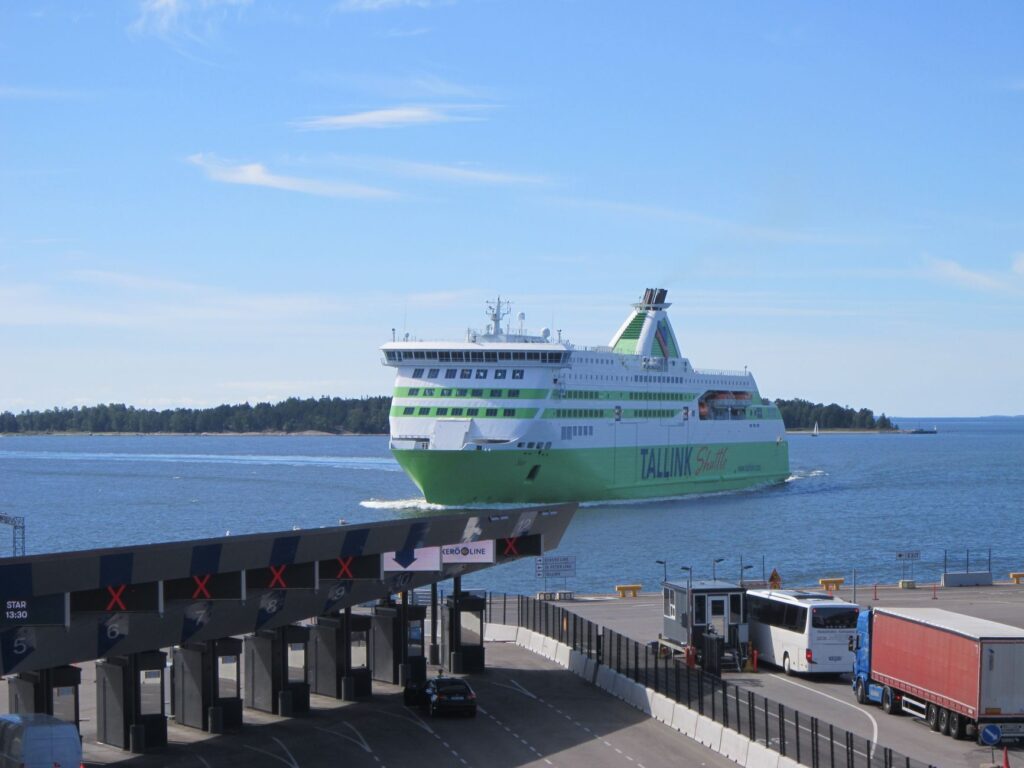
How to get there: Main access to the archipelago is achieved via high-efficiency ferries connecting the ports of Stockholm (Sweden), Turku, and Helsinki (Finland) to Mariehamn, Åland’s capital. Major shipping lines operate multiple daily frequencies adapted to low-emission criteria.
When to visit: The months from May to September offer optimal weather conditions to combine hybrid navigation with outdoor cycling routes. The Arctic summer grants long hours of daylight, ideal for exploring coastal trails.
Getting around: Utilize the integrated island transport pass combining hybrid ferries and electric public buses. For short stretches between minor islands, electric bike rentals are available at major ports of call.
Sustainable accommodation: Opt for small family-run guesthouses and eco-cabins certified with the Nordic Swan ecolabel, preferably located in the rural islands of Sottunga, Kökar, or Föglö.
Local gastronomy: Seek out establishments adhered to local produce networks, where you can taste fresh Baltic fish, artisanal insular cheeses, and horticultural specialties grown without chemical pesticides.
Emotional Epilogue on the Baltic Shores
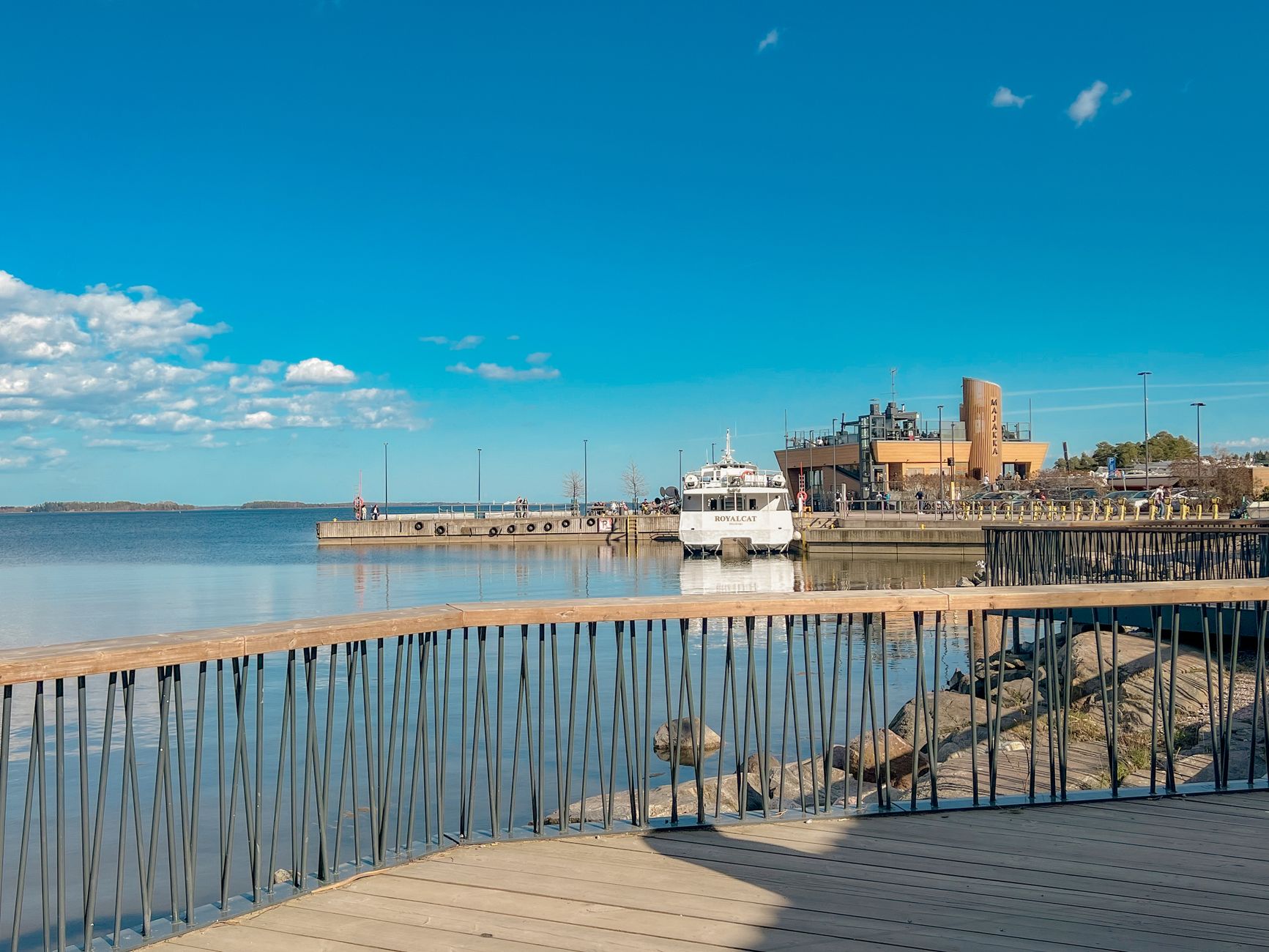
As the sun begins to sink over the Baltic horizon, dyeing the calm waters a deep amber hue, the Åland archipelago recovers an almost ceremonial calm. At the pier of a small remote island, devoid of combustion engine noise, the only perceptible sound is the gentle lapping of water against the hull of an electric ferry docking with absolute smoothness. A local fisherman quietly gathers his nets, while a few paces away a couple of travelers dismount from their bicycles to contemplate the low flight of seabirds over the reed beds. In this northern confine, sustainable mobility has ceased to be an abstract political goal to become a harmonious way of inhabiting the world, proving that the most advanced technology, when placed at the service of community and landscape, can restore humanity’s capacity to listen to the deep heartbeat of the earth.