
Introduction to the Atlantic Edge
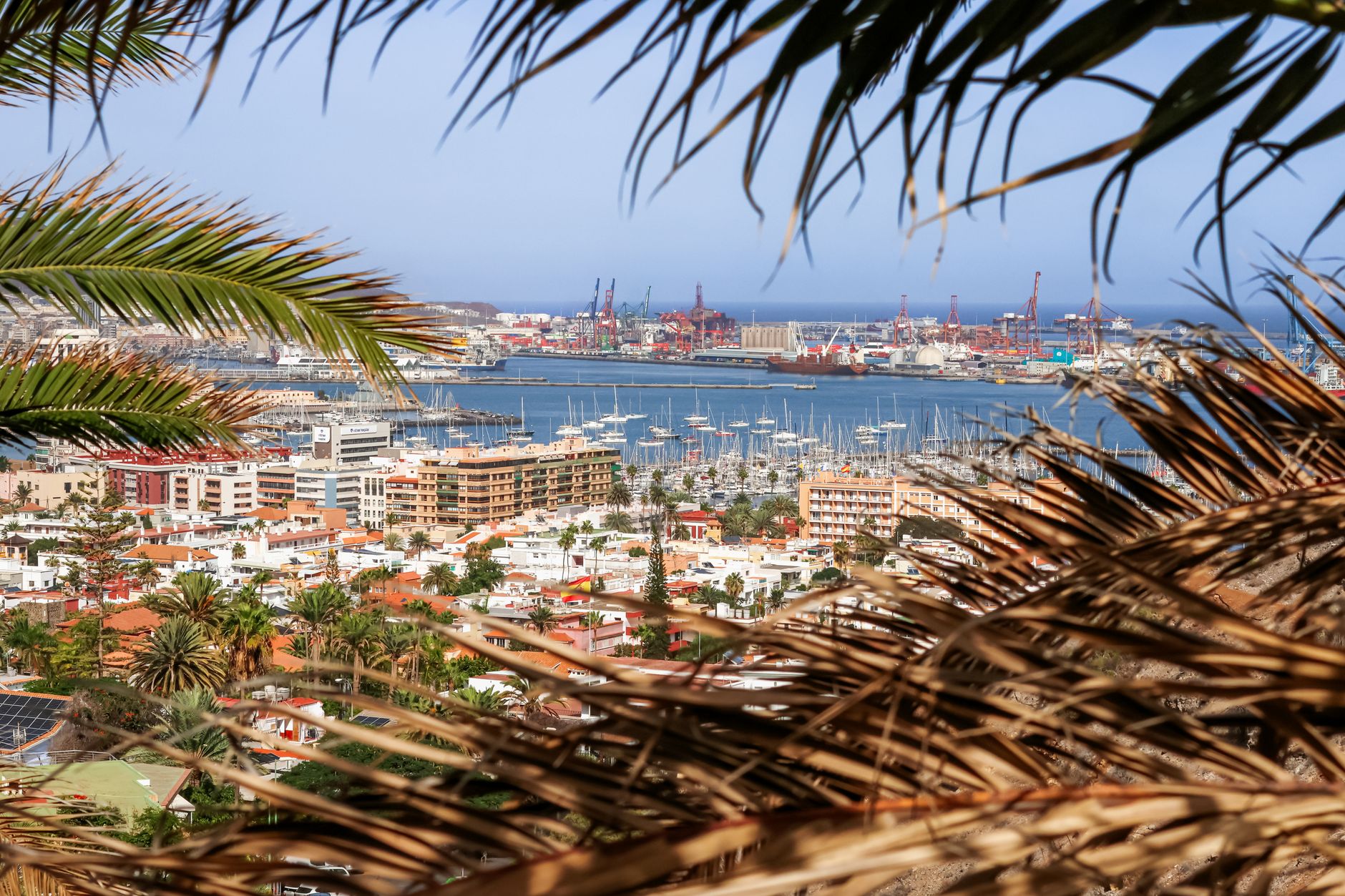
On the northeastern tip of Gran Canaria, where the mid-Atlantic currents crash against the basaltic formations of La Isleta and the trade winds shape the memory of deep ravines, lies one of Europe’s most singular marine and agricultural larders. Las Palmas de Gran Canaria is not merely a historic crossroads between the Old World and the Americas; it is, above all, a territory where cuisine is written with the patience of sea salt, the fire of volcanic soil, and the steady pulse of a secular port. Here, gastronomy does not pander to fleeting trends, but responds to a rigorous geography of survival, commerce, and cultural fusion.
Delving into this archipelago through its traditional markets and kitchens means decoding a unique culinary grammar, where deep-sea fish coexist with mid-altitude crops and overseas products blend seamlessly with ancient traditions. This report offers a meticulous journey through the core of its most emblematic market and the surrounding landscapes to understand how contemporary Canarian cuisine honors its deepest roots without forsaking technical vanguard.
The Foundational Stone of Vegueta
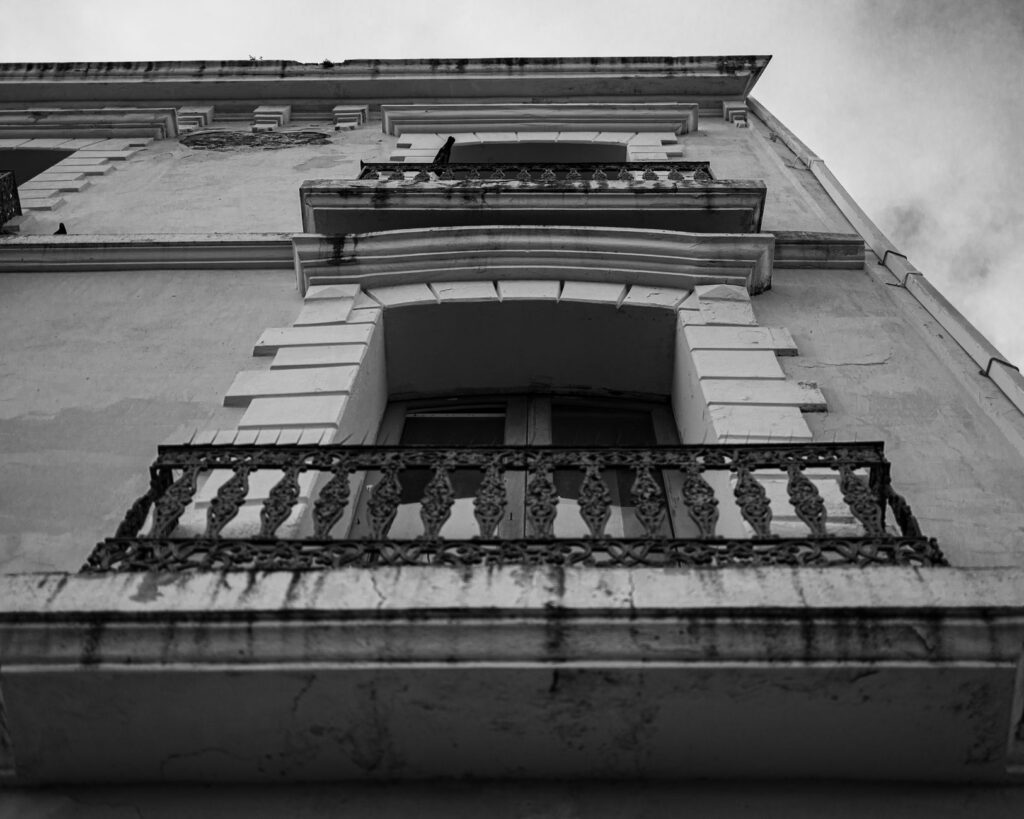
The historic quarter of Vegueta, with its cobblestone streets and noble wooden balcony mansions, has guarded the city’s commercial and social heart since the Castilian conquest in the late 15th century. Within its urban grid stands the Vegueta Market, inaugurated in 1858 as the Canary Islands’ first food market. Its wrought-iron architecture and masonry walls not only reflect 19th-century sanitary ideals, but also serve as an anthropological refuge where the leisurely rhythms of island agriculture converge with the Atlantic bustle.
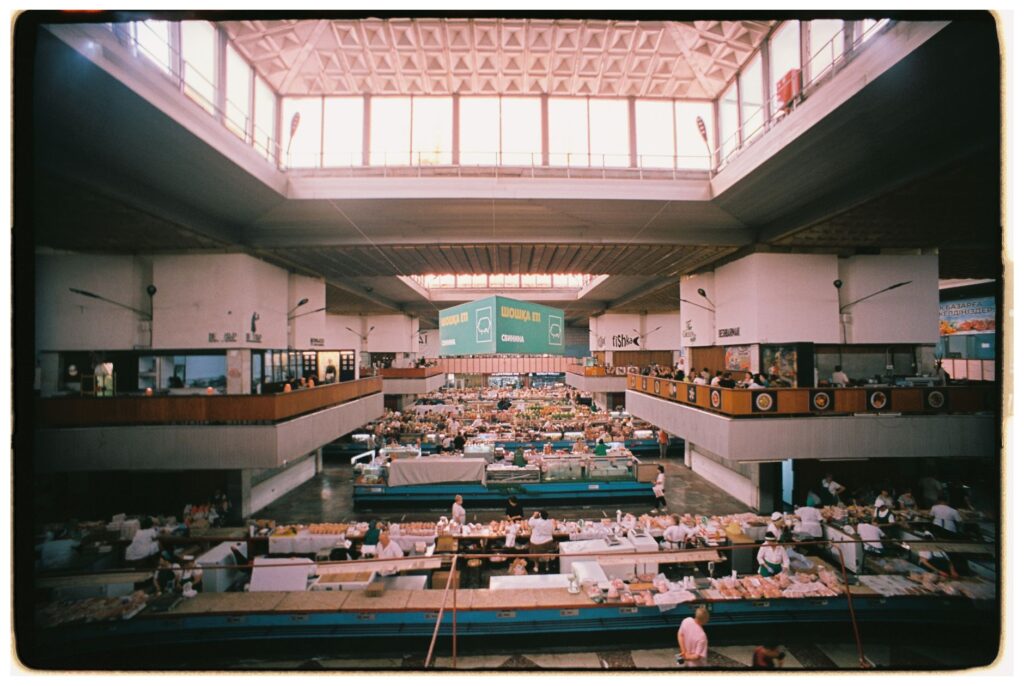
Crossing its doors, visitors are enveloped by an olfactory symphony dominated by the aroma of toasted gofio, mountain herbs, and the unmistakable iodine of species caught mere hours before on the high seas. Family stalls, many run by third-generation vendors, display an unmatched selection of heritage potatoes—such as the bonita, negra, or azucena—cultivated in the volcanic soils of the upper slopes, where porous ash retains just enough moisture to impart a buttery texture impossible to replicate in continental soils.
The Art of Blue Fish and Marine Depths
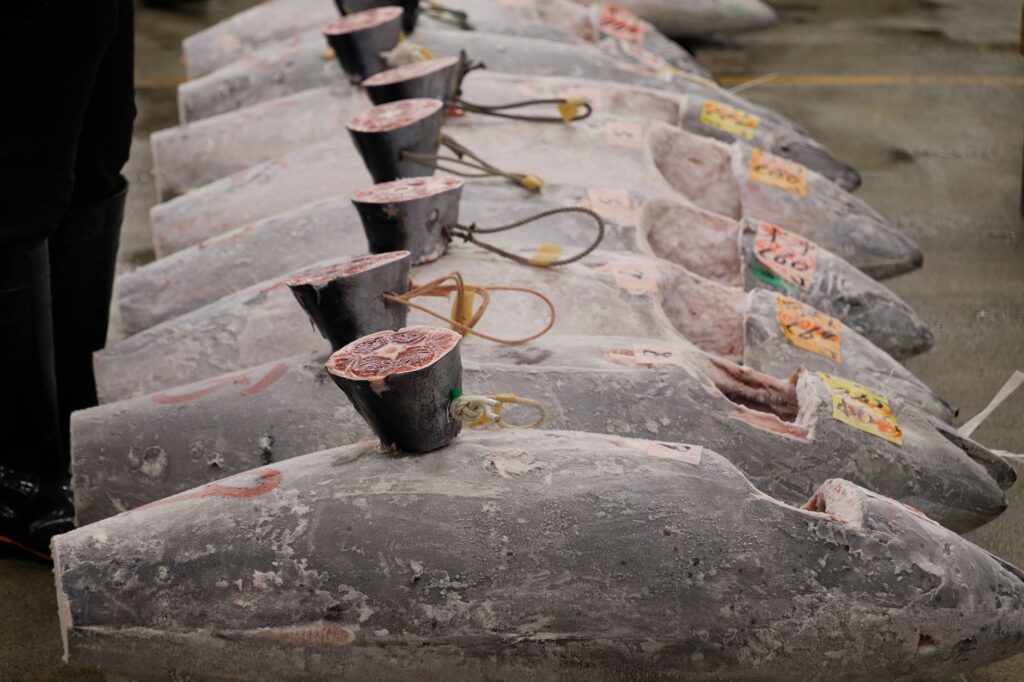
Insularity inexorably defines the relationship between the people of Las Palmas and the sea. The nutrient-rich currents circulating around Gran Canaria foster exceptional marine biodiversity, reflected daily in the central market’s fishmonger stalls. Species such as parrotfish (vieja), wreckfish (cherne), striped seabream (sama de pluma), and wild Atlantic bluefin tuna occupy a prominent place in refrigerated display cases, filleted with surgical precision by local fishmongers.
The sea is not merely the landscape bordering the island; it is the mirror reflecting the identity of a people who have learned to turn the Atlantic abyss into their most generous pantry.
Among all catches, blue fish acquire an almost sacramental dimension when prepared according to traditional canons. Sardines, horse mackerel, and pandora find in mojo verde—an emulsion of cilantro, cumin, garlic, extra virgin olive oil, and a splash of vinegar—the perfect counterpoint to balance their rich profile. The new wave of Canarian chefs has rescued these ancestral salting and sun-drying techniques, applying them to tasting menus that reinterpret coastal cuisine from a stance of absolute respect for local produce.
The Agricultural Miracle of Ravines and Highlands
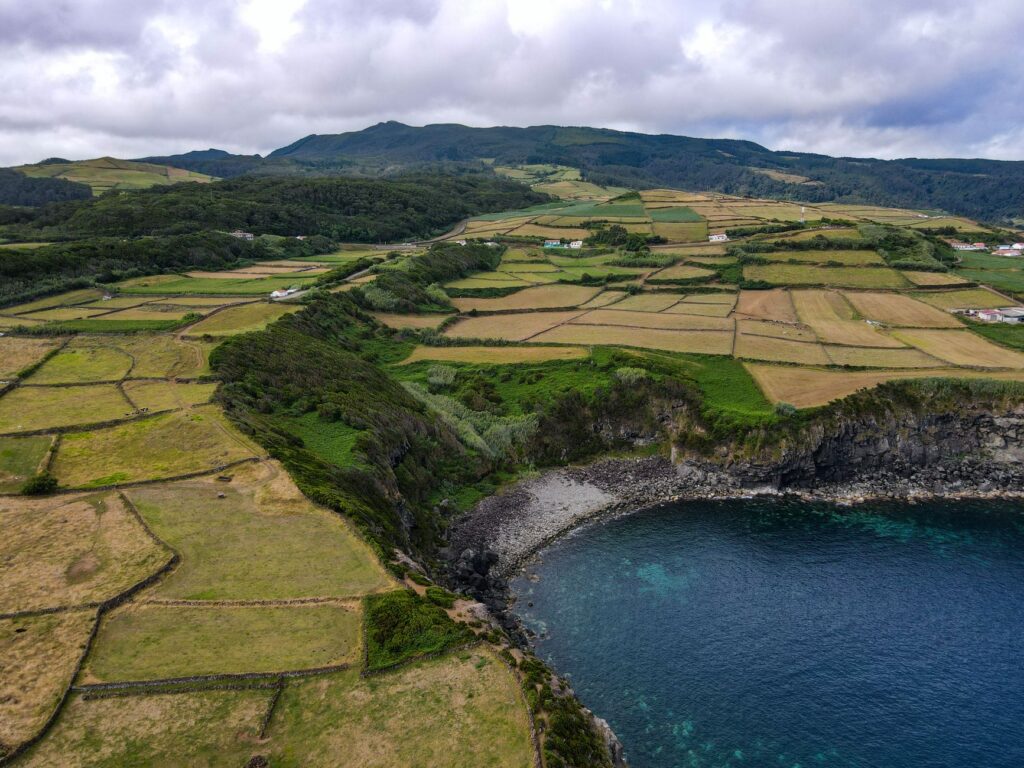
While the coast provides marine sustenance, the ravines descending from the central massif to the sea form an agricultural mosaic of extreme microclimates. On these terraced slopes, where water is a precious and scarce commodity, a quiet yet intensely flavorful farming tradition thrives. Tomatoes from the Vega de San Mateo, laurisilva-grown avocados, and artisanal goat cheeses crafted in the highlands of Gáldar and Guía create a palette of ingredients that astonish travelers with their concentrated flavor profiles.
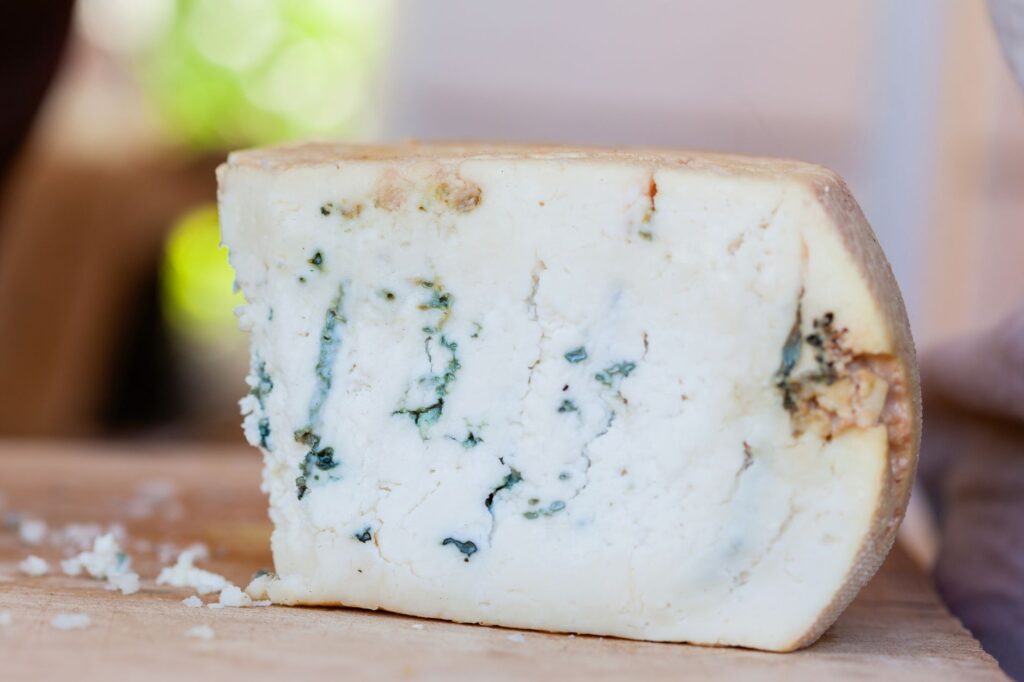
Special mention goes to flower and half-flower cheeses, coagulated using wild artichoke sap harvested by hand in the high pasturelands. This artisanal method, passed down through generations, imparts a distinct bitter and unctuous note that evolves favorably during maturation in natural caves. At the Vegueta market, master cheesemakers offer vertical tastings highlighting the nuances of raw milk determined by grazing altitude and scrubland flowering seasons.
The Alchemy of Gofio and Ancestral Grains
No analysis of Gran Canarian gastronomy is complete without examining gofio, the foundational pre-Hispanic foodstuff that the Guanche aborigines produced by toasting and milling cereal grains, barley, or fern roots. At the market, traditional mills continue to dispense toasted cereal flour with a smoky, earthy aroma that permeates the entire hall.
Far from being viewed merely as a bread substitute in times of scarcity, gofio is currently experiencing a culinary golden age. The island’s pastry chefs and cooks incorporate it into emulsions, artisanal ice creams, concentrated stocks, and sourdoughs, demonstrating its infinite versatility. Kneaded with fish broth, local almonds, and a touch of palm honey, gofio transforms into pella, a dense and comforting bite that synthesizes the history of resilience and adaptation of the Canarian people against an arid backdrop.
The Ritual of Mojo and Stock Alchemy
The culinary craft of Las Palmas rests on pillars of apparent simplicity yet enormous technical complexity in execution. Mojo, whether red based on dried pepper paste and cumin or green focusing on fresh cilantro and parsley, acts as the unifying thread linking meats, fish, and tubers. The choice of stone mortar and suitable olive oil determines the success of a sauce that must naturally emulsify without mechanical shortcuts.
Accompanying these preparations, papas arrugadas—boiled with abundant sea salt until the skin is coated in a fine white crust—represent the quintessential side dish. This cooking method, inherited from fishermen who used seawater to prepare meals on the open sea, highlights the tuber’s natural sweetness while creating a contrasting texture between interior softness and exterior salinity that captivates any discerning palate.
Practical guide
How to get there: Gran Canaria Airport (LPA), located on the island’s eastern coast, connects the capital with major European and peninsular hubs through regular daily flights. The rental car or taxi ride to the historic center of Vegueta takes approximately twenty minutes via the GC-1 highway.
When to visit: Las Palmas de Gran Canaria enjoys a perpetual springtime climate with average temperatures ranging between 20 °C and 26 °C year-round. The months between October and May offer optimal conditions for exploring the markets on foot and enjoying gastronomic itineraries without tourist crowds.
Where to eat and shop: The Vegueta Market is open Monday through Saturday mornings. Surrounding streets house century-old taverns specializing in fresh fish and traditional eateries serving hearty Canarian stews and mid-day cheeses. Advance reservations are recommended at produce-led restaurants along the Las Canteras promenade.
Etiquette tips: When visiting traditional market stalls, it is customary to greet vendors respectfully and ask permission before photographing displays. The shopping pace on the island is unhurried; take time to converse with local producers, who gladly share the secrets of family recipes and the exact origin of each harvest.
The Echo of the Atlantic on the Horizon
As evening falls, when the golden western light strikes Vegueta’s colonial facades and fishermen’s boats return to the dock at La Isleta to secure the day’s catch, the city reveals its most intimate truth. It is not merely a capital open to global tourism, but a sanctuary where culinary memory survives through the daily labor of farmers, fishmongers, and cooks who defend their territory with quiet pride. Sitting at a table facing the sea, with the scent of salt spray in the air and a simple yet perfect plate of fresh fish before one, is to understand that true contemporary luxury lies in recovered authenticity, respect for earth’s cycles, and the inexhaustible generosity of an ocean that continues to nourish the soul of Gran Canaria.