
The bilateral relationship between Canada and Mexico is frequently analyzed through the lenses of cross-border trade, macroeconomic agreements, and migratory cooperation. Yet, beneath the surface of official treaties and ministerial summits, a vibrant network of aesthetic affinities, design collaborations, and cultural confluences beats with life, redefining how two geographically distant nations converse through habitable space, graphics, and public art. This report examines the backdrop of this comprehensive strategic alliance from a humanist perspective, observing how architects, industrial designers, and visual creators build daily bridges across both latitudes.
From bioclimatic design offices in Vancouver to urban restoration workshops in Mexico City’s Historic Center, creative exchange responds to a contemporary urgency: addressing climate change, honoring vernacular memory, and projecting an inclusive modernity. Far from tourist clichés, this invisible fabric demonstrates that cultural diplomacy is not a decorative appendix of foreign policy, but rather its most durable and transformative foundation.
Shared cartographies: Design as a meeting territory
When analyzing the impact of Canadian design on Mexican soil—and vice versa—it becomes evident that the point of contact is not imitation, but complementarity. Sensitivity toward the territory sets the pace of this collaboration. While Canadian studios contribute unparalleled technical mastery in laminated wood management and extreme thermal efficiency, Mexican creators respond with a mastery in the use of light, mineral pigments, and the integration of architecture with both natural and urban landscapes.
This dialogue materializes in cross-residencies where Oaxacan ceramists collaborate with furniture studios in Montreal. The result consists of pieces where volcanic clay dialogues with recycled steel, defying traditional boundaries of craftsmanship. Material authenticity thus becomes the common language of a generation of creators who reject depersonalized mass production.
Materiality as a manifesto
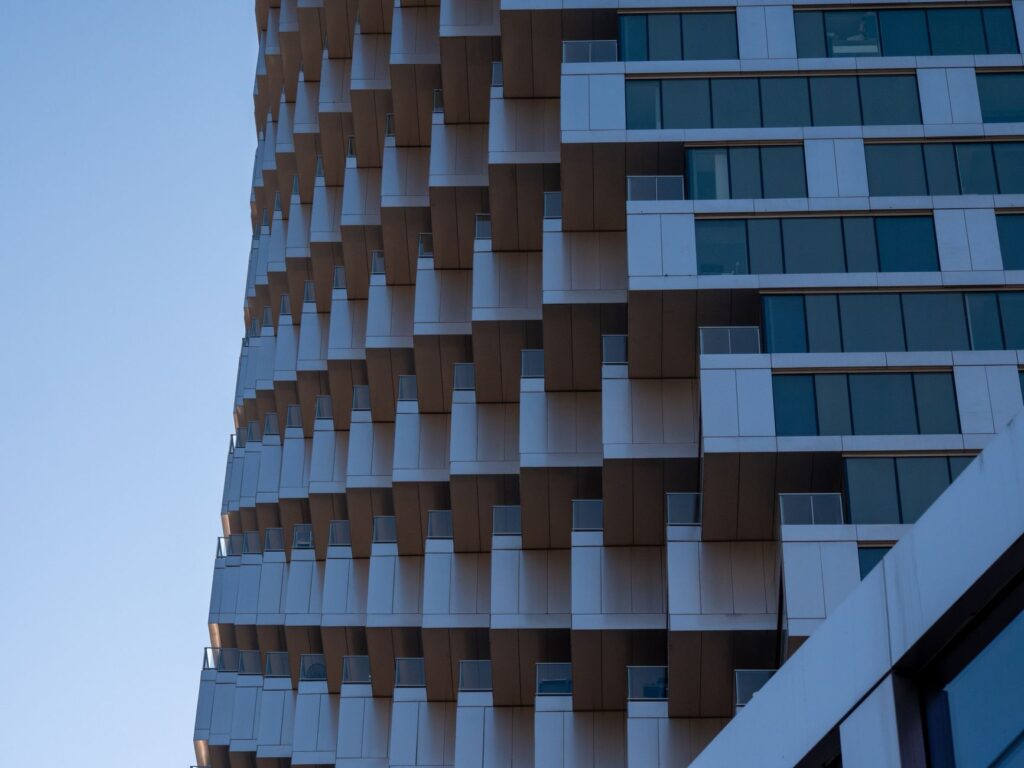
At the heart of this relationship lies respect for local resources. Architects participating in binational projects face the challenge of designing for radically contrasting climatic contexts. A corporate building in Toronto demands solar gain strategies and radical insulation, while a cultural center in Mérida requires cross-ventilation and contemporary wattle-and-daub techniques. The exchange of engineering practices and construction knowledge has enabled professionals from both countries to develop more robust sustainable building regulations adapted to the Anthropocene.
- Optimized use of certified Canadian mass timber in low-density Mexican urban developments.
- Technology transfer for rainwater harvesting systems adapted to the critical scarcity of the Valley of Mexico.
- Joint industrial design workshops focused on circular economy and carbon footprint reduction.
The urban footprint: Public spaces and collective memory
Intervention in public space reflects the maturity of any society. Cities in Canada and Mexico have begun exchanging methodologies on how to revitalize abandoned industrial areas and convert them into community lungs. The recovery of riverbanks in Canadian cities has served as a case study for Mexican landscape architects aiming to sanitize severely affected urban water bodies.
Tactical urbanism and civic participation are guiding axes in these joint projects. The objective is not to impose designs from a desk, but to integrate the voices of local communities into the configuration of parks, plazas, and pedestrian corridors. This participatory approach ensures that infrastructure is not only aesthetically functional, but deeply rooted in social needs.

Urban innovation laboratories
Universities and research centers in both nations maintain mobility agreements for architecture and urban planning students. These programs are not mere academic stays; they operate as living laboratories where soft mobility solutions and waste management are tested. The Mexican experience in implementing mass pedestrian corridors contrasts with the efficiency of Canadian multimodal transportation systems.
True urban design does not draw lines on a blueprint; it weaves invisible ties between people who will never meet yet share the same street.
Creative industries and the orange economy
The ecosystem of cultural industries has found in the Canada-Mexico alliance a dynamic and complementary market. From film co-production to video game development and independent publishing, creators from both countries share a unique geopolitical position: the need to articulate their own voices against the overwhelming hegemony of large US media conglomerates.
Artistic co-production benefits from bilateral funds and specialized festivals that serve as international launchpads. Mexican filmmakers find cutting-edge technological allies in Canadian post-production studios, while Canadian animators discover an inexhaustible richness of contemporary textures and mythologies in Mexican visual storytelling.
Graphic design and visual resistance
Within graphic arts and independent publishing, the binational aesthetic manifests in art book fairs and limited-edition publications. Mexican and Canadian graphic designers collaborate on posters and catalogs addressing urgent issues such as indigenous rights, the climate crisis, and migration. Experimental typography and artisan screen printing reclaim central roles in social protest and artistic expression.

Sustainability and regenerative design
The climate emergency has forced a rethinking of design from its very foundations. It is no longer sufficient to be sustainable; regeneration is required. On this front, collaboration between Mexico and Canada stands out for integrating ancestral indigenous knowledge with advanced materials science. Indigenous communities of British Columbia and the native peoples of Oaxaca and Michoacán share worldviews where the earth is not a resource to be exploited, but a subject with rights.
Architects and industrial designers from both countries are adopting these principles to create emergency housing prototypes capable of resisting both tropical hurricanes and sub-arctic winters, using biodegradable raw materials and assembly techniques that require no heavy machinery.
The economics of the common good
- Adoption of ethical standards in the supply chain of textiles and furniture.
- Creation of design cooperatives guaranteeing fair trade for traditional artisans.
The diplomacy of empathy: Public art and memorials
Beyond concrete and steel, the bilateral relationship thrives on monuments, murals, and public art expressions commemorating shared history and democratic values. Modern memorials are no longer cold bronze equestrian statues; they are luminous installations, pollinator gardens, and interactive spaces inviting collective reflection on human rights and international hospitality.
Artistic memory acts as a constant reminder that national boundaries are porous to human creativity. Canadian visual artists have carried out mural interventions in public spaces across Guadalajara and Monterrey, establishing a direct dialogue with the Mexican muralist tradition infused with contemporary accents.
Community dialogue spaces
The installation of monumental sculptures in embassies, consulates, and urban parks reflects a commitment to peace and cooperation. These works do not seek individual spotlighting, but rather generate meeting points where citizens of both countries can recognize themselves as part of the same hemispheric community.
A modern monument does not celebrate past victories; it harbors questions about the future we wish to build together.
Practical guide
For those interested in exploring firsthand the intersections of design, architecture, and culture between Canada and Mexico, the following institutional spaces and key events are recommended:
- Recommended exhibition spaces: Visit the Design Exchange in Toronto and the Franz Mayer Museum in Mexico City for temporary exhibitions on binational design.
- Architectural routes: Tour university campuses and cultural centers designed by contemporary architects in Vancouver and the Mexican capital.
- Key festivals: Schedule participation in Mexico Design Week and the Interior Design Show in Toronto.
- Institutional reference sources: Review bulletins and cultural fund calls on the official Global Affairs Canada portal and Mexico’s Ministry of Foreign Affairs.
Visual epilogue: The reflection of the shared horizon
At dusk, the light washing over the glass and timber skyscrapers in Vancouver seems to merge with the golden tones cast by the sun over the volcanic stone of Mexico City’s Historic Center. This is not merely a lighting phenomenon; it is the visual metaphor of a relationship in constant evolution. When a Canadian designer understands the rhythm of silence in the Mexican highlands, or when a Mexican architect integrates the warmth of northern timber into tropical structures, geographical distance dissolves.
This strategic alliance, woven with threads of creativity, technical rigor, and mutual respect, demonstrates that the true wealth of nations resides not solely in natural resources or trade balances, but in their capacity to imagine habitable worlds in common. Culture and design thus solidify as the truest testimony of a lasting friendship, built brick by brick, idea by idea, across an entire continent.
Source in EN: Global Affairs Canada – Canada-Mexico Comprehensive Strategic Partnership.