
In the heart of the Maribios Range, where the earth still breathes with a contained fury, stands a jet-black giant that defies the laws of gravity and caution. Cerro Negro, Central America’s youngest volcano, is not merely a geological monument to Nicaragua’s tectonic activity; it has become the epicenter of a discipline that blends a surfer’s courage with a mountaineer’s endurance. This corner of the world, recently highlighted by the prestigious Travel + Leisure, draws travelers seeking more than static postcards—they seek a direct confrontation with the raw power of nature.
The experience begins long before the board touches the ash. It is born in the colonial city of León, where humid heat and a history of revolutions prepare the spirit for the ascent. Approaching the colossus, the landscape shifts drastically from tropical green to absolute black—a desert of volcanic scoria that looks plucked from another planet. Here, the air smells of sulfur, and the wind blows with an intensity that reminds us we are standing before a living organism, one that has erupted over twenty times since its birth in 1850.
The Youngest Giant: Understanding Cerro Negro’s Geology
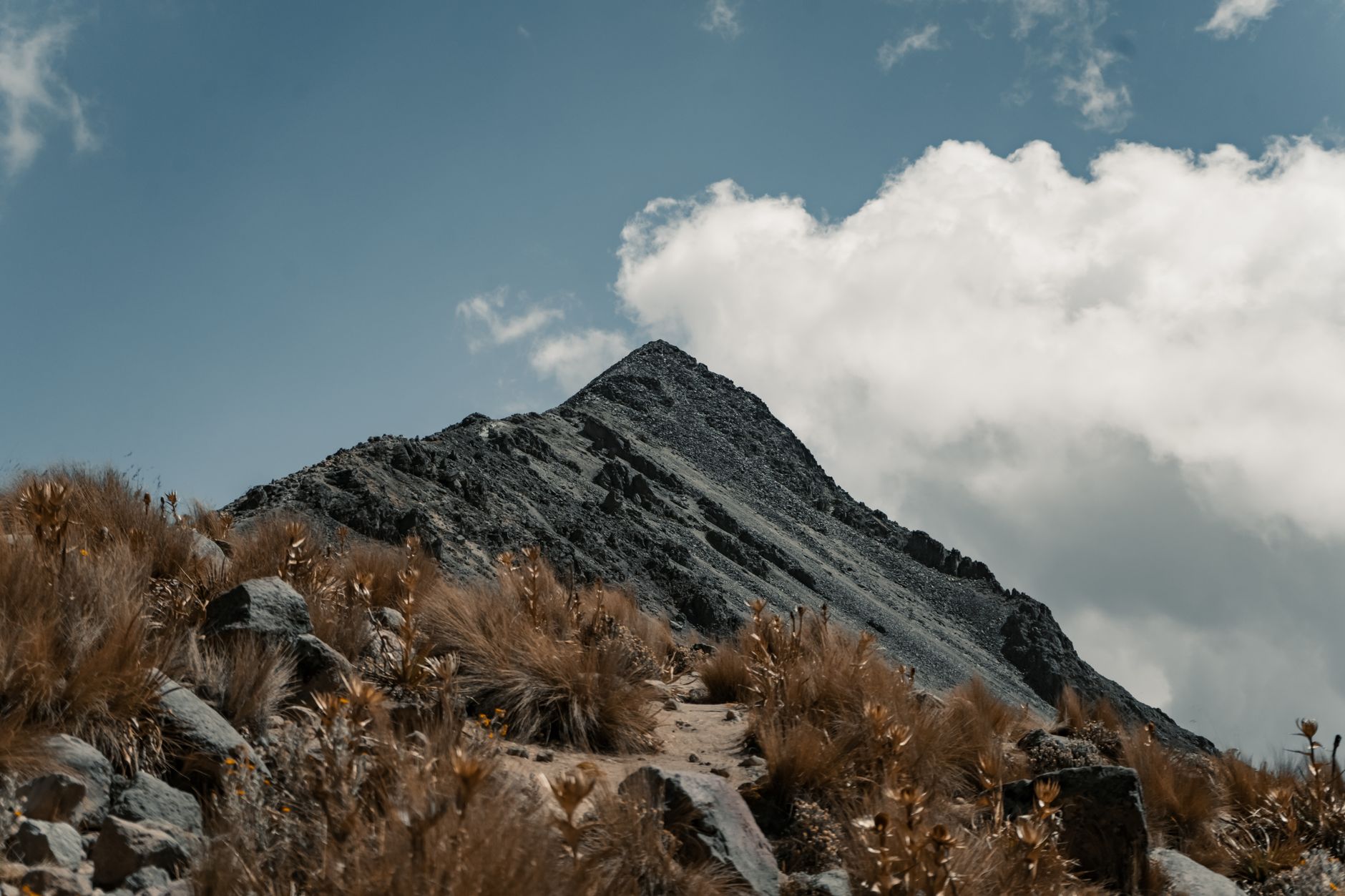
To grasp the scale of this adventure, one must understand the terrain. Cerro Negro is a geological anomaly. Unlike its older, forested neighbors, this cinder cone remains barren—an open wound in the Earth’s crust that allows for the observation of geology in its purest form. Its youth grants it a fascinating instability; every eruption has reshaped its silhouette, creating the 41-degree slopes that are now the dream of adrenaline seekers.
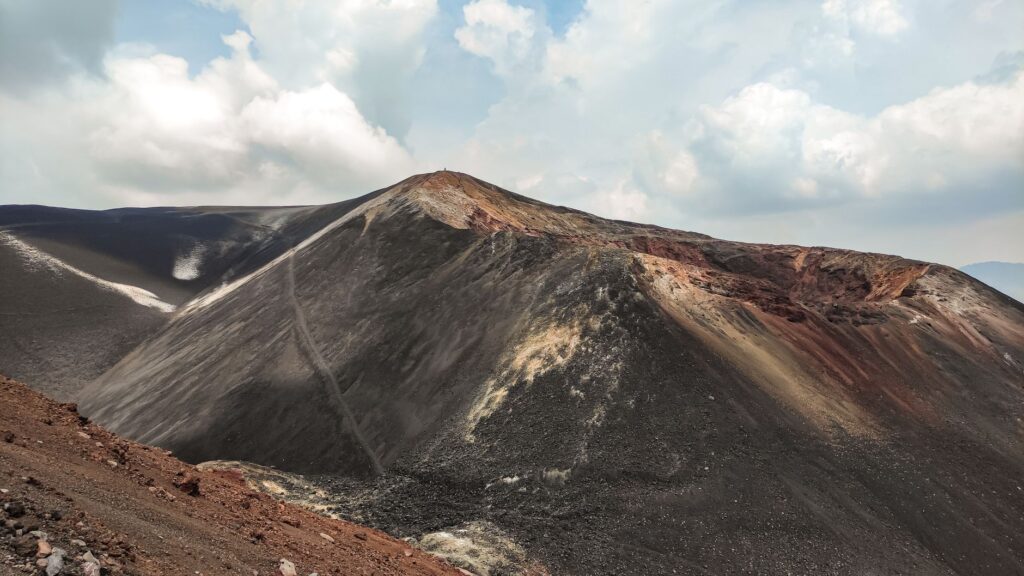
The science behind volcano boarding is simple yet effective. Volcanic ash, composed of small fragments of porous rock and glass, acts as a low-friction surface when tackled with the right gear. It isn’t snow, nor is it sand; it is an abrasive material that demands respect. Local guides, the guardians of this ecosystem, explain that ground temperatures can be remarkably high in certain spots—a constant reminder that beneath our feet, magma flows in an eternal cycle of destruction and creation.
“Cerro Negro is not just a mountain of ash; it is a tactile reminder that the Earth is a dynamic entity that allows us to play at its very edges.”
The Ascent: A Trek Through Lunar Landscapes
Climbing Cerro Negro is a test of stamina lasting approximately one hour. There are no mechanical lifts or paved paths. Each adventurer must carry their own board—a wooden structure reinforced with metal and a Formica base, weighing about five kilograms. The wind, which often picks up as elevation increases, acts as an invisible opponent trying to unbalance hikers on the most exposed ridges.
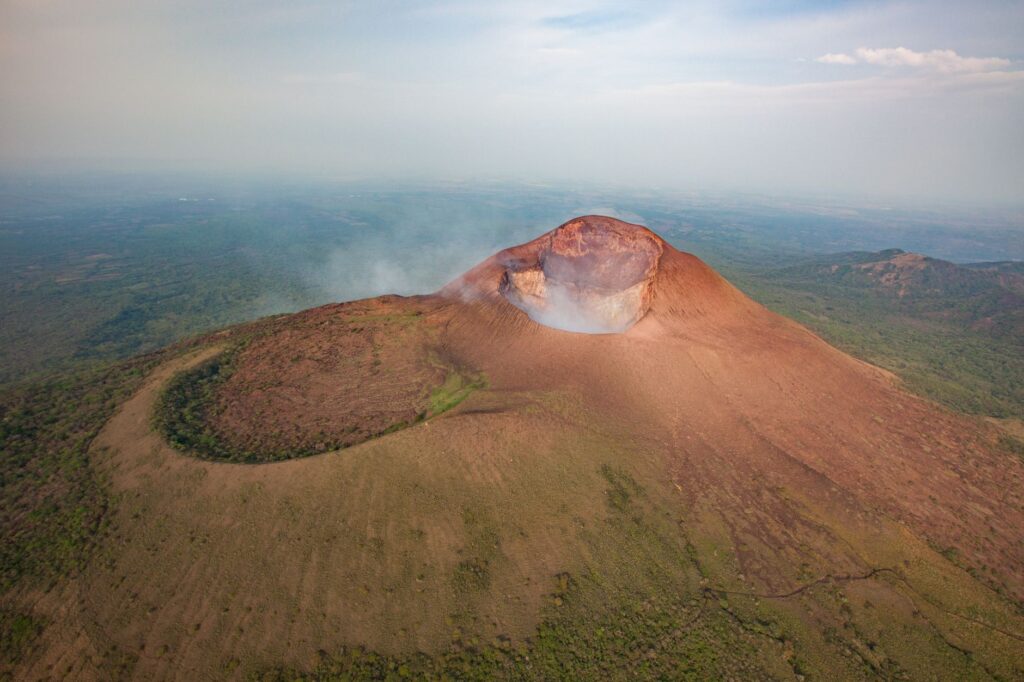
However, the effort is amply rewarded. Upon reaching the summit, at about 728 meters above sea level, a breathtaking panorama unfolds. To the west, the Pacific Ocean glitters like a silver mirror; to the east, the volcanic chain stretches out like a spine of fire and smoke. It is here that fear mingles with euphoria. The contrast between the deep blue sky and the profound black soil creates a visually stunning stage that Travel + Leisure has ranked as one of the continent’s must-do experiences.
Gravity and Grit: The Mechanics of Volcano Boarding
Once at the crater’s edge, the preparation ritual is meticulous. Participants suit up in thick canvas jumpsuits designed to protect the skin from abrasion in case of a tumble. Goggles and gloves complete the outfit. The technique seems straightforward: sit on the back of the board, stretch out your legs, and use your heels as brakes and rudders. But when gravity takes over, simplicity vanishes.
As the descent begins, the sound is the first thing that hits you—a rhythmic crunch of thousands of stones colliding. Within seconds, you can reach speeds of 60 to 70 kilometers per hour. The key lies in balance and managing your center of gravity. The boldest lean back to gain speed, while the more cautious maintain constant pressure with their feet to control the freefall. It is a dance with chaos where ash flies and adrenaline floods the system.
Beyond the Thrill: Safety and Equipment Standards
Despite the extreme appearance of the activity, tour operators in León have standardized rigorous safety protocols. Protective suits are mandatory, as volcanic ash can be as sharp as glass. Furthermore, detailed briefings are held before every descent. It is crucial to follow the instructions of the guides, who know every groove and every change in ash density following recent rains.
León: The Colonial Gateway to Adventure
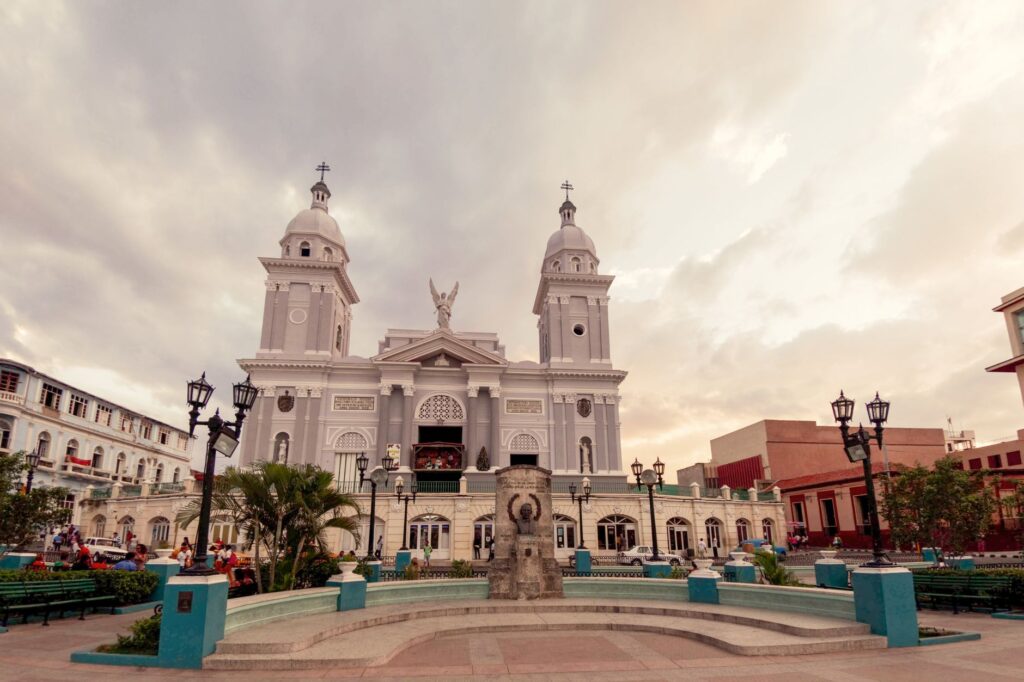
One cannot understand the success of adventure tourism at Cerro Negro without mentioning the city of León. This colonial metropolis, with its towering cathedral—a UNESCO World Heritage site—serves as the perfect counterpoint to the volcano’s ruggedness. After a day of dust and sweat, travelers return to cobblestone streets, contemporary art museums, and a culinary scene that celebrates local flavors.
The volcano boarding boom has injected new vitality into the local economy. Young residents of León have trained as bilingual guides and geology experts, transforming what was once a natural threat into an engine for sustainable development. The interaction between tourists and locals in León’s markets adds a layer of cultural depth to the experience, elevating it from a mere extreme sport to a meaningful human exchange.
Global Acclaim: Why Travel + Leisure Highlights Nicaragua
Nicaragua’s mention in Travel + Leisure is no coincidence. The publication emphasizes the destination’s authenticity—a value increasingly rare in global tourism. Unlike other adventure hubs that have become overly commercialized, Cerro Negro retains an air of the frontier, of territory waiting to be discovered. This international recognition puts the spotlight on the need to manage visitor flow responsibly.

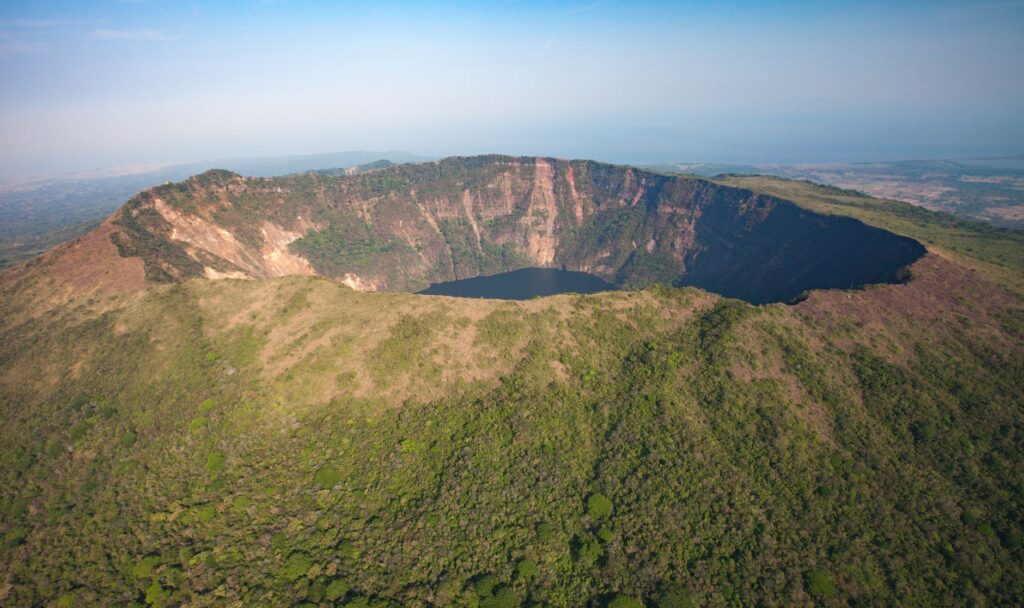
The challenge for Nicaraguan authorities and local communities is to balance tourism growth with the conservation of the protected area. The volcano is part of the Pilas-El Hoyo Volcanic Complex Nature Reserve, a fragile ecosystem requiring constant vigilance. Well-managed adventure tourism can be the best tool for financing the protection of these unique landscapes.
“True adventure isn’t about conquering the mountain; it’s about allowing the mountain to transform you during the descent.”
Sustainability and Conservation in the Maribios Range
Though Cerro Negro appears to be a sterile environment, it hosts life adapted to extreme conditions. The constant flow of tourists along specific paths helps minimize unnecessary erosion in other areas of the cone. Guide cooperatives work on cleanup and reforestation campaigns on the volcano’s lower slopes, where vegetation attempts to reclaim ground after each eruption. The traveler’s commitment is vital: leave no trace, respect the trails, and support companies that demonstrate a real commitment to the environment.
Practical guide
For those determined to face Cerro Negro, planning is essential. The best time to visit is during the dry season, from November to April, when skies are clear and the ground is more predictable. However, even in the rainy season, mornings often provide windows of good weather. It is recommended to book tours leaving León early (around 8:00 AM) to avoid the scorching midday sun.
- Physical Requirements: You don’t need to be an athlete, but moderate fitness is required to hike 60 minutes uphill with weight.
- What to Bring: Closed-toe shoes with good traction (hiking boots preferred), sunscreen, at least two liters of water, and light clothing that can be easily covered by the canvas suit.
- Costs: Tours typically range between $30 and $45, including transport, gear, guide, and national park entry fees.
- Location: The volcano is located about 25 kilometers northeast of the city of León.
A Glimpse of the Pacific: The Emotional Peak
At the end of the descent, as the adventurer shakes the ash from their clothes and looks back toward the summit they just left, something magical happens. Cerro Negro no longer feels like a threat, but an ally. The speed, the wind, and the vastness of the landscape merge into a memory that lasts far longer than any photograph. It is the realization of our own smallness against the magnitude of the Earth, and simultaneously, our capacity to find joy in the most inhospitable places.
Nicaragua, with its blend of fire, water, and poetry, offers at Cerro Negro a metaphor for life itself: an arduous climb, a spectacular view, and a dizzying descent that forces us to live the present with absolute intensity. As the international press rightly notes, this is the time to discover the volcanic heart of Central America, before the rest of the world finds out that paradise can also be the color of night.