


Introduction to the Great Andean Journey
In the history of global engineering, few projects inspire as much admiration and respect as the former Transandine Railway, the infrastructure that once connected the Atlantic and Pacific oceans through the heart of the Andes mountain range. This corridor was not merely a passenger transport route; it constituted a vital artery for commerce, geopolitical integration, and cultural exchange between Argentina and Chile, defying snowy peaks, vertiginous chasms, and extreme weather conditions that tested the limits of late 19th and early 20th-century technology.
The conception of this project required a bold vision driven by pioneering engineers and international capital who understood that overcoming the cordillera barrier was indispensable for the economic development of the Southern Cone. Today, although the main tracks are disused and awaiting ambitious comprehensive rehabilitation projects, the legacy of this railway route lives on in collective memory, in the industrial archaeological remains scattered across the high mountains, and in modern studies of regional connectivity.
Historical Background and the Vision of the Pioneers
The idea of uniting Mendoza in Argentina with Valparaíso and Santiago in Chile via a railway began to take serious shape around the 1860s. Chilean brothers Juan Clark and Gregorio Clark were the great promoters of this odyssey, obtaining the first government concessions to map a route that would bypass the most rugged mountain passes. However, the technical complexity and financial magnitude delayed the start of actual construction until the final decades of the century.
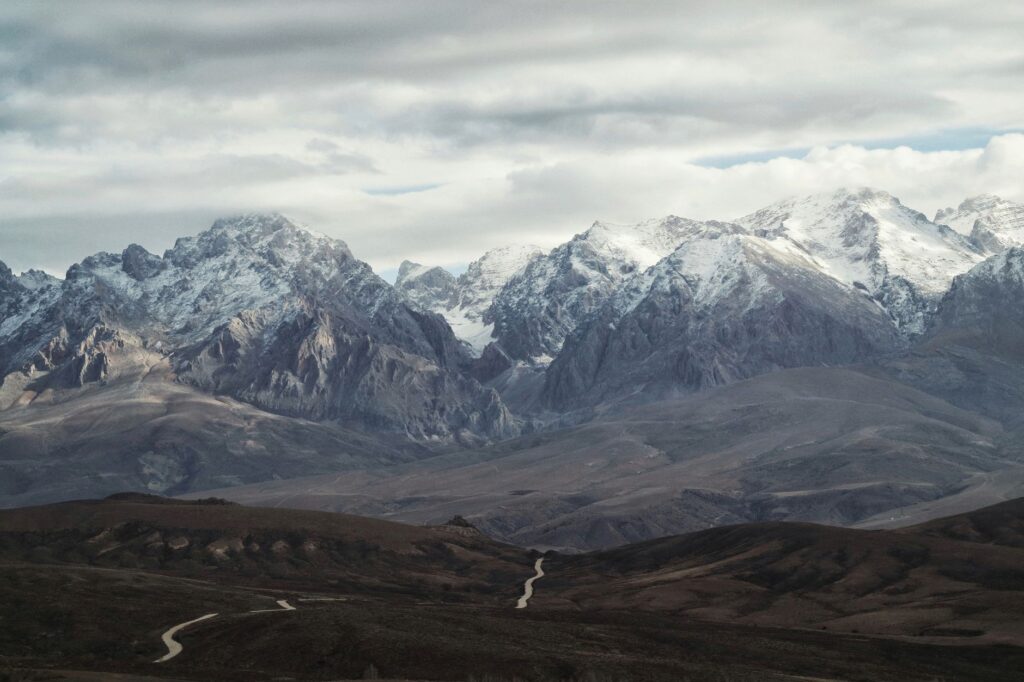
The challenge was substantial. It involved climbing from the plains of Mendoza to over three thousand meters of altitude in a matter of kilometers, using railway technologies capable of conquering slopes that were impossible for traditional adhesion locomotives. The solution came from applying the Abt-system rack railway, a gear mechanism that firmly engaged a toothed bar placed in the center of the track, allowing convoys to traction safely on the steepest ramps of the cordillera.
High Mountain Engineering and the Rack System
Building the Transandine demanded civil engineering solutions unprecedented in South America. Engineers had to trace the route following the course of the Mendoza River and its tributaries, excavating dozens of tunnels through solid rock, erecting colossal retaining walls, and designing metal bridges capable of withstanding hurricane-force winds and snow avalanches. Every kilometer advanced was a victory against the hostile geography of the Andes.
The most complex section was concentrated in the approach to the historic Summit Tunnel, situated at an altitude exceeding three thousand two hundred meters above sea level. This international tunnel, nearly three kilometers long, marked the border milestone where railway formations passed from one nation to another, becoming a tangible symbol of South American integration. Operating these special locomotives required highly specialized personnel capable of enduring oxygen deprivation and bitter winter temperatures.

The Impact on Regional Logistics and Commerce
Before the official inauguration of the full service in 1910, the exchange of goods and passengers between Argentina and Chile depended on risky journeys on muleback through mountain passes like Uspallata or Los Patos, a trip that could take weeks and was completely interrupted during winter months by heavy snowfalls. The railway drastically reduced travel time to just over twenty-four hours between Buenos Aires and Valparaíso.
This dramatic reduction in transit times transformed the regional economy. Agricultural products, minerals, manufactured goods, and international mail began to flow with unprecedented regularity. Cross-border logistics found an indispensable ally in the train, guaranteeing the supply of urban centers and connecting Atlantic ports with Pacific trade routes, consolidating the region as a strategic node in global commerce at the time.
Operational Challenges and the System’s Decline
Despite its enormous strategic importance, the Transandine Railway faced severe operational difficulties throughout its history. Maintaining the track in such an aggressive natural environment required colossal budgets. Avalanches, mudslides, and rockfalls regularly damaged the infrastructure, interrupting traffic for weeks and generating very high financial costs for the operating companies and national governments.

By the mid-20th century, competition from motor transport, driven by the construction of paved highways and the expansion of commercial aviation, began to diminish the profitability of the railway system. Economic difficulties, compounded by the lack of sustained investments for the technological modernization of rolling stock and tracks, precipitated the definitive suspension of passenger services in 1978 and, subsequently, the total closure of the freight corridor.
Industrial Heritage and Cultural Tourism
Today, the vestiges of the Transandine Railway have become a valuable archaeological and industrial heritage. Abandoned stations such as Las Cuevas, Puente del Inca, and Uspallata attract researchers, historians, and travelers interested in cultural and adventure tourism. These locations preserve the silent testimony of a golden age when human will seemed capable of subduing the highest peaks of the continent.
The railway track was not merely a work of metal and stone; it represented the triumph of transnational cooperation in the face of the vastness of the cordillera.
Heritage organizations and local governments promote various initiatives to preserve what remains of this infrastructure. Hikers and mountaineering enthusiasts traverse sections of the old railway layout, admiring the precision of the iron bridges and the audacity of the tunnels piercing the mountain, recognizing the historical value of a corridor that transformed the human geography of the Andes.

Modern Reconnection Projects and Bioceanic Corridors
The need for more efficient and sustainable logistical integration in the Southern Cone has kept alive the discussion about the reactivation of the railway pass. Various binational committees and international transport experts have prepared feasibility studies for a new low-altitude tunnel to re-establish rail connectivity between Argentina and Chile, adapted to 21st-century technological standards and capable of handling heavy container freight.
A modern bi-oceanic rail corridor would significantly alleviate congestion in motor transport through the Cristo Redentor International Pass, reducing carbon emissions and improving safety in the transit of goods between the oceans. Although investment costs are high and execution periods prolonged, the idea of a new Transandine remains a strategic aspiration to diversify South America’s logistical matrix.
Traveler Planning and High Mountain Access
For those interested in exploring the history and landscape of the former Transandine Railway, National Route 7 in Argentina and Route 60 in Chile offer privileged access to the main milestones of the original layout. The journey starts from the city of Mendoza, ascends through the foothills, crosses valleys of striking scenic beauty, and reaches the international border, allowing visitors to closely contemplate the historic stations and high mountain geological formations.

It is essential to bear in mind that the mountain region features rigorous and changing weather conditions. Visitors are advised to plan trips in advance, check border pass status, verify weather forecasts, and use vehicles suitable for high-altitude driving. Visiting emblematic sites like Puente del Inca or viewpoints overlooking Mount Aconcagua offers a unique perspective on the magnitude of this major infrastructure project.
Conclusion: The Eternal Legacy of the Andean Rails
The Transandine Railway remains in Latin America’s memory as a monument to human daring and regional cooperation. Its history illustrates both the enormous difficulties of building infrastructure in extreme natural environments and the enduring importance of keeping economies and cultures connected across major geographical barriers.
Recognizing the value of these historical routes is the first step toward designing a future where regional integration is synonymous with sustainable development and respect for territorial heritage.
As the region evaluates new bi-oceanic integration projects, the spirit of the old Transandine continues to inspire engineers, planners, and travelers. Whether as an archaeological testimony or as inspiration for future rail corridors, the route that united the Andes continues to remind us that natural barriers can be overcome through vision, technique, and shared effort among sister nations.

