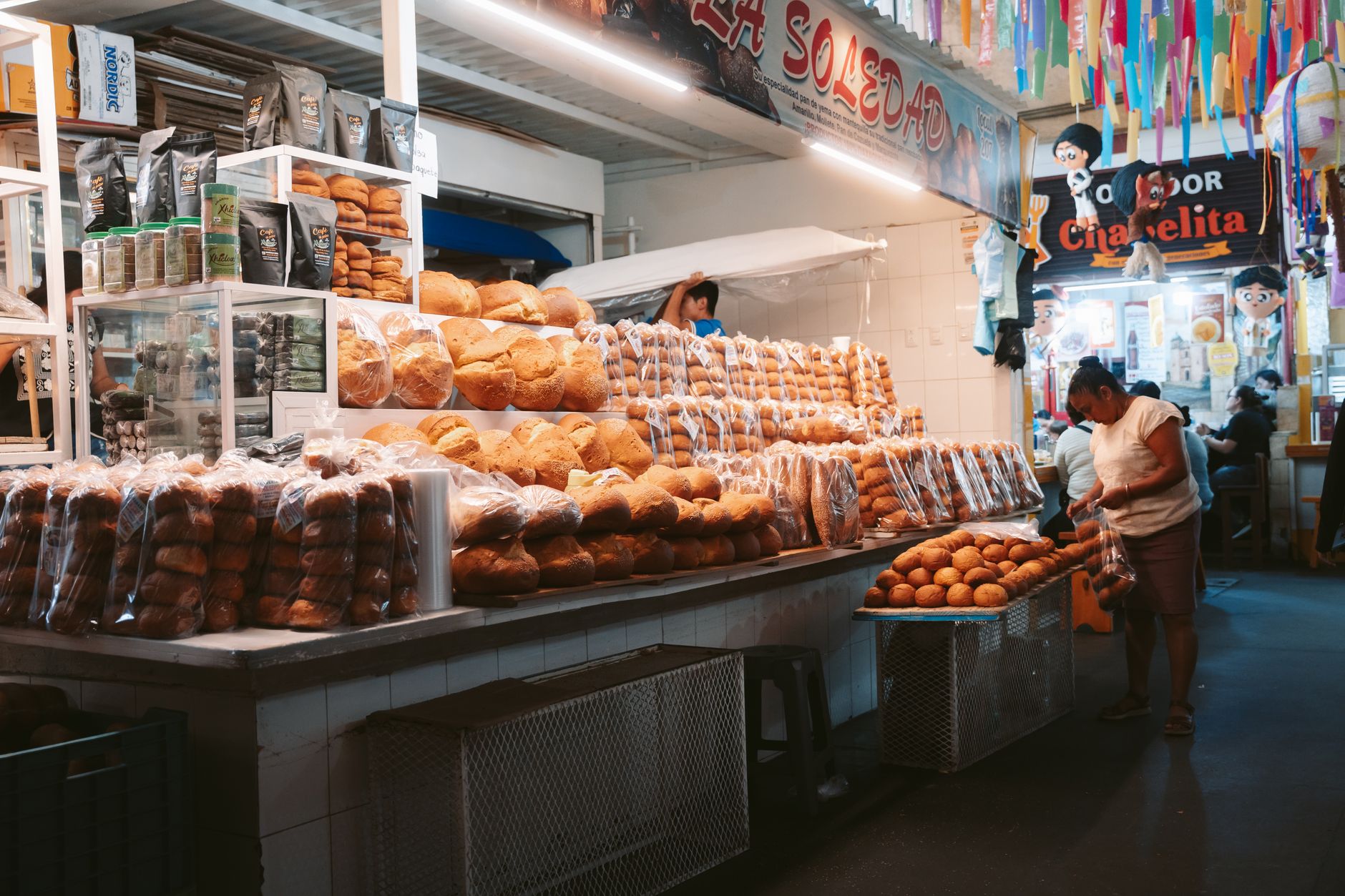

In the heart of Mexico City’s Historic Center, sheltered from the relentless roar of avenues and the distant chiming of viceregal church bells, stands a market hall where culinary time folds in upon itself. The Ernesto Pugibet Market, known globally as San Juan Market, bears little resemblance to neighborhood food stalls or sprawling peripheral wholesale hubs. Here, beneath tamed sunlight filtering through functionalist skylights, the aisles do not merely trade everyday vegetables: they guard the botanical memory of the Anáhuac basin and the most complex, extravagant, and rigorous pantry in the Americas.
Walking through San Juan in the early hours of the morning is to witness a silent dialogue between pre-Hispanic cooking traditions and contemporary high gastronomy. While chefs from the capital’s most acclaimed dining rooms inspect fresh micro-greens and game meats, third-generation merchants arrange wooden crates holding seasonal treasures: ant larvae extracted from the High Hidalgo desert, endemic Oaxacan chilies preserved over smoke, and wild greens harvested at dawn from the floating agricultural plots of Xochimilco. San Juan is the epicenter where Mexico’s staggering biodiversity stops being an academic concept to become a living liturgy of the palate.
An Invisible Map of Pre-Hispanic Flavors
Long before twentieth-century architects erected the current framework of concrete and steel girders, the land occupied by the market belonged to the Mexica neighborhood of Moyotlan. In this southern district of ancient Tenochtitlan, goods trading was not a mere economic transaction, but a ritual system for redistributing nature’s bounty. Tributes arrived from southern rainforests, northern deserts, and Gulf coasts via canals that threaded through the island city. That original supply network survives today almost miraculously through the specialization of San Juan’s stalls.
Culinary historians and researchers do not visit this hall seeking mass produce, but rather the cultural density of origin. Every wooden crate and woven reed basket functions as a precise geographical coordinate. Wild foraging, a practice marginalized by industrial agriculture in much of the world, remains a central pillar here. The vendors do not deal exclusively with large-scale farms; they maintain direct partnerships with rural gatherers across the states of Tlaxcala, Puebla, Estado de México, and Oaxaca, ensuring that short-lived plant and animal species reach the counters at their peak maturity.
The Architecture of Barter and Colonial Heritage
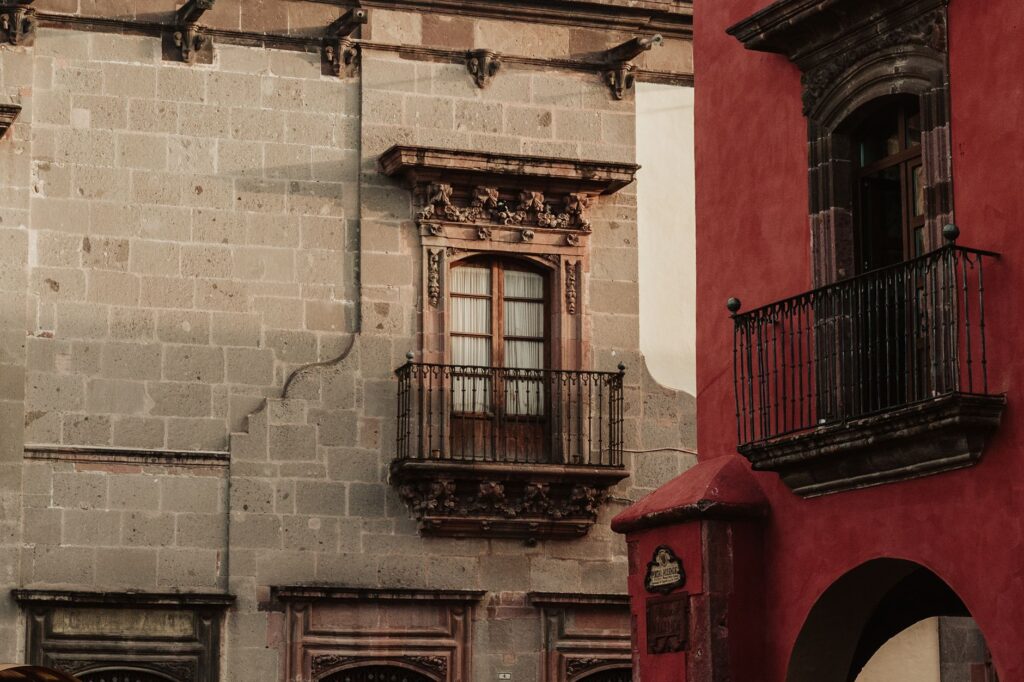
The physical structure of San Juan Market has evolved alongside the urban transformations of the Mexican capital. During the viceregal period, the nearby San Juan de la Cruz square concentrated Indigenous traders who supplied colonial households and convents. With the arrival of the twentieth century and the post-revolutionary urban modernization, merchants were relocated to the building they occupy today on Pugibet Street, just steps from the historic cigarette factory of the same name.
This transition from an open-air seasonal tianguis to a covered structure did not alter the spirit of vertical exchange. Inside San Juan, Mesoamerican preservation techniques—such as sun-drying, salting, and fermenting in clay vessels—coexist seamlessly with the industrial refrigeration demanded by imported meats and deep-sea fish. This architectural and cultural hybridization transforms the market into a unique setting where rustic hand-woven baskets sit beside high-precision digital scales.
Escamoles, Leafcutter Ants, and the Understory Taxonomy
The true anthropological core of San Juan lies in its stalls dedicated to entomo-gastronomy. Far from being a folkloric spectacle for unsuspecting tourists, the consumption of insects in this market represents the mastery of a precise botanical and climatic calendar. Escamoles, often dubbed Mexican caviar, are the larvae of the Liometopum apiculatum ant, harvested in the arid plains of Apan by locating underground nests beneath agave roots strictly between March and April.
The insect counter is a living masterclass in biodiversity. Alongside escamoles—boasting a buttery texture and a sweet perfume reminiscent of fresh hazelnuts—stand chicatana leafcutter ants, gathered during the first summer rains in Oaxaca’s Sierra Sur. Toasting them on a clay comal releases deep notes of cacao, damp earth, and cured forest floor. Beside them, chinicuiles (red agave worms) and white maguey worms complete a nutritional repertoire that delivers exceptional protein density without relying on traditional livestock farming.
blockquote>
«The edible insect is not an exotic ingredient meant for a quick photograph; it is the concentrated aroma of Mexico’s arid soil expressed in a bite of absolute elegance.»
The Foraged Laboratory of High Gastronomy
Since the late twentieth century, San Juan shifted from being an upscale neighborhood market for local families to becoming the secret laboratory of contemporary Mexican cuisine. Internationally renowned chefs visit these halls daily searching for ingredients absent from industrial distribution chains. The relationship between chef and merchant is one of absolute complicity: the specialty produce vendor does not simply sell, but takes custom orders, advises, and rescues endangered heirloom plant varieties.
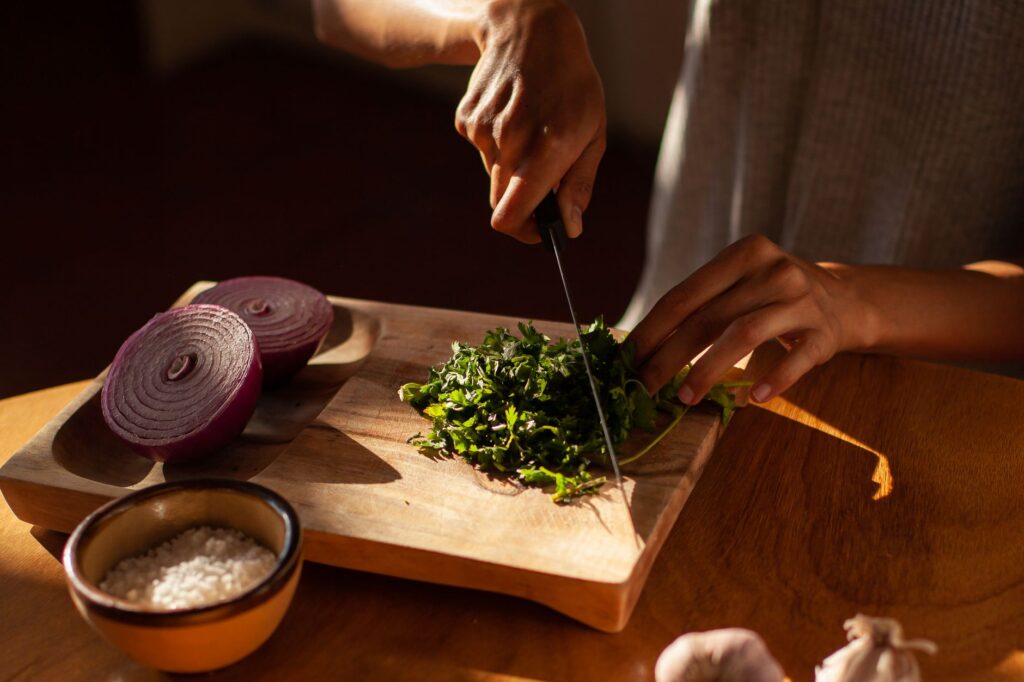
At the specialty green stalls, one finds dozens of varieties of quelites—edible wild leaves that grow spontaneously within the milpa ecosystem—such as quintonil, wild purslane, pápalo, and chepil. Rich in micronutrients, these herbs form the aromatic backbone of traditional moles and complex broths. Fine dining has identified in the biological resilience of wild greens a vital contemporary antidote to the homogenization of modern diets.
Heirloom Chilies and the Craft of Cured Smoke
No single ingredient captures the organoleptic depth of San Juan better than its collection of rare cured chilies. Unlike standardized commercial peppers, the chilies traded in the deeper aisles of the market originate from microclimates with distinct terroirs. Chief among them is the Oaxacan chilhuacle in its black, red, and yellow variants—an endangered pepper requiring delicate cultivation that provides the soul for ancestral mole negro.
The manipulation of air, sun, and wood smoke in dehydrating these fruits is an artisanal craft guarded by a few farming families. Opening a burlap sack of Oaxacan pasilla chili at San Juan unleashes a wave of dried fruit, cured tobacco, leather, and smoked oak aromas. Merchants guide visitors through assessing skin luster, pod elasticity, and seed density, demonstrating that a properly cured chili rivals the complexity of fine aged wines.
The Merchant’s Counter: Aisle Cheeses and Cask Wine
While Indigenous roots provide the indispensable foundation of San Juan, the market also skillfully integrated the European immigration waves of the twentieth century. Iconic stalls specializing in charcuterie, artisanal cheeses, and gourmet preserves created a parallel social dynamic that defines the market’s mid-day rhythm. At these counters, purchasing ingredients turns into an impromptu tasting celebration.
A cherished ritual at San Juan is stopping by the gourmet deli bars, where owners serve plates of Iberian ham, raw milk sheep cheeses, and aged artisanal cheeses produced in Querétaro and Catalonia, accompanied by glasses of red wine poured on the spot. This effortless union between a comal-roasted leafcutter ant and a slice of raw-milk cheese highlights the market’s mestizo capacity to merge distant culinary legacies without losing its territorial identity.
Milpa Botany and the Preservation of Soil Heritage
San Juan’s role in sustaining the agricultural ecosystems of central Mexico is an increasingly important subject of study. By guaranteeing a stable market willing to pay fair prices for rare produce, San Juan vendors indirectly protect dozens of small-scale chinampa farmers in Xochimilco and Tláhuac, as well as terrace growers along the slopes of the Popocatépetl volcano.
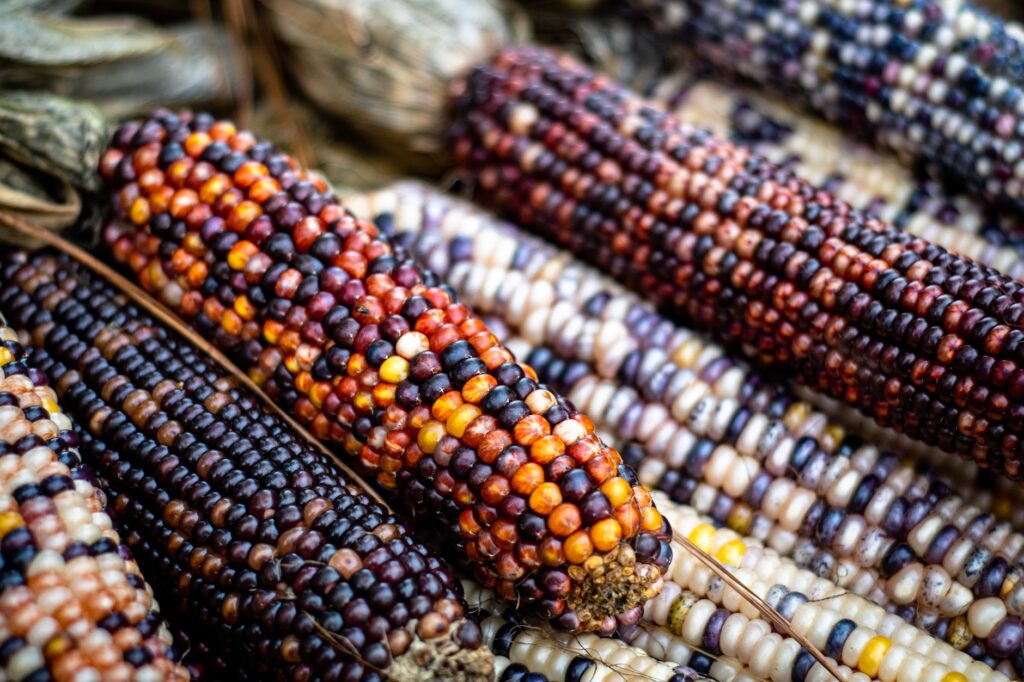
The milpa—the ancient polyculture system where corn, beans, squash, and chilies grow in natural symbiosis—finds its ultimate display window in San Juan. Irregular heirloom squashes, native corn varieties in vibrant hues of blue, red, yellow, and white cacahuazintle, and edible blooms such as coral tree flowers and barrel cactus blossoms are sold here with the pride of displaying precious gems. Keeping demand alive for these crops remains the single most effective defense against urban sprawl consuming rural agricultural land.
blockquote>
«Saving an heirloom corn variety or a wild green species is not an act of nostalgia; it is a strategy for biological and cultural survival for future generations.»
Practical guide
Getting there and navigating
San Juan Pugibet Market is located at 21 Ernesto Pugibet Street in Mexico City’s Historic Center. The most efficient way to arrive is by public transportation: Metro stations Salto del Agua (Lines 1 and 8) and Juárez (Line 3) are within a five-minute walk. Visitors opting for ride-hailing services or taxis are advised to schedule arrival before 10:00 AM to avoid the dense traffic typical of the central district.
Visiting hours and market dynamics
The market operates daily from 7:00 AM to 5:00 PM. However, the atmosphere changes markedly throughout the day. Between 7:00 AM and 10:00 AM, the environment is strictly commercial and professional, as top chefs, restaurateurs, and foragers stock up on fresh supplies. From 11:00 AM through 3:00 PM, the aisles settle into a relaxed, festive pace ideal for leisurely exploring stalls, chatting with vendors, and sampling tapas at the gourmet counters.
Shopping etiquette and recommendations
- Carry cash: While established deli and import counters accept credit cards, most small-scale foragers selling insects, wild mushrooms, and fresh herbs operate strictly on a cash-only basis in local currency (MXN).
- Photographic courtesy: San Juan merchants are highly specialized master traders. It is respectful practice to ask permission before taking close-up photos of vendors, delicate larvae, or containers of live insects.
- Seasonal awareness: Align your visit with harvest seasons for rare items. Wild forest mushrooms peak during the rainy season between July and September, whereas escamoles are harvested during the dry spring months.
- Hygiene and sampling: Food stalls inside the market maintain rigorous standards due to their high turnover and professional clientele. Always follow vendor advice regarding fresh salsas and toasted insect pairings.
The Merchant’s Unfading Memory
As late afternoon approaches and the golden high-altitude sunlight streams through high windows onto brass scales and tiled counters, the market begins its quiet wrap-up. Dried corn husks, pepper stems, and rich dark soil swept from wild herb roots are cleared away with the deliberate pace of a temple after evening prayers. It is the moment when the frenzy of the metropolis recedes behind Pugibet’s walls.
In the weathered, serene face of a veteran merchant carefully arranging the day’s final strand of smoked chilies, the deeper meaning of San Juan shines clear. There is no artificial performance or staged gimmickry here; only an unyielding commitment to the earth, to the hard labor of rural foragers, and to the memory of taste. Stepping out of these halls back into the roaring city streets, one carries the quiet reassurance that as long as a basket of escamoles and a bundle of fresh pápalo remain at San Juan, the ancient soul of Tenochtitlan remains alive and guarded.