
At the crossroads of the highlands
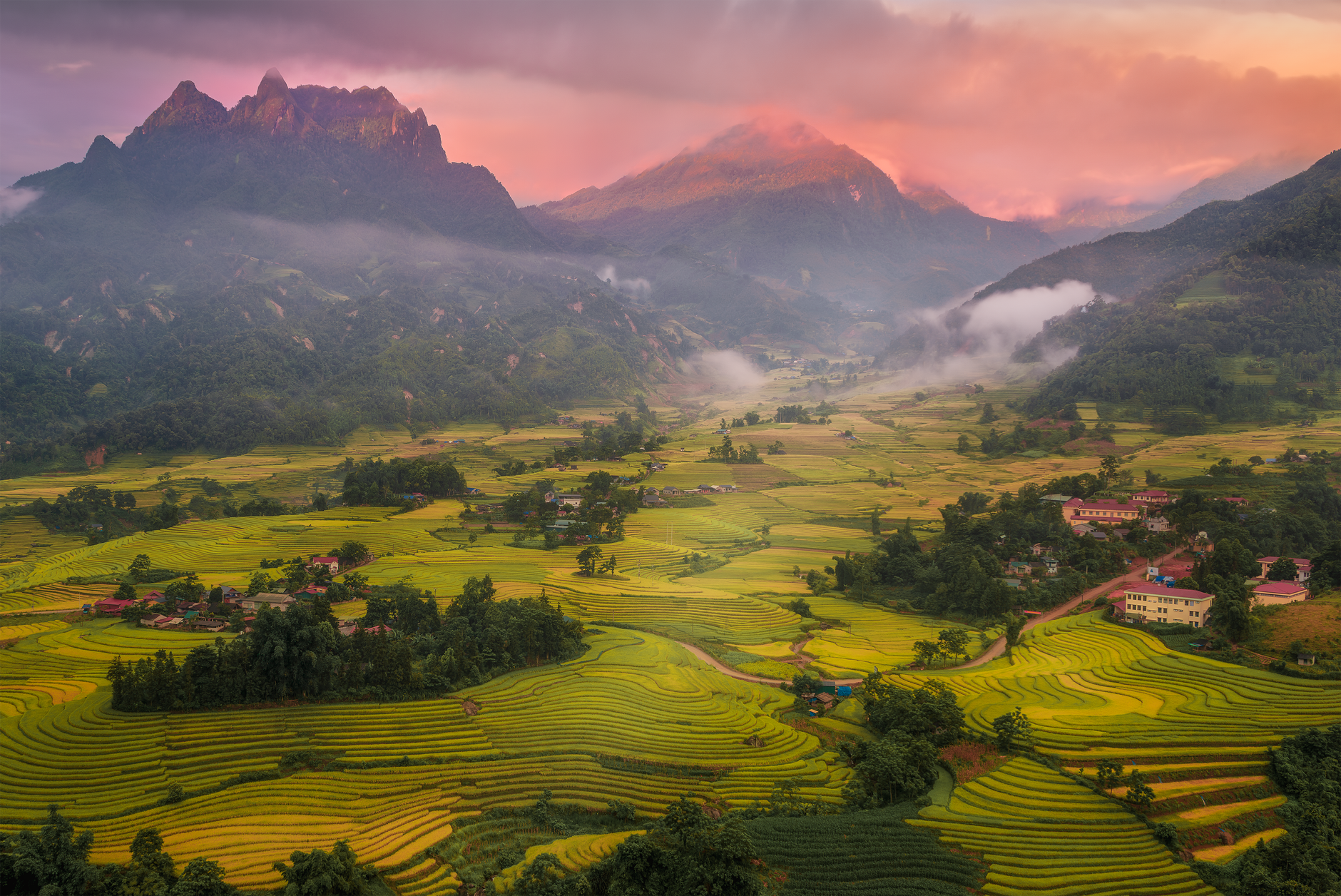
Among the rugged folds of Luzon’s Central Cordillera, the Philippine province of Kalinga stands as a bastion of an ancient identity that has withstood the tides of colonial history and modern homogenization. Here, the land is not merely an economic resource or a picturesque backdrop for the occasional traveler; it is a living archive carved into gravity-defying rice terraces and governed by a customary legal system known as the bodong, an ancestral peace pact that regulates relations among clans and communities. In this territory of misty summits and canyons sculpted by the Chico River, every trail tells a story of endurance and adaptation.
Recently, national and international attention has focused on this remote region following the official visit of Tourism Secretary Christina Frasco, who strongly advocated for a growth model rooted in the strict preservation of local culture and heritage. Her central message resonates with particular urgency at a time when mass tourism threatens to turn cultural sanctuaries into superficial theme parks: economic progress must not come at the expense of indigenous dignity and authenticity. This premise presents a complex challenge for local authorities, traditional leaders, and tourism operators seeking to open Kalinga’s doors without diluting its essence.
The sacred art of Buscalan and the legacy of Whang-od
The name Kalinga immediately evokes in the global imagination the image of Buscalan, a village perched on the slopes where Whang-od Oggay, the last mambabatok or traditional tattoo artist of her generation, resides. At over a hundred years old, Whang-od continues to mark human skin using lemon thorns and a mixture of soot and water, a ritual historically reserved to honor the bravery of warriors and the maturity of women in the community. This ancient art, known as batok, has turned Kalinga into a magnet for travelers from all corners of the globe seeking a direct connection with an unaltered past.
However, Buscalan’s global fame has accelerated environmental and social transformation. The constant influx of visitors raises thorny questions regarding the carrying capacity of rural communities and the risk of commercializing spiritual practices. Village elders and cultural guardians insist that tattooing is not a fast-consumption commercial product, but a sacred covenant requiring respect, patience, and an understanding of historical context. Government intervention aims precisely to establish community-based management frameworks ensuring that economic benefits flow directly to local families and that visitors assume an active role as heritage protectors.
Vernacular architecture and the sculpted landscape
Beyond the phenomenon of traditional tattoos, Kalinga’s architectural and agricultural landscape constitutes a masterwork of human engineering adapted to a mountainous environment. Traditional dwellings, known as fale or Cordillera houses, are built with native timber and thatched roofs, elevated on stilts and meticulously designed to withstand the region’s harsh climatic conditions. Each structural element reflects profound botanical knowledge and a symbiotic relationship with surrounding forests, which are managed through complex community environmental protection systems.
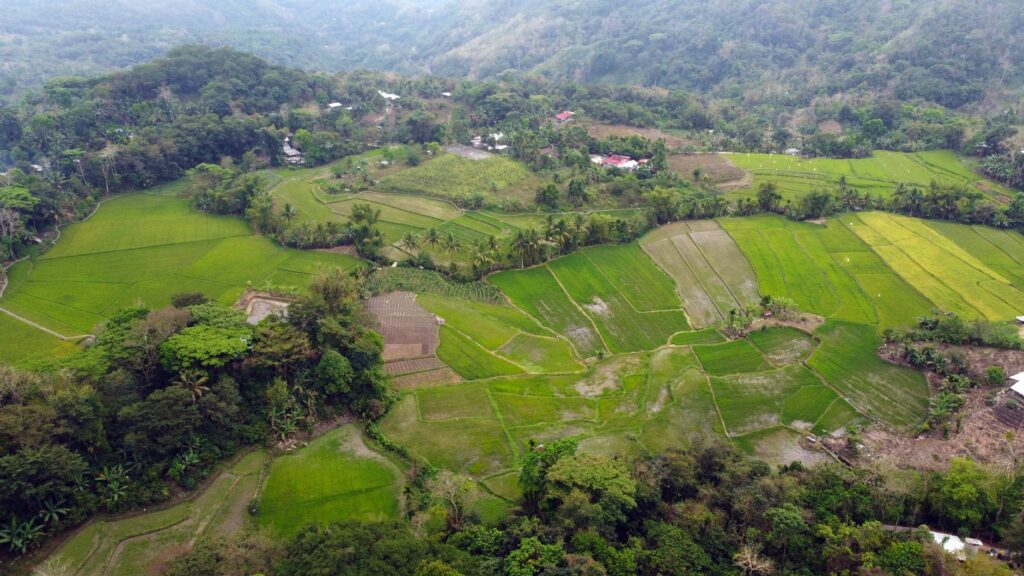
The rice terraces flanking the valleys are another eloquent testimony to this ecological intelligence. Built stone by stone over centuries, they function as a sophisticated hydraulic system that retains rainwater and prevents soil erosion. For heritage experts, conserving these structures depends not on external technological interventions, but on the survival of traditional farming practices and the retention of younger generations on their ancestral lands. Rural outmigration poses a silent threat by depriving communities of the labor force required for the continuous maintenance of these agrarian monuments.
True cultural tourism is not about consuming landscapes, but about learning to inhabit them with respect and humility, recognizing that we are temporary guests in homes built by centuries of collective endeavor.
The governance of Bodong as a model of hospitality
One of the most unique aspects of traveling through Kalinga is the enduring relevance of the bodong, the legal and cultural system governing peace and conflict resolution among the province’s diverse tribes. Historically designed to prevent bloody inter-clan wars, today this mechanism also functions as an ethical code for welcoming outsiders. When a traveler crosses the borders of a community in Kalinga, they enter under the protection and responsibility of local hosts, who establish clear rules of conduct, hospitality, and mutual respect.
This traditional framework offers a valuable lesson for the contemporary tourism industry, which is accustomed to relying on impersonal bureaucratic regulations. In Kalinga, safety and harmonious coexistence are anchored in community accountability and direct dialogue between visitors and residents. Tourism authorities have pointed out that any future development strategy must integrate seamlessly with these indigenous self-governance systems rather than imposing external directives that ignore pre-existing social structures and the authority of elder councils.
Infrastructure challenges and sustainable connectivity
The geographic isolation that protected Kalinga from external influences for centuries now constitutes its greatest obstacle to equitable socioeconomic development. The winding roads connecting the province to the rest of Luzon are frequently vulnerable to landslides during the monsoon season, hindering both visitor access and the transport of agricultural goods to regional markets. The modernization of road infrastructure, long demanded by local communities, must nevertheless be approached with extreme caution to prevent the uncontrolled opening of doors to mass tourism flows.
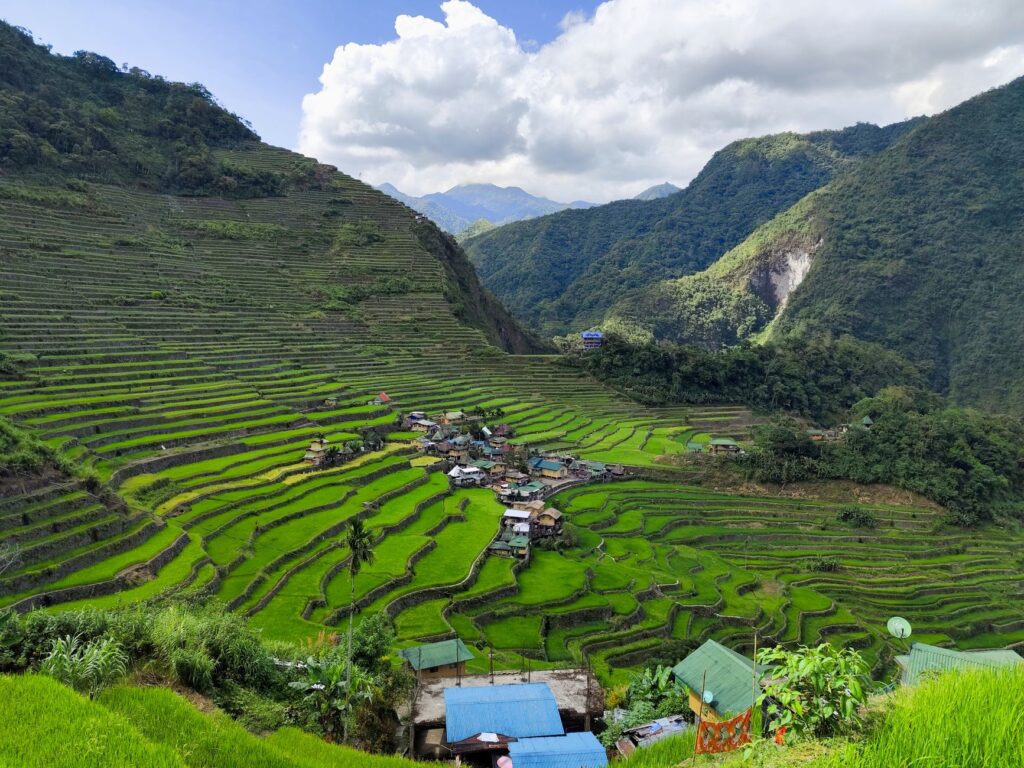
The balance between accessibility and preservation requires smart investments in sustainable transport, context-sensitive signage, and visitor reception centers functioning as educational hubs. The institutional goal is to transform the transit of curious tourists into a steady stream of informed travelers who appreciate the effort required to reach these summits and contribute to the local economy through extended stays and purchases of regional handicrafts, thereby supporting the local circular economy.
Intergenerational knowledge transfer
Kalinga’s cultural future rests inevitably upon the shoulders of younger generations, who grow up at the intersection of their grandparents’ secular traditions and the hyper-connectivity of the digital world. In local schools and community workshops, initiatives aimed at teaching oral history, traditional songs, farming techniques, and handicraft trades such as backstrap weaving are multiplying. These actions seek to equip youth with a strong sense of belonging that prevents the loss of cultural identity against external cultural pressures.
Community leaders emphasize that heritage education should not be confined to the classroom, but integrated into daily village life. Youth participation in welcoming visitors, guiding them along trails, and explaining the significance of historical monuments fosters a renewed pride in their heritage. Thus, tourism ceases to be an external force of assimilation and becomes a mirror where the community reflects and revalues its own cultural wealth.
Practical guide
How to get there: Access to Kalinga province is typically achieved by road from Tuguegarao city or Baguio. The bus or private vehicle journey through the Cordillera roads can take between six and ten hours, depending on weather conditions and road status.
Best time to visit: The dry season, spanning from November to April, offers the most stable conditions for hiking and accessing remote rural communities. Months of heavy rainfall should be avoided due to landslide risks.

Code of conduct: Securing permission from local leaders is essential before photographing residents, especially elders and traditional tattoo artists. Respect for the customs of the bodong and sacred spaces is mandatory.
Accommodation: Hotel options are limited, primarily consisting of family-run inns, local guesthouses, and homestay options within rural communities. Advance booking is recommended, along with maintaining modest expectations regarding modern amenities.
Traveling to Kalinga means accepting the challenge of looking beyond the immediate horizon, recognizing that the true treasures of the contemporary world are not bought with money, but protected with memory and respect.
The mountain’s reflection in memory
Embarking on the return journey from Kalinga’s heights, the morning mist seems to embrace the wooden rooftops and rice terraces once more, returning its usual silence to the landscape. Traveling through these lands leaves an indelible mark on the reflective traveler’s spirit, who understands that the beauty of this Philippine corner lies as much in its untamed nature as in the moral firmness of its people. The true test for contemporary tourism in the region will not be how many visitors it attracts each year, but how much dignity, sovereignty, and joy of living the communities that have cared for these mountains since the dawn of time manage to preserve.
Source in EN: Out of Town Blog (https://outoftownblog.com/department-of-tourism-chief-pushes-for-preservation-of-culture-heritage-in-kalinga-province/)