
Introduction to a Masterpiece of American Engineering
The project of the Trans-Andean Railway was never merely a transportation line meant to connect two oceans or two neighboring republics; it constituted one of the most daring technical responses humanity has ever offered to the unforgiving geography of the Andes mountain range. For decades, land communication between Argentina and Chile relied on perilous mule crossings through high mountain passes buried under heavy snow for half of the year. The materialization of this railway corridor fundamentally altered the South American logistics paradigm, proving that British technical expertise and private capital could successfully partner with local government vision to pierce the continental backbone.
Analyzing today the vestiges, history, and former operations of this route involves immersing oneself in a complex web of political decisions, engineering challenges, and social transformations that left their mark on entire communities on both sides of the border. From the workshops in the province of Mendoza to the dizzying gradients descending toward the Aconcagua valley, the Trans-Andean stands as a monument to human persistence in the face of climatic and topographic adversity.
Genesis of the Route and the Orographic Challenge
The concept of linking Mendoza with Santiago de Chile via a railway system began to take formal shape in the second half of the 19th century. However, engineers faced a monumental obstacle: overcoming elevation gains exceeding three thousand meters over extremely short horizontal distances. Standard adhesion locomotives proved utterly useless against grades that far exceeded the physical traction limits of steel wheels rolling upon steel rails. The solution came through the adoption of the Abt rack-and-pinion system, a Swiss technology that allowed trains to engage a central toothed bar in order to climb the steepest slopes without losing traction.
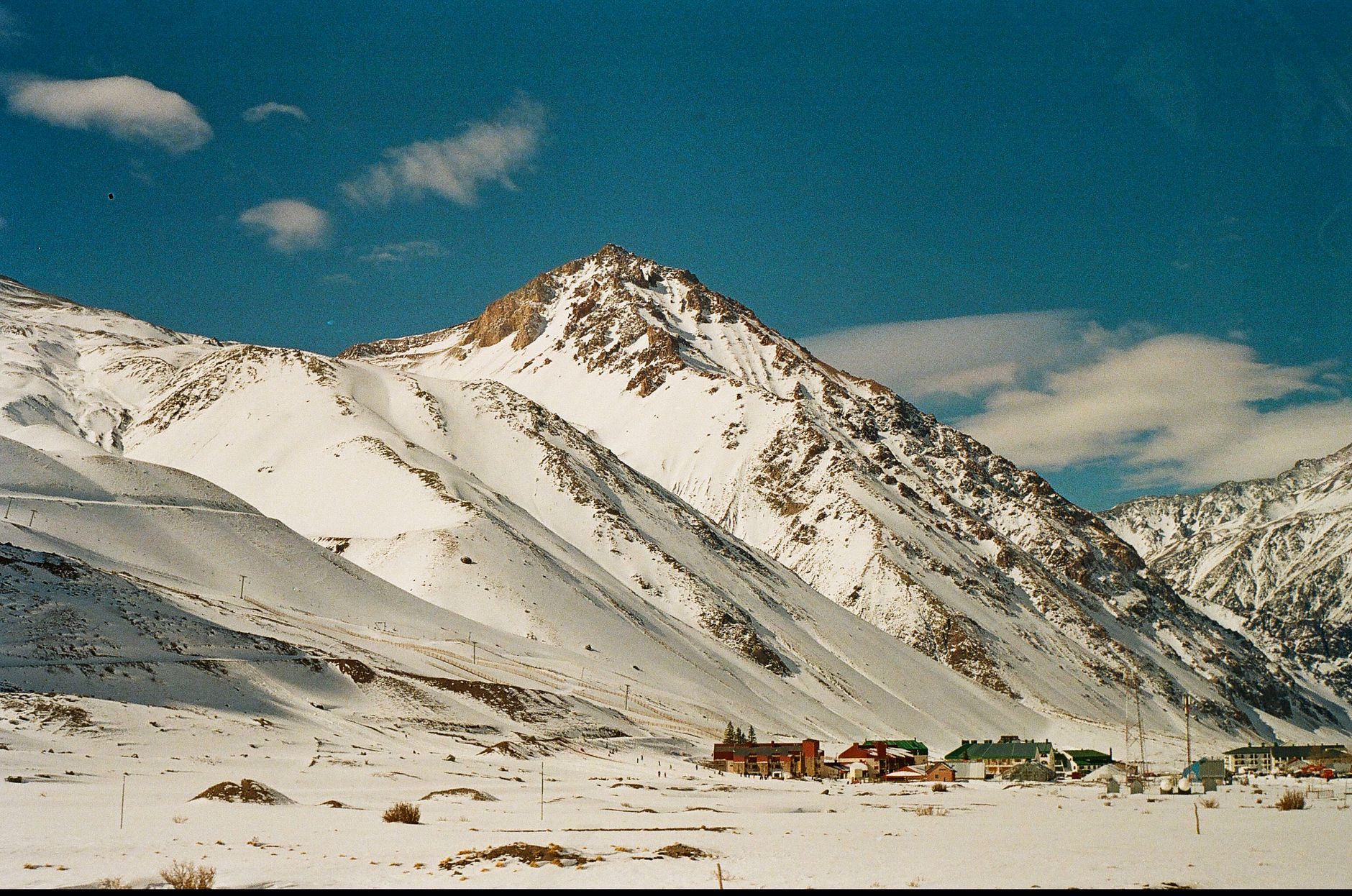
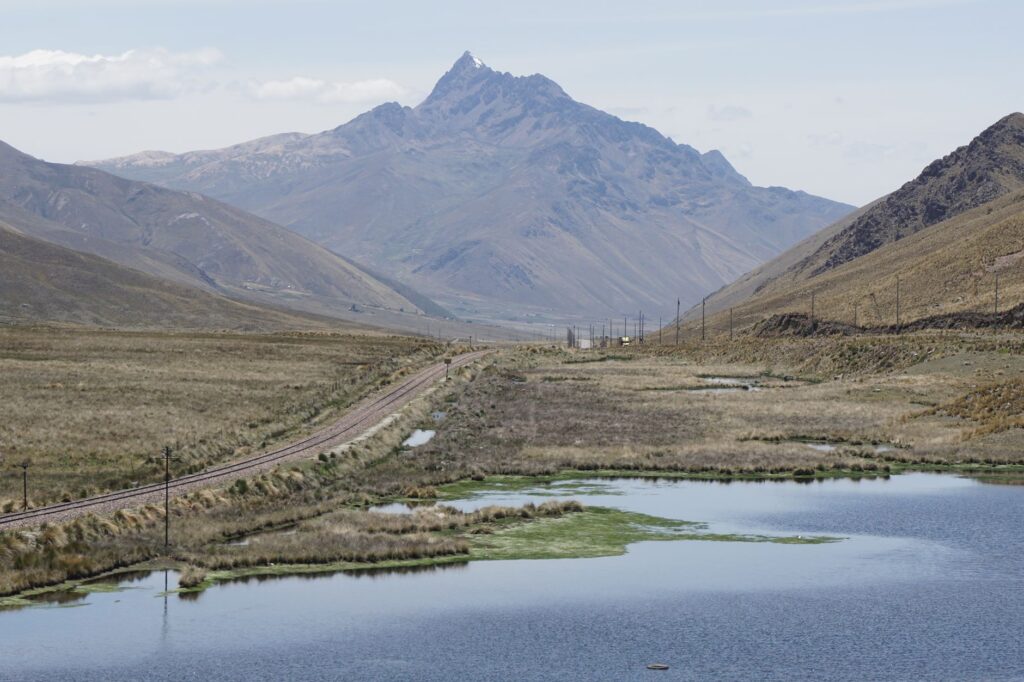
The route advanced parallel to the upper course of the Mendoza River, winding through narrow gorges where every kilometer wrestled from the rock required dynamite blasting and the construction of impressive dry-stone masonry retaining walls. Engineers had to calculate with millimeter precision the placement of snowsheds—monumental protective structures designed to shield tracks and trains from avalanches and heavy snow accumulations recurring during harsh mountain winters.
Construction Logistics Under Extreme Conditions
Mobilizing thousands of tons of steel rails, hardwood railroad ties, locomotives imported from Europe, and tons of coal at altitudes exceeding three thousand meters required a supply chain unprecedented in the region. Temporary camps were established that, over the years, evolved into small urban centers equipped with warehouses, infirmaries, and basic mechanical repair shops.
The workforce consisted of a heterogeneous amalgam of European immigrants—mostly Italian and Spanish laborers experienced in digging Alpine tunnels—and local gauchos hardened by the grueling rural labor of the Cuyo region. Living conditions in these high-altitude camps were exceedingly harsh; altitude sickness, sub-zero temperatures, and prolonged isolation during winter storms claimed the lives of dozens of workers, whose remains now rest in small cemeteries scattered along the right-of-way.
The cordillera never negotiated its conditions; every single meter of track installed was a victory contested inch by inch against ice, whiteout winds, and the vertical void of the Andean abysses.
The Summit Tunnel: The Ultimate Underground Engineering Feat
The culminating and most complex point of the project was the execution of the international tunnel piercing the very heart of the mountain range, situated at over 3,100 meters above sea level. Spanning more than three kilometers in length, this underground conduit connected the Argentine portal in Las Cuevas with the Chilean portal in Caracoles. Excavation was carried out using a combination of compressed-air rock drills and explosives, operated by crews working in continuous shifts under conditions of sparse ventilation and glacial temperatures.
The completion of this masterpiece enabled, for the first time in history, continuous rail transit between the Atlantic and the Pacific without relying on the unpredictable surface weather of the mountain passes. Trains traversing the tunnel carried not only passengers in comfortable saloon cars but also industrial supplies, mail service, and agricultural goods that invigorated bilateral commerce and strengthened cultural ties between the two sister nations.
Railway Architecture and Heritage in the High Mountains
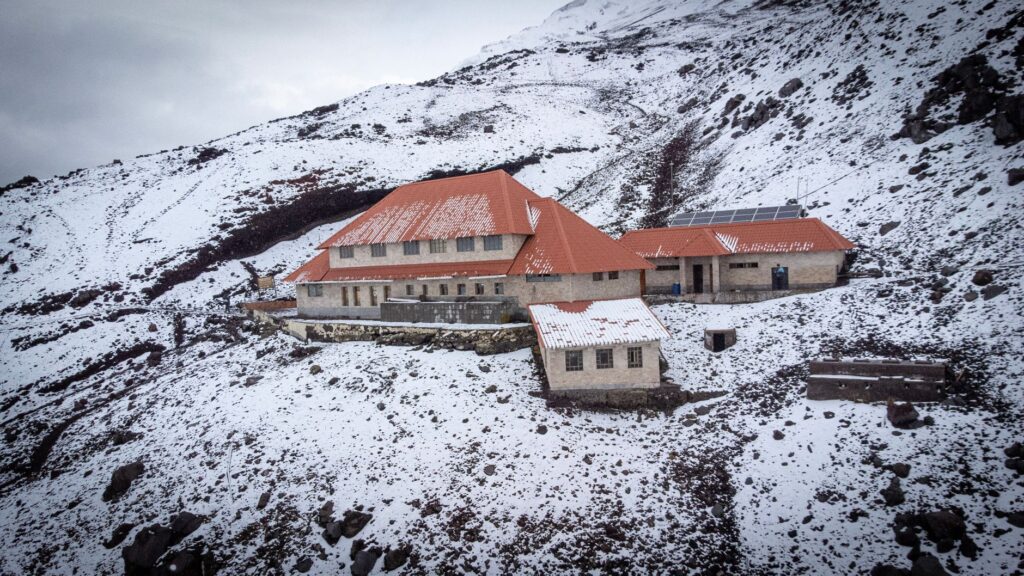
The stations of the Trans-Andean were never mere operational outposts; they constituted architectural landmarks conceived to withstand harsh climates while projecting an image of modernity and institutional solidity. Stone buildings featuring steep gable roofs to prevent snow accumulation, double-glazed windows, and robust heating systems characterized these terminals located in such inhospitable spots as Uspallata, Punta de Vacas, or Puente del Inca.
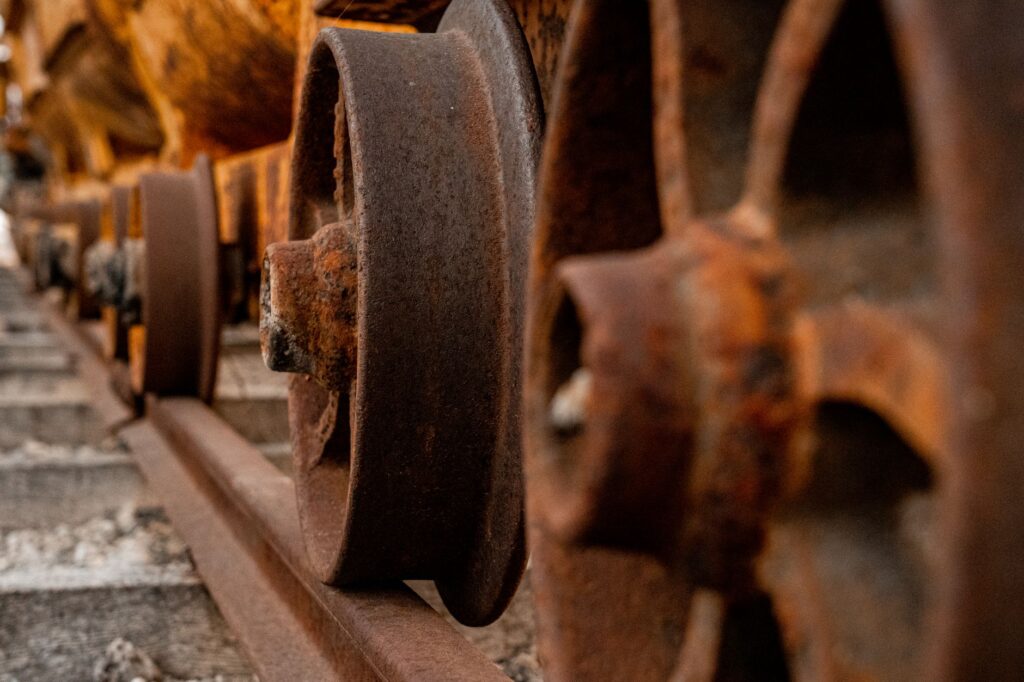
At Puente del Inca, the station coexisted with the famous thermal hotel, establishing the railway as the primary vector for high-mountain tourism in South America. The upper-class travelers of Buenos Aires and Santiago utilized the service to enjoy the hot springs and contemplate the majesty of Mount Aconcagua from the comfort of their Pullman carriages. Today, many of these buildings survive as protected ruins, silent witnesses to a golden age when steam power ruled the heights.
Decline, Closure, and Impact on Local Communities
Despite its strategic importance, the Trans-Andean Railway began facing severe operational and financial challenges starting in the mid-20th century. Competition unleashed by motor freight transport, supported by the gradual paving of parallel highways, and chronic state neglect regarding the renewal of tracks and rolling stock accelerated its decline. Frequent interruptions caused by rockfalls, mudslides, and the technological obsolescence of the rack system rendered the service increasingly uncompetitive against trucks and buses.
The definitive closure of the international service in the late 1970s dealt a devastating blow to the economies of the Andean towns. Entire communities dependent on track maintenance, dry port logistics, and passenger hospitality suffered rapid impoverishment and a mass exodus toward more prosperous lowland urban centers, leaving behind a trail of abandoned industrial architecture.
Practical guide
For travelers, researchers, and railway history enthusiasts wishing to visit and document the vestiges of the Trans-Andean Railway today, the following practical and safety guidelines are strongly recommended:
- Route Planning: Most railway relics are located alongside National Route 7 in Argentina and Route 60 in Chile. It is essential to check border crossing status and weather forecasts before beginning the ascent into the high mountains.
- Altitude and Acclimatization: Many of the former stations and tunnels sit above 2,500 and 3,000 meters of altitude. Travelers are advised to spend at least one night in Uspallata or intermediate locations to prevent symptoms of altitude sickness.
- Respect for Industrial Heritage: Abandoned stations, bridges, and tunnels are fragile historical sites. The extraction of metallic elements, masonry, or any alteration of remaining structures is strictly prohibited.
- Recommended Equipment: Sturdy trekking footwear, layered warm clothing even during summer months, high-SPF sun protection, and adequate supplies of drinking water, as high-altitude services are extremely limited.
The value of these vestiges lies not in their lost commercial functionality, but in their capacity to remind us of the audacity of a generation determined to defy the limits of the cordillera through the strength of steel and human will.
The Indelible Legacy in the Andean Landscape
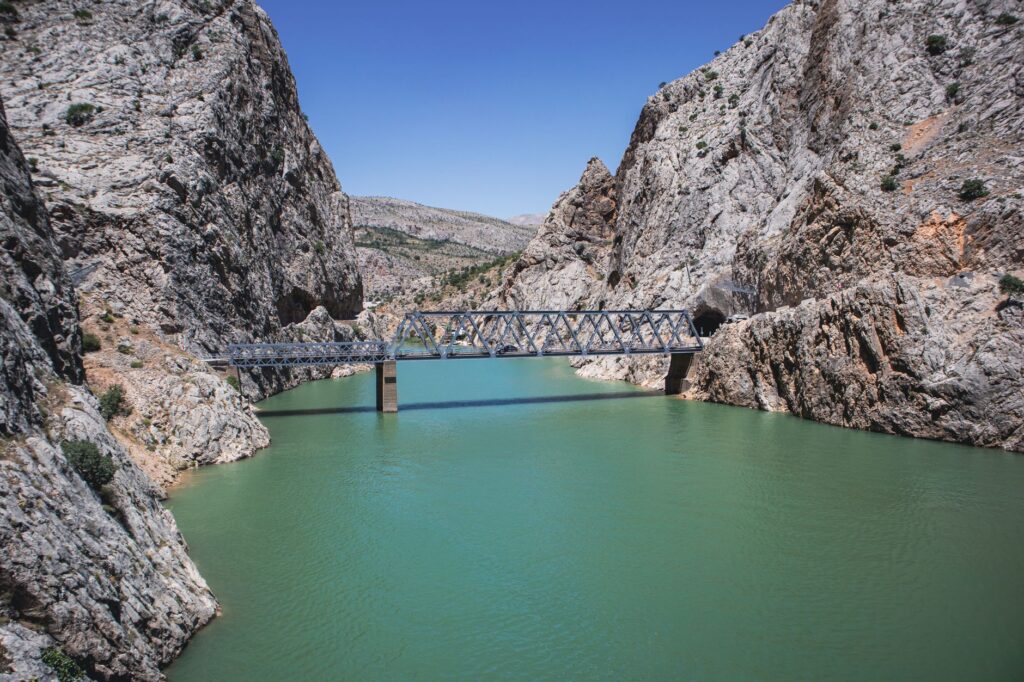
Contemplating the remains of iron bridges spanning the canyons of the Mendoza River today, or venturing with extreme caution into the dark portals of ancient tunnels, prompts profound reflection on the relationship between technological development and the imposing neutrality of nature. The Trans-Andean Railway ceased operations decades ago, but its alignment continues to define the cultural silhouette of the Andean region, serving as a permanent reminder that territorial connectivity has always been the fundamental engine upon which the integration of the Southern Cone was built.