
The Pyrenees mountain range constitutes far more than a mere natural border between the Iberian Peninsula and continental Europe; it represents a vast theater where geology carves limestone and granite ramparts that have tested shepherds, smugglers, and explorers for centuries. The long-distance footpath known as the GR 10 traces an almost flawless diagonal across the French slope, stretching from the crashing waves of the Atlantic Ocean at Hendaye to the shores of the Mediterranean Sea at Banyuls-sur-Mer. Unlike more commercial Alpine routes, this itinerary demands a deep understanding of the territory, remarkable physical conditioning, and meticulous logistical planning to manage stretches where civilization shrinks to a stone refuge perched two thousand meters above sea level.
Planning a traverse of this magnitude requires stripping the pack of any superfluous element without compromising safety against the notoriously fickle meteorology of the high mountains. Atlantic storms crash head-on against the first elevations, discharging sudden downpours that transform slippery grasslands into technical traps, while the eastern sectors, kissed by Mediterranean sun, expose the trekker to relentless radiation and scarce natural water sources. The success of the expedition relies not on marching speed, but on methodical reading of cumulative elevation gains, self-management of water reserves, and a reverential respect for the fragile ecosystems crossed along the way.
The Genesis and Alignment of the Mountain Range
Understanding the French Pyrenees requires looking beyond their most photogenic peaks to analyze a complex tectonic folding process that has shaped the terrain over millions of years. The GR 10 does not seek the highest summit —as other, more technically demanding ridge routes do—, but rather weaves through intermediate valleys, surmounting vertiginous passes that connect deeply isolated pastoral basins. This geographical layout generates a constant succession of ascents and descents totaling more than forty-eight thousand meters of positive elevation gain across its approximately nine hundred kilometers of official route.
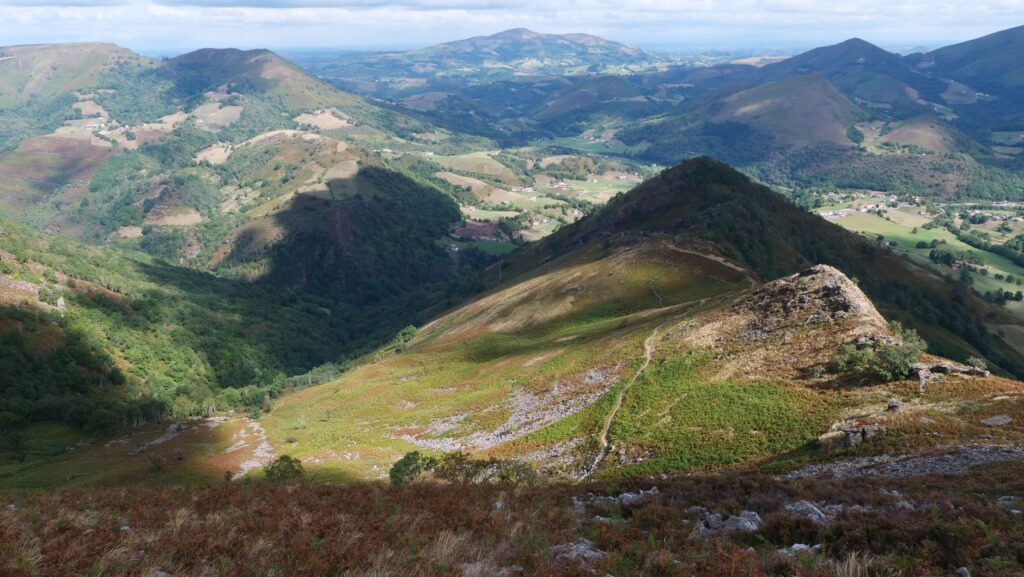
From the starting point on the Basque coast, the trail quickly abandons the rolling green hills dotted with red-and-white farmhouses to plunge into the Aldudes and Aspe valleys. In this western sector, the terrain is characterized by persistent humidity, high-altitude pastures where Pyrenean cattle graze, and beech forests hiding paths eroded by historical foot traffic. The transition toward the central Pyrenees introduces a radical landscape shift: valleys narrow into deep gorges, glacial cirques such as Lescun or Gavarnie display vertical walls of colossal dimensions, and bare rock progressively replaces arboreal vegetation.
The true value of a long-distance traverse is not measured by the kilometers recorded on a map, but by the capacity to adapt to the relentless rhythm of the mountains and the acceptance of their absolute indifference to human plans.
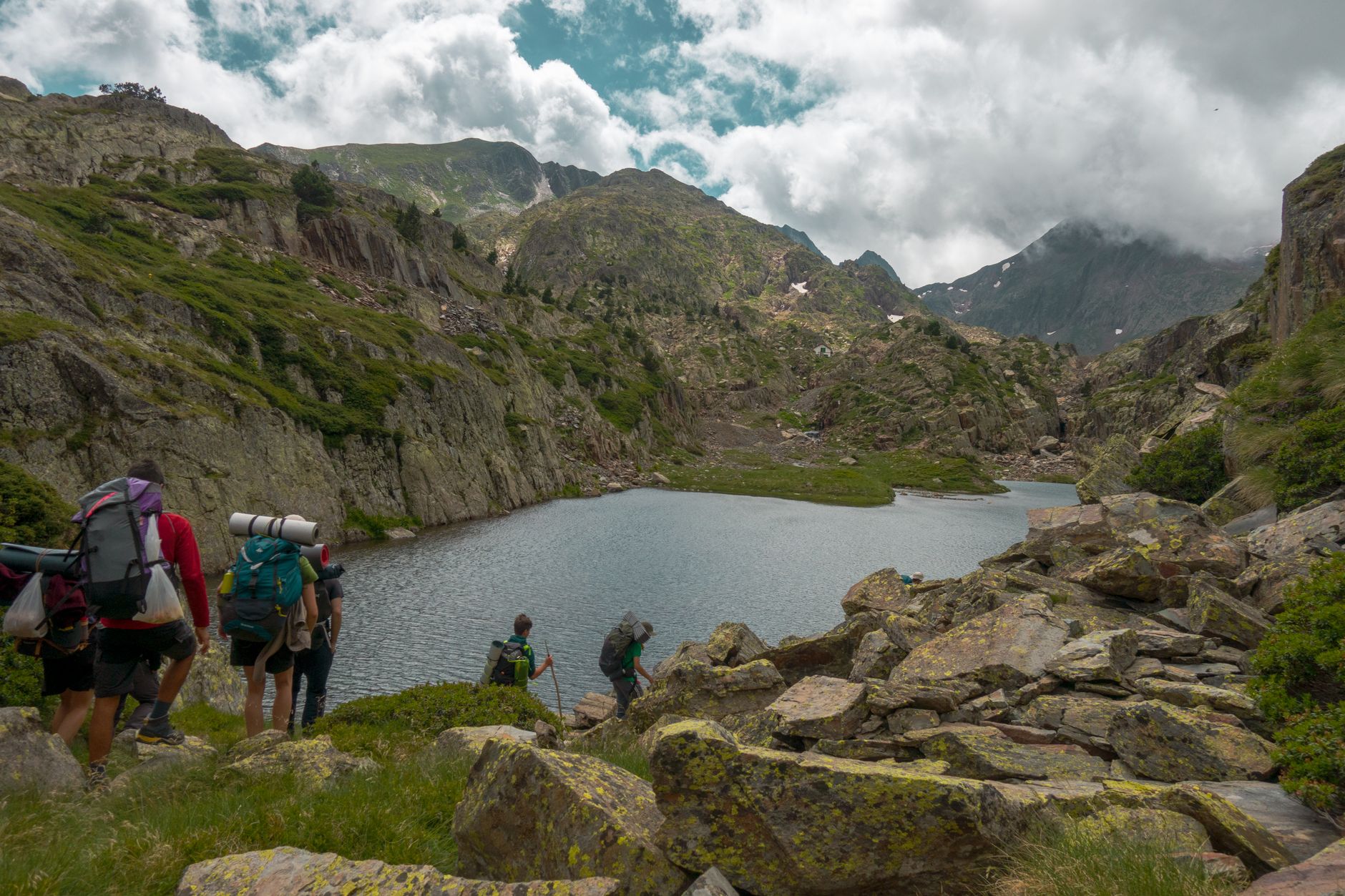
As the route pushes eastward into the Occitanie region and the departments of Ariège and Pyrénées-Orientales, the relief acquires a more Mediterranean character without losing an ounce of its demanding nature. Here, elevation gains remain aggressively steep under the influence of a drier, rockier climate. Pink granite crests and glacial tarns, known locally as étangs, dot a landscape where human presence is restricted to small mountain communities keeping ancient pastoral traditions alive. Each day turns into an exercise of introspection and physical endurance, where the backpack feels increasingly heavier and the body finds a primitive equilibrium with the surrounding environment.
Provisioning Logistics and High-Altitude Refuges
Self-sufficiency is a flexible concept on the GR 10, as the route crosses numerous secondary roads and small villages every three or four days. However, relying on finding fresh supplies at every single stage can be a critical planning error. Food logistics must be calculated with millimeter precision, prioritizing high-caloric-density dehydrated foods, nuts, and complex carbohydrates to guarantee the energy intake required for days that regularly exceed eight hours of effective marching over rough terrain.
The accommodation network along the route combines serviced refuges managed by the Club Alpin Français (CAF), unserviced open shelters, valley gîtes d’étape, and regulated camping areas. During the summer months, spanning from late June to September, serviced refuges offer shared bunk beds, hot dinners, and energy-dense breakfasts, serving as indispensable meeting points to exchange updated weather forecasts with fellow trekkers. Nevertheless, advance reservations during peak season are mandatory, and lightweight tent autonomy presents itself as the only viable alternative for those seeking absolute flexibility in their marching schedules.
Water management forms another fundamental pillar of daily logistics. Although the French Pyrenees are a region exceptionally rich in streams, torrents, and natural springs, extensive livestock farming and wildlife presence require filtering or chemically purifying any liquid gathered in the wild prior to consumption. Summer pasturing increases the risk of bacterial contamination in lower watercourses, making it non-negotiable to carry water purification tablets or a hollow-fiber membrane filter in the top pocket of the backpack rather than treating it as a mere recommendation.
Technical Equipment and Weight Management
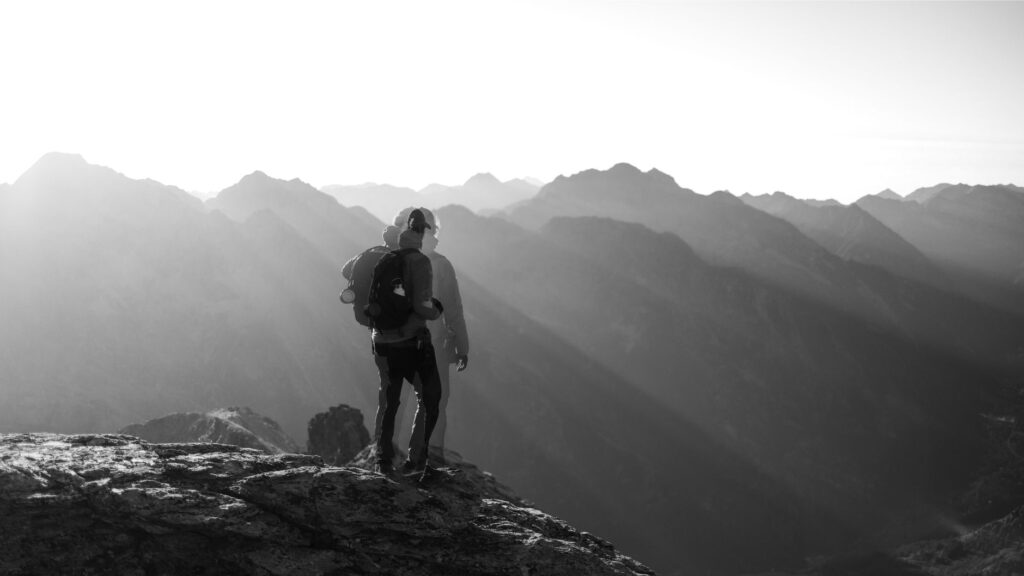
Reducing base equipment weight is the key factor that separates a transformative experience from a physical ordeal on the GR 10. The golden rule of long-distance backpacking dictates that total pack weight, including water and three days’ worth of food, should not exceed twenty percent of the trekker’s body weight. This forces a surgical selection of every single garment, prioritizing quick-drying technical fabrics, merino wool for thermal regulation, and layering systems that effectively respond to both the scorching midday heat and the biting cold of high passes at dusk.
Footwear deserves specialized attention. Traditional heavy leather boots have steadily lost ground to technical, high-traction trail running shoes, provided the hiker possesses sufficient ankle strength to support the load without compromising stability. The choice depends directly on the season’s historical weather patterns and personal tolerance to moisture, as crossing residual snowfields or walking in the rain for hours will test the limits of any waterproof membrane. Telescopic trekking poles are, without debate, the fifth member of the team: they reduce cumulative knee impact by up to fifteen percent during prolonged descents and drastically improve balance on unstable footing.
Pastoral Culture and the History of Border Valleys
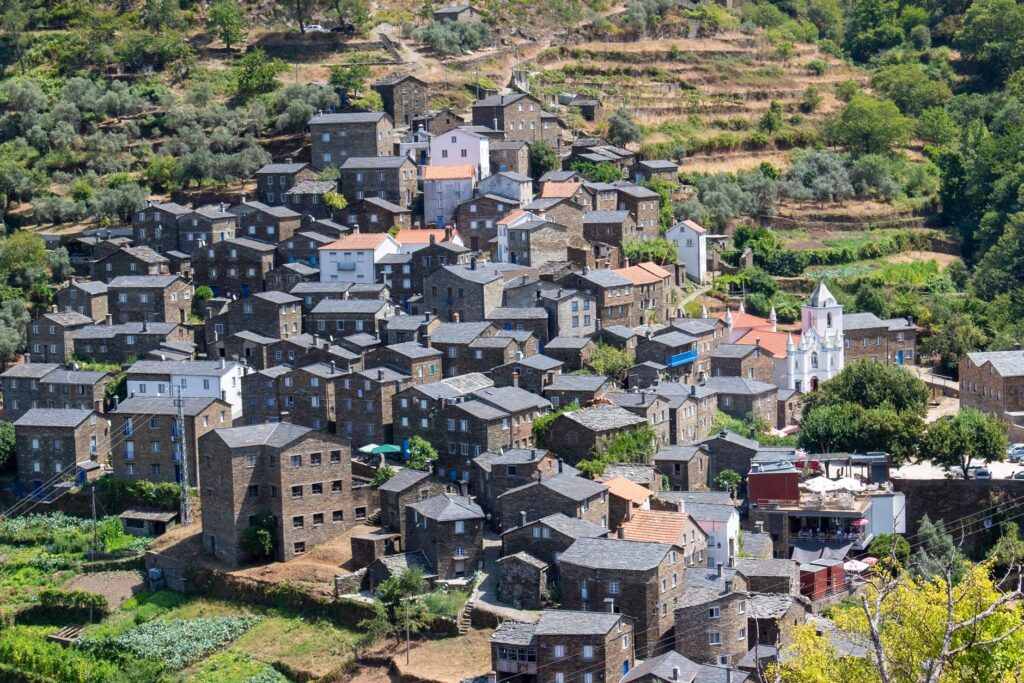
Walking the GR 10 is not merely an athletic challenge, but a journey through deeply rooted cultural identities that have successfully resisted geographical isolation. In the westernmost extreme, Basque culture permeates every farmhouse, every fronton, and every word spoken in Basque, an ancient language whose linguistic lineage continues to fascinate scholars. As the route progresses toward the center, the valleys of Béarn and Bigorre reveal an architecture of dark stone and sloping slate roofs designed to withstand the immense weight of heavy winter snow accumulations.
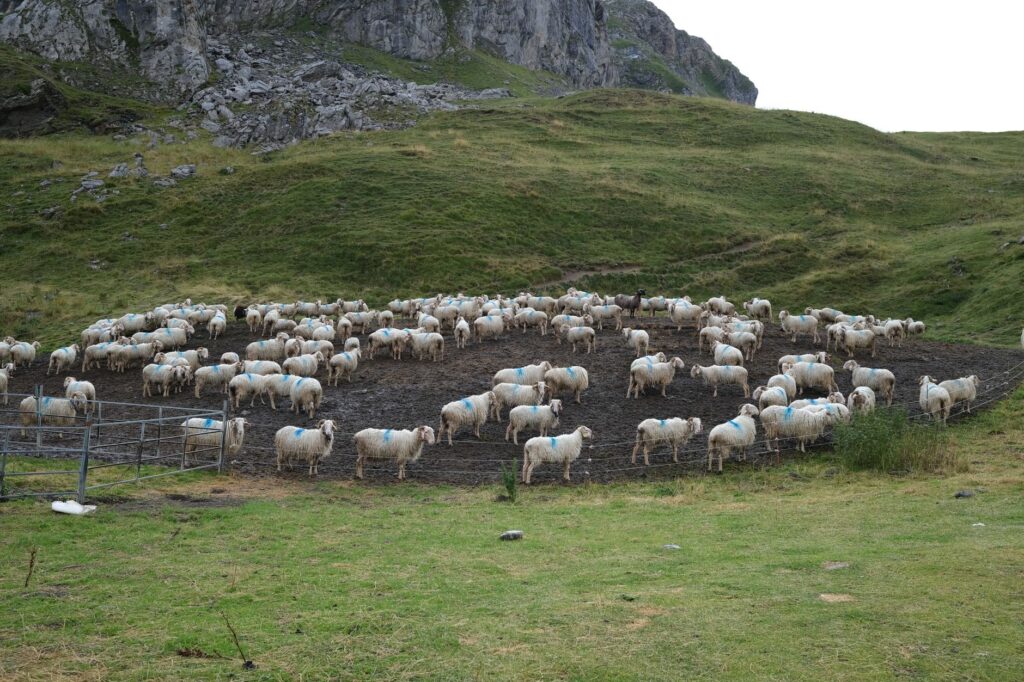
Transhumance remains a living element of the Pyrenean landscape. During the summer months, flocks of sheep and cattle ascend to high-altitude pastures guided by shepherds who continue to utilize ancient pathways. Crossing paths with a flock in a narrow pass requires stopping, yielding the right-of-way with patience, and allowing sheepdogs to perform their work without interference. Likewise, the traces of historical smuggling —a subsistence economic activity during the 19th and 20th centuries born from tariff and political differences between France and Spain— endure along secondary trails and dry-stone shelters known as shepherd cabins, silent witnesses to nocturnal escapes beneath fog and blizzards.
Endemic Fauna and Flora of the High Mountains
The relative isolation of the Pyrenees has allowed the preservation of plant and animal species found nowhere else on Earth. The slopes of the GR 10 shelter fascinating botanical endemics such as Ramonda myconi, a rupicolous plant with violet flowers capable of surviving prolonged periods of extreme desiccation in limestone rock fissures, or the iconic Saxifraga oppositifolia, which blooms in compact cushions defying the extreme temperatures of the peaks.
On the faunal front, the great success story of recent decades is the brown bear, successfully reintroduced into the central French valleys after teetering on the verge of local extinction. Although spotting them is exceedingly rare due to their elusive nature, signs of their presence —tracks in the mud, claw marks on Scots pine trunks, or droppings along trails— remind the trekker of shared territory with a large wild mammal. Easier to observe are the Pyrenean chamois, keeping watch from elevated rocky outcrops, marmots with their characteristic alarm whistles, and the majestic bearded vulture, a massive raptor whose diamond-shaped tail silhouette dominates the skies of the range.
Practical guide
- Best time for the traverse: From early July to mid-September. Outside this window, refuges remain closed, and the risk of avalanches and blizzards on high passes exceeds reasonable safety thresholds.
- Access to the starting point: Hendaye features a high-speed train (TGV) station connected to Paris and Bordeaux, alongside proximity to Biarritz Airport. The trailhead is marked near the Plage de la Corniche.
- Endpoint: Banyuls-sur-Mer, accessible via direct regional trains from Perpignan and Toulouse, allowing seamless logistical return without requiring private vehicles.
- Permits and regulations: Wild camping is strictly prohibited within numerous nature reserves and national parks. Bivouacking (pitching a tent at dusk and dismantling it at dawn) is permitted exclusively under specific regulations set by each protected zone.
- Recommended cartography: Official topographic maps from the French IGN (Institut National de l’Information Géographique et Forestière) at a 1:25,000 scale corresponding to the route sections.
- Communication and emergency: Mobile phone coverage is intermittent and scarce in deep valley bottoms. Carrying a satellite communication device or distress beacon (PLB) is mandatory, along with memorizing the European emergency number (112).
The end of the trail at Banyuls-sur-Mer, when exhausted boots finally touch the warm sand of the Mediterranean coast, marks not merely the conclusion of a colossal physical effort, but the beginning of an intimate transformation. The blisters, accumulated fatigue, and water scarcity experienced in the most arid passes dissolve before the immensity of the sea and the certainty of having walked in harmony with one of Europe’s wildest and most honest geographies. The Pyrenees grant no quarter to the incautious, yet reward those who tread them with due respect by offering a radically renewed perspective on time, silence, and human endurance itself.