Opening the Doors at Dawn in the Ancient Leonese City
When the morning mist still lingers lazily over the banks of the Bernesga River, the heavy metal doors of León’s Central Market begin to slide open with a resonant metallic echo that marks the daily rhythm of the city. This is no mere commercial transaction; it is a meticulous liturgy repeated punctually every single dawn. Beneath the iron and glass structures that evoke the industrial architecture of the early twentieth century, wooden tables are swiftly covered with colossal cuts of cured beef, strings of oak-smoked chorizos, and flour-dusted cheeses brought from the most secluded valleys of the province.
The gentle murmur of vendors and regulars anticipates the arrival of loyal buyers. Here, shopping is never impersonal; it is an exchange of ancestral wisdom where every product carries the surname of a family and the robust character of a land both harsh and generous in equal measure. The stalls proudly display the raw materials that have nourished generations of muleteers, pilgrims, and farmers alike, transforming this enclosure into the beating heart of Leonese food heritage.
The Architecture of Provision and the Memory of Materials
Strolling through the aisles of the market offers a direct reading of the region’s construction history. Ashlar stonework combined with modern wrought-iron profiles reflects a transitional era when traditional commerce demanded spacious, airy, and easily washable spaces to guarantee public health. Natural light pours generously through large clerestory windows, illuminating the white marble counters where fresh red meats and fish, delivered just hours earlier from the Asturian and Galician coasts, rest peacefully.

Every corner of this building exudes a patina of authenticity difficult to replicate in impersonal supermarkets. The hydraulic floor tiles, worn down by the relentless tread of thousands of soles over decades, act as silent witnesses to the social evolution of León. The display counters, some preserved since the building’s inauguration, bear notches and scratches that are, in reality, the scars of knives sharpened generation after generation to slice bacon, ham, and cured beef with millimeter precision.
The Invisible Territory: Pastures and Maragato Transhumance
To fully grasp the magnitude of the flavors concentrated in the market stalls, one must lift their gaze toward the horizon and journey into the nearby plateaus of Maragatería. This historic region, defined by granite stones and dark slate roofs, has traditionally served as a crossroads and cradle for muleteers who connected the Castilian plateau with northern maritime ports. Its gastronomy responds to a logic of survival, resilience, and the maximum utilization of available resources.
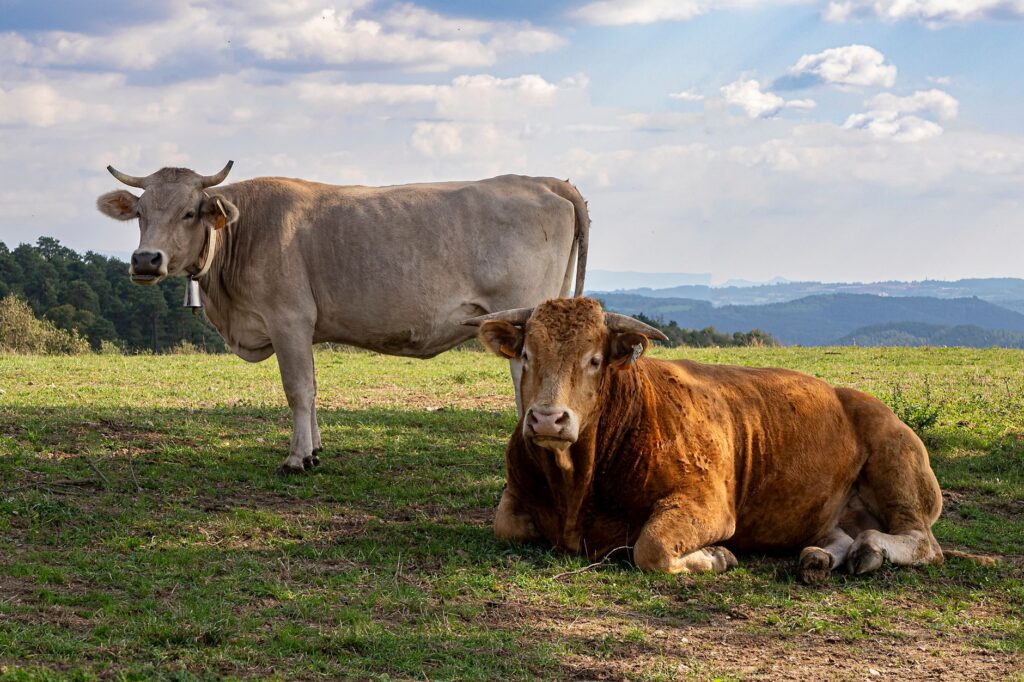
In these landscapes whipped by cold winds and rigorous winters, cattle and sheep find exceptional forage in high-altitude pastures, infusing the meat and milk with unique herbaceous notes. Transhumance, though now transformed into more stable practices, left an indelible mark on preservation methods. Oak smoking, prolonged curing in cellars with thick stone walls, and the generous use of sweet paprika and salt formed the pillars of a larder designed to endure over time without losing an ounce of its original intensity.
León Cured Beef and the Silent Art of Aging
If there is an undisputed ambassador inside the display cases of the Leonese market, it is undoubtedly the Cecina de León with Protected Geographical Indication. This delicacy, crafted exclusively from the hindquarters of mature cattle, requires a production process bordering on the devotional and artisan. The cuts undergo a rigorous cycle of salting, washing, settling, natural smoking, and finally, cellar curing that can extend for over twelve months under the strict control of the dry, cold plateau climate.
When sliced, the cured beef presents a characteristic dark red color that shifts toward cherry tones at the edges, marbled with intramuscular fat that melts effortlessly on the palate. Its flavor is deep, gently smoky, and possesses just the right touch of salinity without masking the intrinsic personality of the meat. Master artisans at the market insist that the best way to enjoy it is hand-sliced into paper-thin, nearly translucent sheets, accompanied simply by a few drops of extra virgin olive oil and no unnecessary garnishes.
Maragato Stew: The Inverted Liturgy of the Pot
While the market bustles with activity, traditional kitchens in Astorga and the Maragato villages prepare one of the most singular gastronomic rituals on the Iberian Peninsula: the Maragato stew. Its most famous hallmark is the inverted order of its courses, unusually starting with the meats, followed by chickpeas accompanied by their vegetables, and culminating with the soup. This tradition originated, according to popular lore, from the muleteers’ need to eat quickly and heartily before resuming their journey with heavy carts.
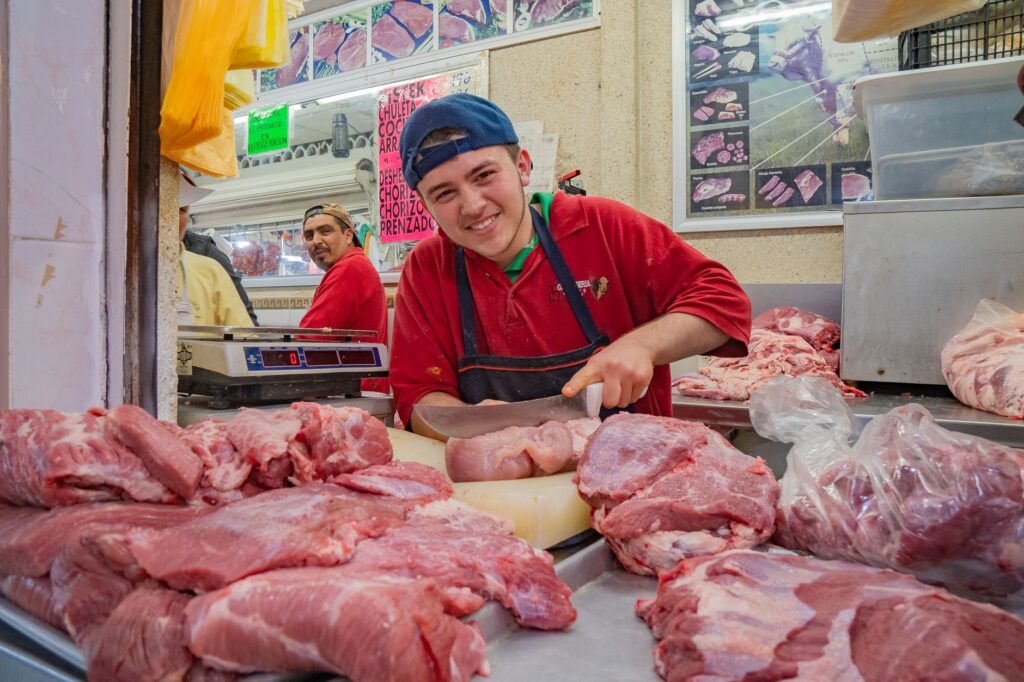
In specialized market stalls, it is possible to acquire every single essential component of this feast: the characteristic *pico de pardal* chickpeas—small, crunchy, and fine-skinned—alongside cured pork meats, Leonese chorizo, pig’s ear, snout, and veal shank. Each ingredient undergoes rigorous traceability, ensuring that the final pot preserves the rustic and honest flavors that have defined the culinary identity of the area for centuries.
Flour-Crusted Cheeses and Valley Harvests
Alongside cured meats, dairy products occupy a place of honor on the market’s counters. Leonese cheese, pressed-curd and traditionally made with raw cow’s milk or a blend with sheep and goat milk, stands out for its peculiar external appearance. The custom of rubbing the rind with flour and oil during maturation creates a natural barrier protecting the interior, allowing the cheese to evolve with intense lactic notes, a slightly acidic touch, and a rustic undertone reminiscent of the damp pastures of Leonese valleys.
Additionally, the offering is completed by produce from the river gardens running parallel to the Órbigo and Esla riverbeds. Roasted peppers with an unmistakable aroma, slender leeks, and pulses bearing Denomination of Origin complete a catalog of local flavors proving how the Leonese landscape translates seamlessly onto the plate through a network of local producers committed to excellence and environmental sustainability.
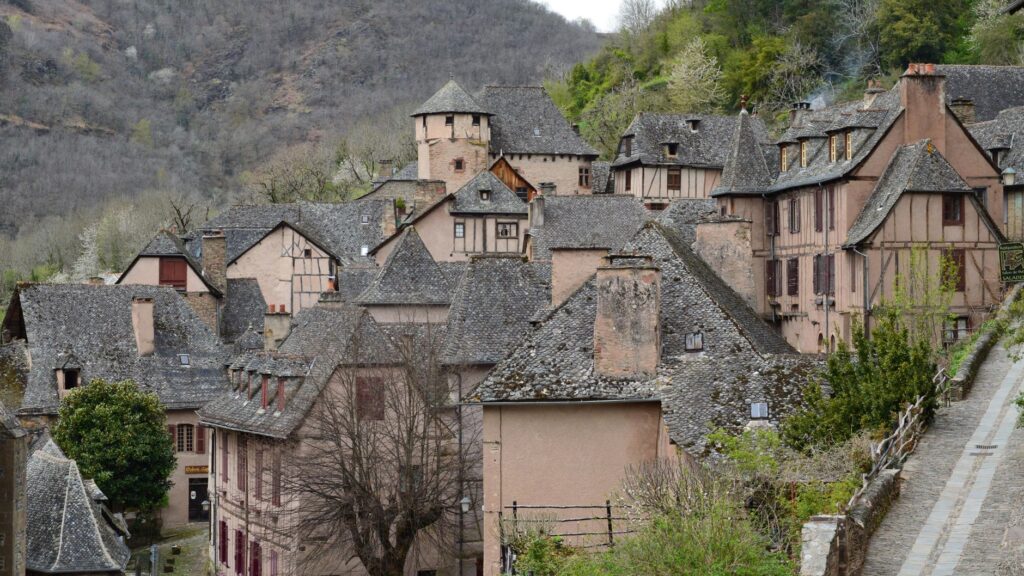
The market is not merely a place where food is exchanged, but a mirror in which a community recognizes itself, preserving in every gesture the pride of an unbreakable gastronomic heritage.
Practical guide
How to get there: León Central Market is located in the heart of the urban center, easily accessible on foot from the cathedral and the Plaza Mayor. León railway station offers daily high-speed connections with Madrid and other major Spanish capitals.
Visiting hours: The facilities are open Monday through Saturday during morning hours, typically from 8:00 AM to 2:30 PM. Visiting during the early morning hours is highly recommended to experience the atmosphere at its most authentic and find the freshest produce.
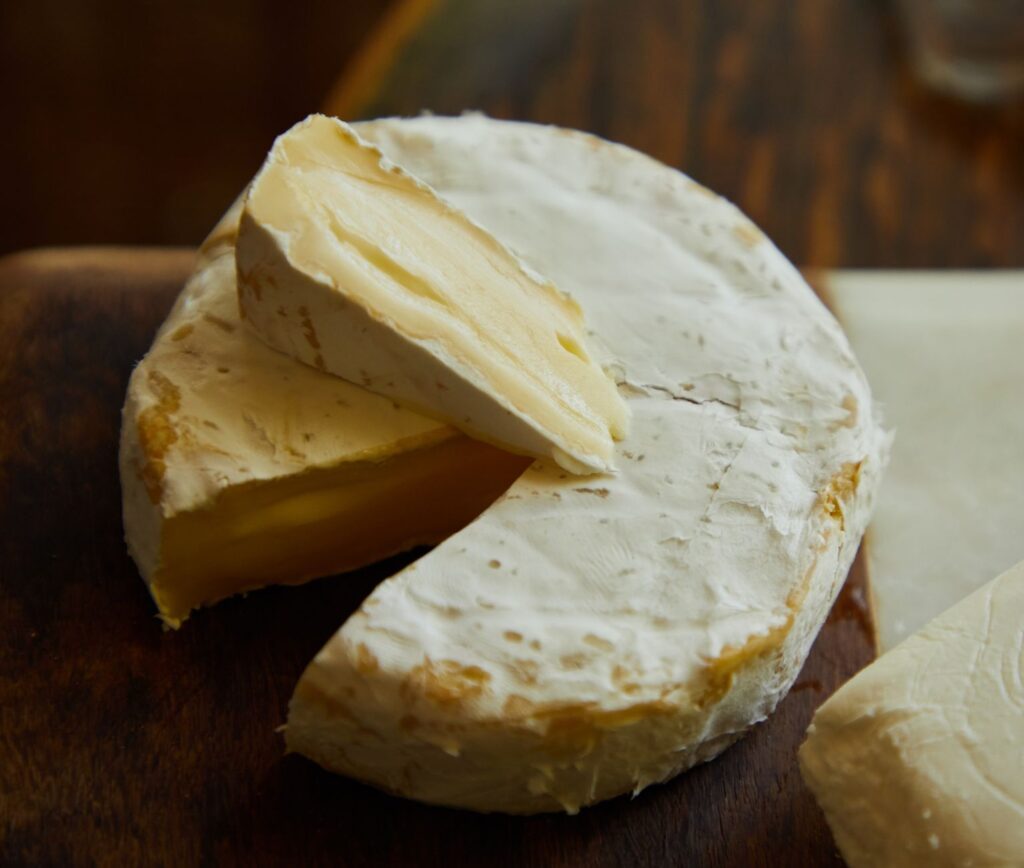
Essential products: Cecina de León IGP, air-dried stewing chorizos, cured Valdeón or Valle de León cheeses, and native legumes such as *pico de pardal* chickpeas.
Recommended excursions: Combine the urban visit with a day trip to Astorga and the Maragato villages such as Castrillo de los Polvazares to taste authentic Maragato stew in traditional dining houses.
The Refuge of Embers and Family Memory
When the afternoon light softens into golden hues over the rooftops of the old city and the market bustle gives way to calm, Leonese families gather around tables where time seems to stand still. In these homes, the warmth of a charcoal stove or the gentle sizzle of an iron skillet remind us that the gastronomy of these lands is, above all, an act of love and collective resilience. As one savors a final slice of cured beef or shares a piece of crusty loaf bread with aged cheese, it becomes clear that the true secret of León lies not only in the exceptional quality of its produce, but in the unwavering will of its people to keep alive the flame of an ancient culture savored straight from the soul.