
Introduction to the Heights of Vanoise
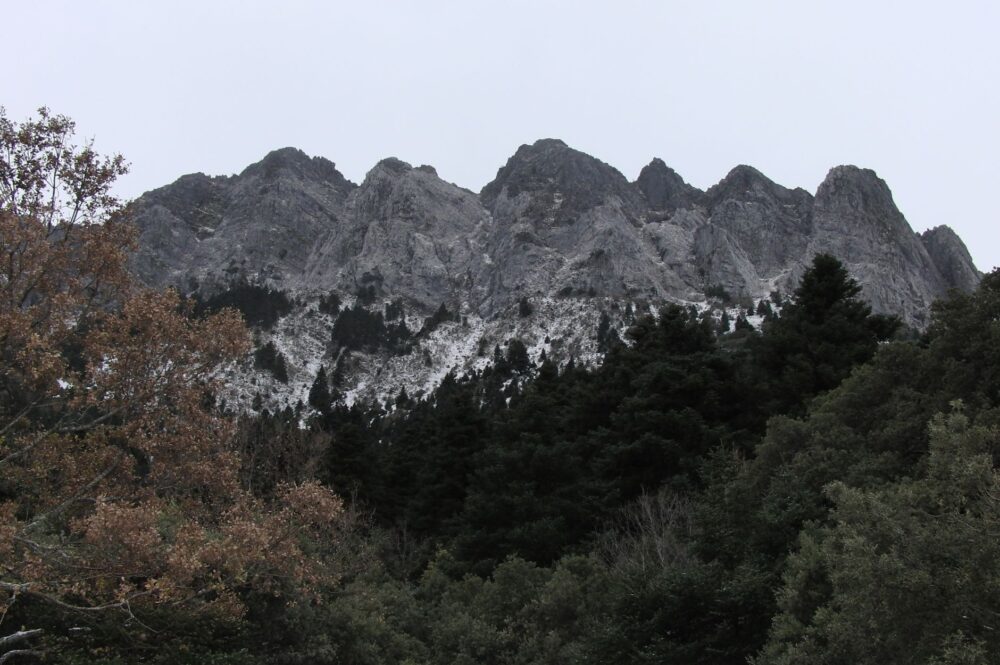
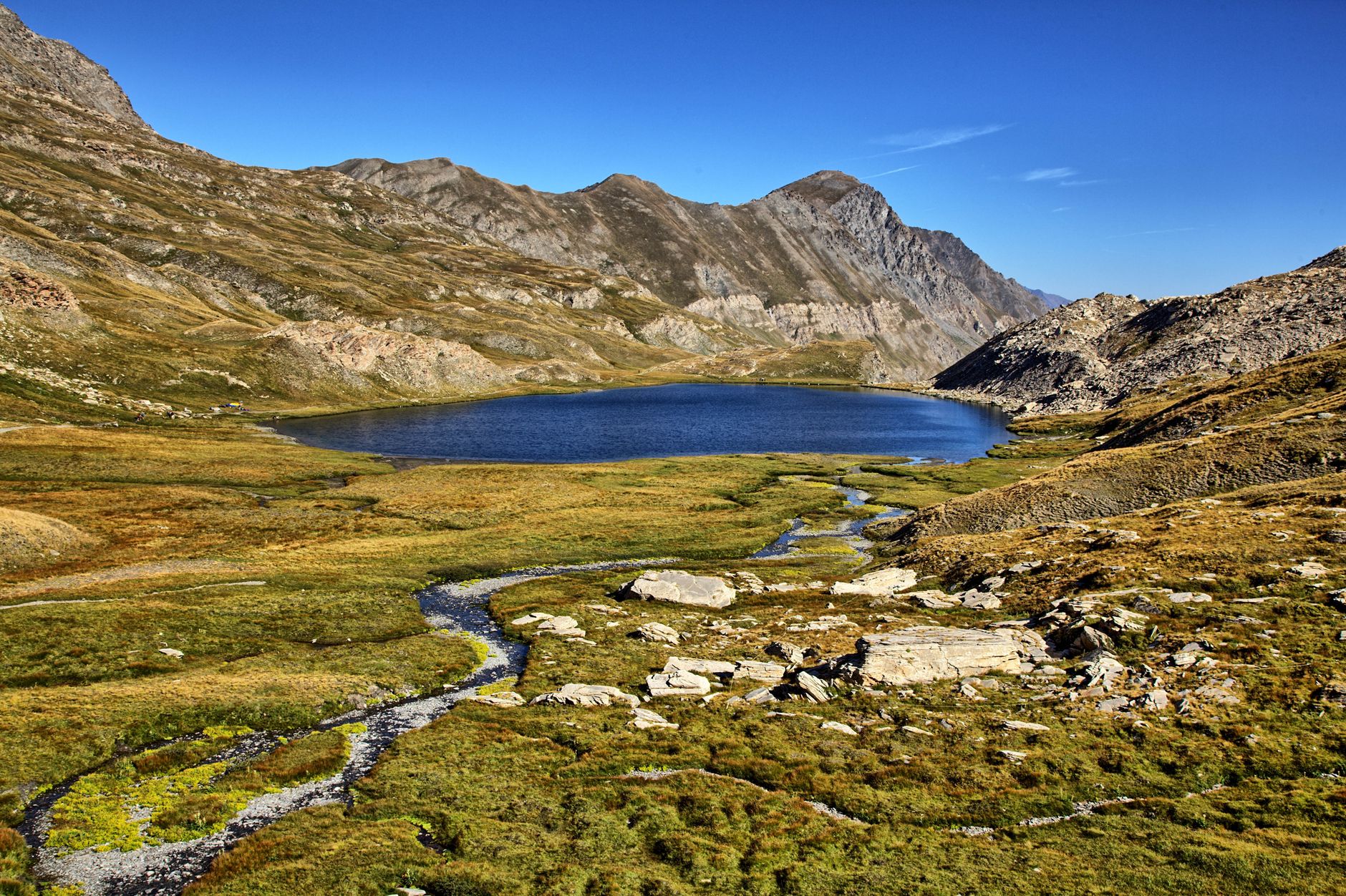
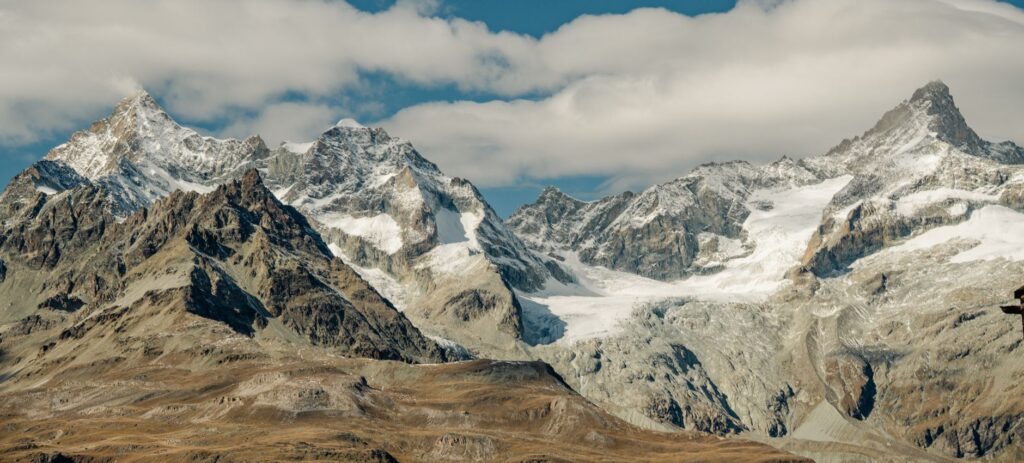
In the heart of the French Alps, where rocky peaks defy the sky and ancient glaciers trace the natural border with Italy, a microscopic and silent world exists that sustains the ecological balance of the entire river basin. The high-altitude peatlands of Vanoise National Park are not merely wet geographical anomalies; they are authentic climatic archives that have accumulated organic matter, pollen, and sediments since the last glacial retreat. At over two thousand meters above sea level, these fragile ecosystems function as natural sponges capable of regulating the hydrological cycle, mitigating flash floods, and storing large amounts of atmospheric carbon. However, sustained temperature increases in alpine regions are drastically altering the delicate hydrological balance that allows these unique plant communities to survive.
While mass tourism chases snowy ridges and mechanized ski resorts expand their infrastructure in the lower valleys, scientists and rangers in Vanoise turn their gaze toward the soil. Studying an alpine peatland requires patience and methodological rigor. Each layer of sphagnum moss buried in the mud holds valuable information about the climatic history of the European continent over the past ten thousand years. The question guiding current research in this protected territory is no longer just how to mitigate direct human impact, but how to build resilience in an ecosystem adapted to extreme cold in a scenario where springs arrive earlier and summers become increasingly arid.
Glacial Geology and the Origin of Suspended Wetlands
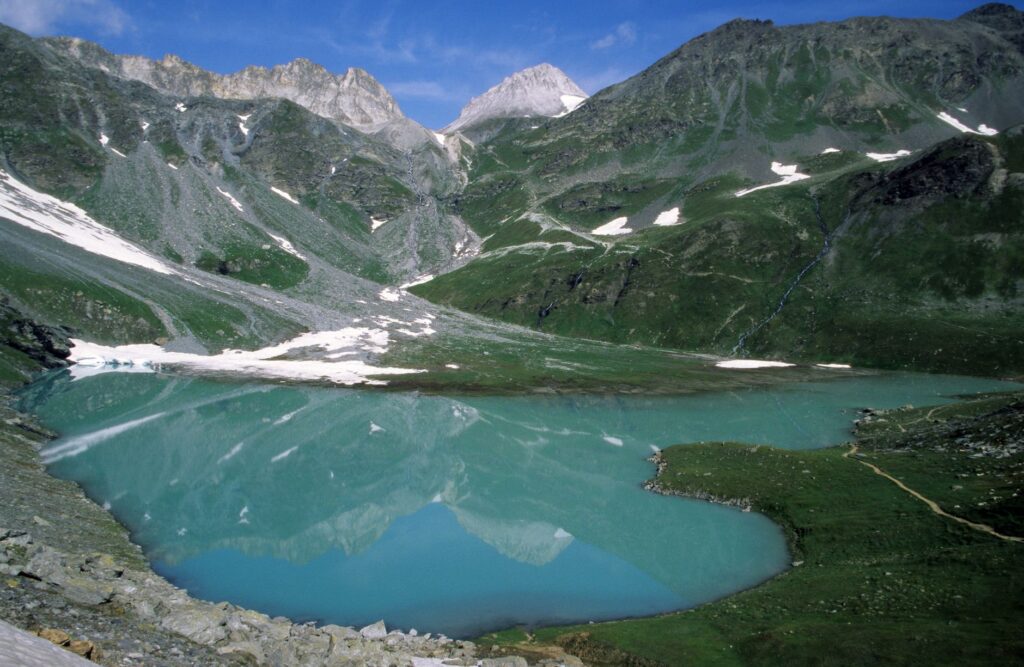
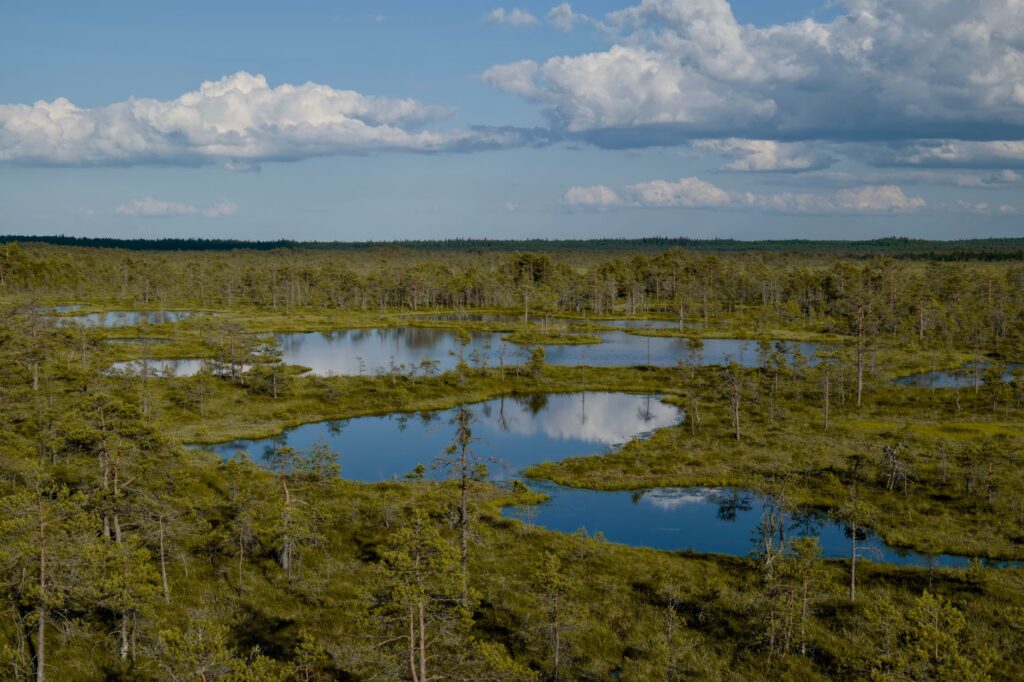
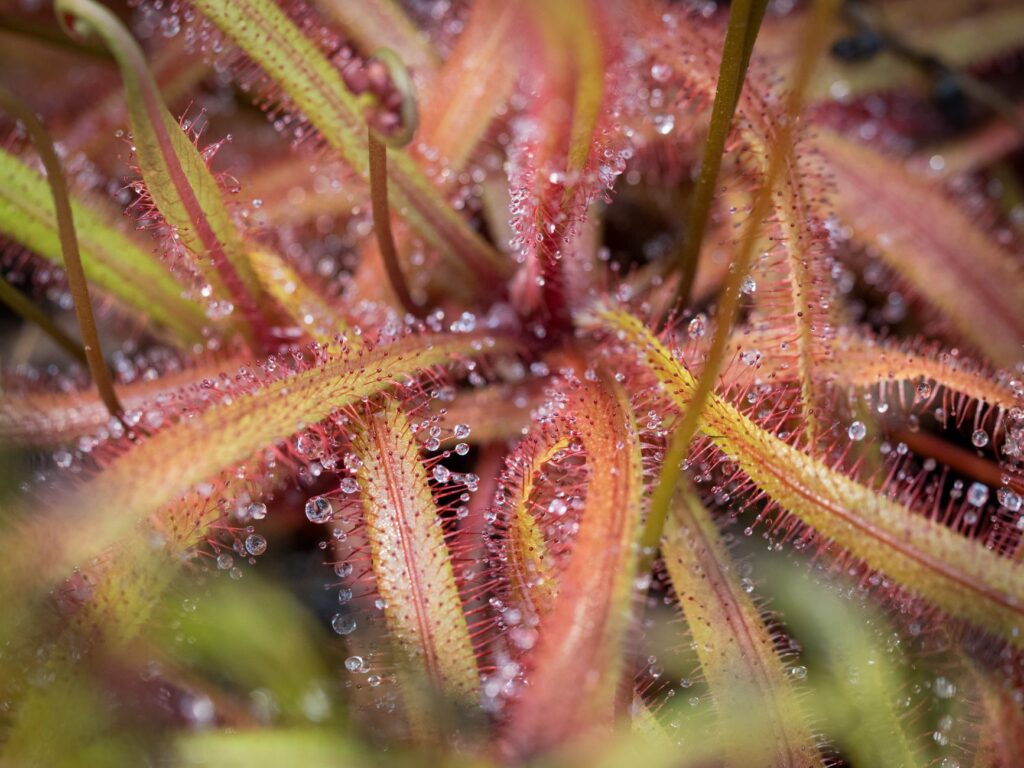
To understand the genesis of the Vanoise peatlands, it is necessary to go back to the Pleistocene, when gigantic ice tongues carved U-shaped valleys and left behind impermeable depressions molded by morainic abrasion. When the glaciers retreated for the last time, they left basins devoid of rapid drainage where rainwater and spring snowmelt became trapped. On these cold, clayey beds, highly specialized vegetation began to develop, dominated by bryophytes of the genus Sphagnum, carnivorous plants like sundews, and various species of sedges adapted to soils permanently saturated with water and low in oxygen.
This anoxic environment prevents the normal bacterial decomposition of plant remains, leading to the progressive accumulation of peat at an extremely slow rate, estimated at barely one millimeter per year. The formation of this spongy substrate is a millennial process that is almost impossible to regenerate once disturbed. Geologists and hydrologists working in the massif constantly analyze the porosity and hydraulic conductivity of these formations. Any alteration in surface runoff, caused by erosion or the opening of old grazing tracks, can trigger the accelerated drainage of the peatland, transforming a net carbon sink into an emitter of greenhouse gases into the atmosphere.
Extreme Botany: Adaptation and Resistance in the Alpine Belt
The flora populating the Vanoise peatlands represents a true marvel of alpine plant evolution. Plants inhabiting this environment must endure severe weather conditions, characterized by long freezing winters, intense ultraviolet radiation during summer months, and extreme soil acidity that drastically limits the availability of nutrients such as nitrogen and phosphorus. To survive, species like *Androsace alpina* or *Pinguicula alpina* have developed unique metabolic strategies, including capturing insects to supplement their nutritional diet or cellular mechanisms that prevent water crystallization inside their tissues during nocturnal frosts.
Park scientists conduct periodic botanical inventories to monitor the evolution of these populations. In recent years, a phenomenon known as thermophilization has been documented: plant species from lower bioclimatic belts are ascending in altitude, colonizing the margins of the peatlands, and competing for light and space with the post-glacial relict species. This displacement alters traditional floristic composition and threatens to push out the massif’s most vulnerable endemics. The loss of plant biodiversity in these wetlands not only impoverishes the natural heritage of the Alps, but also reduces the ecosystem’s capacity to respond to external disturbances.
The alpine peatland is the most faithful archive the mountain possesses; in every layer of fossilized moss, Europe’s climatic memory can be read.
Rigorous tracking of these botanical dynamics allows conservationists to identify which areas require the most urgent intervention. Through permanent sampling plots and population genetic analysis techniques, researchers evaluate vegetation resilience against summer water stress. Data confirm that areas with higher coverage of living sphagnum moss resist prolonged droughts better, underscoring the vital importance of maintaining the physical integrity of the wetland’s surface layer against uncontrolled trampling by livestock or visitors.
The Invisible Fauna: Invertebrates and High-Altitude Birds
Although peatlands may seem at first glance to be silent landscapes devoid of visible fauna, they harbor a specialized community of invertebrates, amphibians, and birds that strictly depend on these habitats to complete their life cycles. Among the most unique inhabitants are various species of dragonflies and aquatic beetles that can only develop in cold, oligotrophic waters. Likewise, amphibians such as the common frog use the temporary ponds formed in peat depressions for spawning, taking advantage of the absence of predatory fish.
In the vicinity of these wetlands, characteristic high-mountain birds like the ptarmigan or the alpine accentor find key feeding areas during the breeding season, where insects associated with plant moisture constitute an irreplaceable source of protein for chicks. Ornithologists collaborating with Vanoise National Park point out that the reproductive success of these species is closely tied to the availability of functional wetlands. Summer desiccation of ponds drastically reduces available insect biomass, directly impacting survival rates in alpine birds.
Fauna management in these protected areas requires an integrative approach that contemplates both the direct conservation of threatened species and the restoration of their foraging habitats. Environmental education programs implemented in surrounding local communities seek to raise awareness about the importance of staying on marked trails, thereby avoiding the disturbance of nesting areas located near fragile high-altitude wetlands.
The Impact of Climate Change and Anthropogenic Pressure
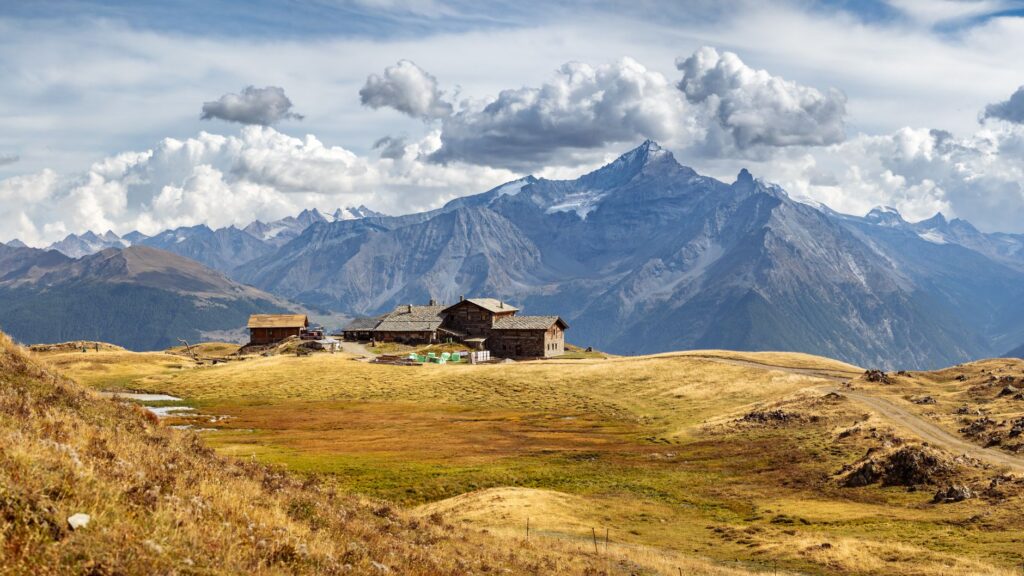
The Vanoise massif experiences a thermal increase superior to the global planetary average, a trend manifested with particular harshness in high-mountain ecosystems. The retreat of permanent snow patches and the reduction of the period with continuous snow cover are modifying the hydrological regime of the peatlands. During summer, the scarcity of precipitation in the form of accumulated snow causes a drastic drop in water tables, drying out the upper peat horizons and exposing organic matter to atmospheric oxygen. This process accelerates the mineralization of stored carbon, releasing large amounts of carbon dioxide into the atmosphere and turning historical sinks into emission hotspots.
Added to this climatic factor is the pressure derived from summer recreational activities. Long-distance hiking and the rise of mountain biking on high-altitude tracks sometimes generate severe erosion phenomena and soil compaction in passes adjacent to the peatlands. When runoff water encounters poorly compacted paths, it opens deep trenches that act as artificial drains, gradually drying out neighboring wetlands. The restoration of these drainage channels using timber and dry-stone dams is one of the technical team’s priority conservation actions.
Protecting water in the peaks is the only way to guarantee life in the valleys when alpine ice has completely disappeared.
Park authorities closely collaborate with local farmers to regulate sheep and cattle grazing loads in mountain passes, avoiding intensive grazing in wetter areas where the clayey soil is extremely vulnerable to continuous trampling. These participatory management measures demonstrate that the conservation of alpine biodiversity must not be understood as an absolute veto on traditional land use, but as an exercise in compatibility based on scientific evidence and mutual respect among social agents.
Practical guide
Planning a respectful visit to Vanoise National Park requires understanding current conservation regulations and adopting a low environmental impact attitude. Main access to the territory is typically achieved from valleys like Maurienne or Tarentaise, using seasonal public transport networks connecting urban centers with the main gateways to the protected area.
- Recommended season: The period between July and September offers the best weather conditions and allows access to high-altitude trails without risks derived from late snow patches or unexpected summer storms.
- Camping regulations: Free camping is strictly prohibited throughout the perimeter of the National Park. Only the use of guarded mountain refuges and bivouac overnight stays in the immediate vicinity of specific refuges is permitted under strict regulations.
- Respect for fauna and flora: Collecting plant, mineral, or fossil samples is prohibited, as is stepping outside marked trail boundaries to avoid eroding delicate hygrophilous habitats.
- Essential equipment: Sturdy mountain footwear with high-grip soles, technical layered clothing to cope with sudden temperature drops, and adequate systems for managing and carrying out personal waste are indispensable.
Final Reflection Beneath the Peaks
Walking along the edge of a peatland in the Vanoise massif as the sun begins to set behind limestone ridges invites deep introspection about our relationship with time and nature. In a fast-paced world demanding immediate answers and quantifiable results, these wetlands suspended in the alpine sky remind us of the slowness of geological processes and the extreme vulnerability of the systems sustaining life on Earth. Every blade of moss, every drop of water slowly filtered through millennial layers of peat, constitutes a silent reminder that the true wealth of the mountain does not lie in its conquered summits, but in the invisible health of its humblest corners. Preserving this natural heritage is, ultimately, an act of responsibility toward future generations who will inherit the planet’s climatic pulse.