Introduction to the great Patagonian amphitheater
Torres del Paine National Park, located in the southernmost region of Magallanes and Chilean Patagonia, represents one of the most challenging and imposing geological sanctuaries on the planet. With its iconic silhouette of granitic spires sculpted by glacial erosion and relentless wind, this territory demands from the trekker a precise combination of physical preparation, meteorological literacy, and absolute respect for natural cycles. The traverse known as the W Circuit—named after the shape the trail traces when connecting the main valleys—is not a simple summer stroll, but a medium-distance expedition that meanders between intense turquoise lakes, unstable moraines, and colossal glacial fronts emptying into freezing water.
Tackling this route requires understanding that Patagonia does not conform to the conventional weather patterns of the northern hemisphere. Here, the four seasons can condense into a single day, where calm morning hours give way to hurricane-force katabatic winds capable of destabilizing even the most experienced hiker. This technical and narrative report examines every logistical, geographical, and human variable necessary to successfully complete the traverse, offering a rigorous perspective on the terrain, refuges, waste management, and essential clothing required to venture into the ultimate continental frontier.
The geography of wind and granite
To understand the magnitude of Torres del Paine, one must look toward the Paine Cordillera, an isolated massif that rises abruptly from the Patagonian steppe to reach three thousand meters in altitude at its main summits. This topographical isolation generates a unique microclimate dominated by westerly winds, known as the roaring forties, which unload their moisture as rain or snow against the Southern Patagonian Ice Field before crossing eastward. The W Circuit trail runs precisely within the transition strip between the Pampa and the Patagonian Andes, offering a radical visual contrast.
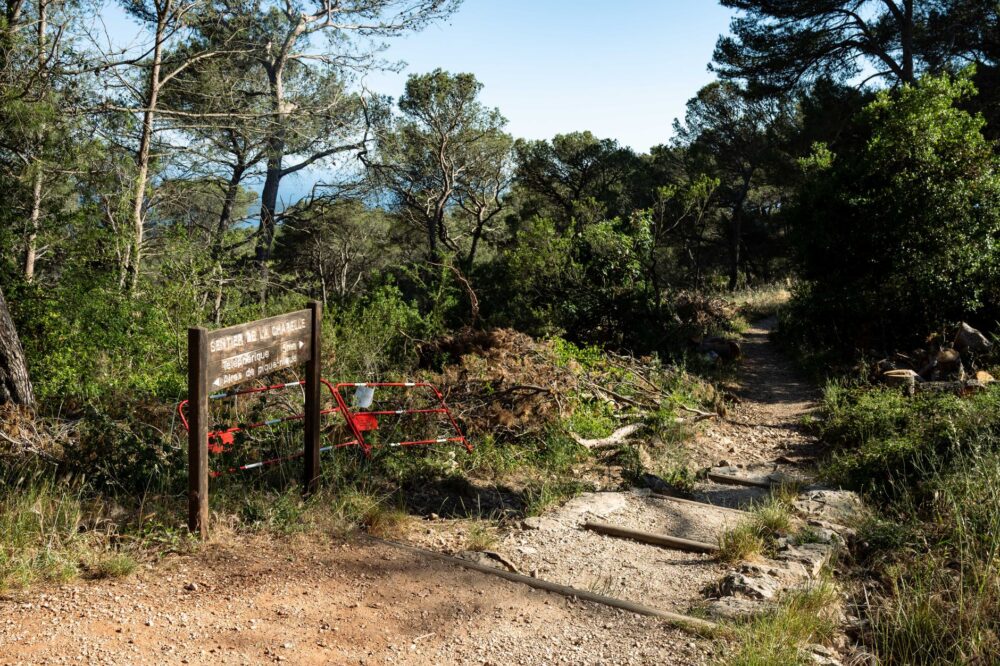
The trail winds for approximately eighty kilometers, depending on variants and detours to viewpoints. It typically begins in the Las Torres Hosteria area or at the Pudeto sector, allowing the hiker to progressively penetrate the Ascencio Valley, the French Valley, and the Grey Glacier Valley. Each of these valleys functions as a natural amphitheater where human scale vanishes before vertical granite walls and hanging seracs that calve with roars audible miles away.

Lake formation and the austral chromatic palette
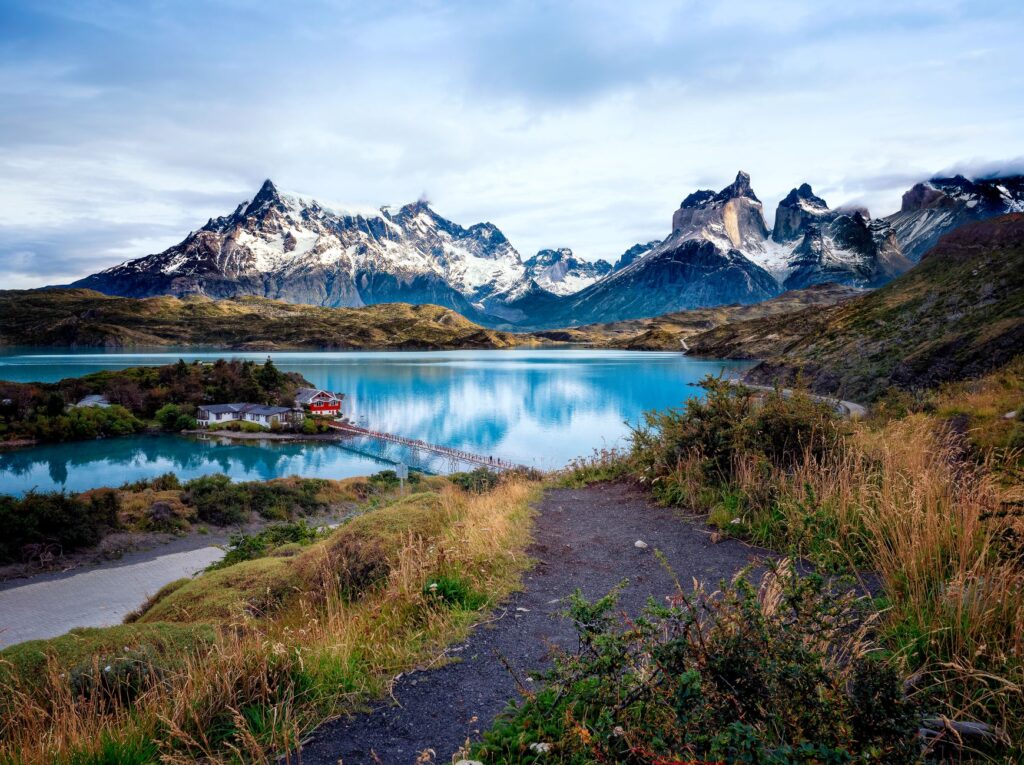
One of the most fascinating aspects of the park’s geography is the coloration of its water bodies. Lake Nordenskjöld, Lake Pehoé, and Lake Grey exhibit hues ranging from intense emerald green to milky blue. This phenomenon is caused by glacial flour: an extremely fine sediment resulting from the friction between moving ice and the bedrock. When meltwater rivers feed the lakes, these microscopic suspended particles refract sunlight, generating the characteristic turquoise tone that defines the visual aesthetic of Chilean Patagonia.
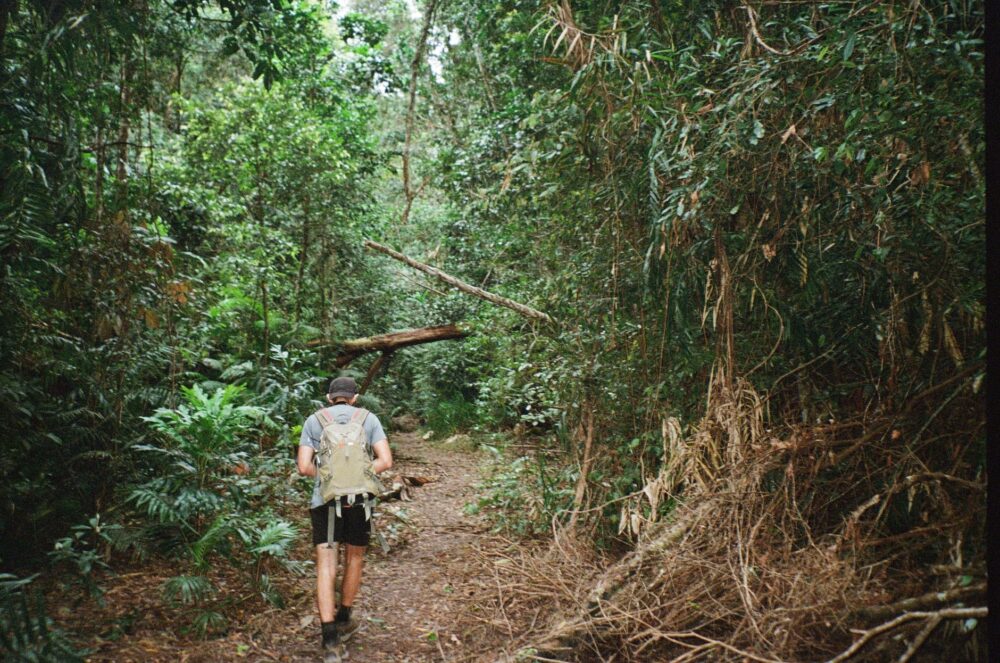
Managing physical effort across this undulating terrain relies heavily on the correct reading of contour lines. Although the cumulative elevation gain does not reach Himalayan or major Alpine standards, the uneven surface—composed of exposed roots, loose scree, and smooth rock slabs—demands constant attention. A misstep near the British Camp can result in a ligament injury that compromises the entire expedition, recalling that self-sufficiency is the unwritten rule of southern trails.
The Patagonian mountain does not negotiate with haste; it imposes its own rhythm through the wind and demands that every hiker be the absolute custodian of their own safety.
Access logistics and southern connectivity
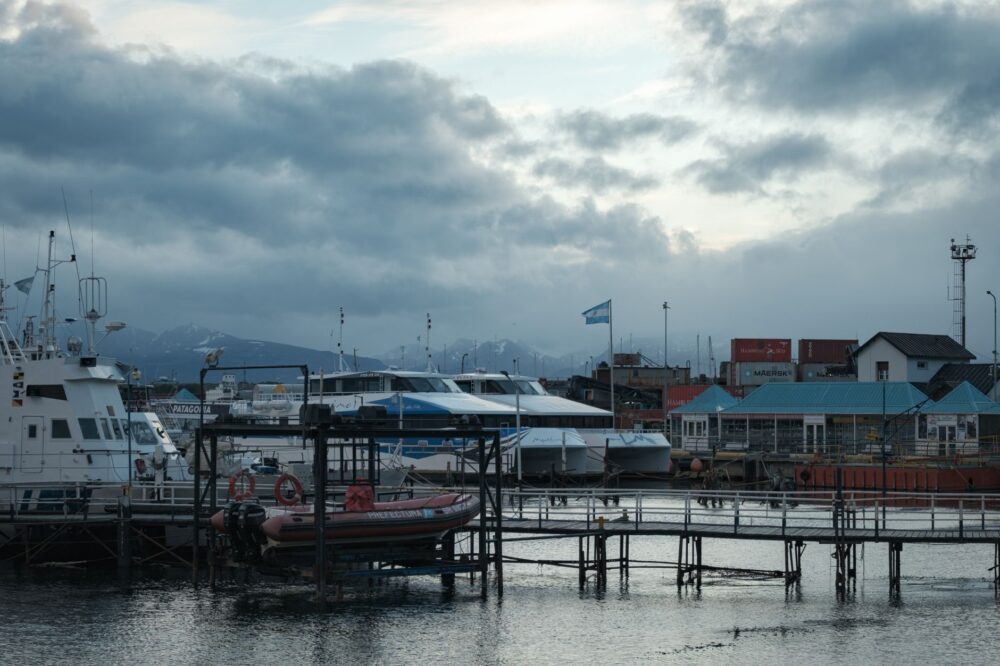
Planning an expedition to Torres del Paine begins long before lacing up boots, specifically in coordinating the land and maritime transport linking Punta Arenas or Puerto Natales with the park’s entry gates. Puerto Natales operates as the ultimate logistical base camp, a port city where mountaineers stock up on technical stove fuel, freeze-dried food, and satellite communication equipment. From there, scheduled buses run daily trips to the Laguna Amarga Porter and the Park Administration.
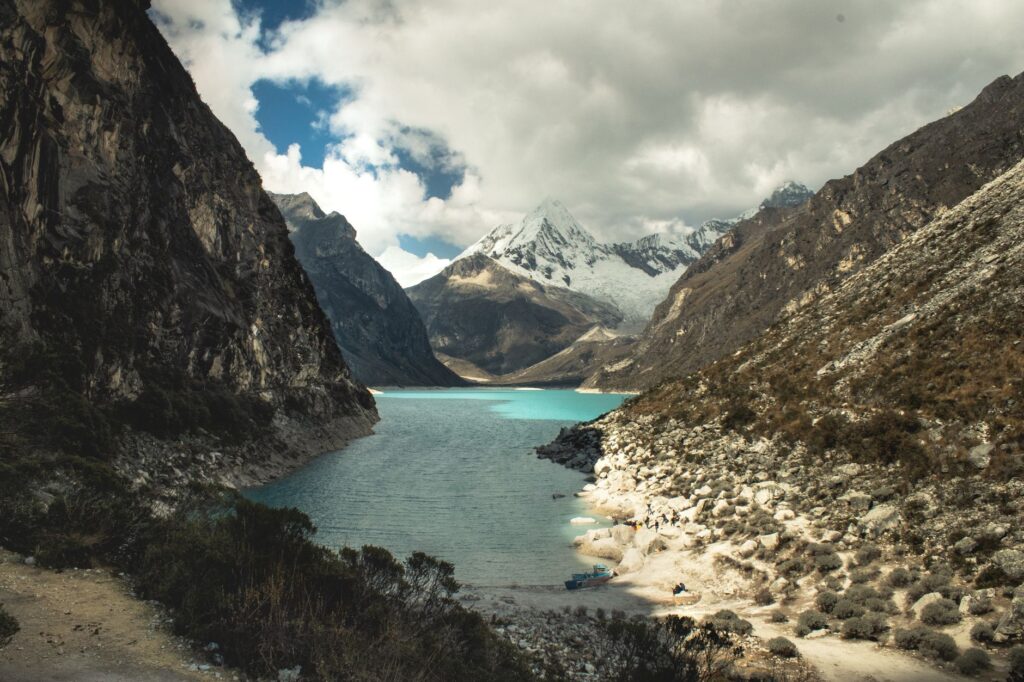
Once inside the protected area, logistics diversify through the use of catamarans crossing Lake Pehoé between Pudeto and Paine Grande Refuge. This lake stretch is not only an efficient means of transport but one of the most striking visual perspectives of the massif, allowing travelers to observe the Paine Horns reflected on the water’s surface when wind conditions permit. Booking these segments months in advance is essential, as high summer demand saturates vessel capacity and bus services.
The refuge network and controlled camping
Accommodation along the W is split between private refuges (such as Fantasioso Sur) and free or regulated campsites managed by the National Forestry Corporation (CONAF). Refuges offer shared bunk beds, hot showers, and meal services, allowing hikers to significantly lighten backpack weight by omitting tents, high-mountain sleeping bags, and cooking gear. However, this comfort carries a high economic cost and requires booking up to a year in advance due to strict visitor quotas imposed to protect the fragile ecosystem.
Conversely, CONAF campsites (such as Serón, Italiano, Paine Grande, and Grey) require expedition members to carry their own camping gear. Environmental regulations are strict: open fires are strictly prohibited outside authorized areas—a vital measure following devastating past forest fires—and solid waste must be packed out of the park. Personal trash management thus becomes an exercise in mountaineering ethics that every traveler must undertake without exception.
The French Valley and the heart of the massif
The ascent toward the French Valley constitutes the focal point and technically most demanding section of the central circuit. Starting from Italiano Camp, the trail climbs the glacial moraine flanked by Mount Paine Grande and the imposing rock formations known as the Sword, the Blade, and the Shark’s Fin. Along this stretch, the sound of the wind merges with the constant roar of snow and ice avalanches plunging from hanging glaciers situated on the slopes of the main summits.

Upon reaching the British Lookout, situated in the upper amphitheater of the valley, the panorama opens to a one-hundred-and-eighty-degree angle. Vertical granite walls rise like stone cathedrals illuminated by changing light that highlights quartz veins and dark intrusive rock. This is the territory where technical alpinists begin their approaches to attempt coveted and extremely difficult ascents to the Main Towers and the North Tower, utilizing advanced rock-climbing techniques under extreme weather conditions.
Fauna adapted to wind and cold
As one ascends through the valleys, native fauna reveals its capacity to adapt to one of the continent’s most hostile environments. The guanaco, wild relative of the llama, roams the lower steppe zones and hillside slopes, tolerating freezing winds thanks to its thick coat. At higher elevations and within deciduous beech forests of ñire and lenga, spotting the huemul—the endangered native Andean deer—is possible, its presence in the park subject to rigorous scientific monitoring programs by park rangers.
Birds also occupy a prominent space in the skies of the traverse. The Andean condor, with its impressive wingspan, utilizes ascending thermal currents generated along the massif’s slopes to glide effortlessly over hikers’ heads. Likewise, the Magellanic woodpecker and the variable hawk find suitable nesting habitats in the stunted forests. Observing these species in their natural environment reminds travelers that the park is not merely a recreational stage, but an ecological corridor of incalculable value for southern biodiversity.
The Grey Glacier and the immensity of ice
The western sector of the W Circuit is dominated by the imposing presence of the Grey Glacier, a massive ice tongue forming part of the Southern Patagonian Ice Field, the third-largest freshwater reserve on the planet. After clearing the pass descending from the French Valley, the trail enters wind-lashed forests where the whitewashed trunks of dead trees—silent witnesses of past fires—contrast with the intense green of the fern and moss understory.
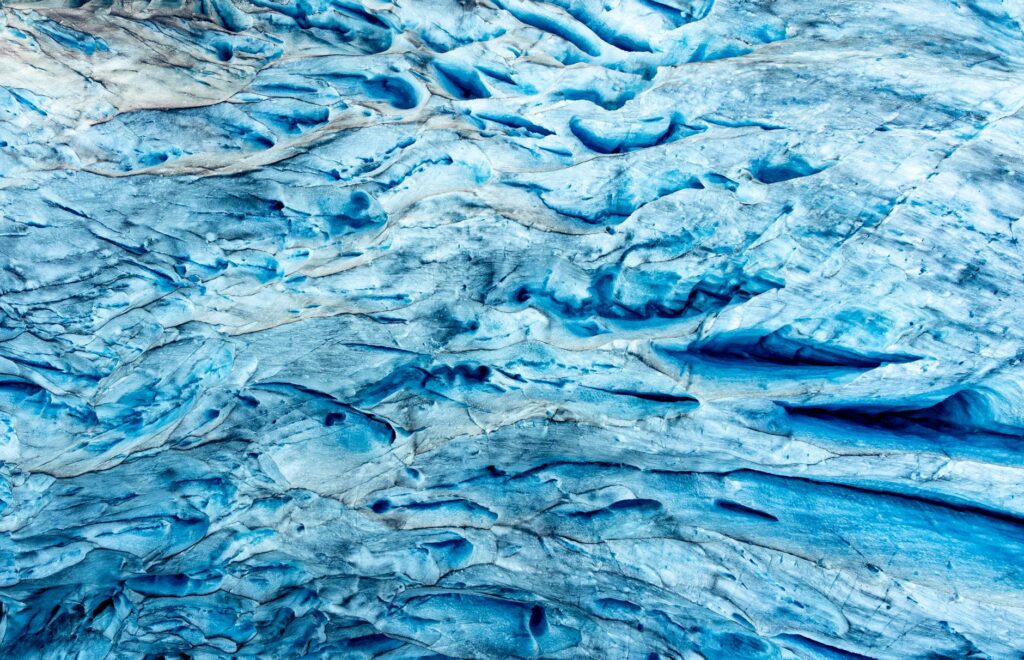
Viewpoints overlooking Lake Grey offer a desolate yet stunning perspective of the glacial front. Icebergs of whimsical shapes and intense blue colors drift in the dark waters of the lake, slowly pushed by the wind toward the southern outlet. For expeditioners hiring specialized services, crampon walks directly on the glacier’s surface are available, exploring crevasses, moulins, and subterranean rivers of pure water winding among ancient ice sculptures.
The ancient ice of the Grey preserves the atmospheric memory of past eras within its air bubbles, offering tangible testimony to our planet’s climatic history.
Practical guide
Planning an autonomous and safe traverse along the W Circuit in Torres del Paine requires mastering essential operational data and rigorous field guidelines.
Best time for the expedition
The official trekking season runs from early November to late March (southern spring and summer). During these months, daylight hours are maximized (up to sixteen hours in mid-December) and average temperatures range between 10°C and 20°C, though wind can easily exceed 100 kilometers per hour at any time.
Mandatory permits and bookings
Acquiring park entrance tickets through the official CONAF platform prior to arrival is compulsory. Likewise, all overnight stays in refuges or campsites must be booked and paid for in advance. Without proof of reservation, park rangers will deny access to trunk trails.
Recommended technical equipment and clothing
The layering system is non-negotiable: breathable merino or synthetic base layer, insulating mid-layer (fleece or lightweight down), and a technical waterproof, windproof outer shell (GORE-TEX or equivalent). Broken-in high-cut trekking boots, telescopic poles with winter baskets, gaiters, windproof beanie, waterproof gloves, and sunglasses with high UV protection are mandatory.
Connectivity and safety
Mobile phone coverage is virtually non-existent throughout the park, except near certain lodges. Carrying a satellite communication device (such as a Garmin inReach) for emergencies and updated weather reports is highly recommended. CONAF rescue services and Chilean police (Carabineros) operate within the park, but medical evacuation from remote areas can take hours due to adverse weather.
The austral silence at the edge of the world
Completing the final stretch of the circuit, when the granite towers finally remain behind us and the bus begins its return toward Puerto Natales across the open steppe, the mind processes the intensity of an experience transcending mere physical exercise. Torres del Paine offers more than postal views of wild nature; it imposes a reflective pause on the fragility of southern ecosystems and the resilience of life at the edge of the planet. The Patagonian wind, experienced initially as an unrelenting obstacle, ultimately becomes the soundtrack of an internal journey where the trekker, stripped of the superfluous, grasps the true dimension of their passage through the earth.