
Introduction to the Marine Labyrinth of the Panamanian Pacific
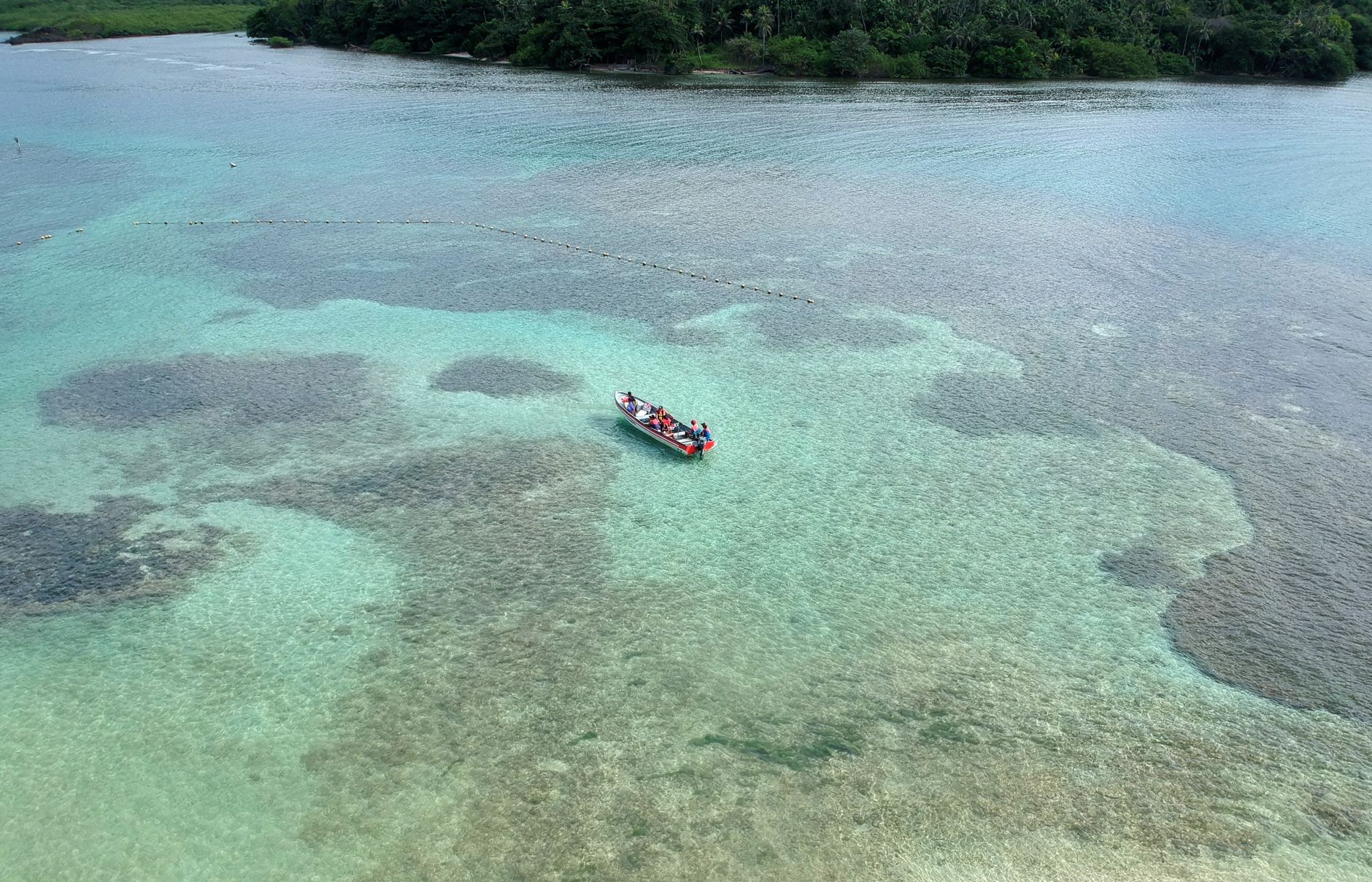
The Gulf of Panama conceals a fragmented universe where saltwater sculpts the daily routine of dozens of islands and islets historically known as the Pearl Archipelago. Far from constituting a mere vacation retreat for luxury yachts, this archipelago maintains a complex network of subsistence and amphibious transport connecting fishing communities and remote settlements with the mainland. The economic and social survival of enclaves such as Isla Contadora, Saboga, La Ensenada, or the largest of them all, Isla Del Rey, depends entirely on a meticulous coastal navigation system conditioned by extreme tides that exceed five meters of difference within a few hours.
Understanding the dynamics of this territory requires looking beyond tourist postcards to delve into tidal docks, riverside shipyards where wooden hulls are repaired, and the routes of cabotage boats carrying everything from ice and provisions to students and medical patients. This report details how traditional port engineering and the expertise of local captains sustain the amphibious connectivity of an archipelago that challenges the vastness of the Pacific Ocean with modest outboard motorboats and reinforced hulls.
The Geography of Tides and the Challenge of Nautical Approach
The waters surrounding the Pearl Archipelago are characterized by capricious bathymetry and tidal currents of notable intensity. During low tide, vast platforms of volcanic rock and coral reefs are exposed, turning the approach to docks into a maneuver of high nautical precision. Local skippers must calculate navigation windows down to the minute to avoid unexpected groundings in access channels.
This geographical reality has determined that the region’s port infrastructure evolves in a very particular way. Unlike large commercial ports, lightweight masonry jetties, inclined concrete ramps, and floating pontoons that accompany the dizzying rise and fall of sea level predominate here. The infrastructure is not monumental, but it is vital and highly adapted to the changing nature of the oceanic environment.
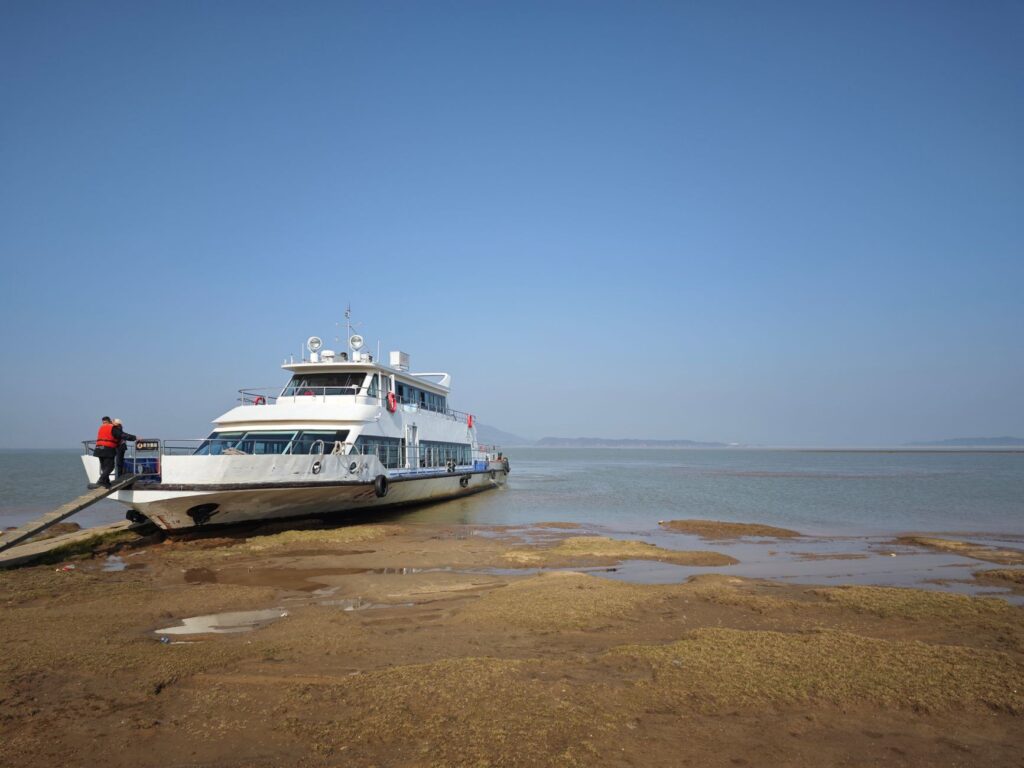
Maintaining these docking points represents a constant challenge for both government authorities and community boards. The force of seasonal swell, driven by trade winds during the dry season and powerful tropical squalls in winter, relentlessly punishes the pilings and wooden structures supporting the main docks of inhabited islands such as San Miguel or Saboga.
The Cabotage Fleet: Floating Arteries of the Gulf
The umbilical cord linking the archipelago with the Amador terminal and Flamenco Marina in Panama City is composed of a heterogeneous fleet of cabotage launches and mid-sized ferries. These vessels not only transport travelers eager for pristine beaches, but also operate as true multi-purpose cargo ships capable of carrying household appliances, gas cylinders, construction materials, and fresh fish.
Aboard these vessels, a social microcosm weaves together marine biologists, local builders, merchants, and island families who take advantage of crossing hours to exchange news about the state of fishing or variations in fuel prices. Cargo organization is an exercise in empirical engineering: fuel drums are stowed carefully in the bow, while boxes of perishable provisions are sheltered under awnings to weather the onslaught of sea breezes and splashes of salty foam.
The captains of these boats treasure mental cartographic knowledge passed down from generation to generation. They know how to read the color of the water to identify sandbars, recognize the exact position of secondary currents, and memorize the names of every rocky point and underwater shoal dotting the route between the mainland and the islands.
The Tide Economy: Artisanal Fishing and Island Commerce
The economic life of the archipelago’s communities revolves around the relentless rhythm of the tide and the biological wealth of the gulf. Artisanal fishing, practiced both with handlines from pangas and free diving in apnea, constitutes the primary source of income and food sovereignty for the indigenous population of Isla Del Rey and its surroundings.
However, the commercialization of these catches—snapper, grouper, lobster, and seabass—depends entirely on the punctuality of the maritime transport service. Ice is the most precious commodity at landing docks; its scarcity can mean the loss of entire days of work for local fishers. Therefore, cabotage launches operate on schedules adjusted to the millimeter to ensure fresh produce reaches capital markets before dawn.
Alongside fishing, low-impact tourism and scientific ecotourism have begun generating moderate economic diversification. Small guesthouses managed by local families and specialized naturalist guides offering humpback whale watching—visiting these warm waters between July and October—demonstrate that development respectful of the delicate island ecological balance is possible.
Socio-Environmental Challenges Against Climate Change and Tourist Pressure
The geographic isolation that for centuries protected the Pearl Archipelago now faces unprecedented pressures. Rising sea surface temperatures, water acidification, and alterations in seasonal rainfall patterns threaten both coral reefs and fish populations sustaining the local diet.
Likewise, real estate speculation and the development of exclusive tourist projects on certain islands have generated tensions regarding traditional access to fresh water and public beaches. Local communities demand greater participation in spatial planning to prevent disordered growth from fracturing the social fabric and degrading marine ecosystems that constitute their historical heritage.
An island’s sovereignty is not measured by its distance from the mainland, but by the autonomy and dignity of its supply routes and the health of its surrounding waters.
Faced with these challenges, various community and scientific organizations promote participatory governance initiatives, seeking to protect marine species breeding grounds and foster sustainable construction practices respecting the archipelago’s topography and scenic heritage.
Vernacular Architecture and Climate Adaptation in Settlements
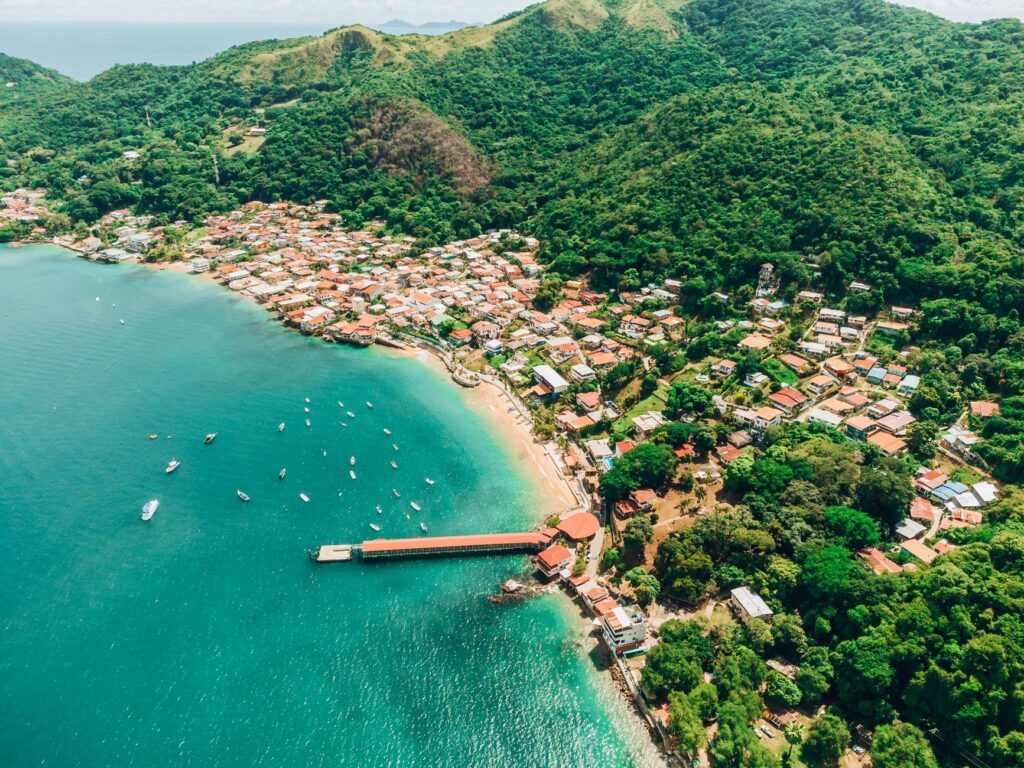
Strolling through the traditional villages of Isla Del Rey or San Miguel is stepping into an exercise in vernacular architecture deeply adapted to the humid tropical climate. Traditional homes, raised on wooden stilts to allow air circulation and protect households from soil moisture and occasional flooding, exhibit sober functional elegance.
Materials traditionally employed—weather-resistant local woods and elevated zinc roofs with wide eaves—seek to maximize cross-ventilation and mitigate intense equatorial heat. Although modern concrete blocks and metal sheets have gained ground in recent decades, the constructive wisdom of orienting facades according to dominant winds persists in older homes.
This careful spontaneous design reflects a historical symbiosis between human habitat and the surrounding nature, where each architectural element responds to a survival need against the rigors of a marine environment as beautiful as it is unforgiving.
Practical guide
How to get there: Main access to the Pearl Archipelago is achieved via fast boats and ferries departing daily from the Amador area (Flamenco Marina) in Panama City. The journey to Isla Contadora takes approximately one and a half to two hours, depending on sea conditions. For more remote islands like Isla Del Rey, regular cabotage services and civil aviation light aircraft operate from Albrook Airport.

Best time to visit: The dry season, extending from mid-December through April, offers the best days of calm seas and clear skies. Between July and October, the region welcomes migrating humpback whales, making the rainy season an exceptional period for marine wildlife watching, though with a higher probability of afternoon showers.
Logistical recommendations: There are no reliable ATMs or electronic payment networks on most smaller islands, making it essential to travel with sufficient cash in US dollars. Additionally, wearing footwear suitable for wet and rocky surfaces, biodegradable sunscreen, and insect repellent is strongly advised.
Emotional Epilogue at the Tidal Dock at Sunset
As the sun begins to descend over the Pacific horizon, dyeing the sky in copper and violet tones, the San Miguel dock regains a peaceful calm. Cabotage launches, now unloaded of bundles and passengers, rock gently moored to wooden pilings while the tide begins its slow and silent retreat, exposing beds of rock and dark sand.
At the tip of the jetty, a group of fishers patiently mends their nets while pelicans undertake the final low flight of the day in search of refuge among mangroves. At this precise moment, the archipelago reveals its true essence: a territory where time seems measured not by clock hands, but by the steady, generous rhythm of the sea that embraces and sustains it.