
Vietnam has ceased to be merely a destination of war-era postcards and floating markets, transforming instead into the epicenter of a quiet revolution in Southeast Asia: deep wellness tourism. Under the premise of expanding the traveler’s experience, new routes designed across the country seek not just to showcase landscapes, but to facilitate a return to internal balance through ancient practices adapted to contemporary sophistication.
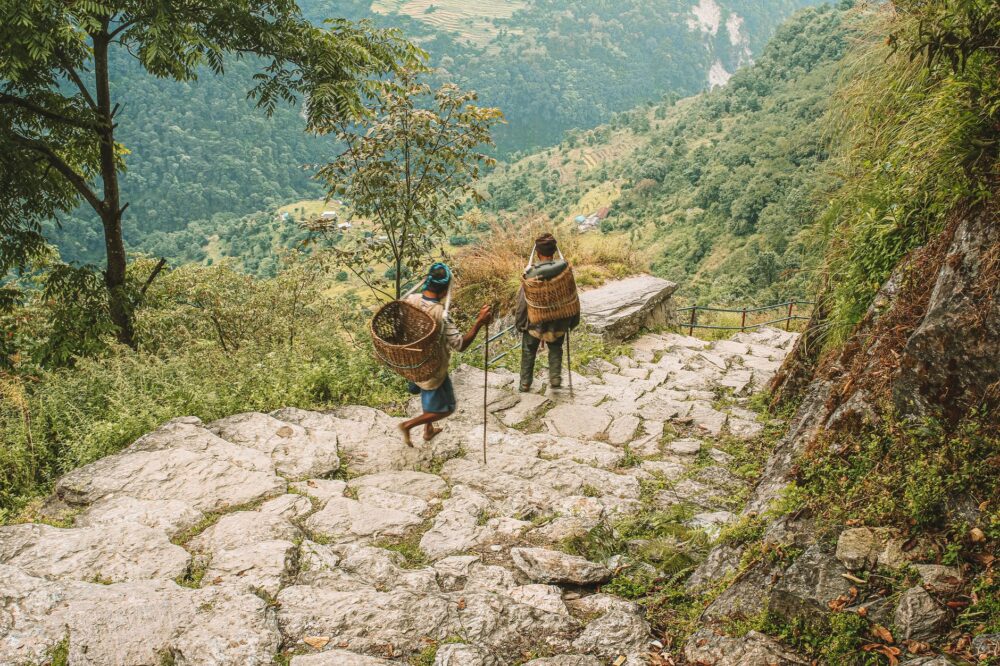
This evolution responds to a global demand for travel with a transformative purpose. In the Sapa highlands, the Da Nang coastlines, and the sacred valleys of Ninh Binh, the concept of a «tour» has shed its hurried nature to embrace the rhythm of rice growth and the flow of tides. It is an invitation to disconnect from digital noise and reconnect with human essence, using the Vietnamese territory as a vast sanctuary for natural healing.
The metamorphosis of travel in Southeast Asia
For decades, the classic Vietnamese itinerary consisted of a race against time from Hanoi to Ho Chi Minh City. However, the new wellness paradigm proposes a necessary pause. Today’s traveler seeks more than just a photograph in Ha Long Bay; they seek to understand why the lotus is the national symbol of purity and how that philosophy can be applied to their own lives. New travel programs focus on extended stays in a single location, allowing the body to acclimate and the mind to settle.
This shift in focus has allowed less-explored regions to become havens of peace. It is no longer just about seeing, but about being part of the environment. Hotels and retreat centers are integrating activities that were once exclusive to monasteries or rural families, elevating them to a category of experiential luxury that prioritizes personal time and space over material opulence.
«Wellness is not a geographic destination, but the slow pace at which we choose to walk the earth to listen to our own pulse.»
The science of the ancestral: Traditional Vietnamese Medicine
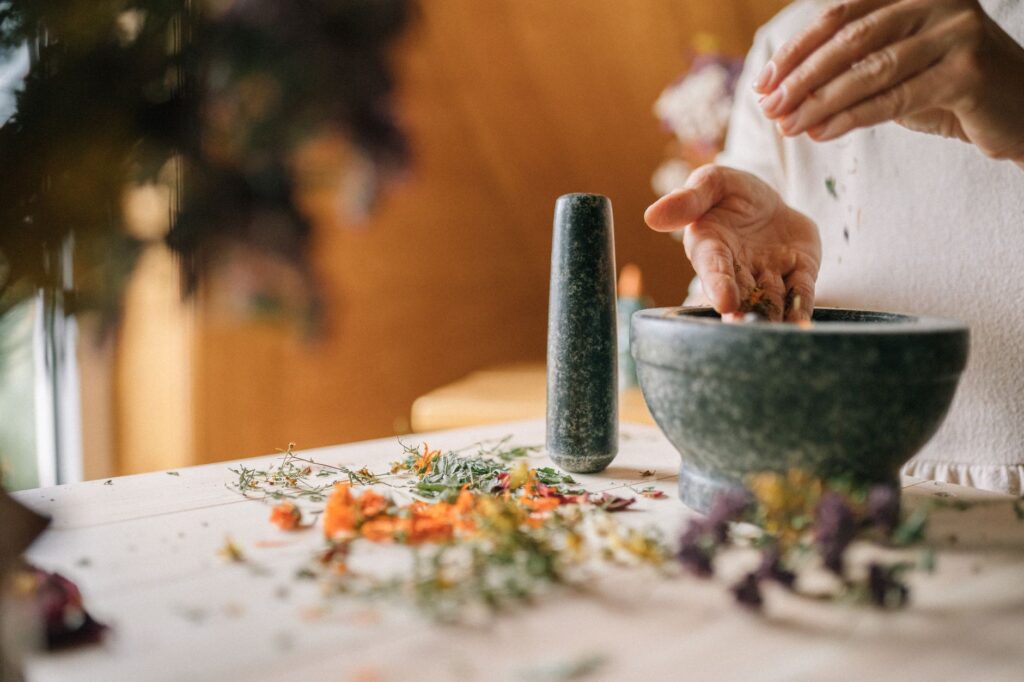
One of the pillars of this new tourism offering is the integration of Traditional Vietnamese Medicine (VTM). Unlike conventional spas, these new wellness centers feature expert consultants in phytotherapy and acupuncture. Treatments are customized after an evaluation of the guest’s Qi or vital energy, using herbs grown in the retreats’ own organic gardens. The use of hot compresses with mugwort, ginger, and lemongrass is not a simple aesthetic ritual, but a therapeutic practice designed to detoxify the body.
Thuốc Nam, or Southern herbal medicine, becomes the common thread of the experience. Travelers can participate in workshops for collecting medicinal plants, learning the properties of each root and leaf. This direct connection with the earth reinforces the thesis that health comes from harmony with the local ecosystem. It is a lesson that the tourist takes home, transforming the trip into an educational investment for their longevity.
Architecture of silence: spaces that breathe
The infrastructure of these new wellness tours is an ode to bioclimatic architecture. Structures have been designed using local materials such as bamboo, volcanic stone, and reclaimed wood, minimizing environmental impact while maximizing natural ventilation. Spaces are conceived so that the boundary between interior and exterior vanishes, allowing the sound of rain or birdsong to become part of the relaxation therapy.
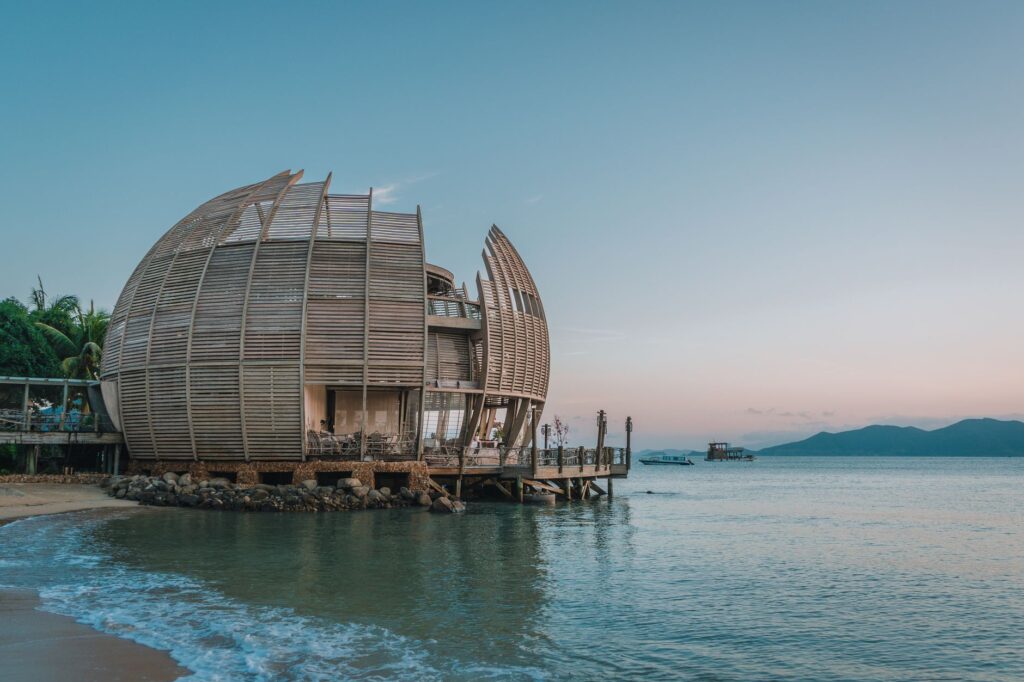
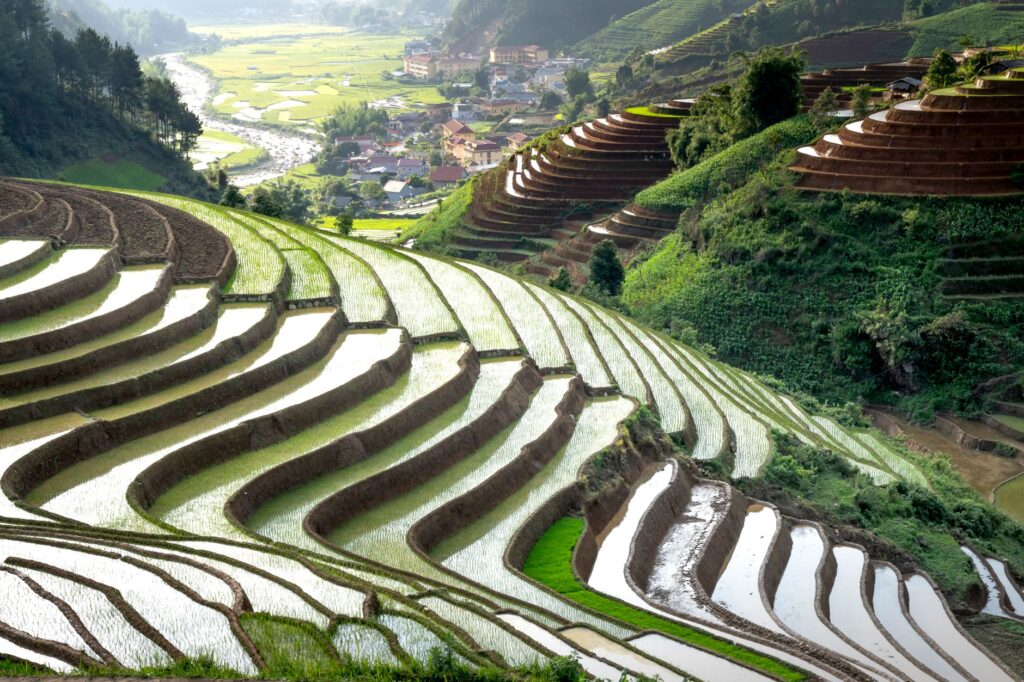
In places like the Mu Cang Chai valley, accommodations blend into the rice terraces, offering panoramic views that induce a state of spontaneous meditation. The layout of the rooms follows principles of Eastern geomancy, seeking to optimize the guest’s rest through the flow of air and sunlight. Sleeping in these spaces is, in itself, an act of healing, far from the electromagnetic waves and concrete of the metropolises.
Healing gastronomy: the taste of conscious earth
Vietnamese cuisine has always been recognized for its freshness, but the new wellness trend takes it a step further with the concept of functional gastronomy. Menus are designed under the supervision of nutritionists who apply the theory of the five elements (wood, fire, earth, metal, and water), balancing flavors and nutrients to strengthen the immune system. The use of fermented ingredients, clarified broths, and fresh sprouts ensures light digestion and sustained energy.
Tours now include visits to permaculture farms where travelers can harvest their own vegetables. There are no intermediaries; the distance between the earth and the plate is reduced to a few meters. This absolute traceability not only guarantees food quality but also supports local farming communities, creating a cycle of mutual benefit that enriches the visitor’s experience.
The tea ritual as active meditation
Tea in Vietnam is much more than a drink; it is a bridge to introspection. New wellness itineraries include tea ceremonies in the northern mountains, where ancient tea trees grow. Participating in this ritual requires patience and mindfulness. The aroma of Shan Tuyet tea, hand-harvested by ethnic minorities, transports the traveler to a state of deep calm, reminding them of the importance of appreciating the small details of the present.
Water and earth rituals in the Mekong Delta
Water is the vital element of Vietnam, and in the Mekong Delta, it becomes a tool for healing. New tours offer floating retreats where therapies are performed to the rhythm of the river’s current. Hydrotherapy with mineral-rich waters and steam baths with local herbs help release accumulated muscle tension. The gentle swaying of traditional boats adapted as spas provides a sense of security and a return to origins.
In addition to water, contact with the earth is fundamental. Mindful walks through fruit orchards and Qigong exercises at dawn by the river allow travelers to synchronize their breathing with the environment. It is a total immersion in rural life, but from a perspective of respect and personal care, where luxury is found in the purity of the air and the authenticity of human encounters.
Urban sanctuaries: the slow pulse of Hanoi and Saigon
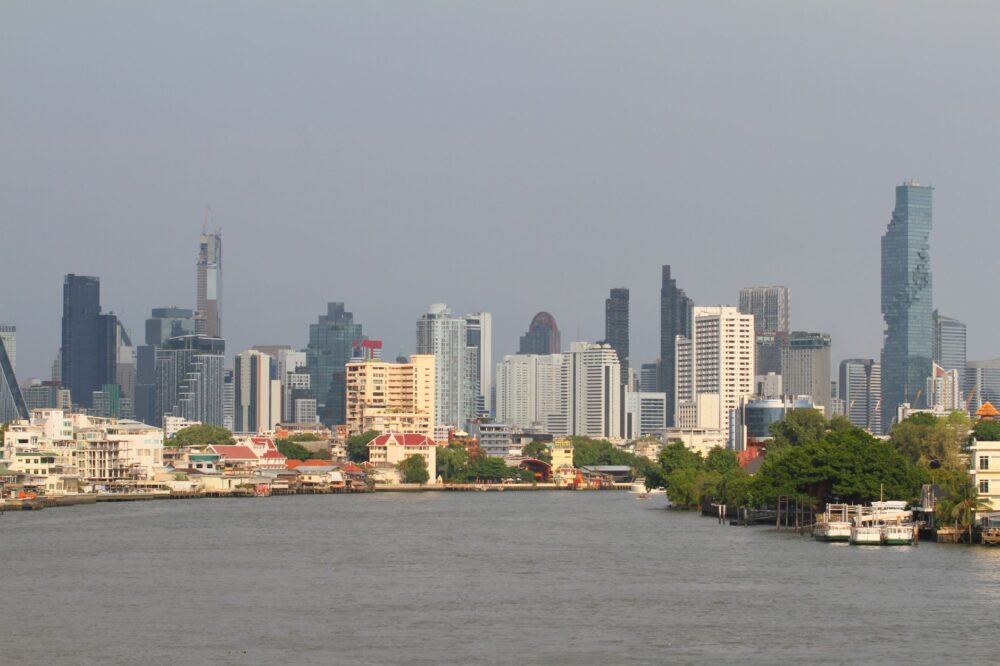
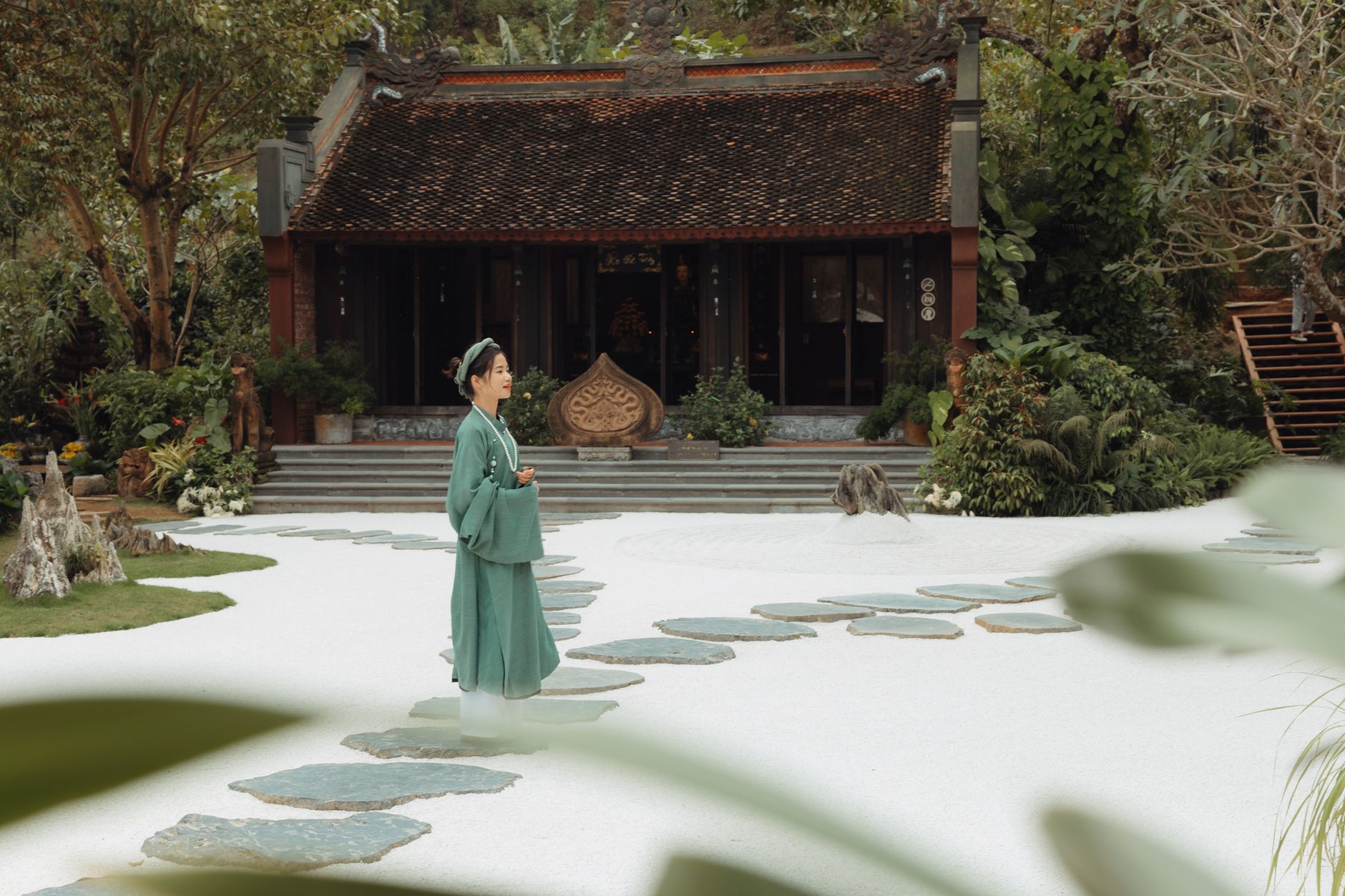
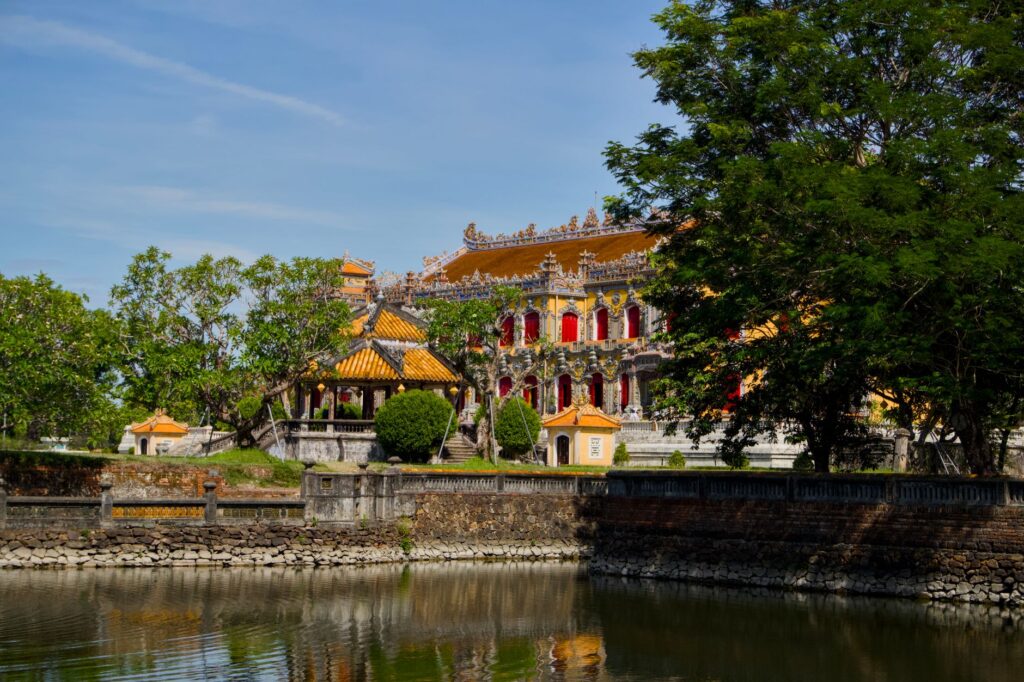
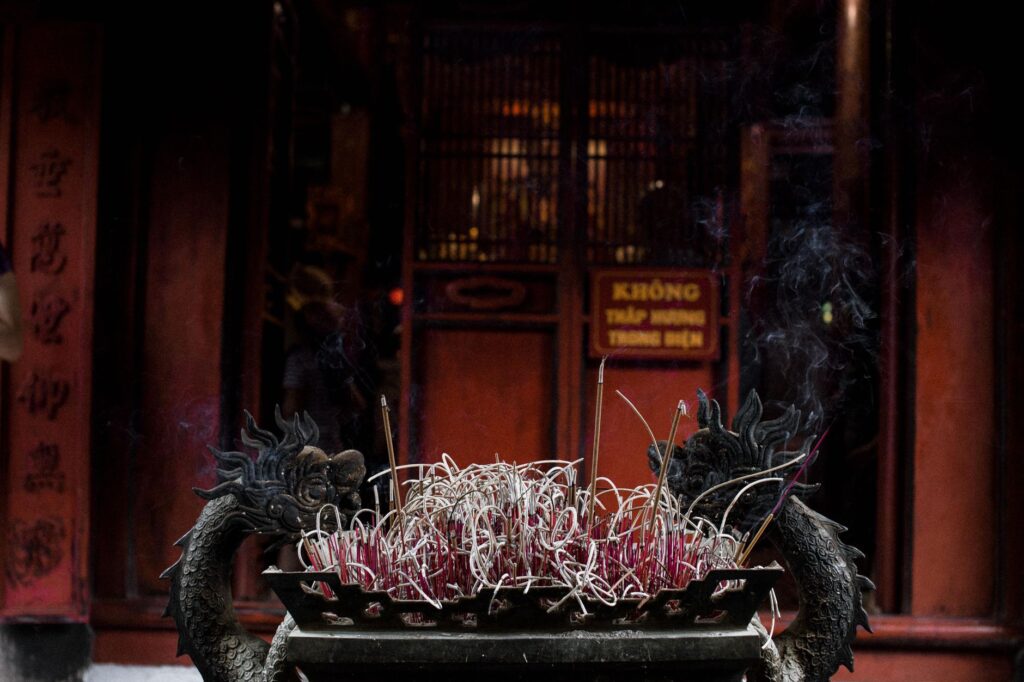
Even in bustling cities, wellness is finding its place. Hanoi and Ho Chi Minh City are seeing the rise of urban sanctuaries: boutique hotels that offer a refuge from external chaos. These spaces use acoustic design and aromatherapy to create microclimates of serenity. Urban tours now incorporate visits to ancient temples for morning meditation sessions before the city fully awakens.
This duality between urban dynamism and inner peace is one of the most fascinating characteristics of new tourism in Vietnam. It allows the traveler to experience the country’s vibrant energy without becoming exhausted, maintaining a center of calm through daily mindfulness practices and deep tissue massages that eliminate the stress of modern life.
«Vietnam has ceased to be a place to simply see, becoming a territory designed to feel and heal.»
The ethics of the new traveler: sustainability and respect
This new tour would not be complete without a firm commitment to sustainability. Personal wellness is inseparable from the wellness of the planet. Conscious tourism initiatives in Vietnam are leading the way in plastic reduction and biodiversity protection. Travelers are invited to participate in reforestation projects or programs supporting local craftsmanship, understanding that their presence must leave a positive footprint.
Respect for the traditions of ethnic minorities is another fundamental pillar. Tours are designed in collaboration with communities, ensuring that cultural exchange is fair and dignified. By choosing these experiences, the traveler contributes to the preservation of Vietnam’s intangible heritage, from weaving techniques to traditional songs, which are themselves forms of sound therapy.
Practical guide
- Best time to travel: November to April is ideal to avoid heavy rains and enjoy pleasant temperatures across most of the country.
- Entry requirements: Most nationalities require an e-visa, which is easily processed online and allows stays of up to 90 days.
- Health and insurance: It is essential to have travel insurance that covers wellness activities and potential medical transfers. No mandatory vaccinations are required, but the usual ones for Southeast Asia are recommended.
- What to pack: Natural fiber clothing (linen or cotton), comfortable walking shoes, biodegradable sunscreen, and an open attitude toward learning.
- Connectivity: While the goal is to disconnect, most retreats offer high-quality Wi-Fi. It is recommended to purchase a local SIM card for occasional tasks.
- Cultural respect: When visiting temples or rural communities, dress modestly (shoulders and knees covered) and ask for permission before photographing people.
The echo of serenity
At the end of the journey, what remains are not the objects purchased, but the feeling of lightness in the body and clarity in the mind. Vietnam offers a mirror in which to look and recognize that health is our most valuable asset. The new wellness tour is, ultimately, a journey back to oneself, facilitated by the generosity of a people who understand that true wealth lies in inner peace.
As the sun sets over the East Sea, bathing the silhouettes of fishermen in gold, the traveler realizes they have been part of something larger than a simple tourist itinerary. They have witnessed a rebirth, a way of understanding the world where care and beauty walk hand in hand. Vietnam is not just visited; it is inhaled, felt, and finally, integrated into the soul.
Source: Vietnam.vn