
Introduction to the Great River Route of Southern Venezuela
The bifurcation of the Casiquiare River constitutes one of the most fascinating hydrogeographical phenomena on the planet: a natural branch that drains part of the flow of the Orinoco River and dumps it into the Negro River, thus connecting two of South America’s most imposing river basins. Venturing into this territory aboard a traditional dugout canoe carved from noble hardwood is not an exercise in conventional tourism, but rather an expedition of anthropological and nautical magnitude. This vast jungle frontier, marked by extreme humidity, enigmatic tepuis emerging as rocky fortresses on the horizon, and the sovereignty of the Yanomami and Piaroa peoples, demands absolute mastery of river navigation and rigorous logistical planning.
Connecting riverside settlements and understanding the complex dynamics of seasonal flooding requires stripping the journey of any trace of improvisation. The navigator must assume that the river is not a static pathway, but a living organism whose water levels vary drastically between the dry season and the flood period, modifying the topography of white sand beaches and hiding submerged logs that represent a latent danger to wooden watercraft. Planning this route means accepting the pace of the jungle, where patience and respect for natural cycles are the only valid passports to advance into the heart of the Guiana Shield.
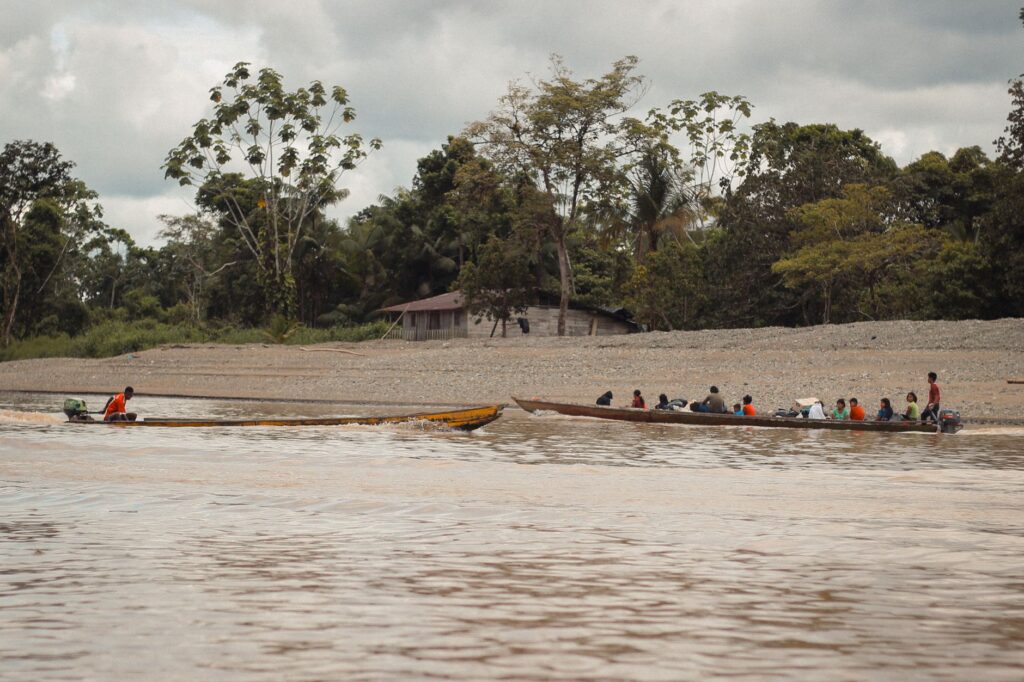
Geography and Hydrological Dynamics of Black Waters
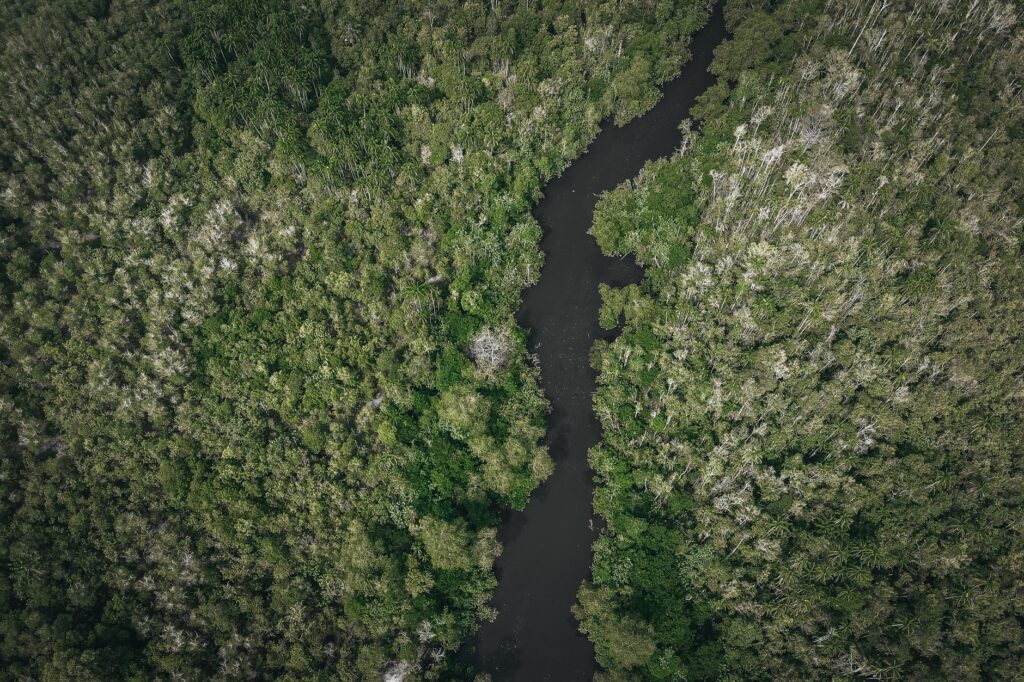
The river system of the Upper Orinoco and Casiquiare is characterized by the dominant presence of blackwater rivers, dyed a dark mahogany hue due to the decomposition of organic matter rich in humic and fulvic acids originating from the flooded forest. Unlike white-water rivers laden with Andean sediments, these currents possess a deceptive surface transparency and an acidic chemistry that inhibits the massive proliferation of mosquitoes, but also presents specific challenges for the purification of drinking water.
Understanding the hydrological regime involves analyzing the phenomenon of seasonal overflows and flooded forests. During flood stages, water overflows the main channels and pushes kilometers into the forest, creating an aquatic labyrinth where traditional visual landmarks disappear. Wind patterns, known locally as squalls, can unleash sudden electrical storms capable of generating considerable wave action in the wider stretches of the Casiquiare, forcing crews to seek shelter along the forested margins well in advance.
Supply Logistics and Autonomy in Isolated Areas
Self-sufficiency is the fundamental pillar of any expedition venturing into the territory of the Venezuelan Guianas. Lacking commercial infrastructure, equipped ports, or conventional communication networks, all cargo—from fuel for auxiliary outboard motors to high-capacity water filters and non-perishable provisions—must be calculated with a thirty percent safety margin. Drinking water sources must be rigorously treated using gravity-filtration systems and chlorine, as creek water, despite its pure appearance, carries microorganisms typical of decaying vegetation.
Fuel management requires a millimeter strategy. In stretches where paddling against the current or navigating at idle speed to avoid underwater obstacles is necessary, consumption spikes exponentially. Local indigenous communities, such as the Sanema and Yeral, act as the sole custodians and providers of reliable information regarding the state of the rapids and the navigability of secondary creeks, making the establishment of a respectful and formal exchange protocol essential for the route’s viability.
The Paddle Technique and Handling Rapids
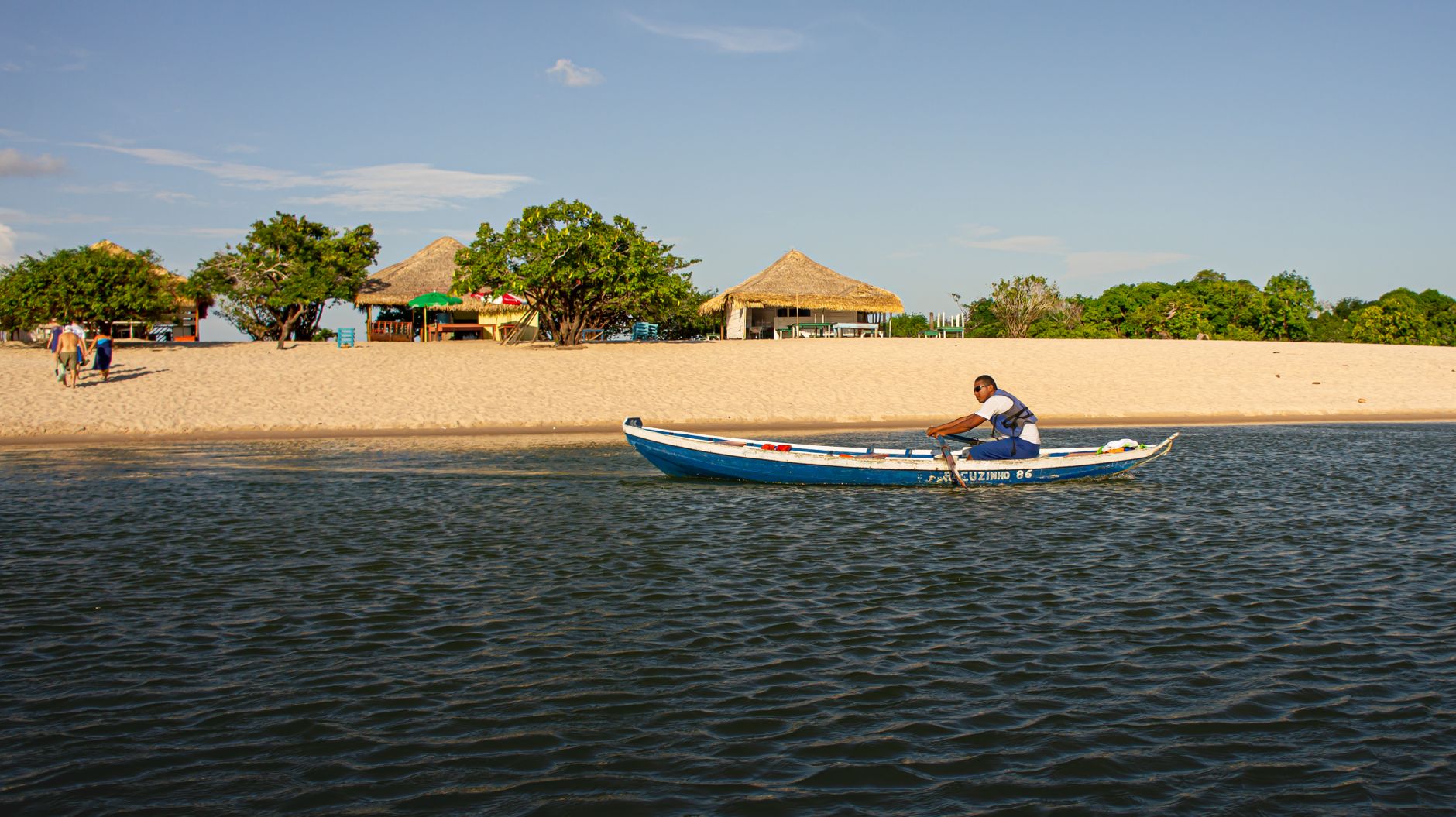
Navigating in a traditional canoe requires perfect synchronization between the bowman, responsible for reading turbulence and signaling sandbars, and the stern motor operator or helmsman. The Atures and Maipures rapids, although located upstream in the middle Orinoco, establish the technical school that every navigator must master before venturing into smaller tributaries. A miscalculation when approaching a tongue of water can capsize the watercraft, compromising electronic equipment, provisions, and crew safety.
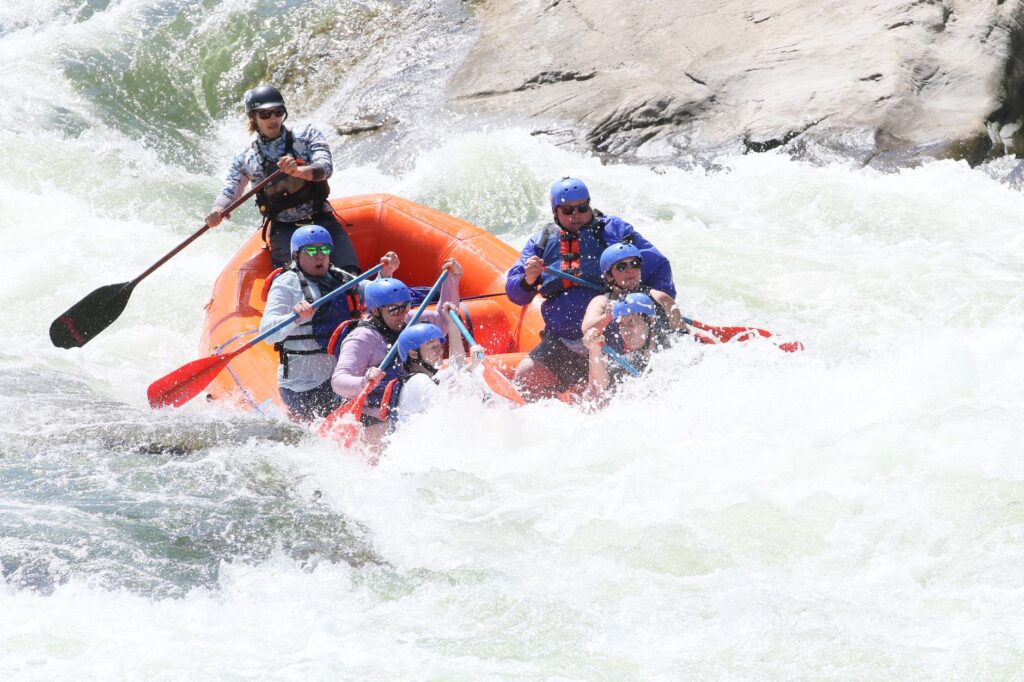
The use of the wooden pole is vital in shallow zones where propellers suffer irreparable damage. Knowing when to advance close to the bank to harness countercurrents or when to cross the main channel diagonally requires reading the ripples on the water’s surface, which betray the presence of submerged rocks or abrupt depth changes. The physical fatigue accumulated after eight-hour days under a relative humidity exceeding ninety percent demands a strict rotation of paddling positions and rigorous hydration control.
Vernacular Architecture and Riverside Settlements
The traditional buildings of the region, known as chabonos or communal malocas, represent an architectural response perfectly suited to the equatorial climate. Built with rot-resistant woods and wide double-pitched roofs made of inaré palm fronds, these structures allow for the constant circulation of breezes while protecting against torrential tropical precipitation. The open design fosters community life and integration with the natural environment.
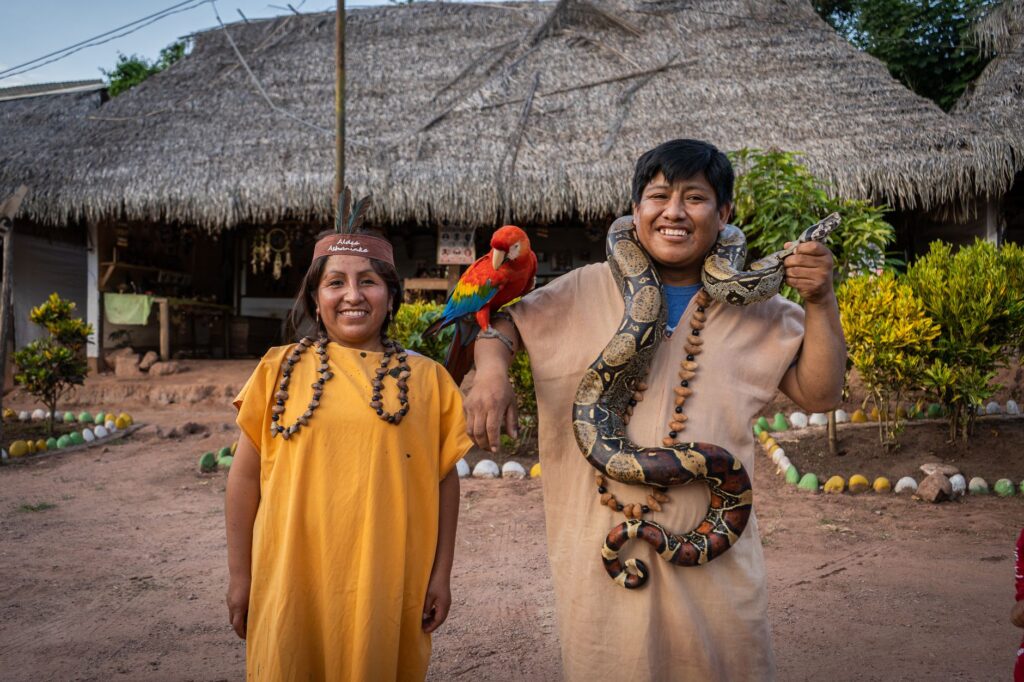
The traveler accessing these settlements must observe strict customary protocol codes. Arrival at a community should never be unannounced; the mediation of authorized local guides is required to request permission from the captain or traditional leader before disembarking. The ephemeral architecture of temporary camps set up by the expedition on river beaches follows similar principles, utilizing lightweight wooden stakes and high-resistance waterproof tarps to mitigate nighttime condensation and protect equipment from entomological fauna.
Subsistence Gastronomy and Fluvial Ethnobiology
The pantry offered by the basin is as rich as it is demanding in its preparation. The dietary base of riverside populations revolves around casabe—a flat, crunchy flatbread made from bitter cassava, which requires a complex grating and pressing process in the sebucán to remove hydrocyanic acid—along with copoazú, wild cashew, and various palm species such as the moriche.
In the protein realm, sport and subsistence fishing are conducted using ancestral techniques adapted to seasonal floods, employing carved wooden lures or artisanal nets. Fish such as peacock bass, payara, and the formidable yet elusive piranha form part of the daily diet. The ethnobotanical knowledge of local guides proves invaluable in identifying medicinal plants capable of treating skin conditions derived from constant humidity or natural repellents made from tree resins such as anime.
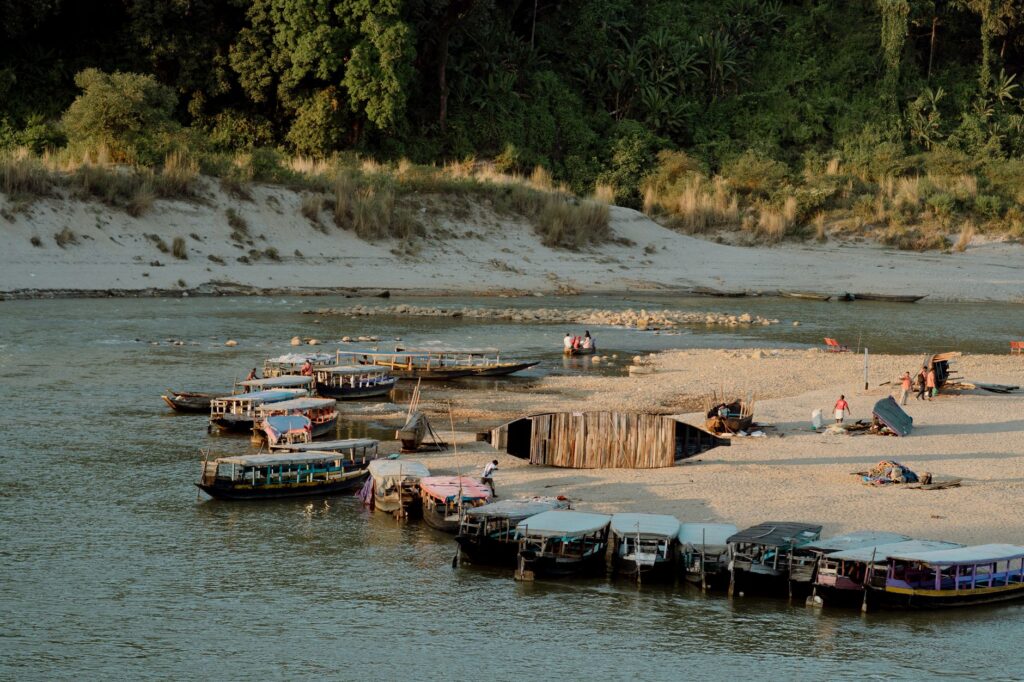
The jungle does not yield its secrets to the impatient traveler; it demands stripping away Western haste and accepting that time here is marked by the cycles of water and the patience of the riverbed.
Practical guide
Planning a river expedition through the Casiquiare and Upper Orinoco requires complying with strict operational requirements and possessing the relevant official documentation issued by Venezuelan tourism and border security authorities.
- Permits and Access: It is mandatory to process river transit permits through the National Institute of Aquatic Spaces (INEA) and obtain special authorizations from the Ministry of Popular Power for Indigenous Peoples (MINPPI). The most common logistical starting point is the city of Puerto Ayacucho in Amazonas State.
- Recommended Season: The optimal window is between the months of November and January, right at the start of the dry season, when water levels allow obstacles to be identified more clearly without rapids becoming completely impassable due to lack of flow.
- Technical Equipment: Treated wood or high-resistance aluminum canoe with a reinforced keel, 15 to 40 HP outboard motor depending on the stretch, noble wood paddles, gravity water purification systems, advanced medical kit for tropical diseases, and two-way satellite communication devices.
- Clothing and Protection: Long-sleeve shirts with UV protection, quick-dry pants, high-top rubber or neoprene boots, wide-brim hats, polarized sunglasses essential for reading current changes, and repellents with high concentrations of DEET or Icaridin.
Emotional Epilogue at the Twilight Confluence
When the sun begins its precipitous descent behind the infinite line of the virgin jungle, the Casiquiare River transforms into a liquid mirror of copper and violet tones that defies any attempt at pictorial description. Stopping the canoe’s motor and allowing the watercraft to drift in absolute silence, gently carried by the inertia of the dark current, is the moment when the expedition reveals its true purpose. In that instant of absolute communion with the boundless Amazonian territory, the traveler understands human insignificance in the face of the primal grandeur of water, feeling the deep heartbeat of a world that still resists indomitably in the southern confines of America.