Introduction to the relief sculpted by wind and water
In the southwestern corner of the Arabian Peninsula, where clouds rolling in from the Red Sea collide with the imposing Sarawat mountain range, geography dictates its own rules of movement. The Al-Baha region is not a territory of rapid transit, but a complex system of elevated plateaus, deep canyons, and terraced slopes where every journey constitutes an exercise in technical precision and ancestral adaptation. Here, connectivity is not measured in grand rectilinear highways, but in the resilience of mountain roads winding among dry-stone terraces, traditional apiaries, and dark masonry fortresses.
Understanding mobility in Al-Baha requires setting aside the clichés associated with the vast sandy expanses of the Arabian Desert. This is an alpine landscape at a subtropical latitude, where morning fog blurs the edges of cliffs and where intermodal transport combines the medium-distance bus network furrowing the main axis with an intricate web of agricultural pickup trucks capable of defying impossible gradients. Through this analysis, we will examine how contemporary infrastructure dialogues with the historical bridle paths, revealing a delicate balance between geographical isolation and regional integration.
The backbone of Route 15 and the challenge of verticality
The road axis structuring Al-Baha is dominated by National Route 15, an asphalt artery running parallel to the edge of the escarpment, offering dizzying views toward the coastal plains of Tihama. This route is not a simple asphalt crossing; it represents a masterpiece of contemporary road engineering that has tamed the abrupt topography through dozens of tunnels carved into basalt rock and viaducts suspended over ravines hundreds of meters deep. However, the true challenge begins when one leaves this main route to venture into secondary branches descending toward agricultural valleys.
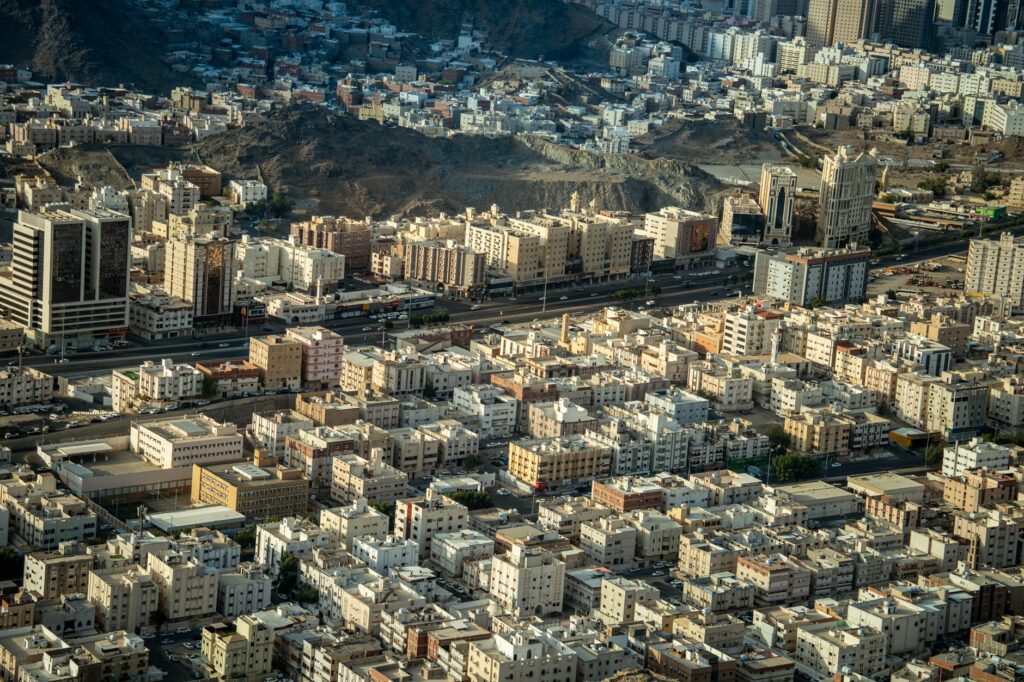
Line buses operated by state and private companies connect provincial capitals with larger hubs, but their frequency adapts rhythmically to local market needs and weather conditions. During the summer rainy season, when orographic storms unload heavily upon the peaks, certain stretches of the main route suffer controlled rockfalls that force activation of emergency protocols. The reliance of these heavy vehicles on daily provisioning underscores the structural fragility of a district where a single critical blockage point can temporarily isolate entire communities perched on ridges.
Slope tracks and the pulse of four-wheel drive across terraces
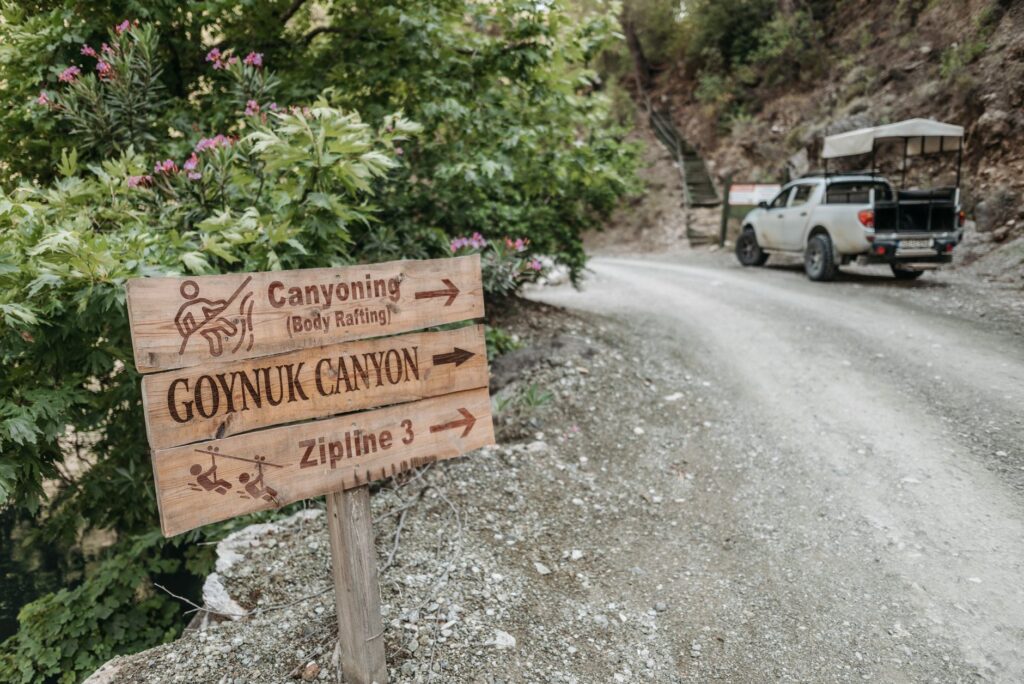
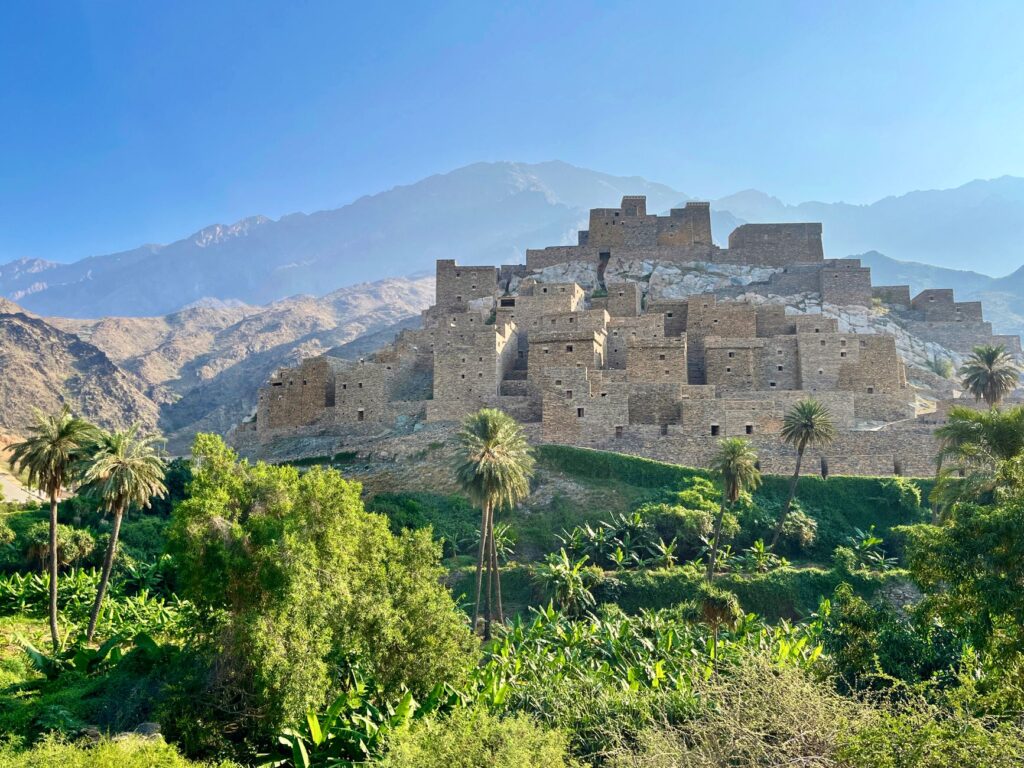
Beyond the asphalt lies the domain of four-wheel-drive vehicles. The historical stone villages of Al-Baha, such as the famous stone settlement of Thee Ain, are nestled at the foot of escarpments or hung over agricultural terraces that have fed generations. To access these enclaves, the road network yields to beaten earth tracks and consolidated gravel that demand remarkable skill from local drivers. These neighborhood roads act as the true blood irrigating the subsistence economy and proximity trade in the high mountains.

Double-cab pickup trucks have become the undisputed mobility standard on this slope. They transport not only people, but also sacks of grain, farming tools, building materials, and the seasonal harvest of honey and pomegranates, the region’s two economic treasures. The maintenance of these secondary tracks falls upon both public administrations and the direct collaboration of local communities, which organize rubble-clearing tasks after winter storms to ensure the supply of fuel and provisions remains uninterrupted.
The engineering of tunnels and the end of historical isolation
Until a few decades ago, traveling between the upper plateau and the lowlands of Tihama demanded full days on the backs of animals or on foot across winding bridle paths like the historic Aqabat Al-Bahah pass. The radical transformation of this mobility arrived hand in hand with major civil engineering projects that pierced the mountain in the second half of the twentieth century, uniting both worlds through dizzying descents dotted with dozens of illuminated tunnels overcoming drops of more than two thousand meters in just a few kilometers of horizontal travel.
This accelerated connectivity has profoundly modified demographic and economic patterns. Residents of upper villages can now descend daily to work in valley administrative centers or market their products without relying on seasonal caravan routes. Nonetheless, this road progress carries an invisible toll: the gradual loss of use of traditional paths, which today survive primarily as hiking routes for ecotourists and as archaeological testimonies of an era when the territory was conquered step by step, with physical effort and deep knowledge of the environment.
School transport and the cohesion of dispersed communities
One of the most reliable indicators of the transport system’s health in Al-Baha is the network of buses and minibuses dedicated to school transport. Due to the geographical dispersion of small villages and hamlets perched on the slopes of Sarawat, the education of young people depends on a complex daily logistics that must cover short distances in a straight line but extremely prolonged travel times due to the sinuosity of gorges.
These vehicles circulate even before dawn, crossing blankets of mist blanketing the valleys to pick up students at strategic points where neighborhood roads converge. The punctuality and safety of this service determine the permanence of young families in rural areas. Without this wheeled umbilical cord, exodus to the kingdom’s large metropolises would be inevitable, depopulating a cultural and historical heritage sustained largely through the capacity to keep these small mountain schools alive.
High-altitude ecotourism and the transition toward sustainable mobility
In recent years, the rise of domestic and nature tourism has introduced a new variable into the regional transport equation. On weekends and holiday periods, Route 15 and natural viewpoints fill with visitors from major Saudi cities seeking the mild mountain climate. This seasonal flow of private vehicles has tested the carrying capacity of local infrastructure, generating occasional tensions at access points to juniper forests and protected recreational areas.

Faced with this scenario, local authorities and tourism operators debate the implementation of traffic control measures and the development of electric shuttle buses or shuttle vans to access points of greatest environmental fragility. The preservation of fragile high-altitude ecosystems and the protection of vernacular stone architecture demand regulated transit that minimizes carbon footprint and avoids congestion on roads originally designed for an infinitely smaller traffic volume.
The territory of Al-Baha is not conquered with the speed of grand highways, but through reverent respect for the gradients sculpting the Sarawat mountain range.
Practical guide
How to get there: Al-Baha Regional Airport (ABT) receives regular flights from Riyadh and Jeddah. To explore the region with complete autonomy, renting a four-wheel-drive (4×4) vehicle is essential, given that many accesses to historical villages and agricultural terraces are via gravel tracks and steep gradients.
When to travel: The months between October and April offer the best weather conditions, with mild daytime temperatures and cool nights at the plateau’s altitude. From June to August, summer orographic storms are frequent on the peaks, bringing greenery to the landscape while demanding caution when driving through gorges.
Mobility tips: Avoid driving at night on secondary mountain roads due to the occasional presence of dense fog banks and stray animals. Strictly observe speed limits on descents toward Tihama to protect your vehicle’s braking system.
The murmur of water and the eternal pulse of the juniper
At dusk, when the last rays of sunlight filter through the crowns of the centuries-old junipers crowning Al-Baha’s cliffs, the bustle of engines fades, giving way to the mineral silence of the range. In these moments of stillness, the traveler understands that this territory’s true dimension lies neither in the complexity of its roads nor in the audacity of its tunnels, but in the silent persistence of a community that has rooted its existence in the steepest folds of the earth. Here, every stone path is a millenary pact between human beings and verticality, an enduring testament that mountain mobility is, above all else, an act of profound belonging.