

Vietnam’s tourism landscape is undergoing a quiet yet profound transformation, driven by the convergence of accelerated financial digitalization and traditional travel infrastructure. At the heart of this evolution lies a high-profile commercial agreement recently announced between MoMo, the country’s leading digital wallet and superapp, and Saigontourist Travel, one of the nation’s most iconic and longstanding tour operators. This collaboration represents far more than a routine technological integration; it signals a systemic shift in how international and domestic visitors manage their journeys, bookings, and financial transactions within a highly dynamic market.
As Southeast Asia solidifies its position as one of the world’s most attractive travel hubs following years of post-pandemic restructuring, regional governments and private enterprises are locked in a race to deliver friction-free ecosystems. Vietnam, in particular, has experienced exponential growth in foreign arrivals demanding immediacy, security, and transparency at every step of their journey. The partnership between these two entities directly addresses the historical barriers separating complex itinerary planning from local payment execution, seamlessly merging services that traditionally operated in isolated silos.
The Southeast Asian Mobile Payment Ecosystem
To grasp the magnitude of this strategic move, one must examine Vietnam’s financial backdrop. In just a few years, the country has transitioned from a cash-dominated economy to a society where QR codes and mobile applications govern daily commerce. MoMo has established itself as the undisputed benchmark of this phenomenon, accumulating tens of millions of active users who rely on the platform not only for peer-to-peer transfers and utility bills but increasingly for financial products, insurance, and now, high-end tourism experiences.
Meanwhile, Saigontourist Travel contributes decades of operational expertise in managing heritage routes, ecotourism, river cruises, and business travel. Pairing the agency’s logistical robustness with the digital agility of the e-wallet allows users to access comprehensive international and domestic travel catalogs with just a few taps. This synergy directly answers the contemporary traveler’s demand to centralize trip management within a single mobile interface, drastically reducing the need to carry physical currency or navigate complex foreign exchange conversions across urban and rural settings.
Digitalization as the Engine of Travel Experience
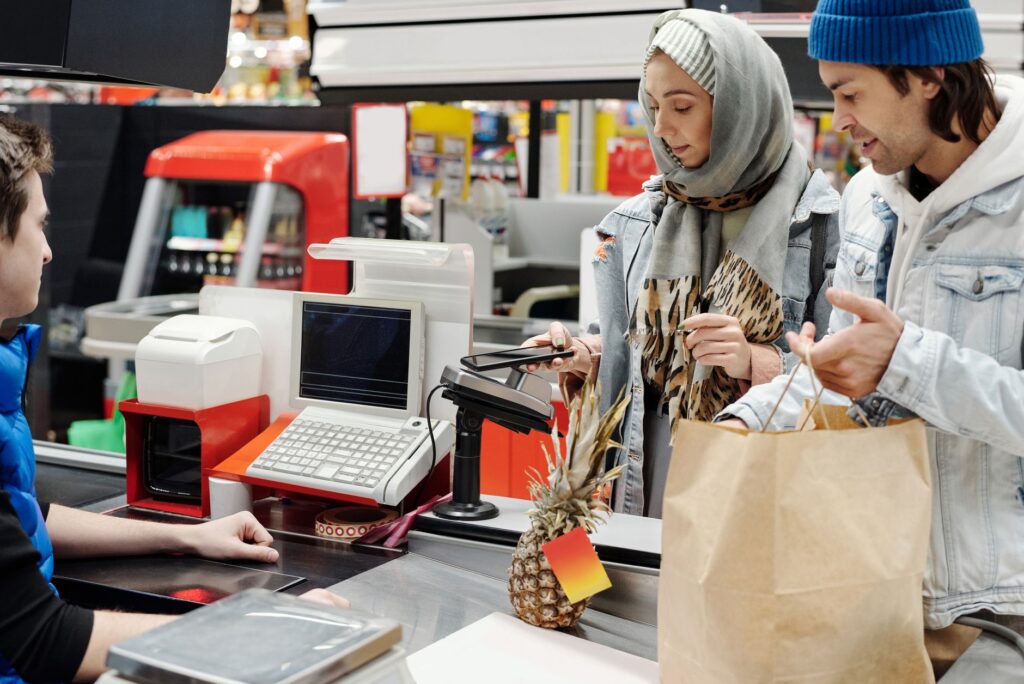
Integrating diverse services within a single application fundamentally transforms the user experience. Traditionally, booking an international tour package required multiple disconnected steps: consulting physical agencies or fragmented web portals, executing expensive international bank wire transfers, and subsequently coordinating logistical details in person. With this alliance, the process is streamlined to fit entirely on a smartphone screen.
Users can explore expert-curated itineraries, review destination details—from the historic temples of Hanoi to the floating markets of the Mekong Delta—and settle payments instantly and securely. This immediacy is particularly beneficial for international visitors to Vietnam, who often struggle with the complexities of adapting to local financial systems during their first days on the ground. By linking international cards or utilizing MoMo’s integrated payment mechanisms, foreign travelers gain unprecedented autonomy and peace of mind.
The most advanced travel technology is that which gracefully recedes into the background, leaving the discovery of the territory and human connection in the spotlight.
Beyond payment convenience, the digital platform centralizes customer support, electronic ticketing, and the management of itinerary modifications. This significantly lowers operational costs for agencies while minimizing human errors inherent in manual booking administration. For Vietnam’s broader tourism sector, this level of digital efficiency is vital to remaining competitive against regional neighbors like Thailand and Singapore, which have also heavily invested in modernizing their travel infrastructure.

Challenges of Global Financial Interoperability
Despite the enthusiasm surrounding this alliance, implementing integrated payment ecosystems within the tourism sector entails formidable challenges. A primary hurdle lies in achieving seamless interoperability between domestic financial frameworks and international regulations concerning anti-money laundering and data privacy. Vietnamese regulatory bodies have intensified their oversight of digital transactions, enforcing rigorous cybersecurity standards to prevent fraud and safeguard user data.
Additionally, cultural and digital adoption hurdles persist, particularly among older travelers or those originating from countries with lower e-wallet penetration rates. To bridge this gap, both MoMo and Saigontourist Travel have deployed multi-channel informational campaigns and technical support teams, ensuring that digitalization acts as an inclusive facilitator rather than an exclusionary barrier for diverse demographics.
Economic Impact on Hospitality and Local Services
The ripple effects of this technological integration extend far beyond the major corporations involved. Small, independent tourism providers—such as local guides, family-run guesthouses, artisans, and traditional eateries embedded within Saigontourist routes—indirectly benefit from faster and more predictable cash flows. By cutting out financial intermediaries and accelerating settlement cycles, revenues reach the grassroots actors who sustain the tourism value chain much more efficiently.
This economic model encourages formalization within the informal sector, empowering small rural businesses to adopt digital payments without needing to invest in traditional, costly card-reading hardware. MoMo’s infrastructure acts as a financial bridge connecting Vietnam’s traditional economy with global tourism flows, fostering a more equitable distribution of economic benefits across host communities.

Sustainability and smart tourism principles also stand to gain from this digital push. Massive mobile app usage enables the collection of anonymized data regarding visitor flows, congestion hotspots, and seasonal preferences. Managed through big data analytics, this intelligence is crucial for authorities and operators striving to implement effective geographic dispersion and anti-overtourism policies.
Practical guide
Using MoMo as an International Tourist: Although primarily tailored to the domestic market, foreign visitors can link international credit and debit cards (Visa, MasterCard, JCB) to the platform to pay for selected services and book travel experiences offered via partner networks.
Planning Itineraries with Saigontourist: Travel options developed under this partnership can be browsed via MoMo’s mobile app or Saigontourist Travel’s official channels, allowing users to compare cultural, adventure, and luxury packages.

Financial Security: Travelers are strongly advised to ensure that all transactions occur strictly within the official encrypted channels of the application and to avoid unsecure public Wi-Fi networks when entering banking details or login credentials.
Customer Support: Both companies offer digital assistance in English and Vietnamese through integrated live chats, operating during business hours to resolve booking or payment issues on the fly.
Mobile Connectivity: To maximize the advantages of digital wallets while traveling across Vietnam, securing a local eSIM with robust data packages immediately upon landing at the international airport is highly recommended.
Currency and Exchange Rates: While digital payments minimize cash reliance, carrying a modest amount of Vietnamese đồng remains prudent for minor expenses in remote rural areas where data coverage or QR readers are not yet fully deployed.

The Human Factor in the Age of Algorithms
Ultimately, no technological advancement or commercial alliance can substitute for the true essence of travel: the genuine encounter between people of different cultures. The digitalization of payment and booking processes in Vietnam is not intended to dehumanize the travel experience, but rather to free the traveler from logistical and bureaucratic burdens that often overshadow the adventure. When technology operates with invisible precision, human beings regain the time and attention needed to contemplate a sunset over Hạ Long Bay, listen to the stories of an elder in a traditional pottery workshop, or savor a steaming bowl of phở on a side street in Hồ Chí Minh City.
True innovation in modern travel lies in using technology not to isolate ourselves from our surroundings, but to open up to them with greater security, fluency, and respect.
The collaboration between MoMo and Saigontourist Travel demonstrates that the future of Southeast Asian tourism relies on the intelligent integration of local resources with twenty-first-century global tools. As these platforms continue to mature, travelers will wield unprecedented control over their journeys, transforming every displacement into an experience that is richer, more deeply connected, and profoundly human.
Source: Vietnam.vn