
The contemporary landscape of El Salvador is undergoing a profound metamorphosis. What for decades was read through the margins of migration and social instability now seeks to translate into a narrative of resurgence where sustainability and international connectivity take center stage. Recent strategies of tourism diplomacy and global openness respond not merely to a logic of foreign exchange attraction, but to an institutional effort to reposition Central America’s smallest nation on the map of conscious destinations.
This report examines the backdrop of this transformation, evaluating how public policies and infrastructure investment seek to balance economic growth with the preservation of natural and social heritage. Faced with official discourses of immediate success, journalistic analysis demands a close examination of the real sustainability of these efforts, questioning the daily impact on local communities and the long-term viability of a model aspiring to compete in global tourism.
The Geopolitics of Tourism: Beyond Sun and Sand
El Salvador’s insertion into international travel circuits is no geographical accident, but the result of a deliberate public diplomacy strategy. In recent years, the central administration has used world-class surf events, international summits, and image campaigns to alter the risk perception that has historically deterred foreign visitors. This recreational diplomacy functions as an international relations showcase where the territory becomes the primary ambassador of the new country brand.
However, tourism geopolitics specialists point out that relying exclusively on mega-events carries structural vulnerabilities. Building a solid international reputation requires foundations that transcend media hype. True tourism sovereignty lies in the capacity to manage visitor flows without compromising the essential resources of the resident population, a major challenge for a territory with high population density and ecological fragility.
Infrastructure and Connectivity: Opening Doors to the World
To sustain a growing flow of visitors, modernizing access points has been an undisputed priority. Improvements at El Salvador International Airport and the widening of highways toward major coastal and mountain hubs aim to reduce travel times and enhance the traveler’s experience upon arrival. Nevertheless, every mile of paved asphalt raises complex dilemmas regarding land use and real estate pressure in previously isolated rural areas.
Communities surrounding road corridors experience a constant paradox: on one hand, they benefit from increased commercial transit; on the other, they face land speculation and the alteration of traditional dynamics. Connectivity, understood not only as road infrastructure but as social integration, demands constant dialogue between the state, private investors, and grassroots communities to prevent the marginalization of historical residents.
Surf City as a Coastal Development Laboratory
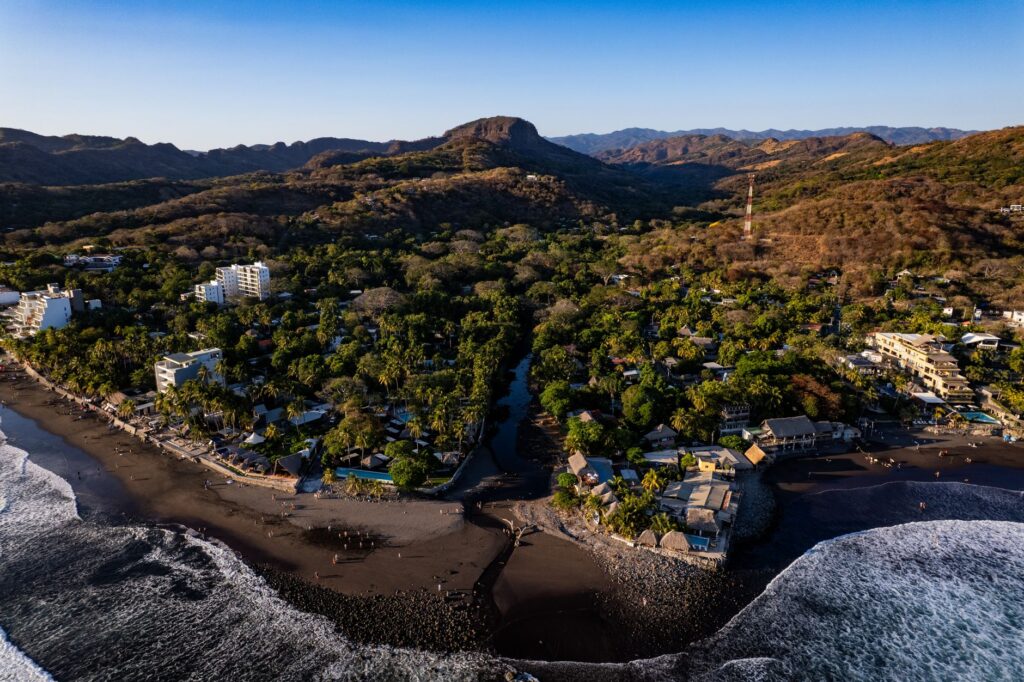
The flagship program known as Surf City has become the showcase of Salvadoran tourism policy. Concentrated primarily on the coastal strip of La Libertad department, this project has transformed traditional fishing villages into cosmopolitan enclaves where international surfers, digital nomads, and weekend tourists coexist. Investments in boardwalks, lighting, and environmental sanitation have significantly improved hygiene and security standards in these areas.
Despite visible progress, water management and wastewater treatment remain Achilles’ heels for sustainable coastal development. The exponential increase in demand for tourism services exerts severe pressure on local aquifers. Economic growth along the coastline cannot be sustained if it jeopardizes access to drinking water for the communities that have historically inhabited and cared for these shores.
The Blue Economy and Marine Conservation
Integrating surfing with environmental conservation is one of the most complex promises of the Salvadoran model. El Salvador’s beaches, famous for their legendary right-hand point breaks, also harbor fragile mangrove ecosystems and estuaries that function as natural barriers against climate change and nurseries for marine biodiversity. Local initiatives for beach cleanups and sea turtle protection attempt to keep pace with the real estate and tourism boom.
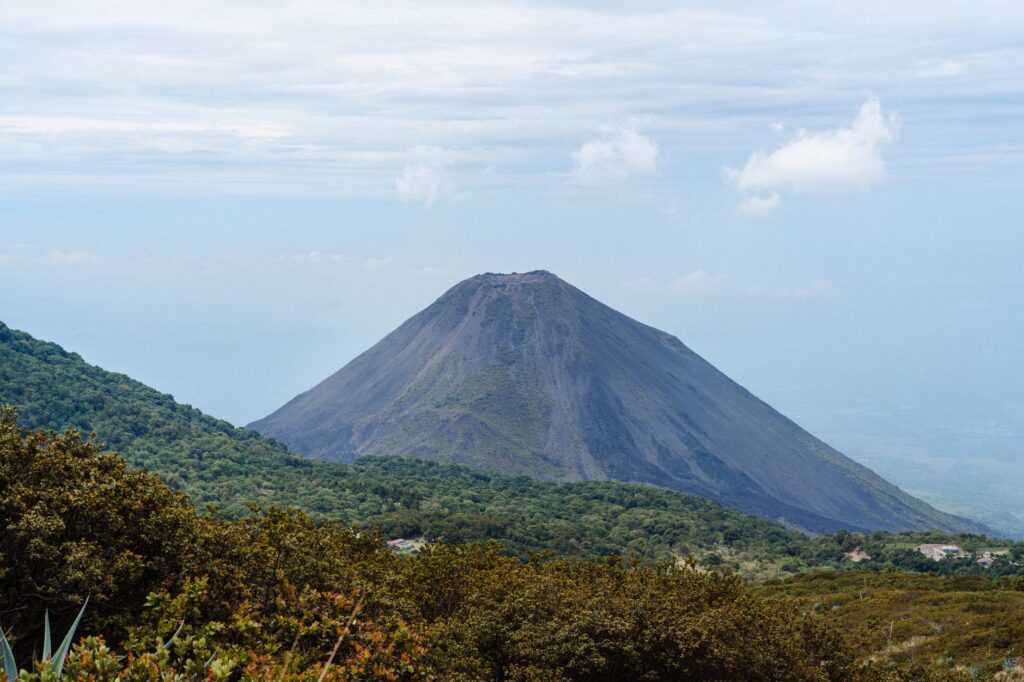
Local environmental organizations have insisted on the establishment of strict zoning regulations that protect salt forests and nesting sites. Without a rigorous oversight framework, tourism development risks devouring the very natural attractions that motivate travel, turning the destination into a victim of its own commercial success.
Interior Heritage: The Rebirth of the Flower Route and Highlands
While the coast captures international headlines, El Salvador’s western region offers an indispensable cultural counterbalance. The so-called Flower Route—a corridor traversing coffee-growing towns like Apaneca, Juayúa, and Concepción de Ataco—represents another facet of national tourism, centered on historical heritage, traditional gastronomy, and the artisan traditions of Nahua-Pipil peoples.
This inland tourism demands a different approach from the coastal model, focusing more on respect for community traditions and circular economy. Local coffee grower cooperatives have begun diversifying their income by offering agritourism experiences, allowing travelers to understand the complex cultivation process of high-altitude coffee and its relationship with the microclimate of the Apaneca-Ilamatepec mountain range.
Vernacular Architecture and Historical Memory
Preserving colonial and republican architecture in highland towns is a monumental challenge against commercial modernization pressures. Wattle-and-daub and French tile houses now compete with luminous signs and new concrete constructions. The key to the sustainability of these settlements lies in safeguarding their visual and social identity without falling into artificial museification.

Cultural authorities face the task of training local property owners in heritage-respectful restoration techniques. Keeping patron saint festivities, traditional markets, and native languages alive is just as vital to tourism appeal as road conditions or hotel offerings.
The Human Factor: Local Communities in the Tourism Mirror
No international projection strategy can be considered successful if it does not equitably improve the quality of life of those who inhabit the territory. In El Salvador, the transition of agricultural and fishing communities into tourism service providers has generated both social mobility opportunities and deep cultural tensions.
Technical training programs in hospitality, gastronomy, and basic English have allowed rural youth to access formal jobs previously inaccessible to them. However, labor precarity and sector seasonality continue to affect the economic stability of many families, underlining the urgency of strengthening labor rights throughout the tourism value chain.
Gastronomy and Food Sovereignty
Salvadoran cuisine, with the pupusa as its undisputed banner, is experiencing a moment of culinary revaluation. Municipal markets and small traditional diners now attract international gourmets eager for authenticity. This revaluation must translate into direct support for local agricultural producers to guarantee the country’s food sovereignty.

Connecting high-end hotels and restaurants with small farmers reduces the carbon footprint of the tourism industry and ensures that the value generated by food consumption remains within the national economy. Sustainable gastronomy is not merely a commercial label, but a chain of solidarity between land and table.
Practical guide
How to get there: El Salvador International Airport (SAL), located in Comalapa, receives direct daily flights from major North and Central American cities. Official transfers or authorized transport services are recommended.
When to visit: The dry season, spanning from November to April, offers the best sunny days and optimal surfing conditions. The green or rainy season (May to October) presents more vibrant landscapes and fewer visitors.
Entry requirements: Citizens of the European Union and North America do not require a visa for tourist stays under 90 days, needing only to purchase a tourist card upon entering the country.
Internal mobility: Car rental is viable for those wishing to explore with flexibility, though mountain routes require caution. Interurban bus routes connect major cities at low cost.

Sustainable travel: Prioritize consumption in local markets, respect waste management regulations in protected areas, and support certified community-based rural tourism initiatives.
The Emotional Horizon of a Transforming Country
At dusk, when golden light strikes the Pacific waves at Sunzal or filters through the mist of Apaneca’s coffee plantations, El Salvador reveals its most intimate dimension. Beyond macroeconomic indicators, advertising campaigns, and migration flows that have marked its recent history, the country pulses to the rhythm of a restrained and tenacious hope.
Tourism, in its noblest expression, acts as a mirror where the nation examines itself, recognizing the value of its land and the dignity of its people. The grand open question is whether this international momentum will succeed as a project of social justice and environmental balance, or remain a fleeting promise. For now, the traveler arriving with an open mind finds a territory willing to tell its own story, far from old stereotypes and firmly anchored in the indomitable beauty of its landscape.
Source: Google News summary based on reporting by nomadlawyer.org (El Salvador Broadens Its International Reach Through Strategic Tourism Initiatives).