
Introduction to the Amphibious Territory of Friesland
The province of Friesland, situated in the north of the Netherlands, represents a delicate balance between solid ground and the Wadden Sea, an ecosystem designated as a UNESCO World Heritage Site. Historically, connectivity between the polders, dikes, and the West Frisian islands—such as Vlieland, Terschelling, Ameland, and Schiermonnikoog—has relied on energy-intensive and complex infrastructure. Today, this region is undergoing a radical transformation in its mobility model to meet the demands of Europe’s green transition, prioritizing the reduction of greenhouse gas emissions without isolating local communities or disrupting the dynamic tidal flows that characterize the landscape.
The core challenge facing regional authorities and transport operators is twofold: reconciling the mobility rights of residents and visitors with the strict preservation of highly sensitive natural habitats. Unlike continental urban centers, where road electrification is progressing steadily, coastal and island environments demand bespoke solutions adapted to saline corrosion, meteorological variability, and tourism seasonality. This report examines how the combination of low-impact regional trains, electrified marine fleets, and coordinated land management is redefining public transport in one of northern Europe’s most unique landscapes.
The Railway Backbone: Modernization and Sustainable Traction
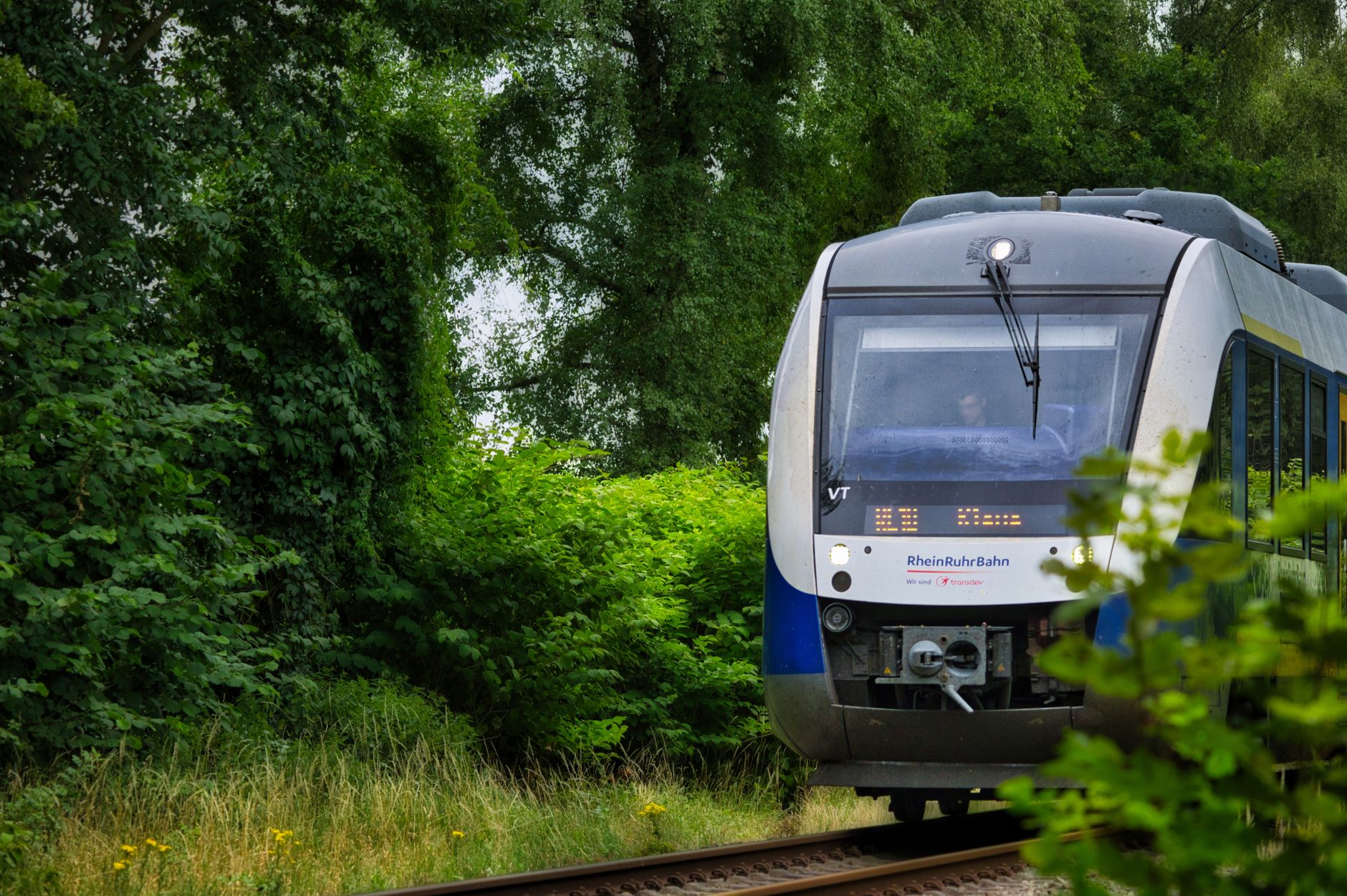
The railway system connecting Leeuwarden with key towns such as Harlingen and Stavoren forms the backbone of Frisian land transport. For decades, these secondary lines operated with diesel units that, while reliable, generated an acoustic and carbon footprint incompatible with the province’s environmental goals. Centralized investments have enabled the gradual introduction of state-of-the-art hybrid and electric units, optimized to minimize energy consumption on single tracks and reduce visual impact on the surrounding agricultural landscape.
This network modernization goes beyond simply replacing locomotives. Local railway operators, in collaboration with the company Arriva and the provincial administration, have redesigned timetables to guarantee seamless synchronization with ferry services to the islands. This multimodal approach eliminates downtime at transfer nodes, particularly at critical junctions like Harlingen Haven, where thousands of passengers transition daily from train to ship. Tariff integration through the national OV-chipkaart further simplifies a smooth, frictionless travel experience for both daily commuters and occasional travelers.
Energy Efficiency on Low-Density Routes
Operating railway lines in low-population-density areas presents unique economic and technical challenges. In Friesland, traditional overhead catenary electrification across the entire route was dismissed due to its high visual impact on the flat horizon of the polders and prohibitive maintenance costs on unstable clay soils. Instead, the region has opted for trains equipped with high-capacity batteries that recharge during terminal stops and through regenerative braking energy recovery.
This hybrid-electric technology covers entire segments with zero direct emissions, drastically cutting noise pollution near residential areas and protected nature reserves. Railway engineers note that the maintenance costs of these units are 20 percent lower than older diesel models, ensuring the long-term financial viability of lines that might otherwise face service cuts or permanent closures by national authorities.
The Blue Transition: Electrification of the Ferry Fleet
If trains dominate the mainland, maritime navigation is the indispensable umbilical cord for the Frisian islands. For generations, the ferries connecting the continental coast with Terschelling and Vlieland have consumed massive quantities of fossil fuels. In response, shipping company Doeksen and other marine operators have spearheaded an ambitious fleet renewal program based on liquefied natural gas (LNG) propulsion and, more recently, fully electric systems powered by locally generated wind and solar energy.
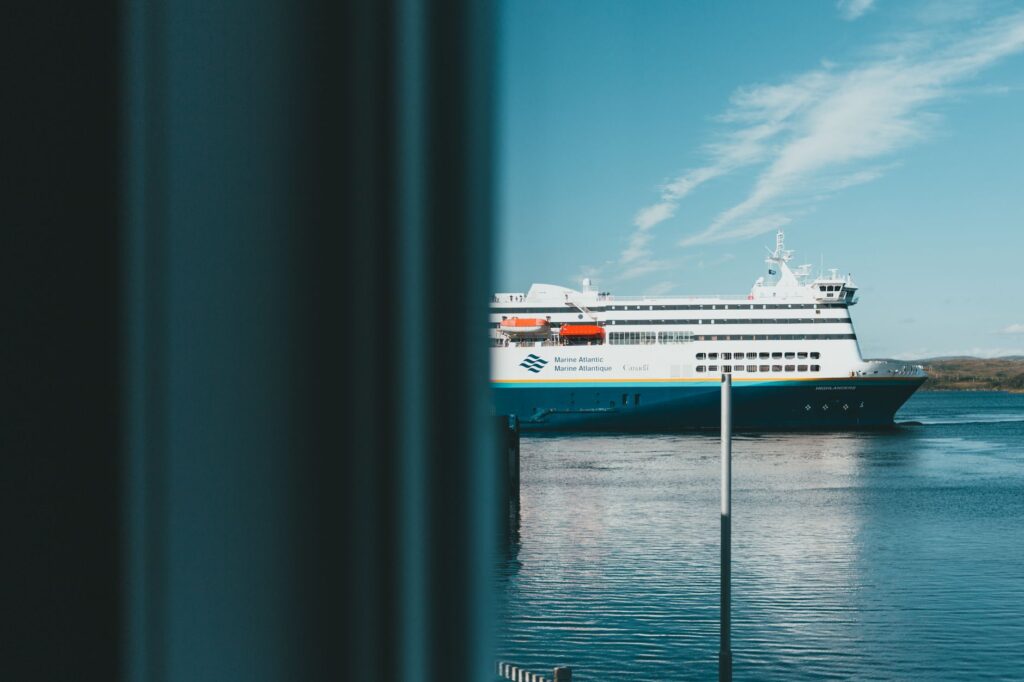
New vessels such as the catamaran Willem Barentsz now operate on ecologically sensitive routes with a significantly reduced carbon footprint. Their hydrodynamic design optimizes energy consumption, while onboard heat recovery systems harness residual energy to climate-control passenger lounges. This maritime transformation proves that regular frequencies and high cargo capacities can be maintained without compromising water quality or disturbing the marine fauna of the Wadden Sea.
True sustainability in island transport is not merely about changing the energy source, but about rethinking the scale and purpose of every journey to respect the physical limits of the natural environment.
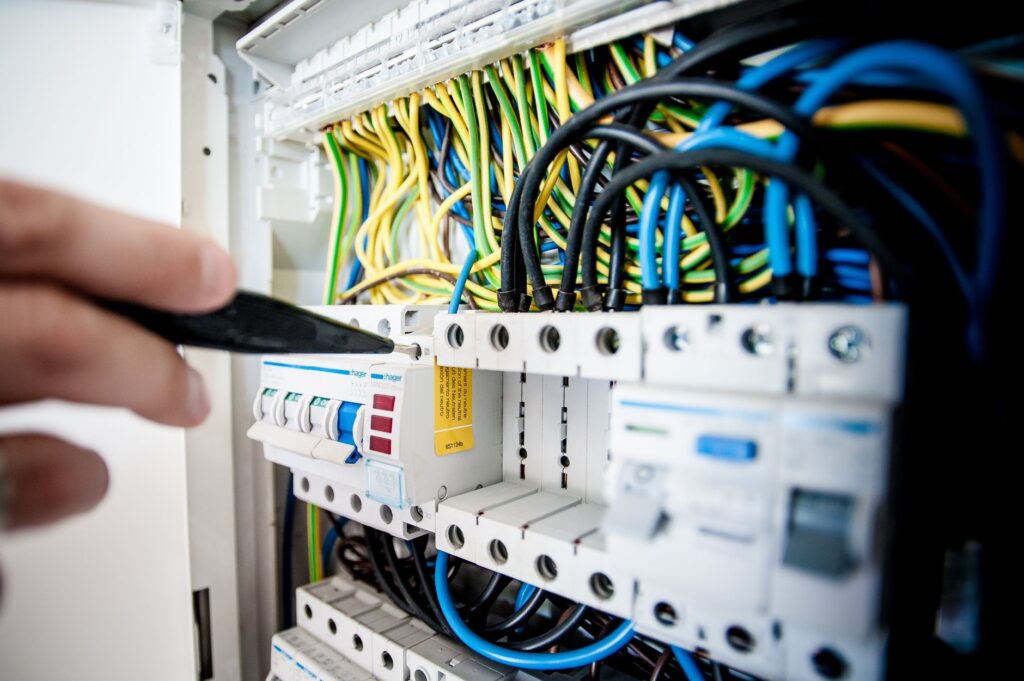
Nevertheless, naval electrification faces considerable operational hurdles, primarily related to available electrical grid capacity at continental and island ports for rapid recharging between trips. The ports of Harlingen and Terschelling have had to upgrade their electrical substations to handle energy demands equivalent to those of small neighborhoods during docking peaks, an engineering feat illustrating the hidden complexity behind every ferry ticket.
The Role of Island Communities in Traffic Management
On islands like Schiermonnikoog, where private vehicle access is strictly restricted for visitors, sustainable mobility has been an entrenched norm for decades. Tourists must leave their cars in peripheral parking lots on the mainland port and utilize local public transport, consisting of electric buses and bicycle rental fleets. This model, managed in close collaboration between the island municipality and residents, has served as a testing laboratory for other islands in the archipelago.
Citizen participation has been decisive in preventing conflicts between permanent residents’ needs and summer tourist influxes. Decisions regarding island bus frequencies and charging station locations are made in open assemblies where economic indicators are weighed alongside environmental impact reports drafted by marine biologists and migratory bird conservation experts.
Soft Infrastructure and Intermodal Cycling Networks
Sustainable mobility in Friesland does not end with trains and boats; the bicycle occupies a central place in the regional transport strategy. The province features thousands of kilometers of paved, well-signed cycling paths separated from heavy motorized traffic. These lanes are not mere recreational amenities, but daily commuting routes utilized by workers and students traveling between neighboring villages before connecting with the main rail network.
To boost intermodality, Frisian train stations have been equipped with underground and surface bicycle parking facilities accommodating thousands of units, featuring free charging points for electric bicycles. Furthermore, regional trains permit free or low-cost bicycle transport outside peak hours, allowing travelers to complete the so-called ‘last mile’ actively and emission-free.
- Expansion of secure bicycle parking facilities at Leeuwarden and Sneek railway stations.
- Integration of electric bike-sharing services at ferry connection ports.
- Preventive maintenance of cycle lanes using permeable pavements that reduce puddling risks.
- Real-time digital signage indicating available bicycle space on regional trains.
Economic and Operational Challenges of Island Transport
Despite technological and regulatory advancements, the Frisian transport model faces persistent financial tensions. Subsidizing high-quality public services in low-population regions requires a continuous budgetary commitment from the Dutch state and the European Union. Rising electricity costs and specialized fleet maintenance expenses test the resilience of regional operators, forcing them to constantly pursue operational efficiencies.
Another critical challenge is managing seasonal demand peaks. During summer months, the population of certain islands multiplies fivefold, temporarily overwhelming ferries and island bus services. Provincial authorities seek to mitigate this phenomenon through deseasonalization campaigns and mandatory advance reservation systems for vehicles and passengers on select ferry routes, a measure that often sparks debate among local commercial sectors.
Practical guide
Planning a sustainable trip to the province of Friesland and its islands requires understanding the interconnection between its various public transport networks. Essential guidelines for moving through the region efficiently and respectfully are detailed below.
Getting There and Around
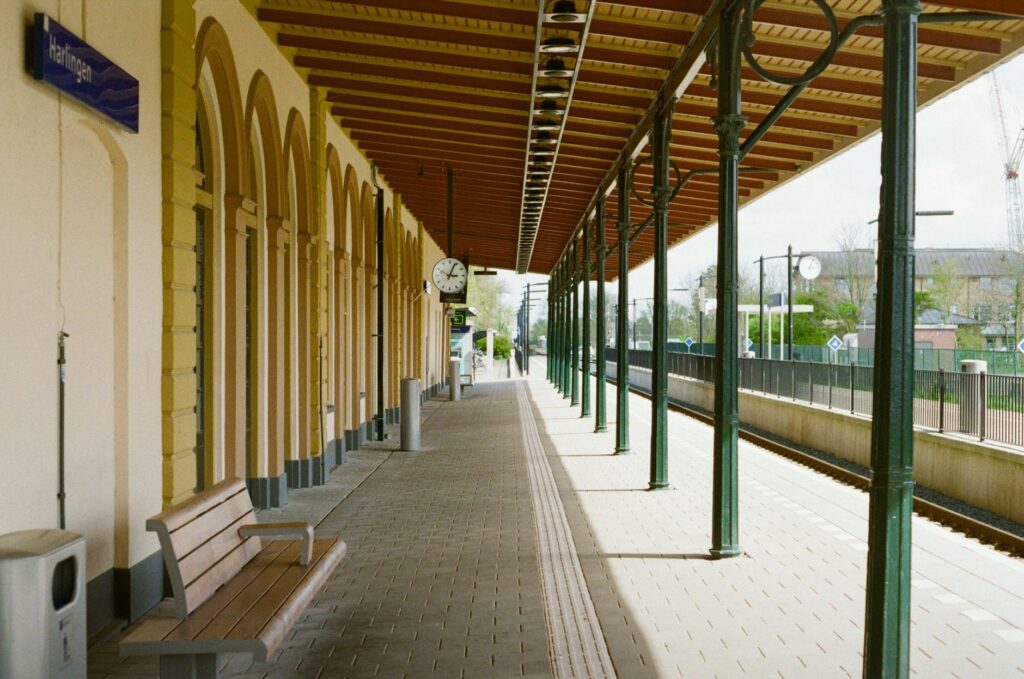
The primary gateway to the region is Leeuwarden, accessible via direct trains from Amsterdam and Utrecht operated by Nederlandse Spoorwegen (NS). From Leeuwarden central station, Arriva regional trains connect to Harlingen Haven, the departure point for ferries to Vlieland and Terschelling. For the islands of Ameland and Schiermonnikoog, boarding ports are located in Holwerd and Lauwersoog respectively, both reachable via direct bus lines synchronized with boat schedules.
Tickets and Integrated Payments
The Dutch public transport system utilizes the OV-chipkaart or contactless OVpay payment system, enabling entry to trains, buses, and trams simply by tapping a bank card, mobile phone, or transit card at departure and arrival terminals. For island ferries, advance ticket purchases via official shipping line websites (such as Doeksen or Wagenborg Passagiersdiensten) are strongly recommended, especially during long weekends and the summer season.
Local Rules and Travel Recommendations
On islands like Schiermonnikoog and Vlieland, where car use is prohibited for visitors, bicycle rental is the optimal way to get around. It is essential to respect traffic rules on natural trails and stay on marked paths to protect dunes and bird nesting sites. Additionally, checking weather forecasts and tide tables is advised, as maritime conditions in the Wadden Sea can occasionally alter ferry timetables.
Final Reflection on the Amphibious Horizon
The case of Friesland proves that transport sustainability is not an urban utopia, but a rigorous exercise in local adaptation, technological investment, and respect for ecological limits. By weaving together hybrid trains, electrified ferries, and a capillary network of bicycle paths, the Dutch province has successfully united its population without sacrificing the integrity of its fragile natural surroundings. In a continent desperately seeking formulas to decarbonize its economy without fracturing its rural fabric, the tidal flats of the northern Netherlands offer a masterclass in balance, prudence, and forward-thinking vision.