
A Threshold of Marble and Silence
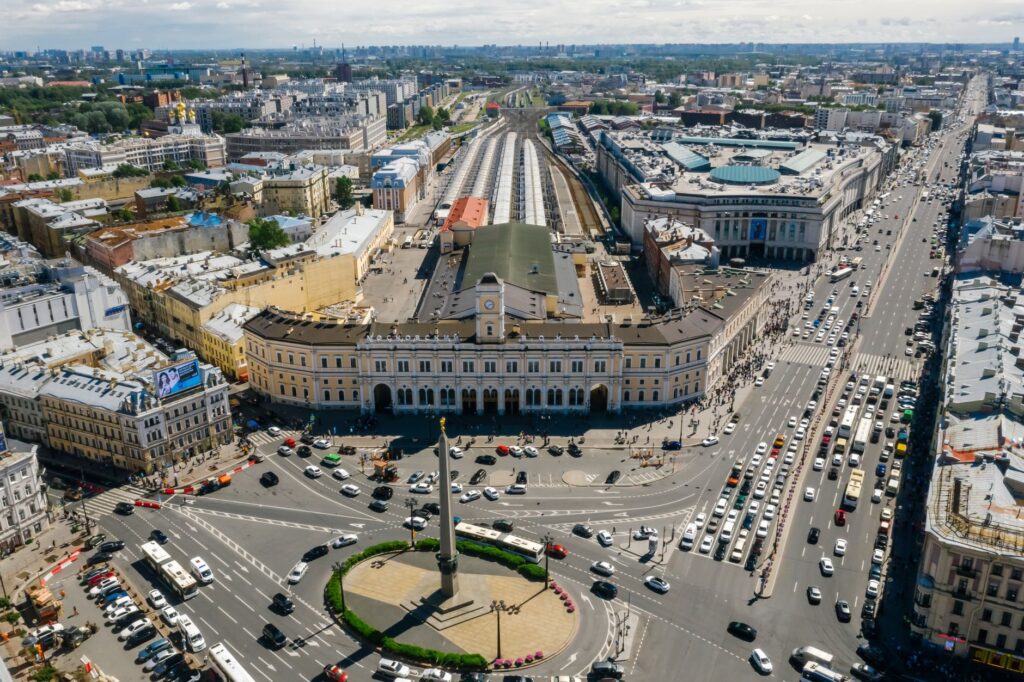
For decades, the immediate perimeter of Roma Termini station was regarded as a purely functional passage—a place of arrival and departure where travelers sought quick shelter before plunging into the classic circuits of the historic center. However, the urban geography of the Italian capital is fluid and mutable. In recent years, this nerve center has experienced a profound urban and cultural renaissance, transforming itself into a destination in its own right for those who view contemporary travel through the lens of efficiency and refined design. The opening of high-end hotels in this sector does not stem from real estate coincidence, but rather from a strategy of intelligent hospitality that values immediacy without sacrificing aesthetic rigor.
Approaching the Termini area today requires stripping away inherited prejudices. Here, monumental Rome engages in a direct dialogue with early 20th-century rationalist architecture and the boldest contemporary interventions. The result is a territory where the sophisticated traveler finds a rare balance: absolute tranquility behind armored doors and landscaped interior courtyards, combined with the ability to board a high-speed train or walk to major basilicas in a matter of minutes. This report explores eleven unique hotel enclaves that demonstrate how rail transit in Rome is no longer a dreary formality, but the starting point for total immersion.
The Architecture of Movement and Calm
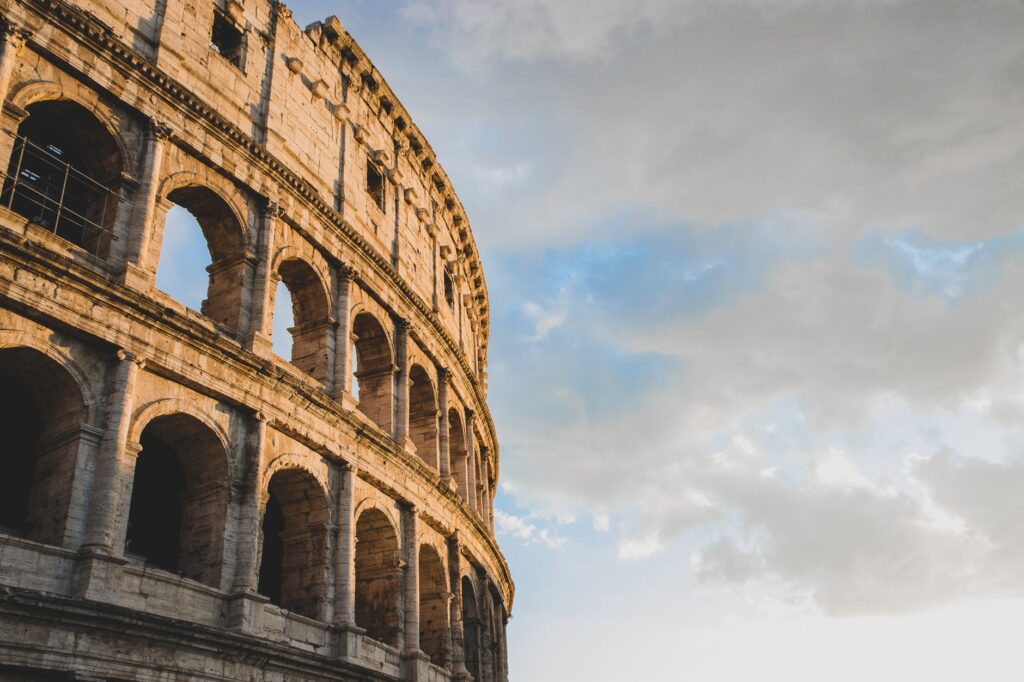
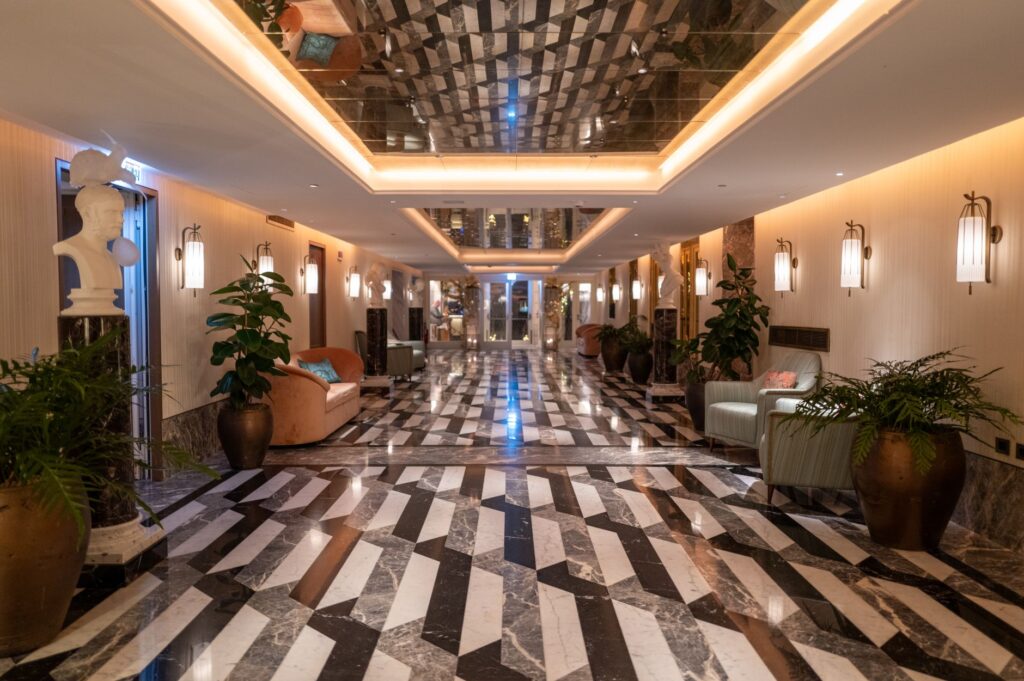
The primary triumph of these establishments lies in their ability to shut out outside commotion through top-tier architectural solutions. Umbertine-era buildings, rationalist palazzos, and former institutional headquarters have been rehabilitated by internationally acclaimed interior design firms to create oases of silence. Rather than competing with the monumentality of the Colosseum or the Vatican, these hotels embrace sober elegance, where clean lines, traditional Italian noble materials—such as travertine, walnut, and virgin wool textiles—and zenithal lighting construct an atmosphere of containment and reposeful luxury.
The true contemporary luxury at the heart of a transport hub lies in the ability to decelerate the urban pulse as soon as one crosses the threshold.
This approach to space redefines the short stay or technical stopover. It is no longer just a place to sleep before catching an early morning flight or train, but spaces conceived for profound rest. Rooms prioritize absolute soundproofing, intuitive home automation systems, and generously proportioned beds that invite pause. It is a direct response to the needs of the global traveler seeking to maximize time without sacrificing physical comfort or visual stimulus.
Between Umbertine Palaces and Contemporary Design
The architectural heritage surrounding Termini station is a silent witness to Italy’s modern history. Many of the hotels currently leading the upscale offering occupy buildings constructed in the late 19th century, during the major urban expansion wave the city experienced after becoming the capital of the kingdom. These structures feature high ceilings, original moldings, and imposing facades that retain the patina of time—a fascinating contrast when combined with mid-century furniture or contemporary design pieces custom-created by local artisans.
The rehabilitation of these buildings has demanded a delicate balancing act between heritage preservation regulations and the demands of international hotel comfort. Interior courtyards, once dark service shafts, have been transformed into winter gardens where guests breakfast under natural light surrounded by Mediterranean vegetation. This constant dialogue between the city’s monumental past and global design trends turns every stay into a subtle lesson in urban history.
The Gastronomic Renaissance of the East District
Traditionally relegated to a purely functional culinary offer, the area adjacent to Roma Termini is experiencing a true revolution in the kitchen. The upper-tier hotels in this sector have stopped viewing their restaurants as mere service complements, turning them into independent dining destinations that attract both international guests and demanding Romans. The menu oscillates between the bold reinterpretation of urban trattoria classics and avant-garde haute cuisine signed by acclaimed young chefs.
The table becomes the ultimate vehicle connecting the transit traveler with the seasonal pantry of Lazio and neighboring regions.
Humble ingredients like wild chicory, pecorino romano, and noble offal are elevated through French or Asian precision techniques without ever losing their territorial anchor. Wine lists, meanwhile, prioritize small independent wineries from the Alban Hills and northern Lazio, offering a liquid narrative that complements the lodging experience and consolidates this district as an emerging culinary hub.
Tailored Services for the Global Traveler
In a transport hub of Termini’s scale, operational efficiency is the pillar supporting the hospitality experience. The eleven selected establishments stand out for an auxiliary service catalog specifically designed to resolve the usual frictions of modern travel. From ultra-fast digital check-ins to personalized luggage assistance services on high-speed platforms, attention to detail seeks to eliminate any hint of logistical stress.
Furthermore, these hotels have successfully integrated flexible workspaces meeting the demands of business travelers and digital nomads. Quiet co-working zones, meeting rooms equipped with state-of-the-art technology, and high-speed fiber optic connections ensure operational continuity without leaving the hotel perimeter. Connectivity, however, is balanced with planned moments of disconnection, such as private spa circuits and wellness treatments rooted in Roman thermal tradition.
Sustainability and Community Roots
The integration of these large hotels into their immediate surroundings has generated a positive impact on neighboring districts, especially in areas with a strong multicultural character like Esquilino. Far from constituting airtight bubbles of isolated luxury, many of these establishments promote local sourcing initiatives, collaborating with historic markets such as Piazza Vittorio Emanuele II for fresh supplies. Likewise, rigorous protocols for energy efficiency, single-use plastic reduction, and intelligent water resource management have been implemented in historic buildings where technical modernization represents a major challenge.
blockquote>True sustainability at the heart of a major European capital involves revitalizing existing heritage and forging economic alliances with the local community.
This commitment to the environment also translates into supporting local artistic talent. Common areas in these hotels frequently host temporary exhibitions of contemporary photography, sculpture, and design by Rome-based creators, turning lobbies and corridors into accessible art galleries for both guests and casual visitors seeking an alternative cultural perspective.
Practical guide
Planning a stopover or a brief stay around Roma Termini requires knowing certain logistical keys to maximize time and ensure a seamless experience. Essential recommendations for navigating this sector of the city efficiently are detailed below.
- Location and Access: The central station is directly connected to Fiumicino Airport (via the Leonardo Express train in 32 minutes) and Ciampino (with frequent shuttle buses).
- Urban Mobility: Metro lines A and B converge at Termini, allowing access to the Colosseum, Trevi Fountain, or Vatican Museums in under fifteen minutes.
- Best Time to Visit: Spring months (April to May) and autumn (September to October) offer optimal walking temperatures and less crowding at transit hubs.
- Advance Booking: Given high corporate and transit demand, securing accommodation at least three months in advance is recommended, especially for upper categories.
- Local Dining: Be sure to explore the vicinity of Via Marsala and Via Giovanni Giolitti to discover contemporary bistros and high-quality artisan bakeries.
The Art of the Ultimate Pause
At the end of the journey, choosing accommodation near Roma Termini transcends mere geographic convenience. It is a statement of intent on how to inhabit the contemporary city: with agility, aesthetic sensibility, and a deep appreciation for urban contrasts. As the sun sets behind the station’s imposing facade and the neighborhood’s lights begin to twinkle, the traveler resting in these privileged refuges understands that Rome’s true essence lies not solely in its ancient ruins, but in its perpetual capacity to reinvent itself, offering a safe harbor amid the unceasing flow of the modern world.
Source in EN: Condé Nast Traveler – The 11 Best Hotels in Rome Near Roma Termini Station for a Seamless Stopover (https://www.cntraveler.com/gallery/editor-approved-hotels-near-roma-termini-station-for-a-luxe-layover-in-rome)