
Beyond the natural ramparts imposed by the mountain ranges of northern Portugal, the territory folds inward to safeguard a way of life that time seems to have deliberately forgotten. Trás-os-Montes, an uncompromising geography sculpted by historical isolation, unfurls as a vast reservoir of authenticity where the Iberian Peninsula displays its most enigmatic, rugged, and striking edges. Here, the land is not merely a physical platform, but the living archive of a collective memory that refuses to dissolve into the relentless tide of modern tourism.
This editorial journey traverses the comarcas where geology dictates the daily rhythm. Between profound river valleys carved by the Douro and high plateaus lashed by rigorous winters, this Portuguese frontier reveals a fascinating duality: the raw severity of the Terra Fría and the solar generosity of the Terra Quente. Through granite villages, ancient chestnut woodlands, and atavistic rituals, we examine how one of Europe’s best-kept secrets manages to endure.
The Dual Soul of an Untamed Territory
Comprehending Trás-os-Montes requires accepting its geography as a destination in its own right. Its very name denotes a boundary condition: living beyond the mountains meant centuries of existing on the margins of major trade routes and Lisbon’s centralizing decrees. That secular seclusion forged a resilient yet deeply hospitable character among its inhabitants, who long depended strictly on local resources for survival.
The territory divides climatically and scenically into two distinct domains. To the north and east, the Terra Fría displays elevated tablelands where thermometers plunge during protracted winters. This is the undisputed realm of the chestnut tree, whose dense forests blanket entire hillsides, providing sustenance, timber, and shelter. To the south and west, descending toward the basins of the Douro and Túa rivers, the Terra Quente introduces a Mediterranean palette dominated by centenarian olive trees, blossoming almond orchards, and terraced vineyards.
The Architecture of Granite and Slate
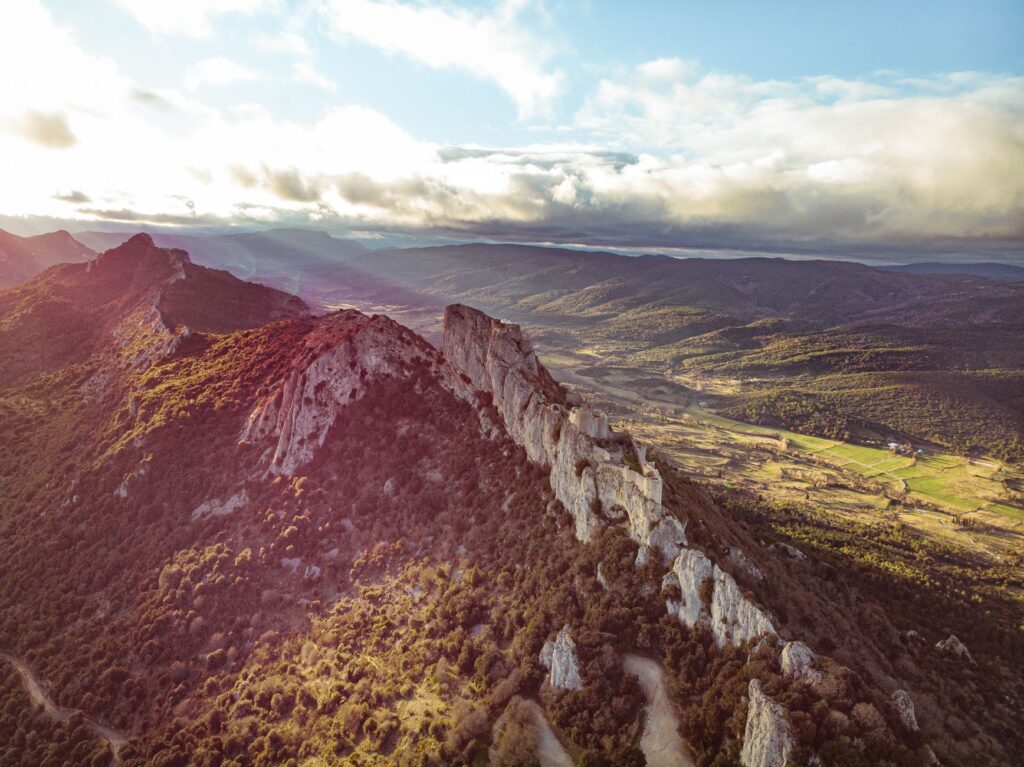
Wandering through villages like Rio de Onor, Guadramil, or Pitões das Júnias is akin to stepping into an open-air museum of vernacular architecture. Here, houses are constructed from massive blocks of granite or dark slate tiles, free of decorative posturing, responding strictly to the imperative of withstanding harsh weather. Many of these structures feature a double-story layout: the upper level dedicated to family living and the lower level historically reserved for livestock, capitalizing on animal heat.
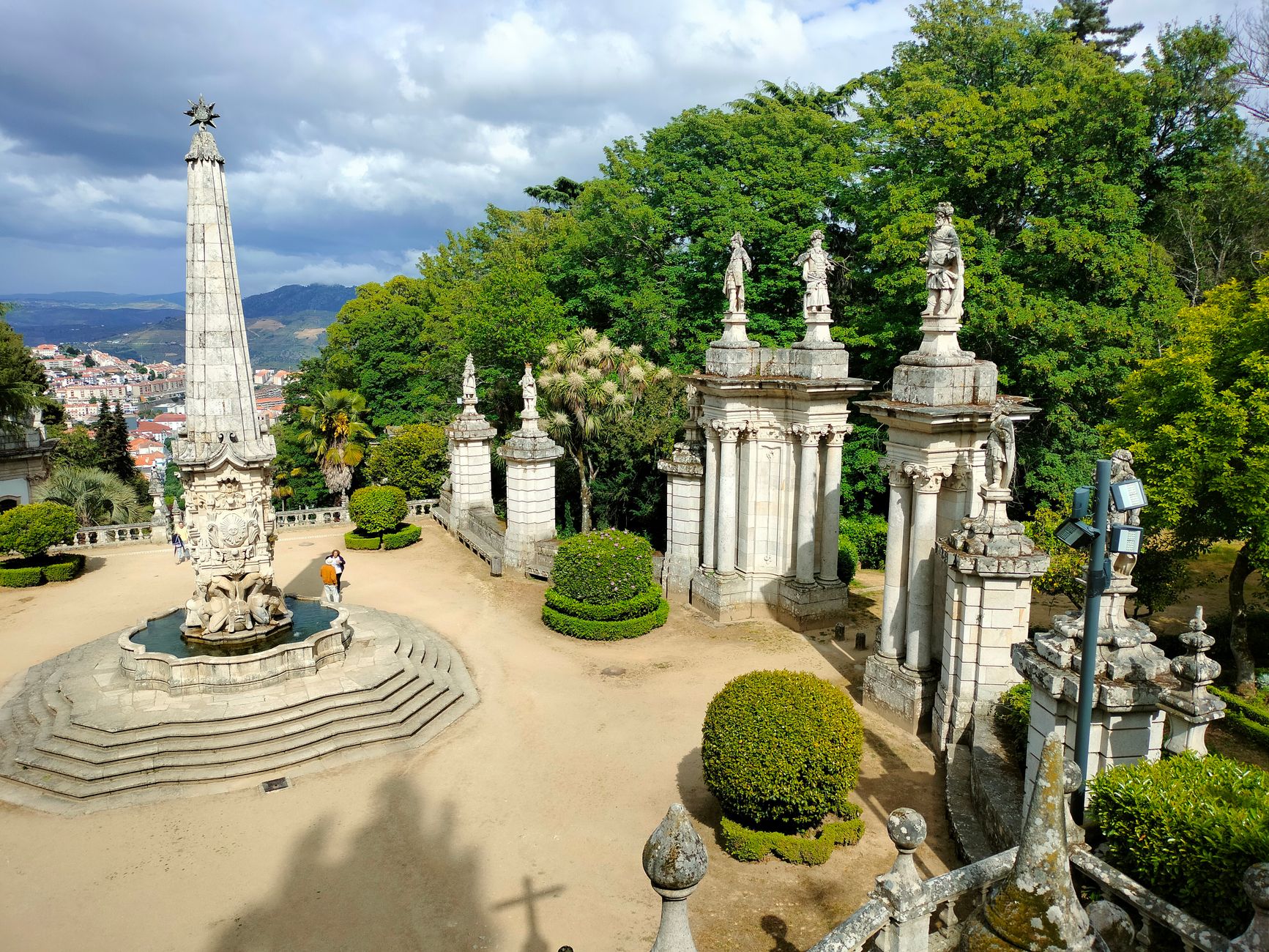
Within these medieval urban cores, streets are narrow and cobblestoned, designed for the unhurried passage of carts and pedestrians. The absence of intrusive contemporary elements preserves an atmosphere of timelessness. Communal ovens and shared threshing floors continue to remind visitors that survival in these uplands historically depended on neighborly solidarity and the collective management of vital resources.
The Sacred Woodlands of the Terra Fría
The landscape of the Terra Fría is dominated by vegetation adapted to the cold and the relative humidity of high altitudes. The *soutos*, or chestnut groves, are not merely productive spaces but genuine natural monuments. Certain individual chestnut trees exceed five hundred years of age, their trunks whimsically twisted by lightning and centuries, hollowed out yet still capable of bursting into green leaf every spring with astonishing vigor.
During autumn, these forests transform into melancholy, beautiful sanctuaries carpeted with crisp leaves and spiny burrs. For local communities, chestnut harvesting has traditionally served as a crucial economic activity and a social event uniting entire families. This fruit provides broths, flours, and accompaniments that anchor mountain gastronomy during the harshest months of the year.
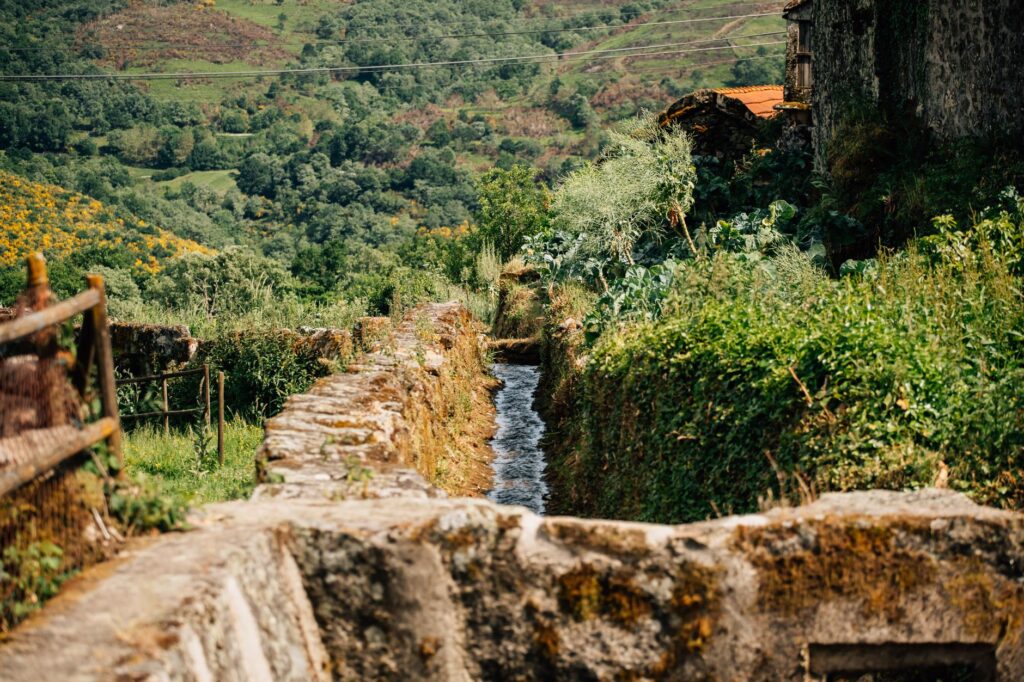
Trás-os-Montes cannot be rushed; it demands the patience of anyone who understands that authenticity takes time to reveal itself and commands respect for the rhythms of the earth.
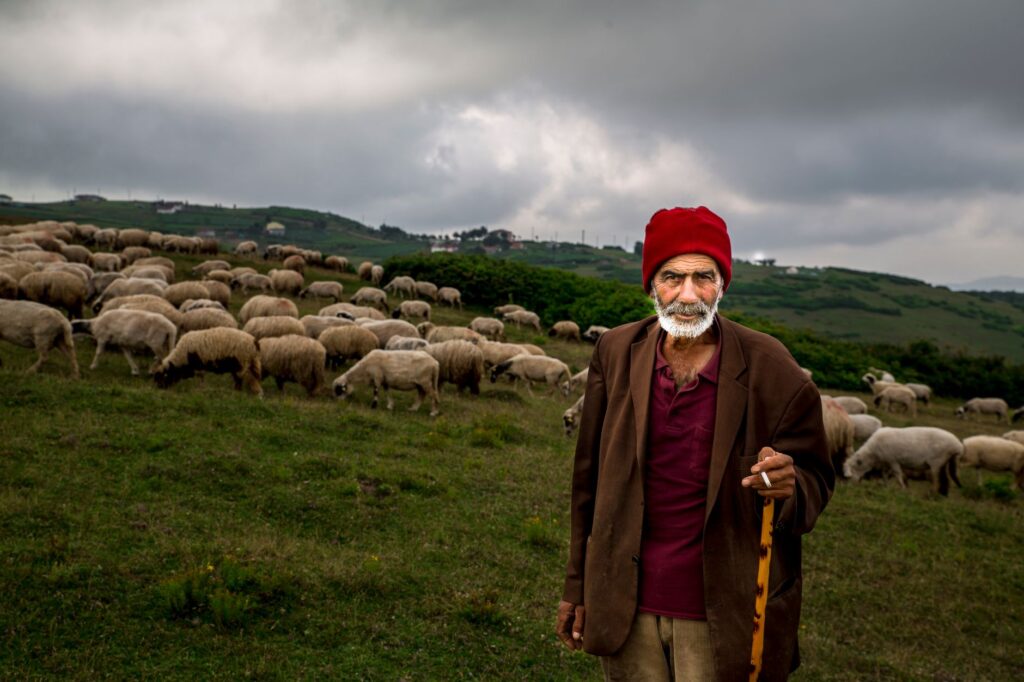
Alongside the chestnut, Pyrenean oak and silver birch complete a woodland ecosystem that serves as a sanctuary for emblematic Iberian wildlife, such as the Iberian wolf, which finds in these depopulated ranges one of its last secure strongholds in southern Europe. The presence of this apex predator shapes the ancestral relationship between humans and nature, compelling shepherds to maintain traditional flock-protection techniques, including the formidable Transmontano mastiff.
The Mediterranean Pulse of the Terra Quente
Crossing the invisible frontier of the heights down into the river valleys, the landscape softens radically. The Terra Quente offers a chromatic contrast that startles travelers arriving from the grays and dark greens of the northern plateau. Here, olive groves occupy sun-drenched slopes, producing some of the most aromatic and complex extra virgin olive oils in Portugal, renowned for their low acidity and distinct fruitiness.
Almond trees stage the year’s first seasonal miracle. In late January and throughout February, their white and pink blossoms blanket the Sabor river valley, anticipating a spring experienced with extraordinary intensity at these latitudes. This agricultural cycle has also shaped the ethnographic heritage, leaving behind rock-cut wine and oil presses hewn directly into bedrock by pre-Roman and Roman civilizations.
The Douro as Border and Lifeline
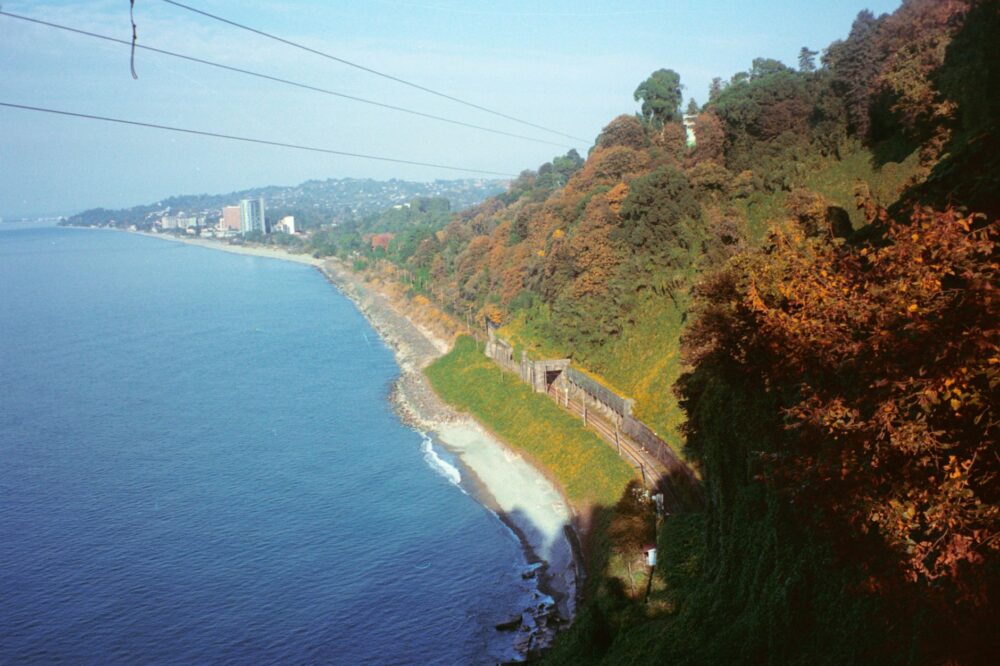
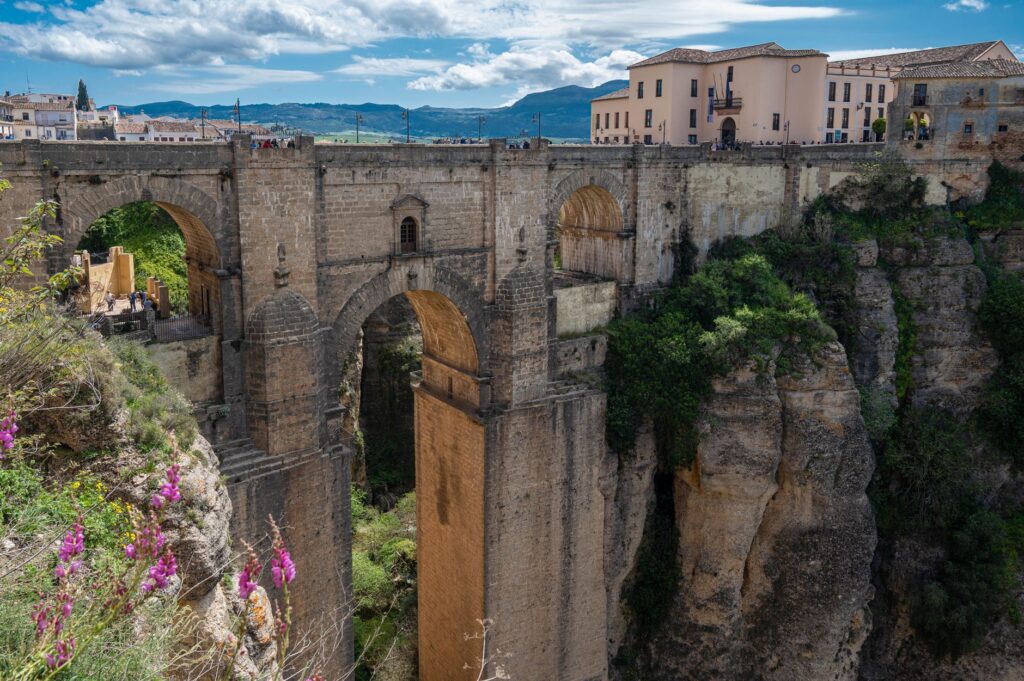
The Douro River acts simultaneously as the southern boundary and the umbilical cord of Trás-os-Montes. In its international stretch, where the river carves a path between vertiginous granite gorges, the landscape acquires an overwhelming scale. Natural viewpoints, such as São Lourenço or Fraga do Puio, offer dramatic perspectives over a fluvial abyss where Spain and Portugal gaze directly at one another.
This geography of deep canyons has been harnessed in recent decades for hydroelectric power generation, transforming certain stretches of the river into tranquil reservoirs that mirror the region’s pristine skies. Despite these massive engineering feats, the wild margins retain old fisherman’s paths and ancient bridleways ideal for leisurely hiking excursions.
Masks, Fire, and Winter Rites
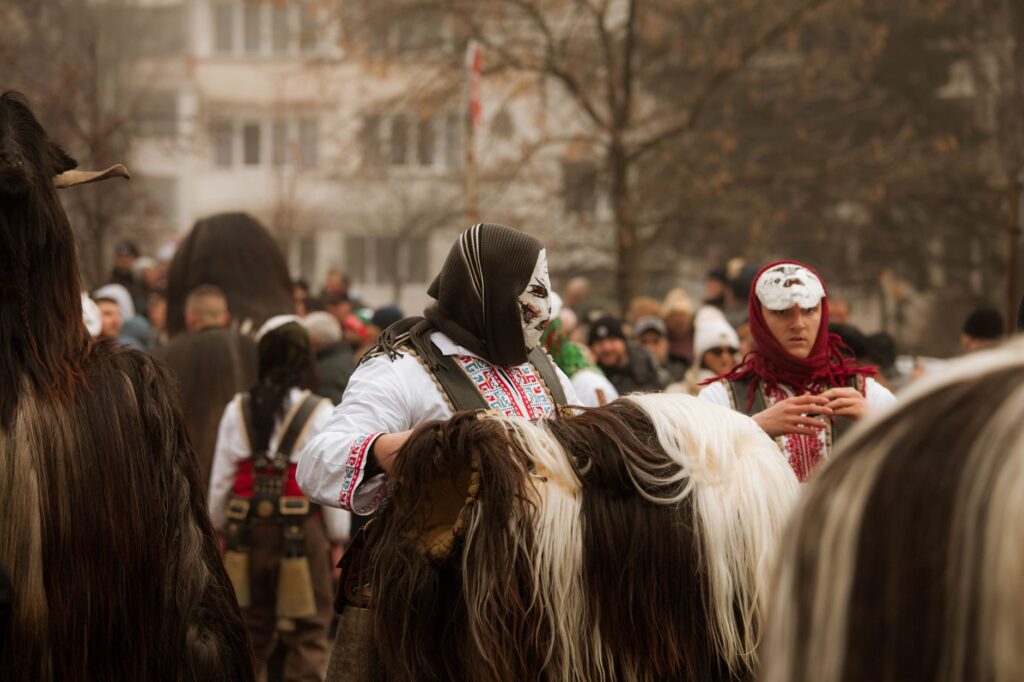
No exploration of Trás-os-Montes would be complete without delving into its mythological and festive universe. During the winter solstice and carnival cycle, villages across the region revive a pagan tradition unique to the Iberian Peninsula: the festivals of the *caretos* and devils. Young participants wearing brightly colored costumes, concealed behind brass or leather masks and hung with heavy cowbells, race through the streets chasing locals in a collective catharsis designed to banish evil spirits.
These celebrations, rooted in pre-Roman ancestral cults and linked to coming-of-age rites, are accompanied by massive communal bonfires that illuminate cold January nights. The purifying fire anchors community social life during these days, while the music of bagpipes and drums sets a frenetic rhythm that defies the elements.
The Gastronomy of Resilience
Transmontano cuisine is a faithful reflection of its climate and history: hearty, honest, based on top-tier local produce. Cured meats crafted from the native Bísara pig—an indigenous breed brought back from the brink of extinction—such as *salpicão* and *alheira*, enjoy well-deserved national renown. The latter, a smoked sausage blending poultry and pork meats with bread, carries a fascinating history tied to New Christians who simulated eating pork to evade the Inquisition.
The crown jewel is *fumeiro* served alongside robust bean and collard greens stews, or wood-oven roasted kid goat, tender and fragrant with mountain herbs. All of this is washed down with robust regional wines or crisp whites from the lower Douro foothills, closing a perfect sensory circle that binds the traveler to the deepest essence of the territory.
Practical guide
How to get there: The primary access to Trás-os-Montes is by road from Porto via the A4 highway, which pierces the Marão tunnel, drastically cutting travel time to Vila Real and Bragança. Porto’s international airport serves as the most convenient air gateway, located roughly a two-hour drive from the region’s main towns.
When to go: Spring (April to June) delivers pleasant temperatures and blooming landscapes, particularly in the Terra Quente. Autumn (October to November) is ideal for experiencing the chromatic spectacle of chestnut woods and seasonal gastronomy. Winter attracts travelers drawn to traditional masked festivals.
Where to stay: The rural tourism network (*Turismo no Espaço Rural*) provides magnificent options within converted manor houses, restored mills, and historic wine estates, spanning both Bragança and tiny historical villages like Miranda do Douro or Mogadouro.
Recommendations: Renting a vehicle is essential to explore secondary roads and reach lesser-known natural viewpoints. Visitors should respect local environmental protection guidelines, particularly within the Montesinho Natural Park.
The true measure of a journey through Trás-os-Montes is not recorded in kilometers traveled, but in the intensity of conversations shared beside the hearth with its residents.
At journey’s end, when the morning plateau mists dissipate beneath the afternoon sun, Trás-os-Montes leaves a lingering impression on the traveler. It is neither a destination of sugar-coated postcards nor mass crowds, but a sanctuary for the senses that rewards curiosity with the revelation of an authentic, proud, and eternal Portugal.
Source: Condé Nast Traveler Spain.