
In the northwestern extremity of Iceland, where basalt plateaus plunge into the North Atlantic through monumental sea cliffs, geography has dictated for centuries an existence defined by isolation. The Westfjords—or Vestfirðir—represent one of the most untamed territories on the European continent, a vast labyrinth of deep marine inlets, gravel roads suspended at the edge of abysses, and fishing settlements entirely dependent on reliable logistics. For decades, transportation in this region was at the mercy of the arctic winter’s whims, when ports froze over and mountain passes were buried under meters of snow. Today, however, this frozen periphery is undergoing a profound metamorphosis driven by an ambitious paradigm shift toward sustainable, low-emission mobility.
This transformation is not the result of a fashion imposed from distant offices, but a vital necessity for economic and demographic survival. Local communities, in partnership with the regional public transport operator and Iceland’s Ministry of Infrastructure, have designed a connectivity system that gradually replaces heavy diesel-powered vessels with a new generation of fully electric ferries and hybrid catamarans. At the same time, the secondary road network is being reconfigured by replacing hazardous sections with low environmental footprint tunnels and dedicated long-distance cycling lanes, proving that the ecological transition is entirely viable even in the planet’s harshest climatic environments.
The Geography of Isolation and the Urgency of Change
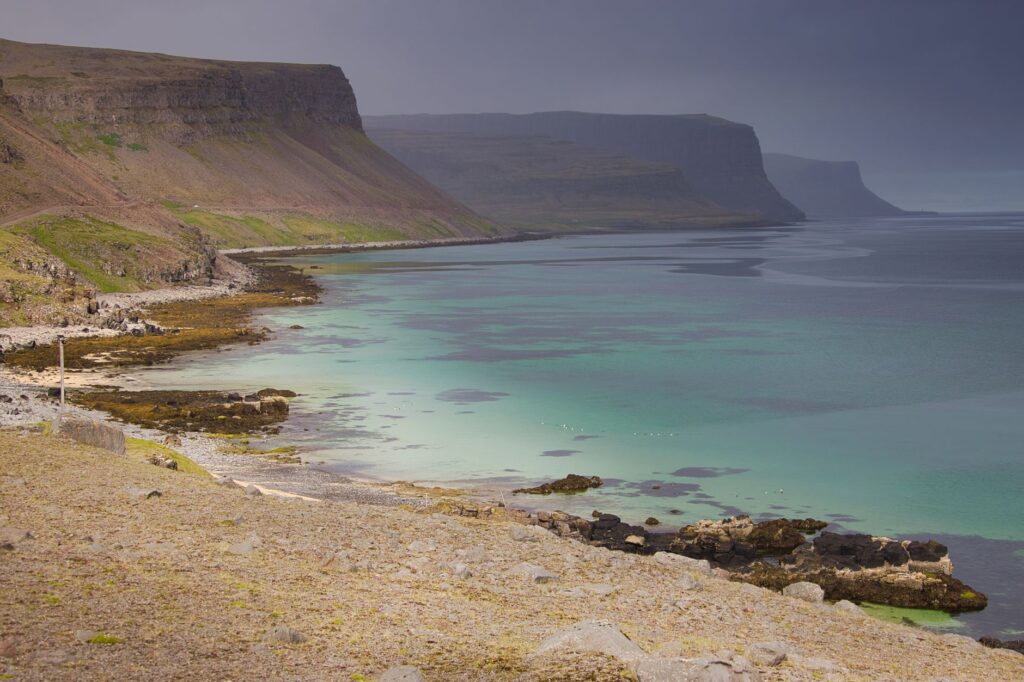
Understanding the magnitude of this challenge requires a close look at the topography of the Westfjords. Here, mountains are not mere elevations, but walls of stratified lava falling vertically into dark waters. Traditional overland routes forced drivers to make colossal detours around every marine inlet, or else cross mountain passes such as the notorious Hrafnseyrarheiði, impassable for more than half the year. This logistical vulnerability stifled the local economy—reliant on small-scale fisheries and low-impact nature tourism—by inflating the cost of basic supplies and complicating access to emergency medical services.
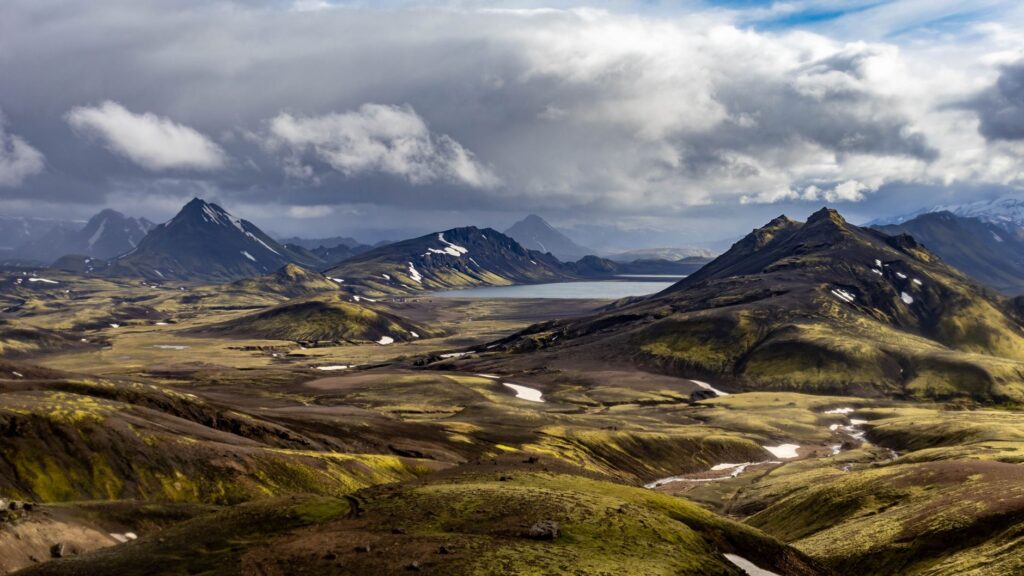
Faced with this scenario, the strategy adopted has prioritized a drastic reduction in fossil fuel dependence by integrating geothermal and hydroelectric renewable energy sources into transport infrastructure. Local engineers have demonstrated that electrifying interior maritime routes not only drastically curbs carbon dioxide emissions in an extraordinarily fragile marine ecosystem, but also reduces underwater noise pollution, allowing local populations of humpback whales and harbor porpoises to reclaim historic migration paths without interference from heavy thermal engine noise.
The New Electric Fleet: Naval Engineering for Extreme Waters
At the heart of this transportation revolution is the deployment of vessels specifically engineered to withstand the currents and gale-force winds of the Ísafjarðardjúp strait. These new ferries combine high-strength aluminum hulls with state-of-the-art battery banks capable of rapid recharging via high-power dockside connections during boarding operations. This operational synchronization maintains a consistent turnaround frequency between coastal towns without creating dead downtime that would harm the insular logistics chain.
In addition to electric propulsion, the vessels incorporate advanced thermal management systems that harness waste heat from energy converters to warm passenger decks and crew quarters, optimizing overall global energy efficiency.
True sustainability in the Arctic does not consist of applying imported technologies from temperate climates, but in redesigning every mechanical component to respond with surgical precision to ice and salt.
This approach has turned collaborating shipyards into international benchmarks for low-emission naval engineering, attracting technicians and researchers worldwide eager to study the behavior of electric accumulators under sub-zero operating regimes.
Smart Tunnels and the Revival of Historic Trails
On land, the transport transformation complements the maritime strategy through the opening of optimized cross-section tunnels piercing the most impenetrable mountain massifs, shortening distances and eliminating hazardous stretches exposed to rockfalls and avalanches. These tunnels are far more than mere thoroughfares; they feature adaptive low-consumption LED lighting and intelligent ventilation systems driven by local wind energy, reducing operational electrical consumption practically to zero during lower-traffic hours.
Concurrently, old bridle paths and dirt tracks that connected settlements before the automobile’s arrival have been reclaimed and designated as low-intensity greenways. Although they remain under snow during winter, the summer months transform them into ideal corridors for adventure cycling and long-distance hiking. This functional duality diversifies the regional economy, offering travelers a non-motorized travel alternative that encourages a slower, deeper, and more respectful interaction with the natural landscape.
Socioeconomic Impact on Fishing Communities
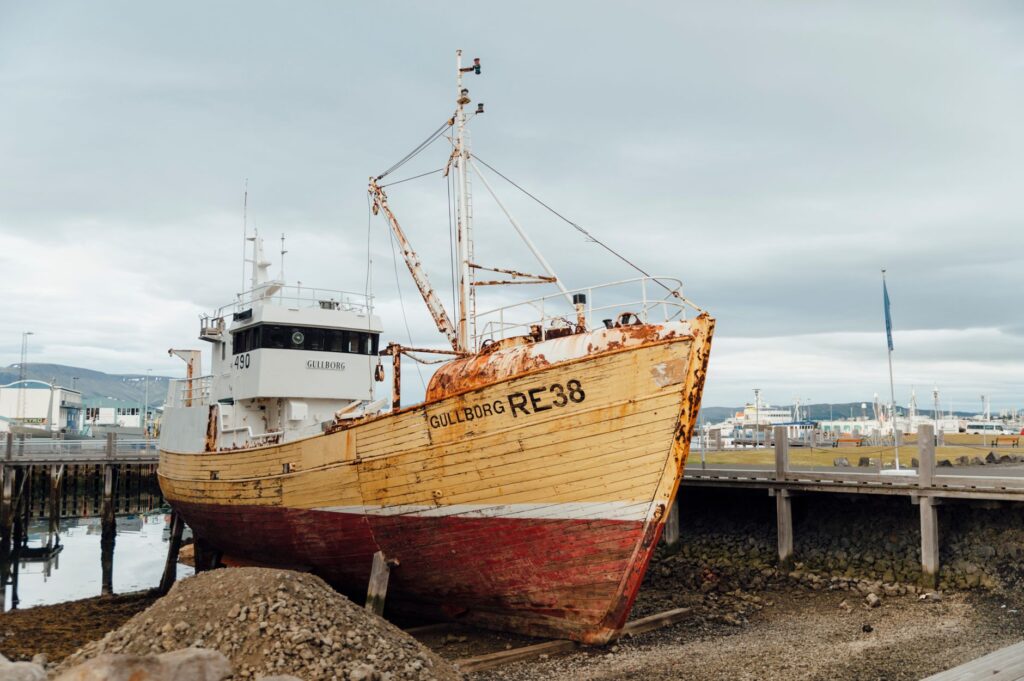
The success of any sustainable transport system is ultimately measured by its capacity to improve the quality of life for permanent residents. In towns such as Bolungarvík and Patreksfjörður, the arrival of quieter, more punctual electric ferries has revitalized the trade in fresh seafood, allowing fish caught at dawn to reach Reykjavik markets and international export channels with a drastic reduction in associated intermodal carbon footprints.
Likewise, local fishermen and tourism service cooperatives actively participate in mobility management committees, determining route schedules based on tidal cycles and the educational needs of young people commuting to regional schools. This decentralized governance ensures infrastructure investment decisions faithfully reflect the real priorities of those living in the territory year-round, preventing seasonal speculation and consolidating a stable demographic model in one of Western Europe’s most depopulated regions.
Technological Challenges and Sub-Zero Maintenance
Despite clear advancements, operating an electrified transport network in Iceland’s northernmost reaches presents formidable technical challenges. Extreme low temperatures naturally diminish the nominal storage capacity of lithium batteries, compelling operators to oversize accumulator banks and implement strict pre-heating protocols before every crossing. Maintenance engineers must also contend with marine corrosion accelerated by high winds laden with salt spray and the occasional impact of drifting ice floes.
To mitigate these incidents, the transport system relies on a remote control center in Ísafjörður monitoring real-time health metrics for every battery cell, port charging line voltages, and weather forecasts issued by the Icelandic Meteorological Office. This blend of high digital technology and mechanical robustness has achieved a service availability rate exceeding ninety-eight percent, dispelling the myth that clean energies are incompatible with operational reliability under extreme weather conditions.

Practical guide
How to get there: The most direct route to the Westfjords from Reykjavik is via regular domestic flights operated by regional airlines to Ísafjörður Airport, or by combining Route 1 (Ring Road) and paved secondary roads 60 and 61 in a rental vehicle equipped for gravel conditions.
When to travel: The optimal period to experience sustainable mobility in the region spans from June to September, when maritime routes operate at maximum frequency and secondary land routes are snow-free. For those seeking winter experiences and northern lights viewing, electric ferries maintain essential reduced services.
Local transport options: Utilize the electric ferries of the Baldur line to cross the Breiðafjörður fjord connecting Stykkishólmur with Brjánslækur. On land, combine regional low-emission public buses with dual-suspension mountain bikes rented in main coastal towns to navigate rehabilitated greenway sections.
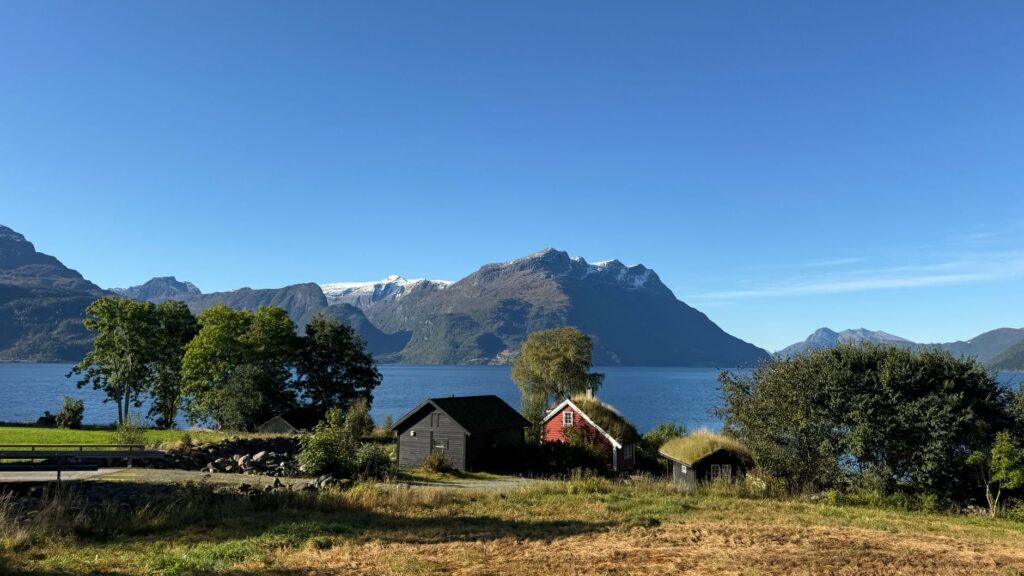
Accommodation and gastronomy: Prioritize traditional guesthouses and small rural hotels certified with the Nordic Swan Ecolabel, which manage energy resources via local geothermal systems. At local tables, enjoy traditional salt cod, free-range mountain lamb, and artisanal seaweed specialties harvested along the fjord shores.
The Silent Horizon of a Redesigned North
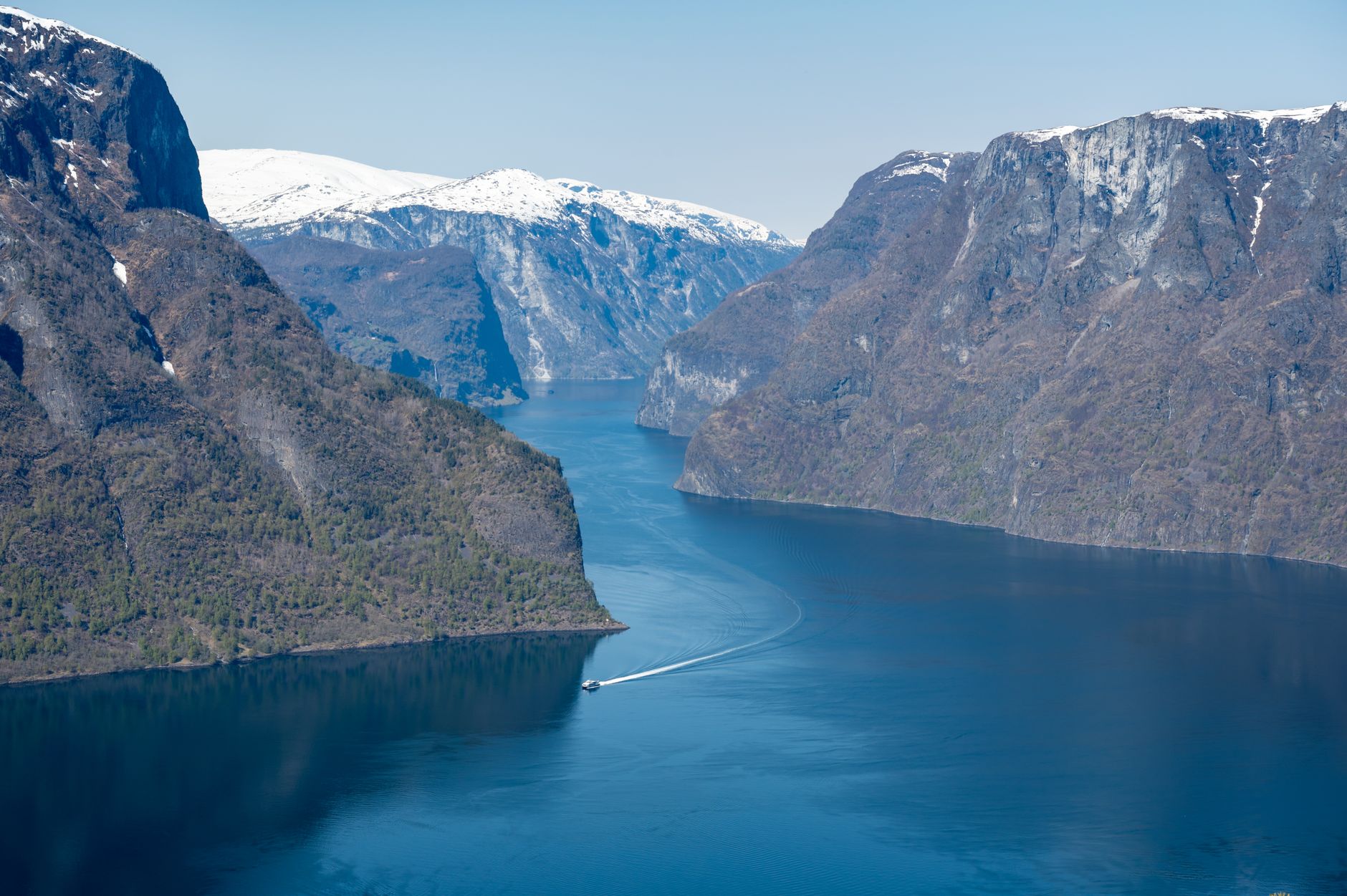
When the summer evening falls over the Westfjords and the midnight sun bathes the basalt peaks in golden, oblique light, the landscape recovers an ancestral serenity that seemed forever lost beneath the roar of combustion engines. On the docks of small fishing ports, the near-imperceptible hum of electric converters recharging ferry batteries marks the rhythm of an era in which human progress has finally learned to listen to nature’s pulse rather than imposing its blind force.
This modest logistical revolution in the world’s northern edge demonstrates with undeniable facts that sustainability is not a decorative luxury reserved for major metropolitan centers, but an inescapable necessity and a practical path for any community willing to rethink its relationship with its environment. As silent catamarans plow the dark fjord waters leaving behind nothing more than a thin line of white foam, the inhabitants of this basalt labyrinth look to the future with the tangible certainty of having transformed their historical isolation into a global beacon of territorial intelligence and environmental respect.