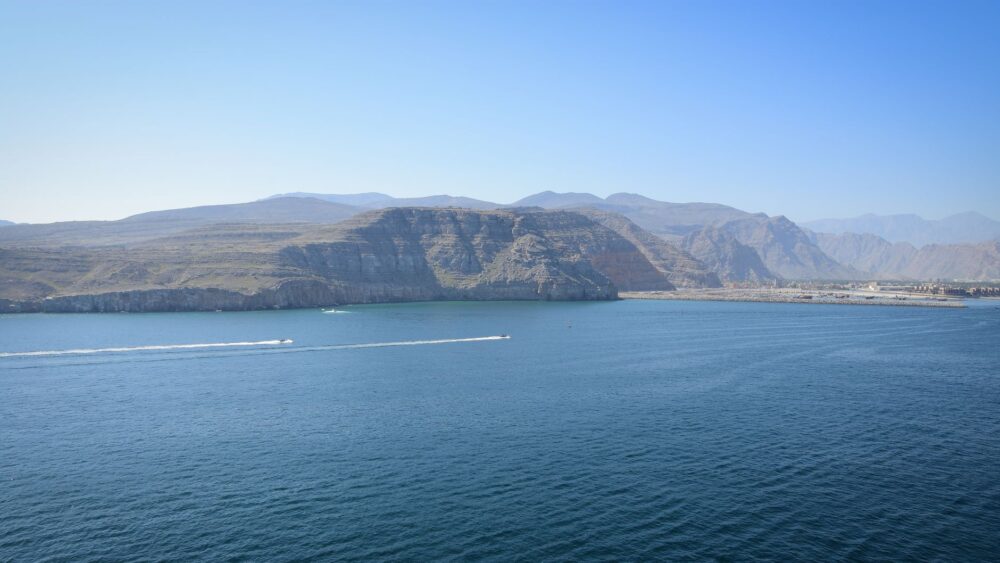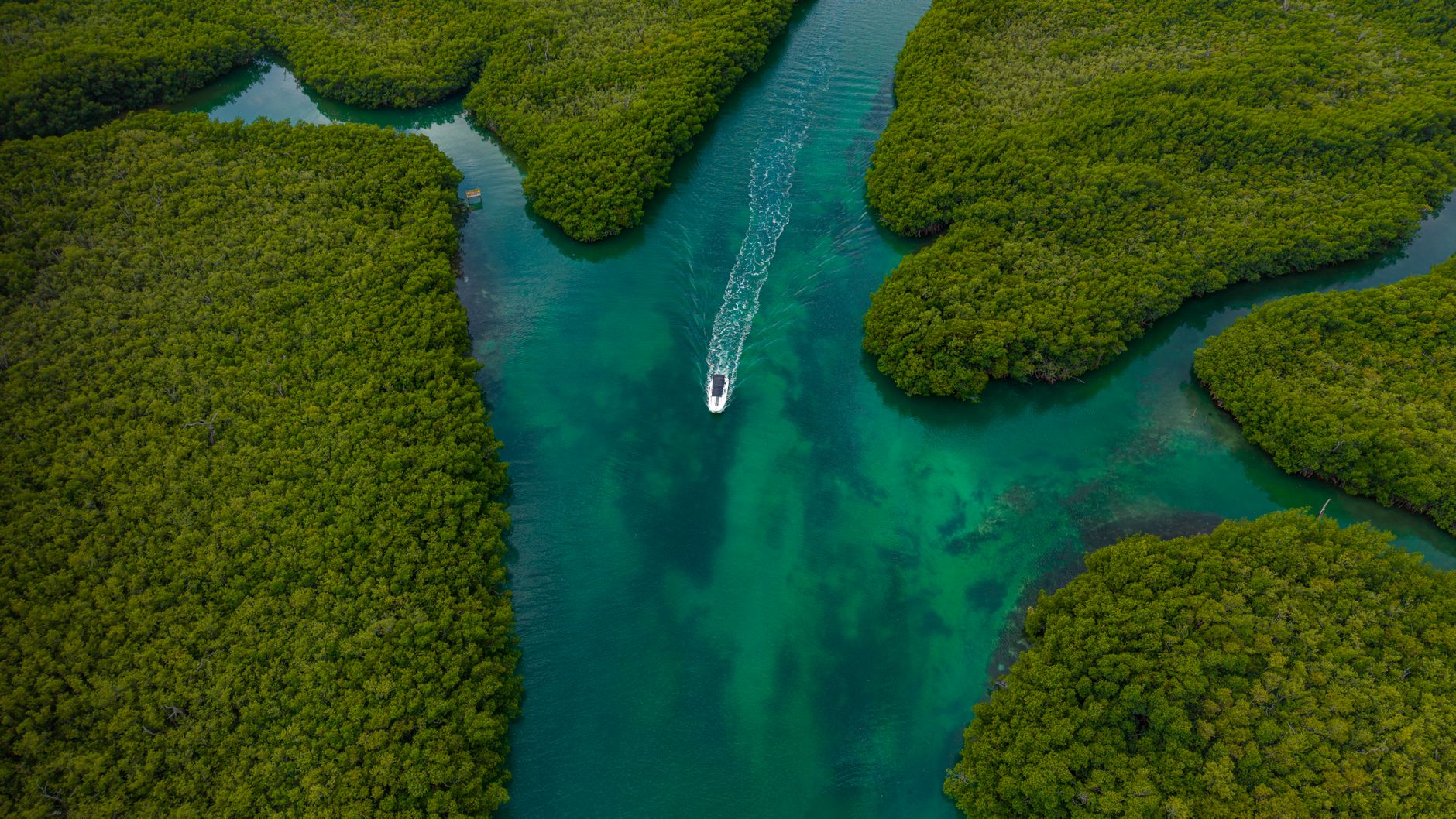

In the southwestern confines of the Pacific Ocean, where the blue expanse of the Coral Sea breaks its monotony against limestone formations and submerged reefs, the Loyalty Islands emerge as a Melanesian stronghold as fascinating as it is geographically challenging. This archipelago, dependent on New Caledonia, not only captivates travelers through its coral geology and dense tropical forests, but also via a fascinating mobility ecosystem. Connectivity here is not conceived through asphalt highways or standardized railway networks, but through a meticulous choreography of cabotage ships, regional light aircraft, and coastal passages dictated by the capricious moods of the tides.
Understanding how inhabitants and the few travelers venturing into Lifou, Maré, and Ouvéa move around requires shedding Western parameters of immediacy. In these insular lands, time is marked by trade winds and cargo turnaround schedules at the docks of Wé or Tadine. This report rigorously examines the complex transport network structuring the region, unveiling the logistical, economic, and human keys that keep communities isolated by thousands of kilometers of open ocean alive.
The Geography of Isolation: The Archipelago Against the Oceanic Mirror
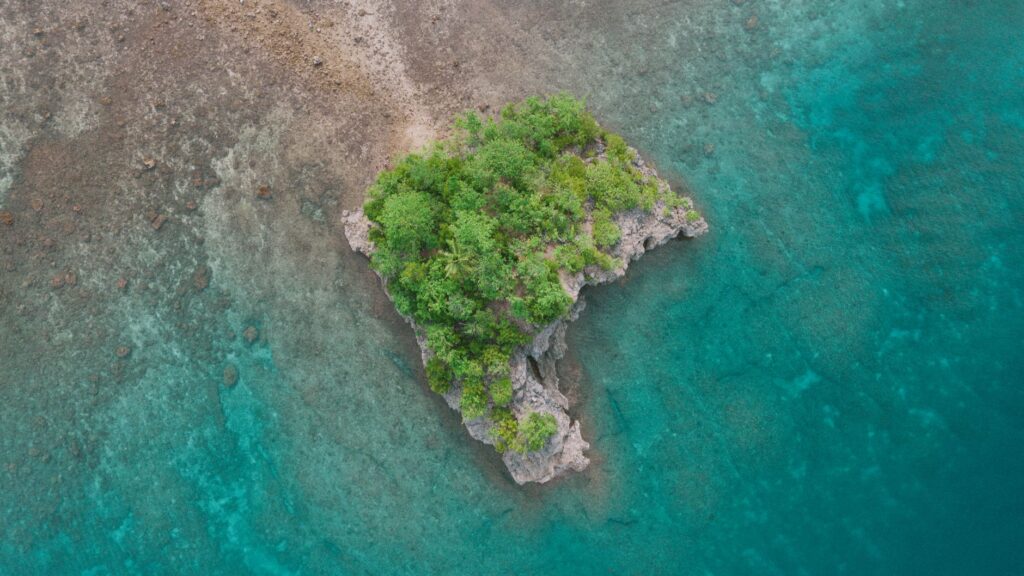
The Loyalty Islands stretch parallel to the eastern coast of Grande Terre, New Caledonia’s main island, forming a natural barrier of uplifted atolls and ancient reefs. From a cartographic perspective, the territory impresses with its fragmentation. Lifou, the largest of them, presents an abrupt surface of coral rock without surface rivers, historically conditioning both human settlements and land transport routes. Maré, situated further south, stands out for its basalt cliffs and terraced geological profile, while Ouvéa, a perfect atoll enclosing a turquoise lagoon, completes this triangle of oceanic isolation.
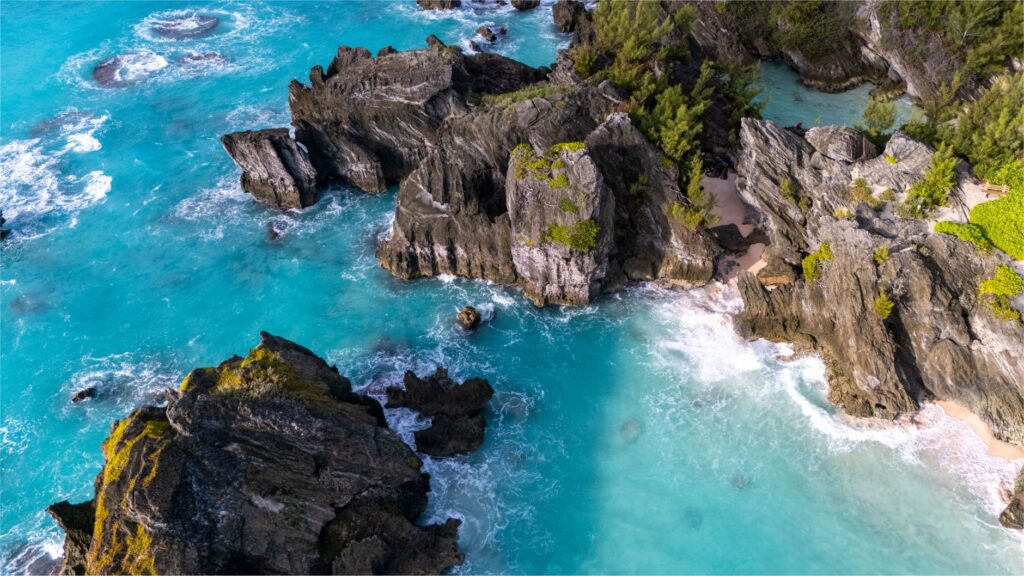
Isolation is never merely an aesthetic condition; it is a daily operational factor. Distances between the atolls and Noumea, the administrative and economic capital, range from eighty to two hundred kilometers. To bridge these gaps, local administration and private enterprises have had to design a highly specialized intermodal model. Topography and the lack of heavy infrastructure prevent the use of large conventional passenger ships, forcing a prioritization of vessels with reduced drafts designed for navigation among treacherous coral reefs.
The Cabotage Fleet: The Maritime Umbilical Cord
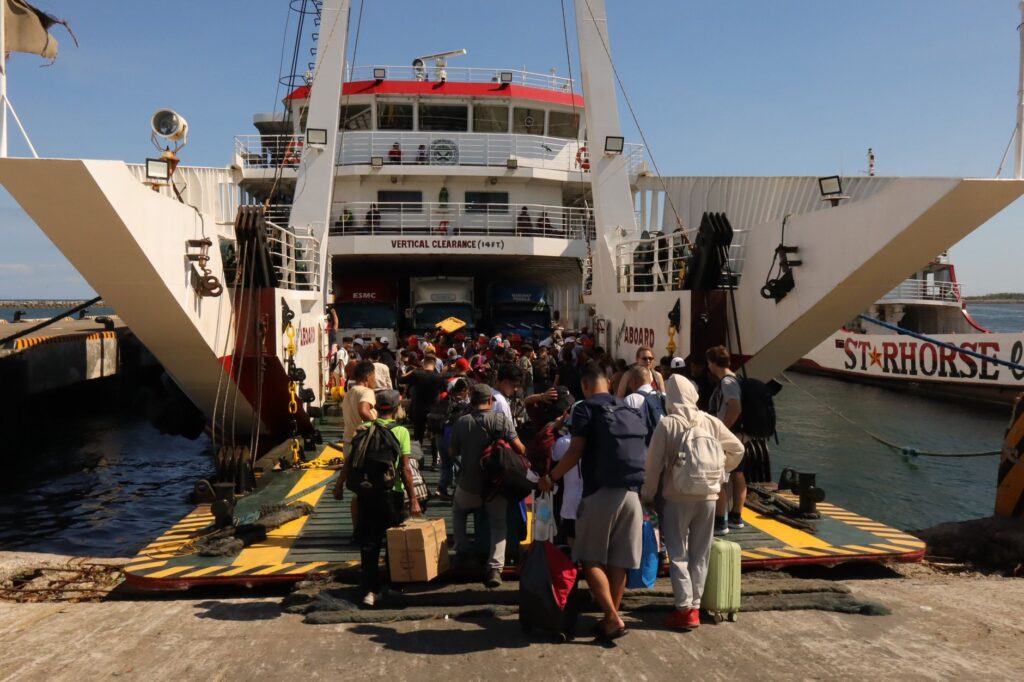
The transport of heavy freight, supply vehicles, fuel, and long-distance passengers falls upon cabotage vessels, authentic floating lungs for the Loyalty Islands. Vessels such as the mixed cargo ship regularly making rotations from the port of Noumea to the docks of Tadine in Maré or Chateaubriand in Lifou operate under a scheduling discipline conditioned by both meteorological forecasts and local cargo handling capacity.
Unlike high-speed ferries operating in temperate seas, these cabotage ships combine multi-purpose cargo holds with austere passenger lounges. Their decks carry everything from household appliances and construction materials to local agricultural production exported to the central market in Noumea. Maritime logistics face a constant structural challenge: the absence of large natural shelter infrastructures forces docking maneuvers to be executed with pinpoint precision, especially when southeast winds blow strongly and raise imposing swells at reef entrances.
Regional Aviation: Coral Airstrips and Aerial Urgency
When the sea proves impassable or medical urgency demands it, the umbilical cord of the Loyalty Islands shifts to the sky. Regional airline Air Calédonie operates a fleet of turboprops daily connecting the airports of Wanaham in Lifou, La Roche in Maré, and Ouanaham in Ouvéa with Magenta Airfield, located near Noumea. These flights, lasting barely thirty to forty minutes, constitute an irreplaceable piece of the mobility machinery.
The islands’ airport infrastructures are compact, characterized by short runways and functional terminals prioritizing boarding efficiency. Pilots operating these routes frequently contend with shifting tropical microclimates, sudden rain showers, and morning fog banks requiring outstanding technical expertise. For residents, this air bridge represents much more than a tourist transport means: it is the indispensable pathway to access specialized health services, higher education, and complex administrative procedures centralized on the main island.
The Interior Road Network: Forest Tracks and Insular Transport
Once on firm ground, mobility fragments into a secondary road network connecting tribes, plantations, and hidden coves. Lifou and Maré feature paved road layouts on their primary arteries, but accessing certain traditional enclaves requires traveling along red dirt tracks and crushed coral rock that test four-wheel-drive suspensions.
Regular public transport is virtually non-existent as understood in major continental urban centers. Instead, the system relies on shared local taxis, rental vehicles managed by indigenous operators, and school transport networks doubling their function to carry occasional visitors. This reality demands meticulous planning from travelers, since depending on improvisation for internal movements can translate into long waits under the equatorial sun or the inability to return to the origin point before nightfall.
Economy and Logistical Sovereignty: The Cost of Isolation
Maintaining this intermodal framework entails a high economic cost directly impacting the daily lives of Loyalty Islands residents. Relying almost entirely on imported goods from outside, basic consumer prices reflect markups derived from maritime and air transport. Supply chains are fragile, and any prolonged weather disruption generates temporary shortages in local shops.
Insular remoteness is never merely a matter of nautical miles, but a constant test of human resilience against the tyranny of oceanic logistics.
To counteract this vulnerability, provincial authorities promote food self-sufficiency policies and local circular economy developments, gradually reducing dependence on external cargo. Nonetheless, balancing transport infrastructure modernization with the preservation of Melanesian clan territorial sovereignty remains a complex and delicate debate.
The Human Factor and Customary Hospitality
Beyond passenger statistics, ship timetables, and aircraft characteristics, the transport system in the Loyalty Islands is deeply imbued with customary social codes known as *paternité coutumière*. Travelers venturing into this territory discover that movement is not a simple mechanical act of displacement, but a process regulated by respect for traditional authorities and landowners.

Negotiations to access specific beaches, sacred forests, or coastal routes pass inexorably through compliance with small local protocols, where greetings and symbolic offerings unlock the doors of insular hospitality. Local transporters, far from acting as mere impersonal service providers, act as ambassadors of their own culture, sharing stories with travelers regarding clan genealogies, ancestral wind names, and the imperative need to protect the fragile balance of their marine environment.
Practical guide
How to get to the Loyalty Islands?
The primary maritime access route is via cabotage vessels operated by the regional carrier from the port of Noumea on Grande Terre. Journeys to Lifou (Chateaubriand port) and Maré (Tadine port) take between six and ten hours, depending on sea conditions. For those prioritizing time, Air Calédonie offers multiple daily flights from Magenta Airfield in Noumea to the insular airports of Lifou, Maré, and Ouvéa.
When is the best time to visit?
The archipelago enjoys a tropical climate tempered by trade winds. The period between April and November (the southern dry season) is the most favorable, featuring pleasant temperatures ranging from 20 °C to 26 °C, lower humidity, and reduced rainfall. The rainy season and tropical cyclones extend from December to March, a period when transport connections suffer frequent disruptions and suspensions for safety reasons.

How to plan internal travel?
The public transport network is sparse or non-existent. Booking rental vehicles several months in advance is highly recommended, especially when traveling during peak season or local school holidays. Alternatively, community taxi services and arranged transfers through traditional lodging (*tribal huts*) are available. Carrying cash in Pacific Francs (XPF) is essential, as ATMs are limited outside main administrative centers.
Cultural respect and sustainability tips
The insular territory belongs to traditional communities managing land and sea under strict customary rules. Accessing protected areas, sacred caves, or specific beaches without prior authorization from the local tribal chief or designated guide is strictly forbidden. Tourism should be practiced with a low-impact approach, minimizing plastic waste generation and scrupulously respecting marine and terrestrial natural spaces.
Horizons of Salt and Coral Memory
At dusk, when the final trade wind gusts caress coconut palm crowns and the profile of coral cliffs merges with the dark blue of the ocean, the Loyalty Islands reclaim their primordial silence. On the deserted docks of Tadine and at the airstrips where light aircraft engines have already fallen silent, the true dimension of this territory becomes clear. It is not simply a remote destination in the confines of global tourism cartography, but a human and physical ecosystem where every journey, every cabotage ship, and every flight across the Coral Sea embodies a daily victory against isolation. Here, the fragility of connectivity transforms into identity strength, reminding contemporary travelers that the true wealth of adventure lies in profound respect for places where nature dictates, with absolute sovereignty, the rhythm of life.