
Origins of Stone and Iron on the Banks of the Ebro
The morning pulse of Logroño does not beat within Gothic temples or the porticoed squares of the old Jewish quarter, but beneath the diaphanous iron and glass structures of its municipal food market. Built at the dawn of the twentieth century to organize the chaotic commerce that for centuries congested the banks of the Ebro River, this enclosure represents much more than a mere commercial exchange point. It is the epicentric nexus where alluvial vegetable gardens, the farms of the pre-Pyrenean valleys, and the underground wineries that have turned La Rioja into a global winemaking benchmark all converge. Upon crossing its threshold, the traveler immediately perceives the dense, complex aroma that defines this land’s identity: a blend of aged leather, the clean dampness of limestone, freshly ground coffee, and the unmistakable saline trace of cured meats smoked over mountain hearths.
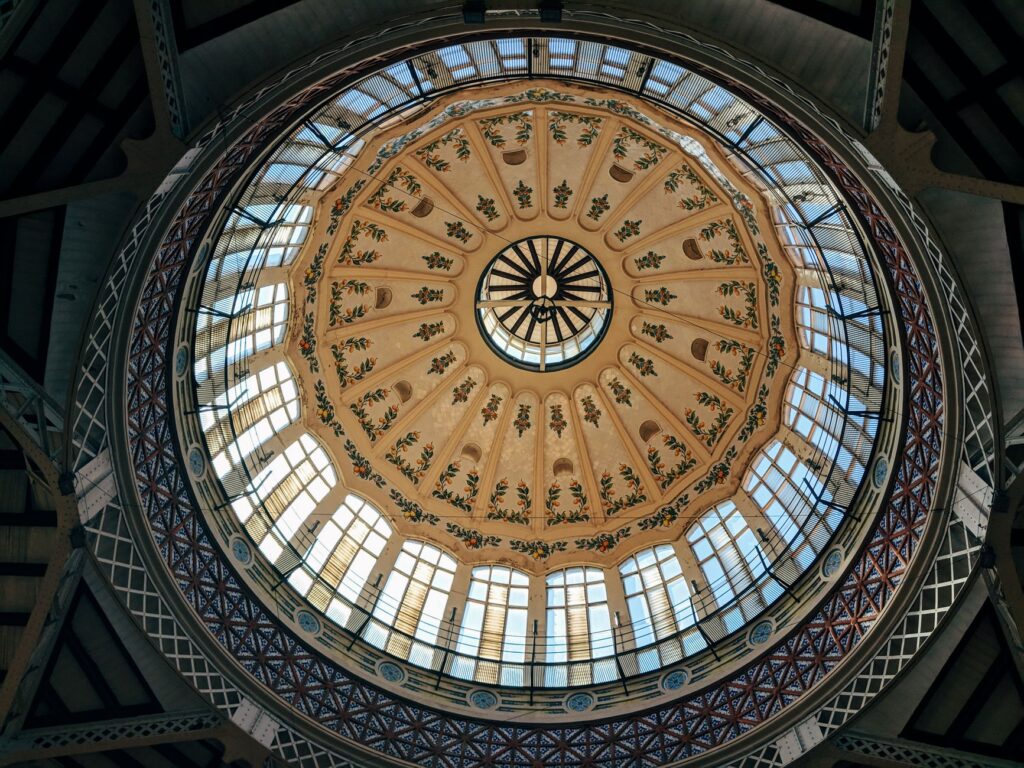
The building’s architecture, conceived under the canons of nineteenth-century industrial engineering, allows natural light to fall zenithally across the stalls. This interplay of chiaroscuro illuminates the display counters as if they were Baroque canvases. Here, merchants do not merely dispense commodities; they act as custodians of a collective memory that fiercely resists the homogenization of big-box retail. Every dawn, before the morning fog clears the damp chill descending from the Obarenes Mountains, delivery trucks unload crates of tender vegetables harvested hours earlier in the fertile river flats. White-stemmed chard, pearled cardoons, and Calahorra artichokes arrive still coated with the patina of clay-rich soil, reminding visitors that high-end Riojan cuisine is invariably born in the modesty of the furrow.
The Liturgy of Alluvial Gardens and Drylands
Shortly after sunrise, the market’s rhythm acquires an almost religious solemnity. Vendors arrange their produce with a geometric precision bordering on devotion. On the ground floor, seasonal goods dictate the sole law respected by local restaurateurs. Fixed catalogs do not exist; the daily menu of any Logroño tavern depends entirely on what the Ebro and the region’s microclimates have chosen to bestow that week. Fresh green shell beans, hand-shelled by women whose fingers hold the dexterity of decades of craftsmanship, are displayed in white mounds that rival the purity of artisanal goat cheeses and fresh curds crafted in the high valleys of Ezcaray.
The dialogue between farmers and cooks is direct, stripped of intermediaries. They negotiate with a glance, holding a reverential respect for the hard work embedded in every single item. Within this space, a traditional vegetable stew is not an ordinary dish, but a complex musical score where each ingredient demands a precise cooking time. The green beans must retain a defiant crispness, the peas must burst on the palate with vegetal sweetness, and the cured ham from cold-mountain drying sheds must provide just the right note of fat and salt to round out the composition. It is a cuisine stripped of artifice, sustained exclusively by the unassailable quality of raw ingredients that tolerate no disguises.
Logroño’s market is not a tourist attraction designed for rapid consumption; it is a living archive where Rioja’s geography transforms into nourishment and conversation.
Among the aisles dedicated to butcher shops, the spotlight undeniably falls upon milk-fed lamb and free-range white-breed pork raised extensively in surrounding pastures. Butchery is executed with age-old mastery, rescuing forgotten cuts that contemporary cooking has pulled back from the depths of traditional recipe books. Slow-braised pig trotters, spicy tripe with Riojan chili peppers, and lamb cutlets roasted over the ephemeral embers of freshly pruned grapevine shoots form the hallmark of a gastronomic culture that views fire as humanity’s primary culinary tool.
The Realm of Carmine and Aged Wood
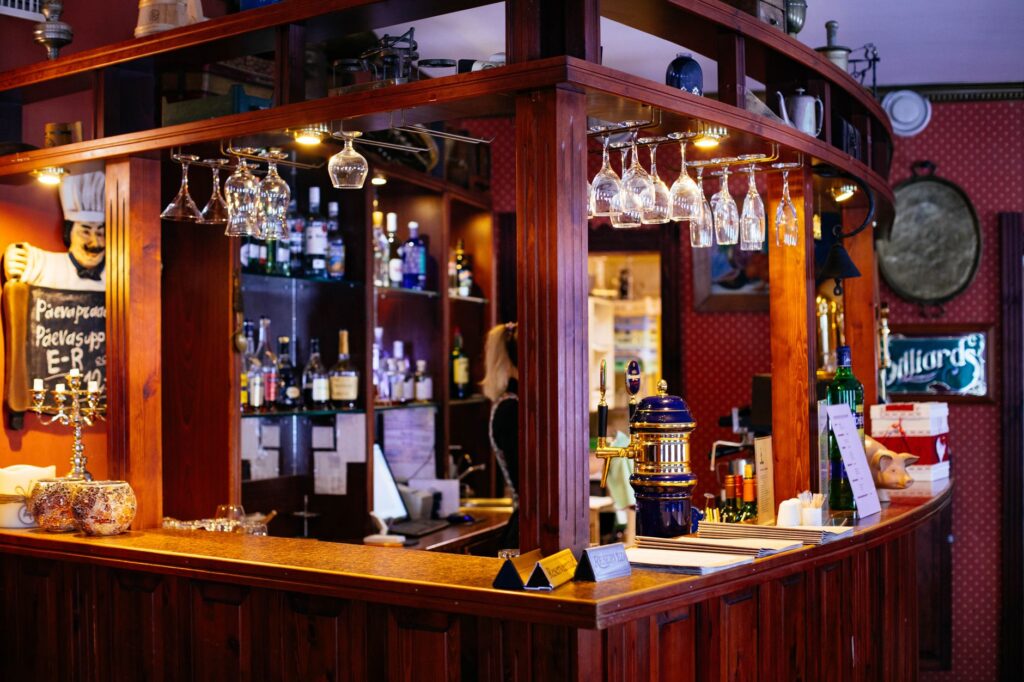
A few meters away from the market halls, the city transforms into a labyrinth of tavern bars where Rioja wine flows with the same natural ease as water from its public fountains. Nevertheless, comprehending the wine dimension of this land requires returning to the source, to the stalls where small-scale winemakers sell the surplus of their family harvests in unlabelled glass flagons. These young wines, still produced via traditional carbonic maceration methods, retain a fruity freshness that contrasts sharply with the stately sobriety of grand reserves aged for decades in American and French oak barrels.
The mid-day vermouth ritual in the streets surrounding the market serves as a masterclass in urban sociology. Entire families, groups of friends, and bewildered travelers converge at counters where tapas are reduced to the ultimate expression of excellence: a skewer of griddled mushrooms bathed in a secret sauce of garlic, parsley, and extra virgin olive oil, or vinegar-cured chili peppers accompanied by salted anchovies. Here, ephemeral culinary lab trends find no footing; Riojan bar cuisine is an exercise in cultural resilience based on the constant repetition of flawless gestures.
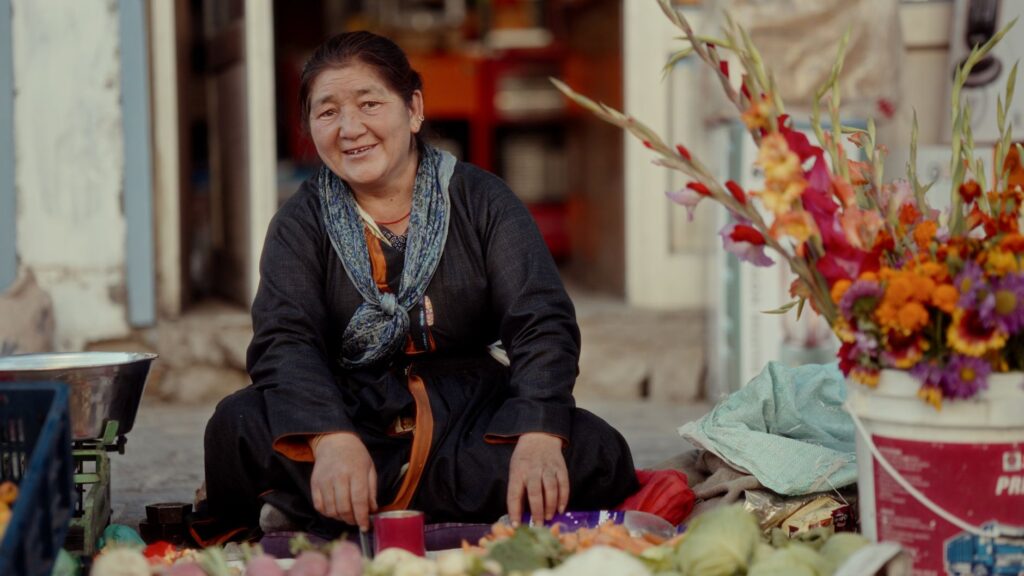
Veteran vendors recall how the profile of shoppers has evolved over recent decades. Where once only housewives came searching for weekly provisions, today one finds starred chefs seeking inspiration, international sommeliers, and curious travelers drawn by the place’s raw authenticity. Despite this touristic mutation, the market has successfully preserved its guild-like soul. Prices are called out loud, conversational clusters form spontaneously beside brass scales, and credit is still jotted down in dog-eared paper notebooks smelling of tobacco and black ink.
The Hidden Pantry of Los Cameros and High Rioja
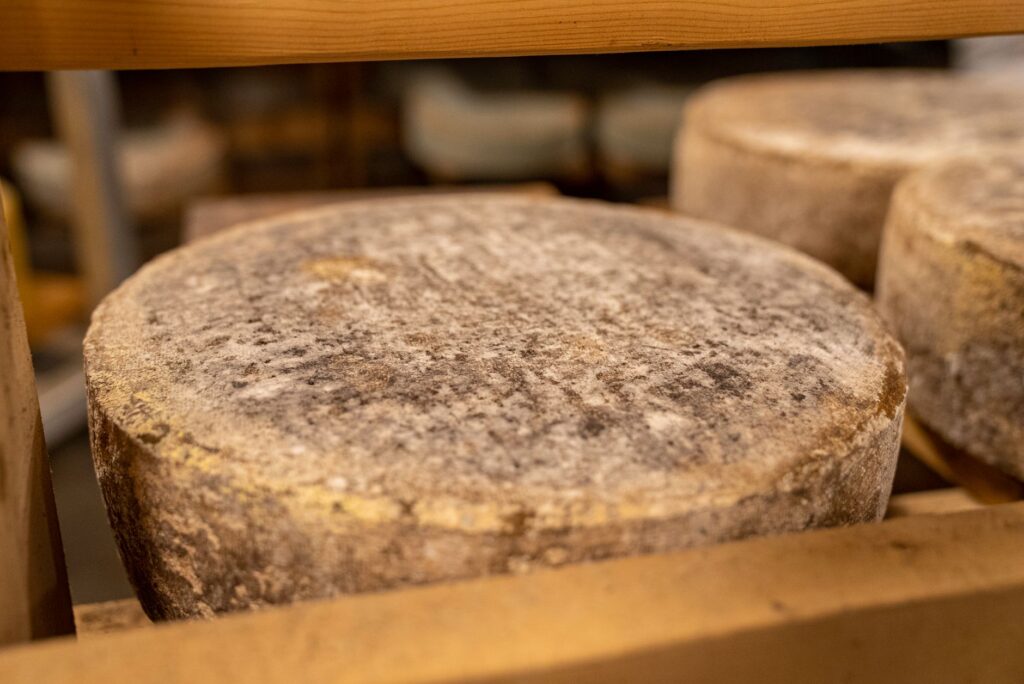
To fully grasp the Central Market’s offerings, one must trace the invisible routes connecting its display counters to the rugged landscapes of the Sierra de Cameros and the clay-rich horizons of High Rioja. In mountain villages perched a thousand meters above sea level, where winter strikes with relentless harshness, shepherds continue to craft ewe’s milk cheeses from Churra and Merino breeds, aged in natural caves carved into living rock. These cheeses, with rugged rinds and buttery pastes, concentrate the aromas of high-altitude pastures where wild thyme, rosemary, and savory flourish.
Similarly, riparian forests and river thickets along the Ebro provide wild mushrooms throughout damp autumn months. Porcini mushrooms, thistle mushrooms, and saffron milk caps arrive at the market sorted by size and ripeness by local foragers who fiercely guard the exact locations of their patches. At the fishmongers, although La Rioja lacks a direct coastline, proximity to Cantorian ports ensures daily deliveries of hake, cod, and anchovies that find in local extra virgin olive oil the perfect companion for seafaring stews such as marmitako or Rioja-style cod.
This constant flow between mountain, river, and valley configures a self-sufficient food ecosystem that has withstood the shocks of globalization. Products protected under protected designations of origin coexist with small-scale artisanal productions that barely cross provincial borders. Shopping in this market is equivalent to conducting a botanical and anthropological inventory of a region that has made the dining table the principal vehicle of its cultural identity and historical memory.
Practical guide
How to get there: Logroño Central Market is located in the heart of the old town, easily accessible on foot from any point within the historic center. The railway station connects the city with Madrid and Bilbao via daily high-speed and regional rail services. Logroño-Agoncillo Airport operates limited regular flights, prompting many travelers to fly into Bilbao or Zaragoza and complete the journey by bus or rental car.
When to visit: The optimal time window to visit the market is between 08:00 and 11:30 hours, the period of peak commercial activity and fresh produce unloading. Autumn months (October to November) and spring (April to June) offer the best climatic conditions and the greatest variety of seasonal products, such as wild mushrooms, garden vegetables, and fresh shell beans.
Etiquette and shopping tips: Bringing cash is recommended for minor purchases at traditional stalls, although most vendors now accept cards. Touching produce directly with bare hands is prohibited; let the vendor select items for you while indicating your desired degree of ripeness. For bulk wines, it is advisable to purchase empty bottles at specialized stalls before requesting refills at the market’s wine cellars.
Recommended accommodations: The urban surroundings feature small boutique hotels housed in rehabilitated 19th-century mansions as well as historic state-run inns in nearby winemaking towns such as Santo Domingo de la Calzada or Ezcaray, ideal for extending the gastronomic experience in a historic setting.
The Echo of the Vine-Shoot in Memory
When commercial activity subsides at midday and the metal shutters of the stalls begin to close with a metallic clatter that slowly fades away, the market recovers its ancestral silence. There remains upon the stone slabs the invisible trace of a workday built on age-old gestures: the persistent citrus scent of fresh fish, the earthy tone of newly arrived potatoes from dryland farms, and the distant warmth of grapevine shoots burning on the city outskirts. The traveler then understands that traveling through traditional markets is not about accumulating purchases or photographing ephemeral still lifes, but about learning to read the territory through the palate, deciphering in every bite the secret geography of a people who have made nourishment their highest form of hospitality.