
Origins and Geography of the Great Green Corridor
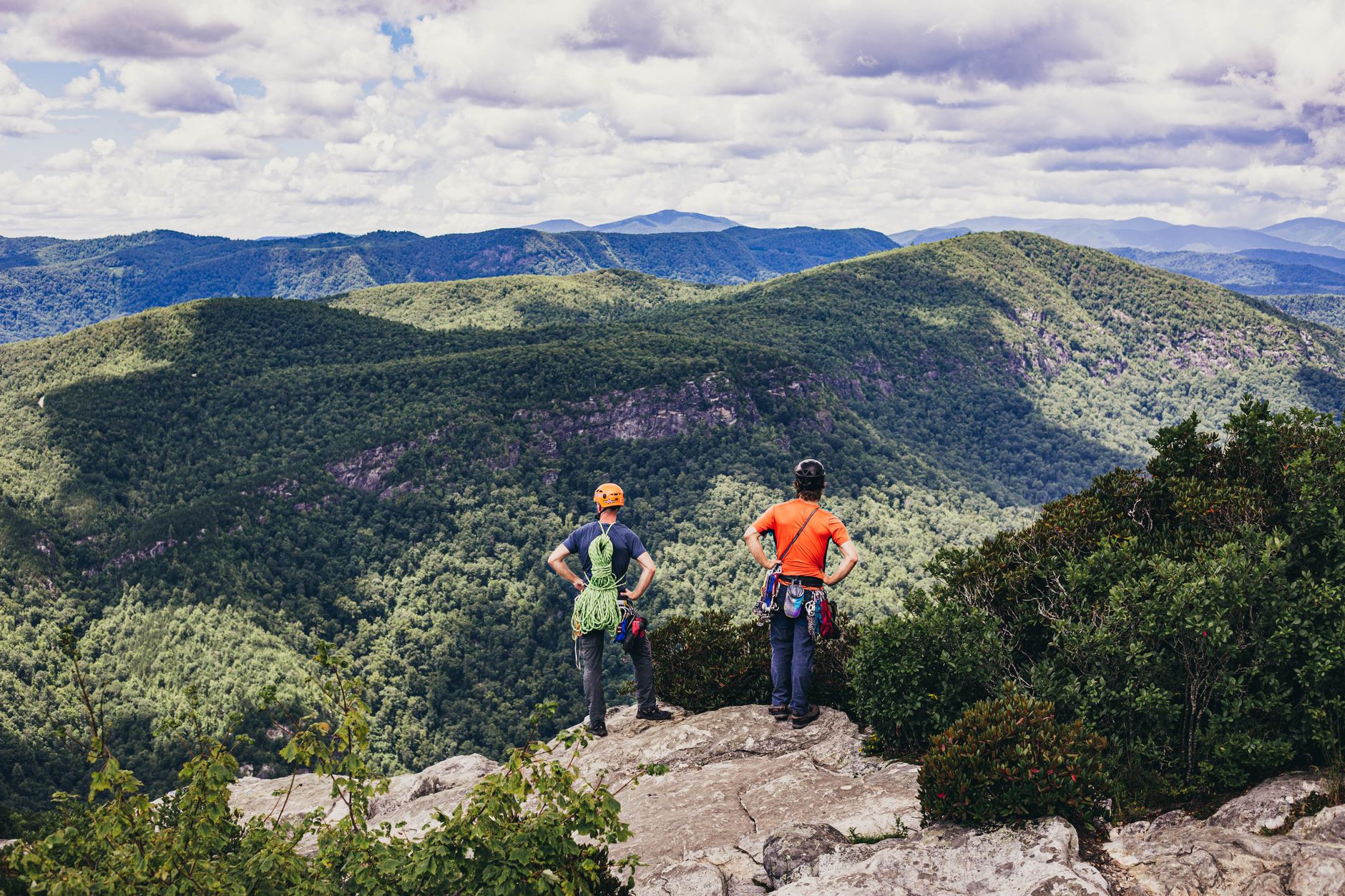
The Appalachian Trail represents one of the masterpieces of contemporary pedestrian engineering. Spanning well over three thousand five hundred kilometers, this corridor winds from the southern summits of Georgia all the way to Mount Katahdin in Maine. It is not merely an extended hiking route, but a continuous ecological system crossing fourteen states and protecting a critical strip of biodiversity along North America’s eastern seaboard. Understanding its topography requires abandoning notions of snow-capped peaks and perpetual glaciers; the challenge here lies in the ancient erosion of time-rounded mountains, where constant humidity, steep inclines, and moss-covered rocks impose an unforgiving technical rhythm.
The history of its layout is rooted in Benton MacKaye’s vision from 1921, who conceived a linear sanctuary to escape urban industrialization. Decades of community labor, coordinated by the Appalachian Trail Conservancy and numerous local organizations, have solidified a traverse that tests the physical and mental endurance of any expeditionary. Along the route, the terrain shifts dramatically: from the lush hardwood forests of Virginia to the glacial granite labyrinths in New Hampshire’s White Mountains and the relentless bogs of Maine. Each section demands rigorous adaptation of equipment, progression techniques, and nutritional strategy.
Strategic Planning and Seasonality
Embarking on an expedition of this magnitude requires a methodical analysis of the calendar. The vast majority of trekkers opt for the thru-hiking modality, traversing the trail from south to north or north to south in a single continuous season. The weather window is narrow, dictated by the spring thaw in the south and the fading winter in the north. Setting out from Springer Mountain in Georgia in late March allows hikers to harness the spring awakening and reach Katahdin before the first autumn snowfalls in October. However, this window exposes the traveler to spring storms, swollen stream crossings, and the formidable presence of voracious insects during the humid months.

Permit logistics and registration constitute another fundamental pillar that cannot be left to chance. Although much of the trail runs through public lands managed by the United States Forest Service and the National Park Service, numerous local regulations govern camping in shelters and protected zones. Voluntary registration on the trail’s official portal is an essential ethical requirement, allowing authorities and rescue teams to monitor expeditionary flow and mitigate environmental impact within fragile alpine ecosystems and exposed ridges.
Technical Terrain Management and Footwear
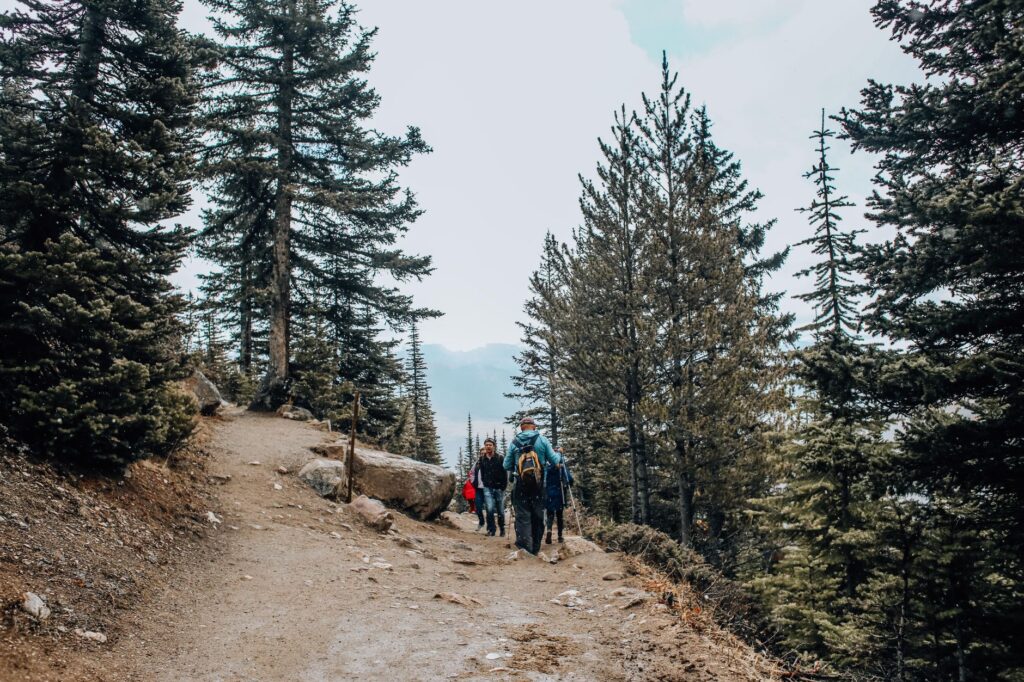
The terrain of the Appalachians is renowned among the international trekking community for its relentless toughness. Unlike western North American trails, characterized by gradual switchbacks designed for pack mules, the Appalachian Trail was frequently laid out along the fall line, heading straight up summits. This geographic feature generates severe joint wear, especially in the knees during prolonged descents down natural stone staircases and slick, root-strewn paths.
Choosing footwear is a critical decision defining the success of the march. Traditional heavy leather boots have largely given way to lightweight trail running shoes or technical approach shoes. The primary reason lies in moisture management: rain is frequent in the Appalachians, and feet inevitably get soaked from morning dew, stream crossings, and tall grass. Lightweight, breathable footwear dries faster, preventing severe blister formation and reducing accumulated fatigue in the lower extremities after thousands of daily impacts against living rock.
Supply Systems and Resupply Logistics
Self-sufficiency on a route of this length requires mathematical planning for calories and mail-drop points. Along the route, the trail crosses paved roads at numerous locations known as gaps, where hikers can connect with nearby towns via local transit, hitchhiking, or pre-arranged logistics support services. These resupply points determine the necessary autonomy between stretches, usually ranging from four to eight days of continuous marching.
The expeditionary diet must prioritize caloric density over weight. Dehydrated meals, nuts, concentrated pastas, and energy bars form the backbone of the daily backpack load. Likewise, water management, although seemingly abundant due to countless springs and streams, requires a rigorous protocol of filtration and chemical purification. The presence of the parasite Giardia lamblia and other pathogens in natural sources necessitates the constant use of hollow-fiber membrane filters or ultraviolet treatments, ensuring health safety throughout the entire journey.
Shelter Infrastructure and Trail Culture
One of the most unique characteristics of the Appalachian Trail is its dense network of rustic wooden shelters, known locally as shelters. Scattered at regular intervals ranging from eight to twenty-four kilometers, these lean-tos offer basic shelter against adverse weather, nearby water sources, and composting latrines. Their communal use fosters a deep camaraderie among hikers, who share stories, repair gear at dusk, and debate the difficulties overcome during the day.

blockquote>The spirit of the trail resides not solely in conquering the northern summit, but in the capacity for silent adaptation before persistent rain, anonymous companionship in wooden shelters, and absolute respect for the fragility of a forest that has spent centuries regenerating.
Nevertheless, seasonal overcrowding in certain sections has forced the implementation of strict regulations regarding shelter use and surrounding camping zones. Pitching tents outside designated areas in fragile sectors is strictly prohibited, and the Leave No Trace philosophy is rigorously enforced. Expeditionaries must carry out all trash, minimize the use of biodegradable soaps in water sources, and store food in bear-resistant containers or use suspension lines to hoist provisions out of reach of local wildlife.

Wildlife and Coexistence in the Forest
The Appalachian ecosystem harbors a rich diversity of native fauna, with the American black bear (*Ursus americanus*) standing out as the most emblematic and respected inhabitant. While encounters are relatively frequent, bears in this region tend to avoid human contact unless they encounter poorly secured food sources. The use of bear-proof canisters or bags approved by the international bear association is mandatory in several critical sections of the route, especially in Georgia, North Carolina, and New Jersey.
Beyond large mammals, the trekker must remain permanently alert to venomous snakes such as the timber rattlesnake (*Crotalus horridus*) and the copperhead (*Agkistrodon contortrix*), which frequently camouflage themselves among sunlit rocks and trail leaf litter. Ticks, carriers of Lyme disease and other severe ailments, represent another invisible yet constant threat requiring daily body checks and the use of permethrin-treated clothing, solidifying an environment where constant vigilance forms part of daily routine.
Practical guide
- Getting There: The southern trailhead is located at Springer Mountain, accessible via road transport from Atlanta, Georgia. The northern terminus is at Mount Katahdin, inside Baxter State Park in Maine, accessible from Bangor.
- Best Time to Visit: Late March to mid-October for a complete northbound (NOBO) thru-hike. Intermediate autumn stretches stand out for the chromatic spectacle of foliage.
- Permits and Regulations: Mandatory registration with the Appalachian Trail Conservancy and strict compliance with camping regulations across crossed state and federal parks.
- Essential Gear: Trail running shoes, high-efficiency water filtration system, three-layer waterproof technical clothing, and advanced first-aid kit.
- Safety: Mandatory use of bear-proofing storage systems and application of permethrin repellents to prevent tick bites.

The Rhythm of Solitude and Inner Transformation
When the trekker leaves the final valleys and ventures into the solitude of forested ridges, time acquires a completely different dimension. The concerns of the urban world fade away, replaced by focused attention on the next step, the state of the sky, and the distance to the next spring. This temporary isolation, interrupted only by sporadic encounters with fellow expeditionaries and local mountain town residents, constitutes the true transformative core of the experience.
blockquote>Walking the Appalachians is an exercise in geological patience; the landscape grants no shortcuts or immediate triumphs, teaching instead to measure life in healed blisters, dawn mists, and the exact weight of the indispensable.
Upon reaching the wooden signpost atop Mount Katahdin, following months of uninterrupted physical effort and mental wear, the perspective on the territory and oneself shifts irreversibly. The trail ceases to be a line drawn on maps and geographic guides, transforming instead into an archive of personal memory, a testament to endurance and absolute respect for the wild nature of eastern North America.