
The skyline of the United Arab Emirates is frequently defined by colossal skyscrapers and hyper-technological mega-cities that dominate global headlines. Yet on the quiet shores of the Persian Gulf, the country’s smallest emirate, Ajman, has spent years quietly yet ambitiously weaving a strategy to redefine its identity through heritage, the arts, and deeply conscious tourism rooted in local roots. The recent signing of a memorandum of understanding (MoU) between the Ajman Department of Tourism, Culture and Media and the UAE Tourism Media Association, held during the prestigious Arabian Travel Market, is far from a routine bureaucratic formality; it represents a turning point in how this territory projects its cultural narrative abroad.
This strategic agreement seeks to articulate a more sophisticated and collaborative narrative, integrating communication professionals into the mission of unearthing and disseminating the emirate’s lesser-known treasures. Far from mass tourism, Ajman champions genuine immersion that directly engages with the region’s maritime history, traditional markets, and a burgeoning contemporary creative scene. The alliance forged in Dubai underscores the conviction that sustainable tourism development cannot be conceived without rigorous specialized journalism capable of translating complex heritage into memorable experiences for the global traveler.
Cultural Diplomacy as an Engine for Regional Development
To grasp the magnitude of this memorandum, one must examine the geopolitical and economic context in which it occurs. The United Arab Emirates is navigating a post-oil diversification phase where culture has solidified as a premier strategic asset. On this board, Ajman has carved out its own space, avoiding direct competition with its more opulent neighbors while championing authenticity, human scale, and the preservation of its collective memory. The agreement with the UAE Tourism Media Association equips the emirate with an amplified platform to showcase initiatives that might otherwise remain confined to the local sphere.
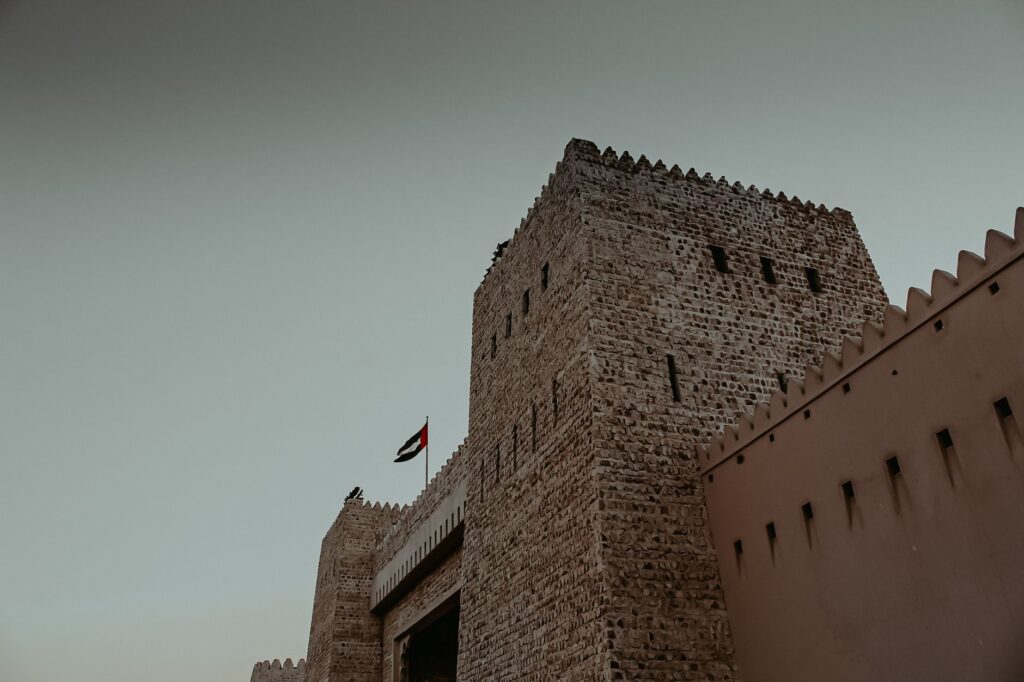
Ajman’s cultural institutions have intensified efforts in recent years to restore key historical landmarks, such as the imposing Ajman Fort, now converted into a museum safeguarding the region’s archaeological and ethnographic secrets. The collaboration with specialized media facilitated by this institutional pact aims to grant these heritage jewels the international visibility they deserve, attracting a profile of visitor interested in historical knowledge and genuine cultural exchange beyond conventional sun-and-sea tourism.
The Role of the Arabian Travel Market as a Global Showcase
The setting chosen for the signing, the Arabian Travel Market (ATM), is far from accidental. Widely considered one of the Arab world’s most significant tourism events and an indispensable meeting point for the global travel industry, this trade fair offers an unparalleled sounding board. In this context, Ajman’s governmental department seized the opportunity to demonstrate that modern tourism competitiveness is no longer measured solely by the volume of hotel infrastructure, but by the capacity to deliver robust cultural content and truthful narratives.
During working sessions at the ATM, representatives from both entities emphasized the need to move beyond standard clichés regarding the Gulf region. The diversification of tourism offerings inexorably involves highlighting intangible heritage: oral traditions, coastal gastronomy, ancestral boatbuilding techniques, and Bedouin hospitality reinterpreted through contemporary standards. This approach attracts tour operators and media outlets seeking substantive stories far removed from superficial displays.
Maritime Tradition and Living Memory on the Gulf
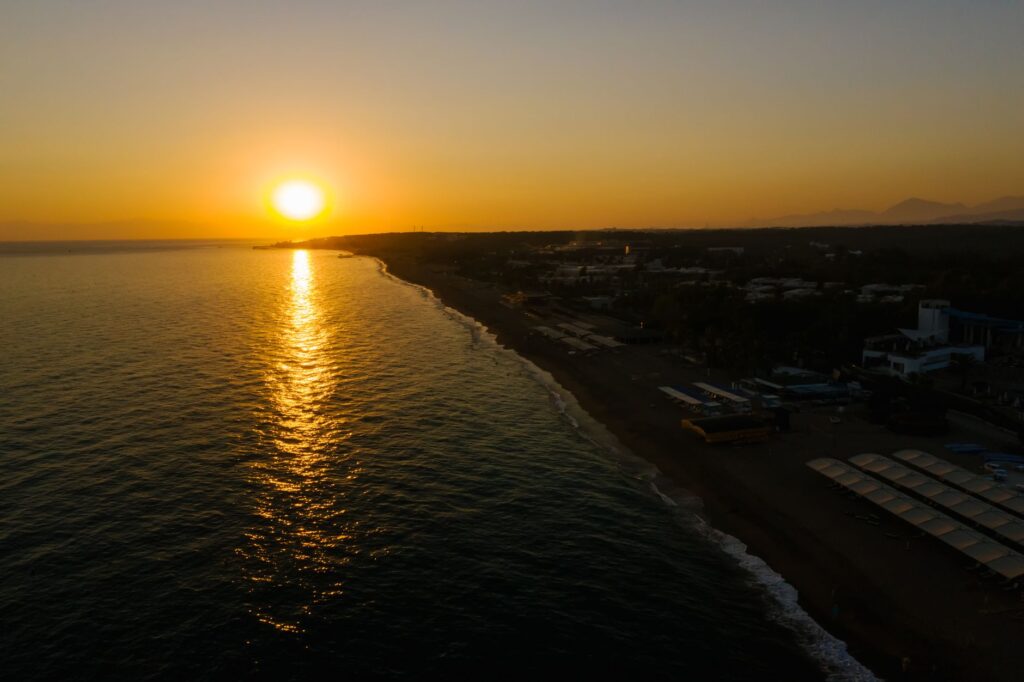
Ajman’s coastline has historically been tied to the sea. The waters of the Persian Gulf served for centuries as the lifeline for communities dedicated to fishing, pearl diving, and coastal navigation. Today, exploring the traditional dhow shipyards still operating in the emirate offers a glimpse into an endangered trade that survives thanks to the dedication of local master carpenters. This visceral connection with the ocean constitutes one of the fundamental pillars upon which the territory’s current cultural tourism offerings are built.
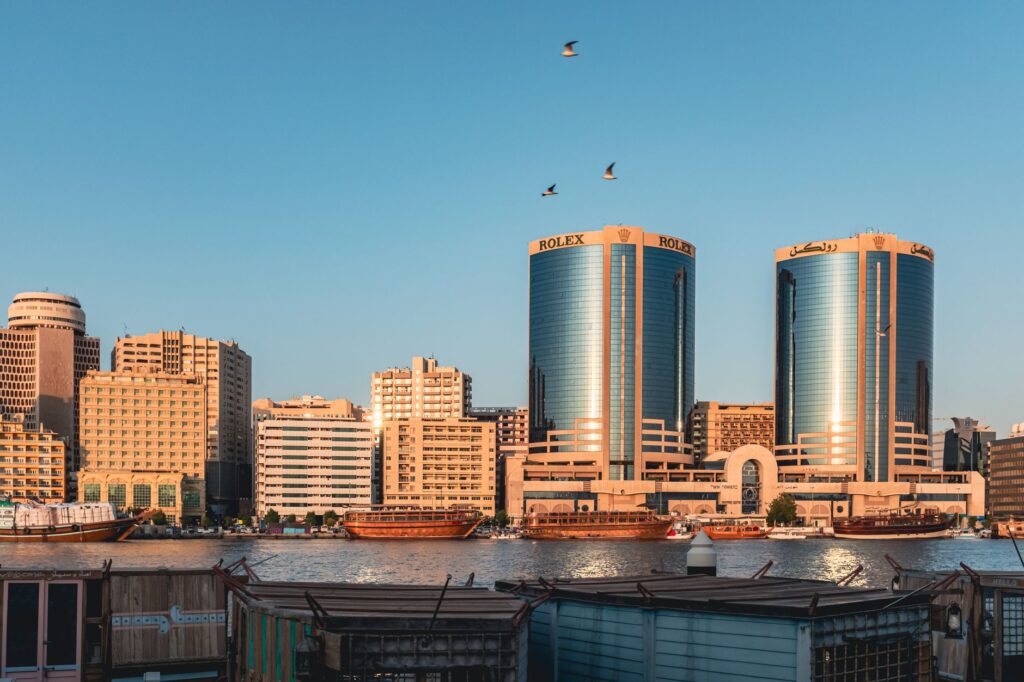
The preservation of these enclaves is not merely an exercise in museum nostalgia, but an active desire to keep collective memory alive. Local authorities have promoted projects to integrate former fishing neighborhoods into cultural routes accessible to the curious visitor, fostering intergenerational dialogue and respect for architectural heritage characterized by the use of coral, beach rock, and traditional wind towers (*barjeel*) that once channeled sea breezes.
True luxury in contemporary tourism is not material ostentations, but the opportunity to access authentic narratives and unaltered human landscapes.
This sensitivity toward tangible and intangible heritage is precisely what the new agreement with tourism media aims to communicate with greater precision. The informative work of associated media professionals will rigorously document the evolution of these spaces, offering international readers a nuanced perspective far removed from standard commercial tropes.
The Effervescence of Contemporary Arts and Creative Spaces
Yet Ajman does not rely solely on its glorious past. Alongside the safeguarding of its historical roots, the emirate has fostered the emergence of a vibrant contemporary art scene. Independent spaces, local galleries, and artist residencies are transforming former industrial warehouses and government buildings into hubs of cultural expression. Painters, photographers, and Emirati and international sculptors find in Ajman an environment conducive to experimentation, far from the frenzy of major art capitals.
This creative dynamism is also reflected in the programming of cultural festivals, open-air exhibitions, and public workshops. The collaboration with the Tourism Media Association will facilitate greater media attention for these new artistic focal points, positioning Ajman firmly on the cultural route map of the Middle East and attracting collectors, critics, and travelers eager to discover peripheral avant-gardes.
Sustainable Infrastructure and Conscious Hospitality
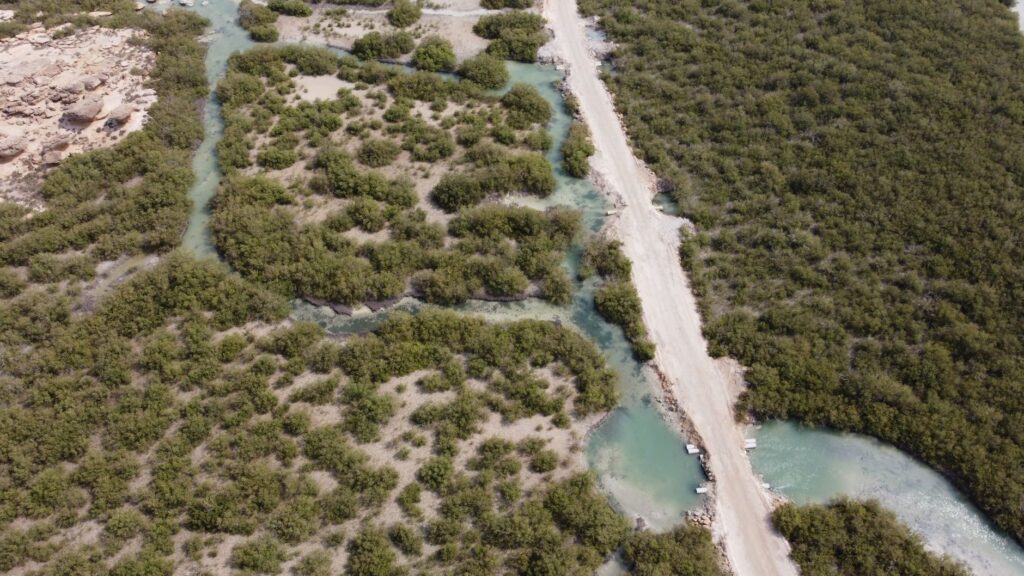
Ajman’s tourism development proceeds hand-in-hand with strict environmental sustainability criteria and respect for the surrounding ecosystem. Unlike other overcrowded coastal destinations, the emirate has prioritized a moderate growth model that protects its mangroves—a vital ecological ecosystem of great richness located within the Al Zorah reserve—and promotes low-impact hotel practices. Visitors who choose Ajman discover a destination where nature and urban architecture engage in balanced dialogue.
Integrating nature into the tourism experience translates into activities such as kayaking among protected mangroves, migratory bird watching, and interpretive hiking trails. This respect for the natural environment reinforces the cultural proposition, demonstrating that heritage tourism and ecological conservation are two sides of the same coin when managed with visionary perspective and technical rigor.
Practical guide
How to get there: Ajman is located a short drive away from the international airports of Dubai and Sharjah, ensuring seamless access from anywhere in the world via regular connections.
When to visit: The months between November and April offer the most favorable weather conditions for exploring the emirate on foot and enjoying outdoor activities.
Cultural must-sees: The Ajman Museum, housed in the 18th-century historic fort, and the traditional dhow-building yards along the emirate’s creek.
Accommodation: Hotel options combine upscale coastal resorts with more boutique-scale properties deeply integrated into the traditional urban fabric.
Travel tips: Visitors are advised to hire specialized local guides for tours of heritage sites and to respect local dress codes in public and religious spaces.
The Human Pulse of an Emarati Transformation
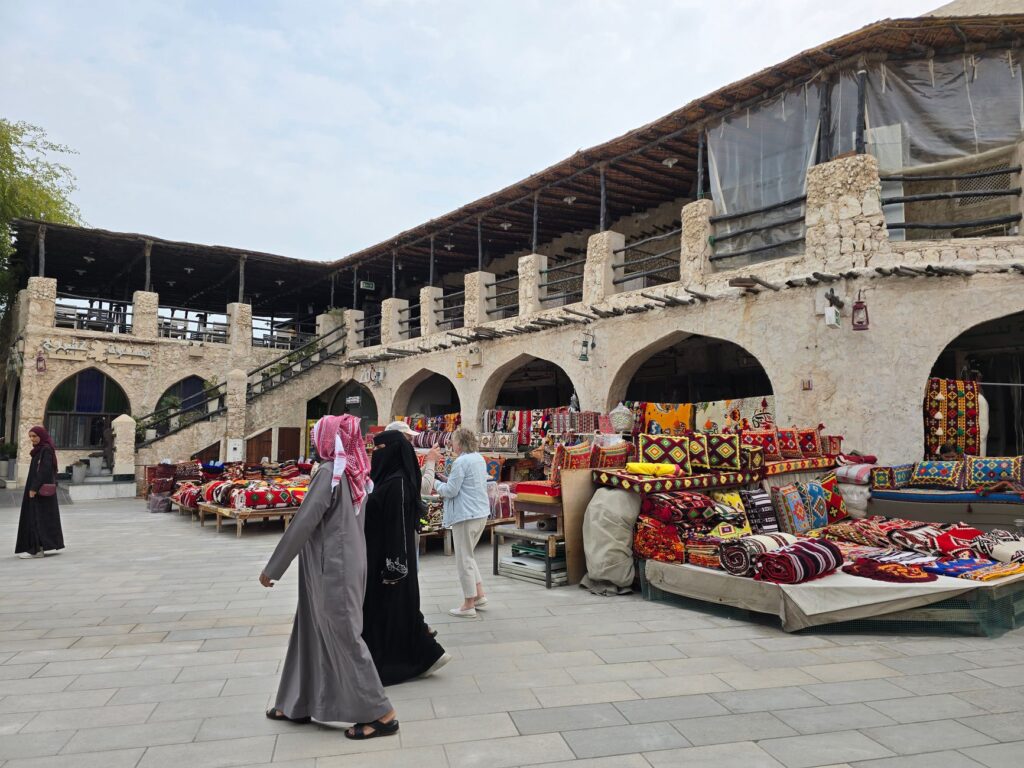
At the end of the journey, what truly defines the experience in Ajman is the warmth of its people and the tranquility with which daily life unfolds. In local markets, cafés where aromatic tea is shared, and unhurried conversations with artisans, one perceives genuine hospitality devoid of commercial scripts. This human fabric is the true guardian of local culture, the invisible thread connecting a maritime past with present aspirations.
The alliance signed at the Arabian Travel Market represents an institutional endorsement ensuring this singular voice is not lost in global noise, but rather resonates clearly and respectfully in international travel forums. Ajman thus demonstrates that a destination’s greatness is measured not by its square kilometers, but by the depth of its soul and the dignity with which it shares its history with the world.
Source in EN: Zawya